

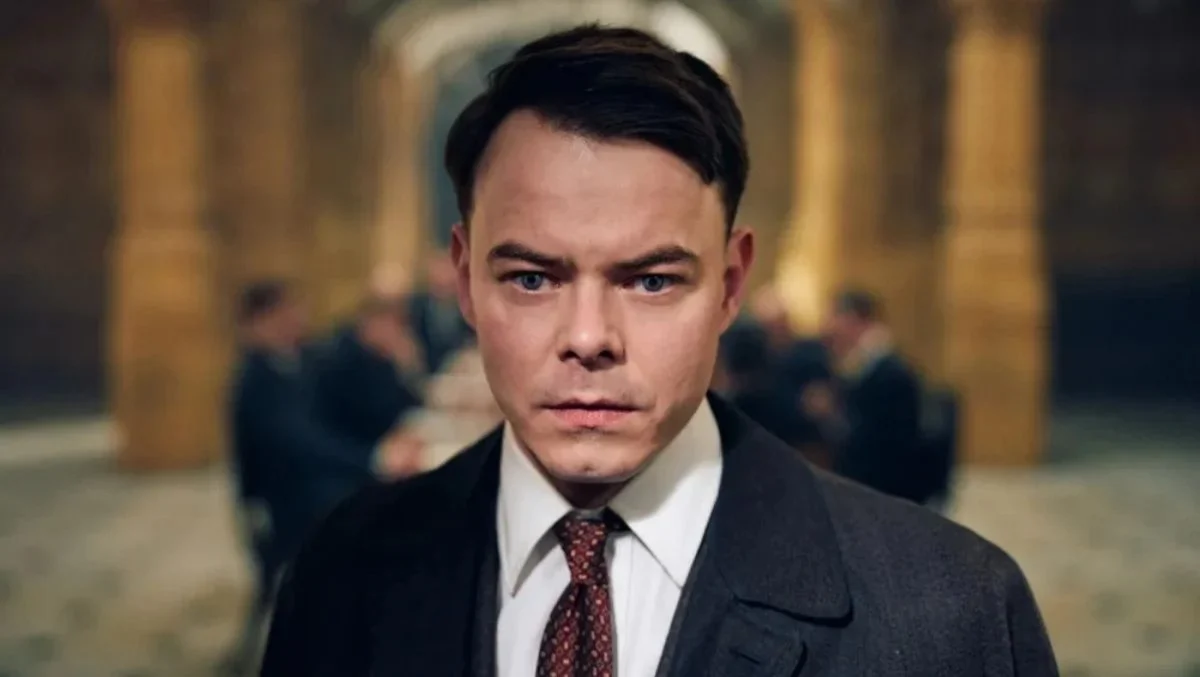
By order of the Peaky Blinders, the gritty, smoke-filled streets of Birmingham are set to return to the global stage. In a massive announcement that has sent shockwaves through the television landscape, Netflix confirmed on October 2, 2025, that it has officially ordered a two-season sequel series to the critically acclaimed, multi-award-winning drama Peaky Blinders.
The move signals a significant investment in creator Steven Knight’s vision, extending the narrative timeline well beyond the original series and the upcoming, highly anticipated feature film currently in the final stages of post-production. As the Shelby family prepares to trade their interwar tactical dominance for the shifting geopolitical and social landscape of the post-WWII era, the franchise is poised to reinvent itself for a new generation of viewers.
The Main Facts: A New Era for a Storied Dynasty
The sequel, which has yet to receive an official title—though industry speculation heavily favors a moniker that maintains the Peaky Blinders brand identity—will consist of two seasons, each comprising six hour-long episodes.
The narrative is set in 1953, a decade defined by the monumental task of rebuilding Britain after the devastation of the Second World War. The story centers on the reconstruction of Birmingham, transforming the city from a war-torn industrial hub into a landscape of concrete and steel. In this environment, the race for control over lucrative government reconstruction contracts becomes the catalyst for a fresh wave of violence, political maneuvering, and high-stakes crime.
At the heart of this conflict is the next generation of the Shelby family. Having matured in the shadow of Tommy Shelby’s legendary rise and fall, these new protagonists must navigate a world where the old codes of the gang are clashing with the modernization of the British state.
Chronology: From Small Heath to the Cold War
To understand the weight of this new series, one must appreciate the trajectory of the Shelby saga.
The Original Rise (1919–1934)
The original series began in 1919, capturing the immediate aftermath of the Great War. Over six seasons, viewers watched Tommy Shelby—portrayed with haunting intensity by Cillian Murphy—evolve from a local bookmaker in Small Heath to a Member of Parliament, constantly battling the IRA, the Italian mafia, and the creeping influence of fascism.
The Interwar Transition
The original series concluded in 2022, leaving the Shelby empire fractured but not broken. The narrative arc spanned the rise of Oswald Mosley and the collapse of the family’s international trade interests, setting the stage for a period of profound uncertainty.
The Cinematic Bridge
Following the series finale, it was confirmed that a feature film would serve as the bridge between the original show and the sequel series. This film, currently in post-production, is expected to resolve the lingering threads of Tommy Shelby’s personal journey while introducing the younger generation of the clan who will take the lead in the new Netflix series.
The 1953 Sequel
The newly announced series picks up the mantle in 1953. This era—the early Cold War period—offers a rich thematic tapestry. Britain is in the midst of "The Reconstruction," a period of intense physical and social labor that provides the perfect backdrop for organized crime to exploit the state.
Supporting Data: The Powerhouse Cast and Production
The expansion of the Peaky Blinders universe is not merely a creative decision; it is a calculated production effort backed by some of the industry’s most respected talents.
Executive Leadership
Cillian Murphy, who defined the role of Tommy Shelby, will transition into an executive producer role for the sequel. His involvement is seen as the vital "seal of approval" that ensures the tone, pacing, and dark atmosphere of the original series are maintained.

The New Faces of the Shelby Clan
The casting news has generated significant buzz, particularly with the introduction of new primary characters:
- Charlie Heaton: Best known for his breakout role as Jonathan Byers in Stranger Things, Heaton has been cast as Charles Shelby, the son of Tommy Shelby. His character is expected to grapple with the heavy legacy of his father’s surname in a rapidly changing world.
- Jamie Bell: A veteran of both independent cinema and blockbusters, Bell will portray Duke Shelby, the half-brother of Charles. The dynamic between these two figures is expected to serve as the narrative anchor for the first season, likely exploring themes of fraternal loyalty, jealousy, and the inevitable struggle for succession.
Official Responses and Creative Vision
While official statements from Netflix remain concise, the excitement from the production team is palpable. Steven Knight, the mastermind behind the series, has long maintained that the story of the Shelbys was never truly finished.
"The story of the Shelby family has always been about more than just the gang; it is the story of a city and a country in flux," a spokesperson for the production team stated during the October 2 press event. "By moving into the 1950s, we are looking at a world that is harder, faster, and more cynical. The concrete and steel of the new Birmingham provide a perfect, cold stage for the blood-soaked heart of the Shelby family to beat once more."
The decision to limit the order to two seasons suggests a tight, focused narrative strategy. By opting for a defined, multi-season structure rather than an open-ended run, Netflix and the creators appear committed to delivering a cohesive, high-quality conclusion to the Peaky Blinders epic.
Implications: What This Means for the Future of TV
The renewal of Peaky Blinders for a sequel series has profound implications for the streaming landscape and the "prestige television" model.
The Power of "Legacy Franchising"
Netflix is clearly banking on the sustained cultural cachet of established intellectual property. By leveraging the existing fanbase of Peaky Blinders—a show that saw a massive spike in global popularity during its Netflix tenure—the platform is mitigating the risks associated with launching original dramas.
Tone and Atmosphere
The challenge for the production will be maintaining the show’s signature aesthetic—the sepia-toned cinematography, the iconic soundtrack, and the deliberate pacing—while adapting to a more modern, mid-century setting. The transition from the 1920s jazz-influenced underworld to the 1950s rock-and-roll-adjacent era of industrial crime will require a delicate balancing act.
Economic Impact on Regional Production
The series has historically brought significant attention to the Birmingham region. With the new series focusing on the "reconstruction project," it is likely that the production will continue to highlight the architecture and history of the West Midlands, providing a boost to local film industries and tourism, much as the original series did during its decade-long run.
The "Murphy" Effect
With Cillian Murphy moving behind the scenes, there is a clear intention to pass the torch. However, the shadow of Tommy Shelby remains long. The success of the sequel will depend on whether audiences can embrace the new generation—Charles and Duke—as compelling protagonists in their own right, rather than mere shadows of their predecessors.
Conclusion
As we look toward the premiere of the sequel, one thing is certain: the appetite for the Shelby family’s brand of brutal, stylish, and morally complex drama is as strong as ever. By expanding the narrative to the post-war reconstruction of Britain, Steven Knight is set to explore a fascinating, underrepresented era of British history through a lens that audiences have grown to love.
While the official name and release date remain pending, the promise of two six-episode seasons is enough to assure fans that the Shelby legacy is far from over. In the concrete labyrinth of 1953 Birmingham, the Shelbys are ready to claim their territory once again—and this time, the stakes are higher than ever.










No comments yet. Be the first to join the conversation!