

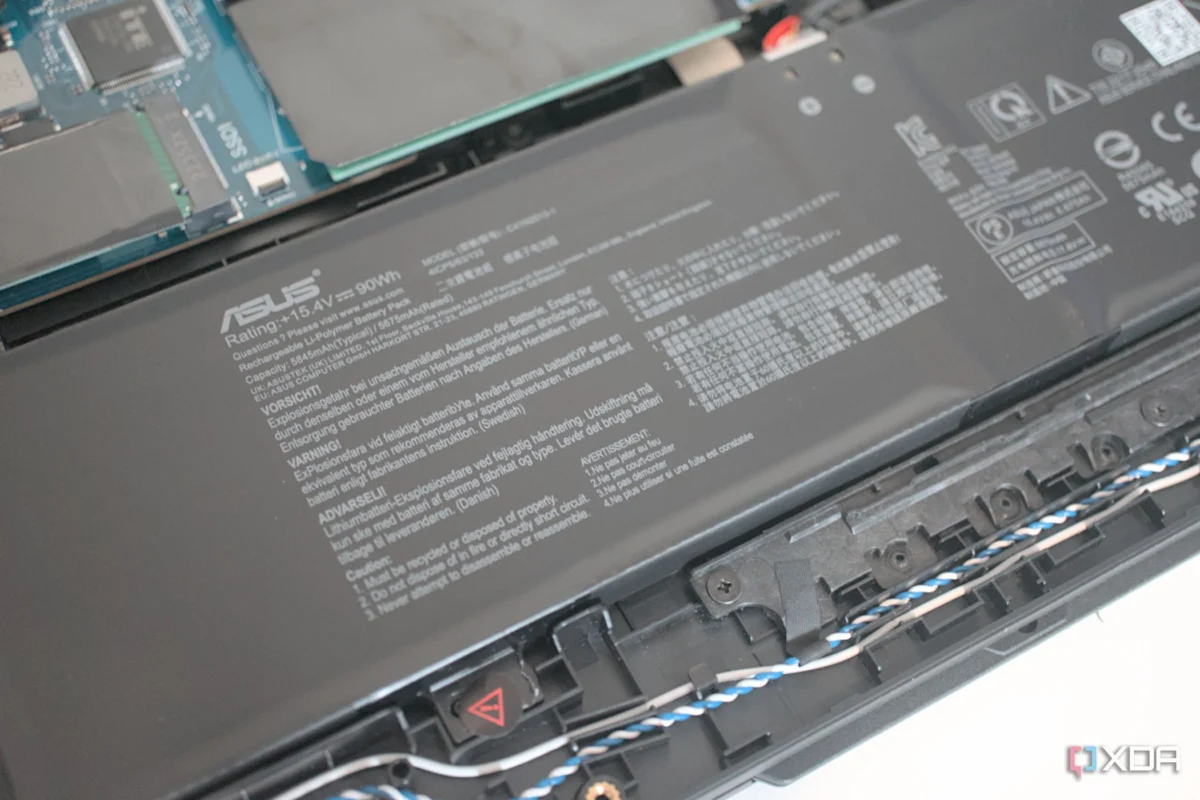
In the modern digital era, the tether between human productivity and portable technology is defined by a single, often overlooked component: the battery. Whether it is a high-end smartphone, a sleek ultrabook, or a professional-grade tablet, our reliance on mobile computing assumes a level of endurance that technology is only just beginning to match. However, as users often discover, the high-performance device that lasted all day at the time of purchase frequently becomes a source of frustration within a few years, as battery degradation forces an earlier-than-expected upgrade or an inconvenient repair.
Understanding battery health is not merely a technical exercise; it is an essential skill for the conscious consumer. While battery degradation is an inevitable chemical reality of the lithium-ion era, it is not an uncontrollable force. By mastering the science behind these power cells and adopting smarter charging habits, users can significantly extend the usable lifespan of their devices.
The Chemistry of Capacity: How Lithium-Ion Batteries Work
To appreciate why a battery loses its "edge" over time, one must look at the microscopic dance of ions within the cell. Lithium-ion (Li-ion) batteries have become the industry standard for consumer electronics due to their high energy density—the ability to pack a significant amount of power into a compact, lightweight footprint.
The Science of Ion Movement
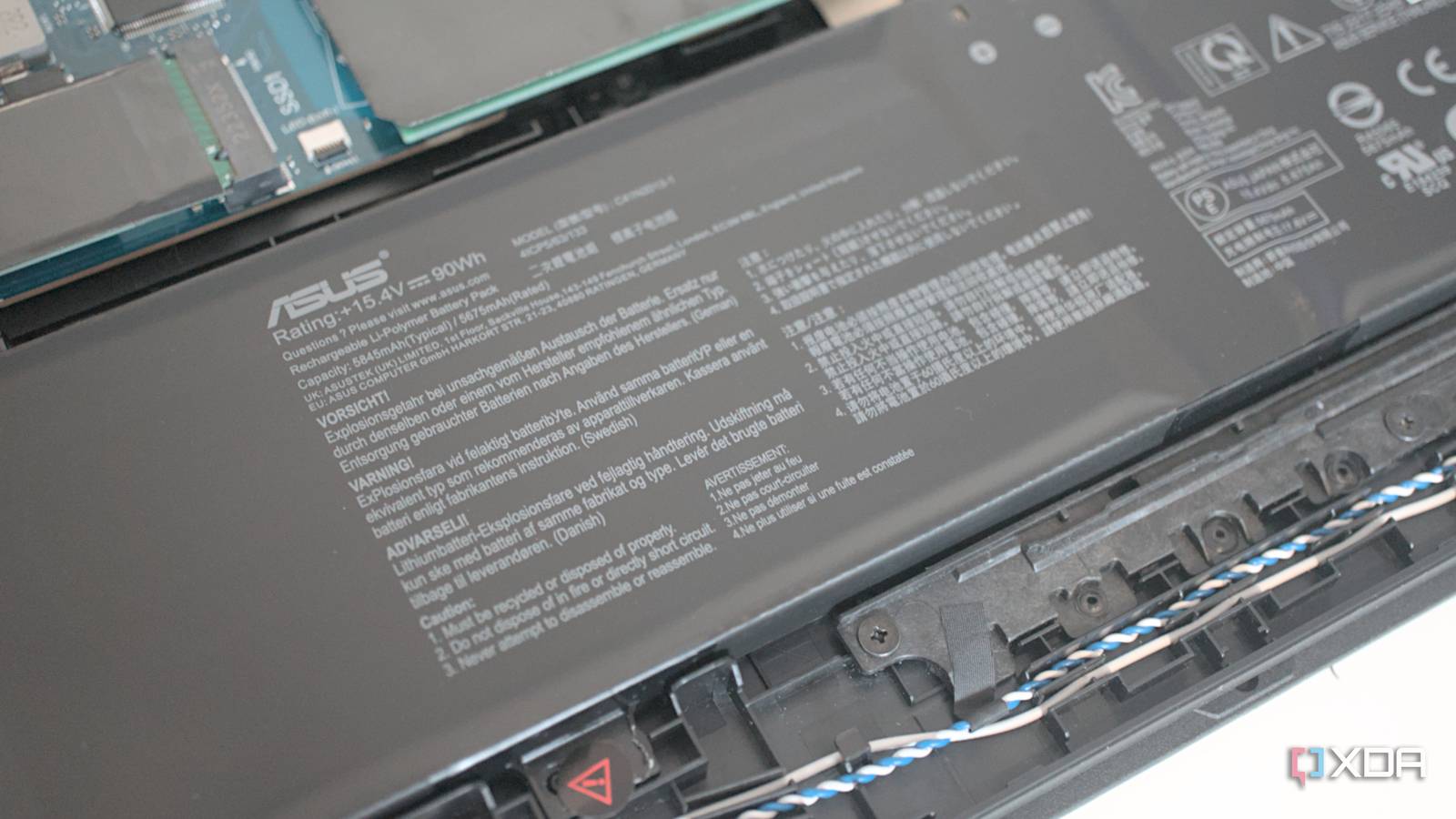
A lithium-ion battery operates by moving lithium ions between a cathode and an anode through an electrolyte. During the charging process, energy is stored as the ions move to the anode; during discharge, they move back to the cathode, releasing the electricity that powers your device.
However, this process is not perfectly reversible. Over time, the materials within the battery undergo structural changes, side reactions, and the growth of impedance—a phenomenon where internal resistance increases, making it harder for the battery to deliver power. Additionally, factors like "lithium plating," where metallic lithium deposits on the anode, can permanently reduce the amount of energy the battery can store. This reduction in the total amount of charge a battery can hold compared to when it was factory-new is what we define as "battery capacity."
A Chronology of Degradation: From Peak Performance to Obsolescence
The journey of a battery is often marked by distinct phases, though user behavior can either accelerate or decelerate this progression.

- The "Golden Age" (Months 0–12): In the first year of ownership, the battery typically performs at or near its design capacity. With proper care, the chemical degradation is negligible, and the "cycle count" remains low.
- The Onset of Aging (Months 12–24): This is the period where most users begin to notice the change. Minor reductions in daily runtime become apparent. If the device has been exposed to extreme heat or consistently charged to 100% and drained to 0%, the battery capacity may drop to the 85%–90% range.
- The Degradation Plateau (Months 24–48): Beyond the two-year mark, chemical aging accelerates. Users often report the "mid-day slump," where the device requires a midday charge to survive until evening. At this stage, many devices will report health metrics below 80%, often triggering warnings from the operating system to consider a service or replacement.
Supporting Data: Why 80% is the Magic Number
The industry-wide recommendation to cap charging at 80%—a practice now being integrated into software features across iOS, Android, and Windows—is rooted in solid electrochemical evidence.
Lithium-ion batteries are under the most physical stress when they are at their extremes: either completely full (100%) or completely empty (0%). When a battery is forced to 100%, the internal voltage is at its highest, which encourages the side reactions mentioned earlier, leading to faster electrode aging. Conversely, dropping to 0% can cause the battery to enter a "deep discharge" state, which can lead to instability and permanent capacity loss.
The Silicon-Carbon Factor
The introduction of silicon-carbon battery technology, seen in newer flagship smartphones like the OnePlus 15, has changed the landscape. These batteries offer higher energy density than traditional graphite-anode Li-ion batteries, allowing for larger capacities in the same physical space. However, data suggests that while these cells are revolutionary for runtime, they can be more sensitive to degradation if not managed with the same rigorous charging protocols as traditional lithium-ion cells.

Official Perspectives and Industry Standards
Manufacturers have largely moved away from the "charge to 100%" philosophy that defined the early 2010s. Today, industry giants are actively implementing "Adaptive Charging" features.
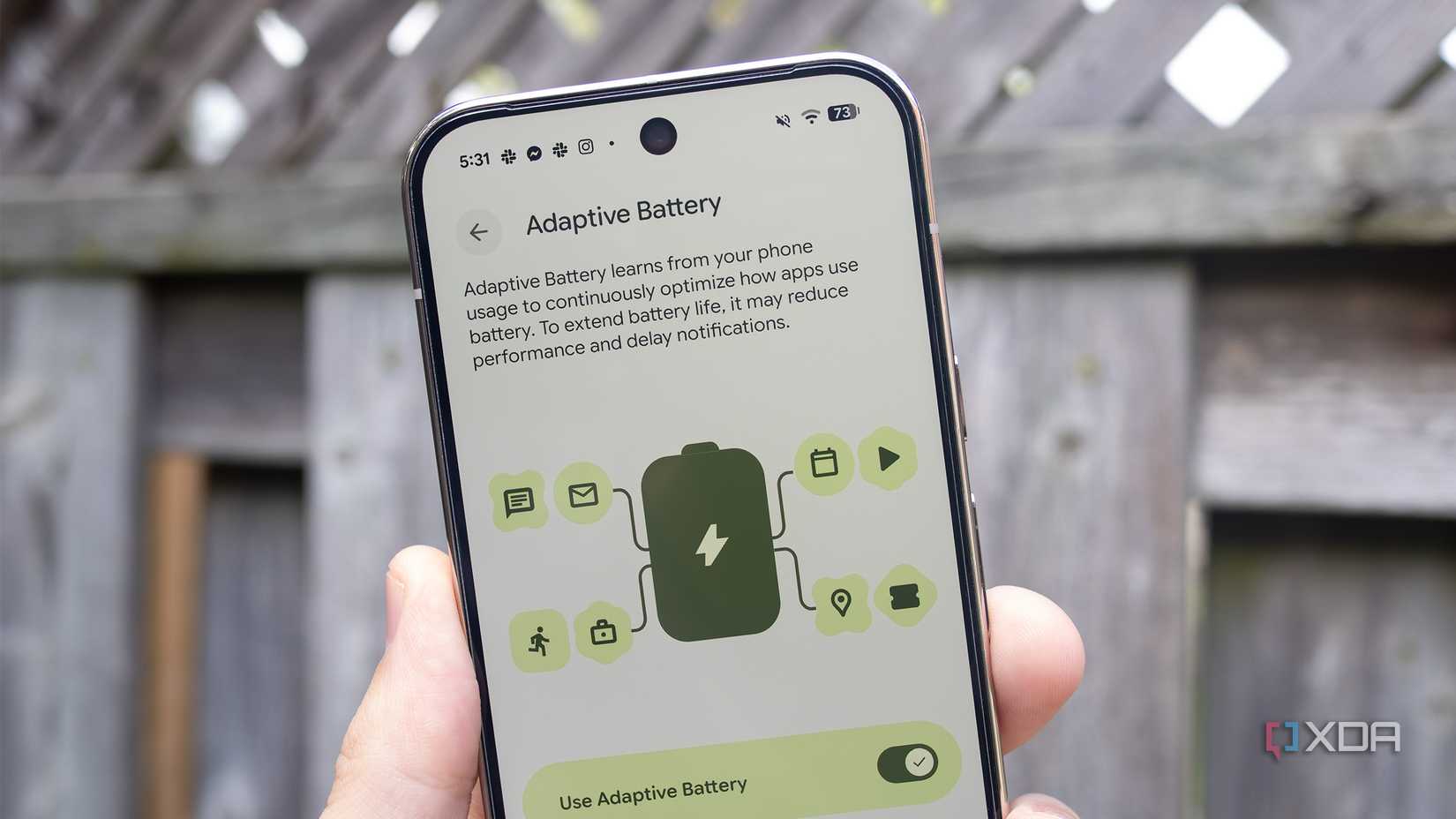
For instance, Google’s Pixel lineup and Apple’s iPhone "Optimized Battery Charging" utilize machine learning to analyze the user’s daily routine. If you typically wake up at 7:00 AM, the phone will charge to 80% overnight and pause, only completing the final 20% charge just before you unplug the device in the morning. This reduces the time the battery spends at the high-voltage state, effectively doubling the life of the battery compared to a device that sits at 100% for several hours every night.
Implications for the Modern Consumer
The shift in how we manage battery life has significant implications for both the environment and the consumer’s wallet.
1. The Cost of Neglect
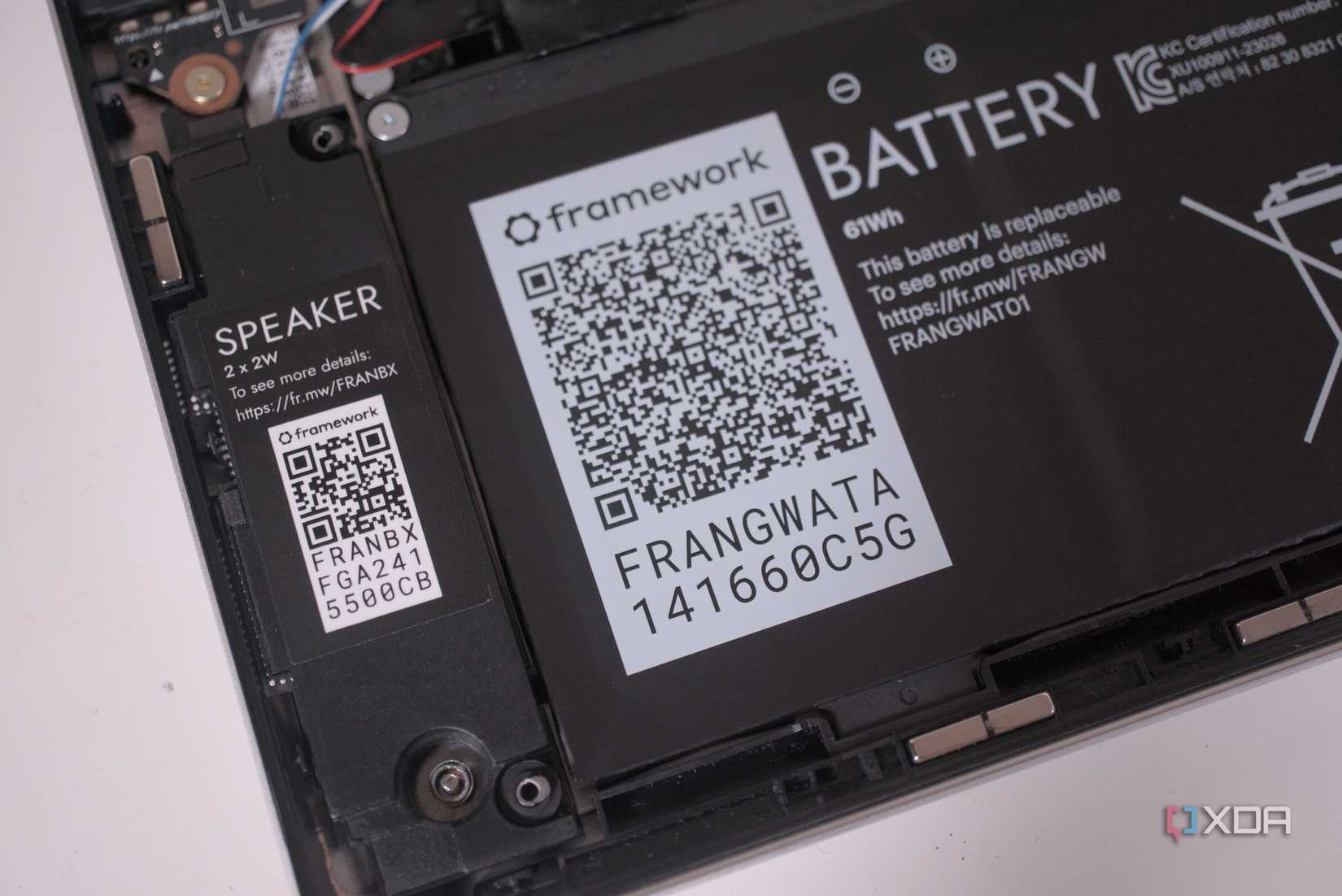
Neglecting battery health leads to premature device replacement. When a battery reaches the end of its life, the device may throttle its CPU performance to prevent random shutdowns (as seen in the infamous "batterygate" controversy). This creates a perception that the device is slow, prompting a $1,000+ upgrade when a $79 battery replacement would have sufficed.
2. The Wireless Charging Dilemma
While wireless charging is a pinnacle of convenience, it carries a hidden cost. Wireless chargers operate by induction, which inevitably generates heat. Heat is the greatest enemy of lithium-ion chemistry. Consistent use of high-wattage wireless chargers can lead to a measurable increase in battery degradation over a 12-month period compared to cool, efficient, wired charging.
3. Sustainability and Right-to-Repair
As we move toward a circular economy, extending the life of a single device by two or three years drastically reduces the e-waste footprint of the average user. By adopting the "80-20 rule"—keeping the battery between 20% and 80%—you are not just protecting your device; you are participating in a more sustainable model of consumption.
Practical Steps for Long-Term Battery Health
If you are looking to preserve your investment, consider these actionable steps:
- Enable Smart Limits: Navigate to your battery settings on your laptop or smartphone and toggle on "Battery Limit" or "Optimized Charging." If your device supports an 80% hard cap, use it.
- Mind the Temperature: Avoid leaving your devices in hot cars or under direct sunlight. If your device feels hot to the touch while charging, remove it from its case or move it to a cooler environment.
- Prioritize Wired Charging: Reserve wireless charging for when it is absolutely necessary. Use a high-quality, certified wired cable and power brick for your daily overnight charging needs.
- The 40-50% Sweet Spot: If you are storing a device for a long period (such as a spare laptop), do not store it at 0% or 100%. Aim for 50%. This is the chemical "resting state" where the battery is under the least amount of stress.
Conclusion: A Shift in Mindset
The obsession with reaching "100%" is a psychological remnant of the era of nickel-cadmium batteries, which required full discharge cycles to avoid the "memory effect." In the modern era, that mindset is obsolete. By treating your battery as a chemical system that requires balance rather than just a fuel tank to be filled to the brim, you can ensure that your technology serves you for years to come.
The next time you see that 80% charge limit notification, do not view it as a limitation of your device’s potential. View it as a safeguard—a tool that ensures your device remains as fast, responsive, and reliable on its third anniversary as it was on the day you unboxed it. In a world of planned obsolescence, taking control of your battery health is the ultimate act of technological defiance.











