


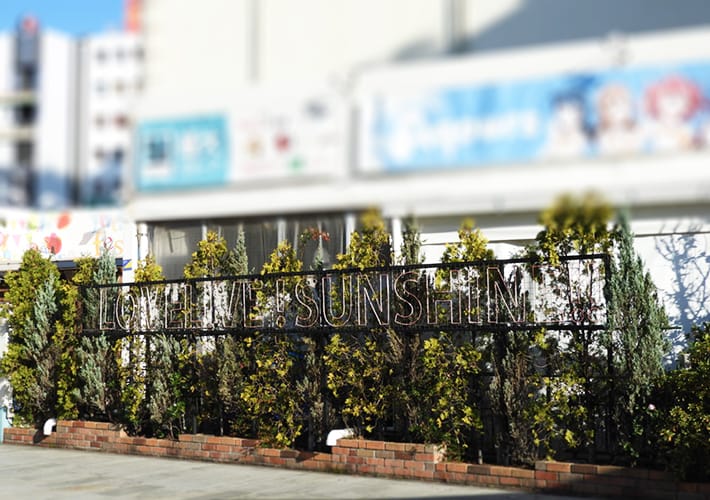
In the coastal landscape of Japan’s Shizuoka Prefecture, the city of Numazu has transformed from a quiet seaside transit point into a vibrant cultural landmark. This metamorphosis is not the result of urban renewal projects or industrial expansion, but rather an organic, community-led embrace of a pop-culture phenomenon: the multimedia project Love Live! Sunshine!!. Since its debut in 2016, the series has cultivated a "mutually beneficial ecosystem" between its fictional world and the physical geography of Numazu, setting a benchmark for what is known in Japan as "anime pilgrimage" (seichi junrei).
The Genesis of an Idol Phenomenon
Love Live! Sunshine!! is the successor to the original Love Live! franchise, centered on the narrative of nine high school girls who form the idol group "Aqours." Facing the potential closure of their school, Uranohoshi Girls’ Academy, the protagonists embark on a journey to achieve fame and save their campus. The setting—the sunny, coastal backdrop of Uchiura in Numazu—was not merely a background but a character in its own right.
The anime television series premiered in 2016, with a second season following in 2017, cementing the characters into the cultural zeitgeist. The franchise’s endurance is highlighted by the 2023 release of the spin-off series, Yohane of the Parhelion: Sunshine in the Mirror, which reimagines the cast in a high-fantasy version of the Numazu setting. Over the last seven years, the city has evolved into a living museum of the franchise, attracting both casual tourists and dedicated fans, known as "LoveLivers."

Chronology of a Cultural Shift
The integration of Love Live! Sunshine!! into the fabric of Numazu was neither instantaneous nor top-down. It was a grassroots progression:
- 2016–2017 (The Launch Phase): The initial airing of the anime drew early adopters to Uchiura. Local businesses began noticing the uptick in visitors.
- 2017–2018 (Formalization): The city recognized the economic potential. Maps and brochures were printed, and local shops began curating "pilgrimage" experiences. This period saw the normalization of anime-themed merchandise in local storefronts.
- 2019 (The Cinematic Peak): The release of Love Live! Sunshine!! The School Idol Movie: Over the Rainbow solidified the city’s status as a "holy site." Iconic local businesses, such as the Tsuji Photo Studio, were featured in the film’s opening sequence, canonizing them within the franchise lore.
- 2020–2022 (The Pandemic Resilience): Despite the travel restrictions imposed by the COVID-19 pandemic, the bond between the fanbase and the city remained intact. Virtual engagement and a commitment to return post-pandemic ensured that the city did not lose its momentum.
- 2023 and Beyond: The release of Yohane of the Parhelion continues to drive traffic, proving that the synergy between the city and the IP has long-term sustainability.
Supporting Data: The Economic and Social Impact
The success of the Numazu-Aqours relationship is characterized by high levels of local participation. According to city councilman Ryuo Ozawa, the influx of visitors has translated into tangible economic growth for small and medium-sized enterprises (SMEs).
Taxonomy of Participating Businesses
The integration of local shops into the fandom follows four distinct models:
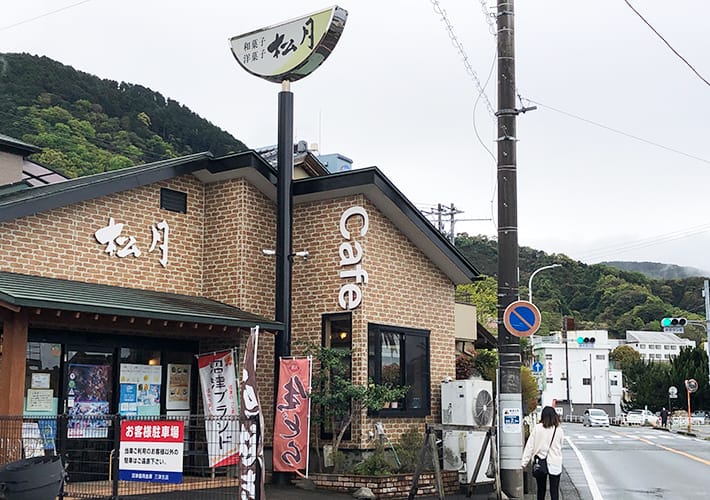
- Canon Sites: Establishments explicitly featured in the anime or game, such as Shougetsu, a confectionery store in Uchiura.
- Collaborators: Shops that participate in official merchandise campaigns, often hosting stamp rallies or distributing commemorative badges.
- Active Facilitators: Businesses that display character panels and fan-made art, acting as community hubs.
- Silent Supporters: Local shops that provide services to fans without necessarily selling official franchise goods, fostering a welcoming atmosphere.
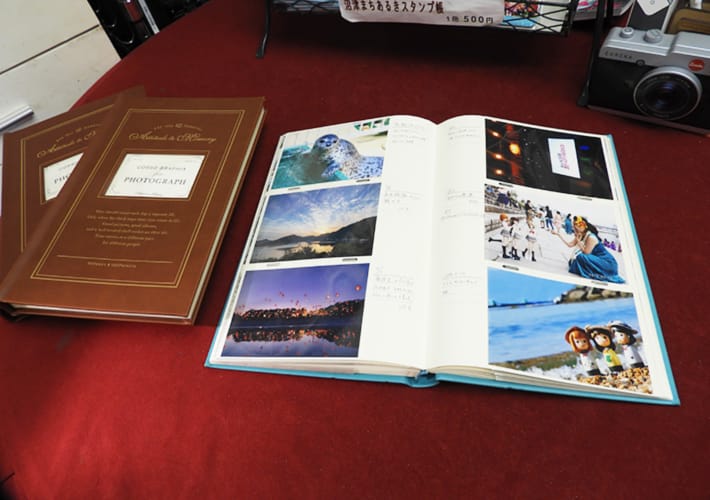
The economic impact is supplemented by the social "energy cycle." When a business owner, such as Tomomi Mine of Tsuji Photo Studio, creates a space for fan interaction—such as a public blackboard for fan messages or photo albums documenting visits—it transforms the business from a mere retail point into a social hub. This fosters a sense of ownership among the fans, who, in turn, feel a responsibility to preserve the sanctity of these locations.
Official Responses: Voices from the Field
To understand the nuances of this synergy, we interviewed key figures within the Numazu community.
The Governance Perspective: Ryuo Ozawa
Councilman Ryuo Ozawa notes that the integration was not without its minor frictions. Early in the series’ popularity, there were isolated incidents regarding privacy at local schools and the vandalism of anime-themed manholes. However, Ozawa emphasizes that these were exceptions. "The overwhelming majority of fans are respectful," he says. "They act as ambassadors for the series, supporting local businesses and participating in the city’s life." Ozawa points to the city’s leadership, including the Mayor, who has actively participated in franchise events, as a signal that the city is "all in" on the partnership.

The Commercial Perspective: Shougetsu and Tsuji Photo Studio
Kiminobu Segawa, owner of the confectionery shop Shougetsu, notes that the anime provided a vital lifeline for business. "We see fans from all over Japan, including the far northeast, and even international visitors," Segawa notes. By creating limited-edition sweets themed around the Aqours members, the shop has successfully bridged the gap between traditional Japanese confectionery and modern anime culture.
Tomomi Mine at Tsuji Photo Studio echoes this sentiment. By curating albums of visitor photos, she has turned her studio into a communal archive. "These albums are a bridge between the past and the future," Mine explains. This sentiment highlights the role of the pilgrimage as an act of memory-making rather than simple tourism.
The Spiritual Connection: St. John’s Anglican Church
The intersection of faith and fandom is perhaps best exemplified by the Numazu St. John’s Anglican Church. With character names like "Yohane" (John) and "Kanan" (Canaan) appearing in the series, the church has found itself inadvertently drawn into the pilgrimage circuit. Father Paul Masato Kubota has adopted a pragmatic and inclusive approach. He uses the series as a teaching tool to connect with younger congregants. By drawing analogies between the themes of the anime and religious narratives, he has increased engagement in Sunday school, viewing the "fallen angel" aesthetic of the character Yohane not as a deterrent, but as an opportunity for intergenerational dialogue.
Implications for Future Anime Tourism
The case of Numazu offers several lessons for other Japanese municipalities hoping to replicate this success.
First, the "Numazu Model" relies on authenticity. The city did not try to "sanitize" its appearance for the anime; rather, it allowed the anime to highlight its existing charm. This creates a genuine experience for the tourist that feels less like a commercial ploy and more like a discovery.
Second, the community-led approach is superior to top-down marketing. When business owners like Mine and Segawa take the initiative to engage with fans, they build trust. The fans, in turn, become repeat customers who respect the local culture. The "pilgrimage" becomes a ritual of mutual respect rather than a temporary fad.
Third, resilience is key. The ability of the Numazu community to maintain interest during the pandemic—and the willingness of fans to return as soon as travel was permitted—demonstrates that high-quality IP can create long-term loyalty that survives external shocks.
As the series continues to evolve with new installments like Yohane of the Parhelion, the relationship between Numazu and Love Live! Sunshine!! serves as a blueprint for cultural development. It demonstrates that when a local community embraces its pop-culture representation with open arms and thoughtful participation, the result is not just a boost in tourism, but the creation of a unique, modern identity that honors both the past and the digital future. Numazu is no longer just a city in Shizuoka; it is the "promised land" of the idol generation, proving that even a fictional story can build very real, lasting foundations.











