

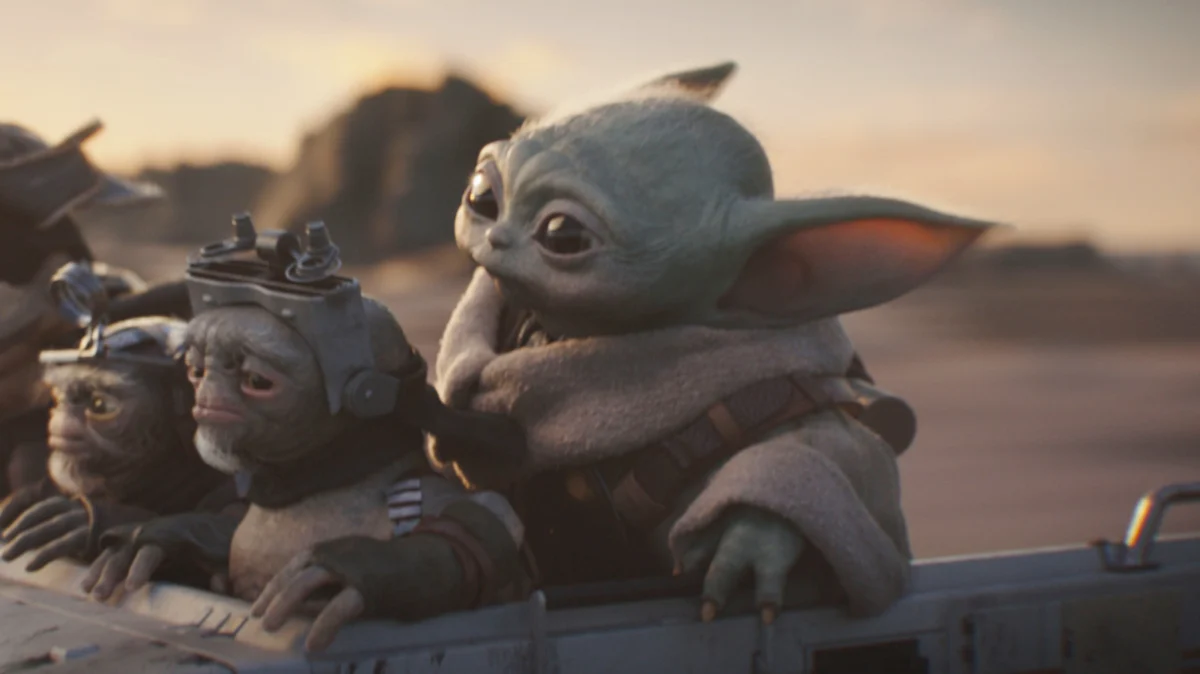
In the expansive and often interconnected galaxy of Star Wars, the collaborative spirit of its filmmakers is rarely as visible as it is in the rolling credits. With the recent theatrical release of The Mandalorian & Grogu, sharp-eyed viewers noted a surprising inclusion in the "Special Thanks" section: J.J. Abrams, the director behind two pillars of the sequel trilogy, The Force Awakens (2015) and The Rise of Skywalker (2019). While Abrams has been a central architect of the modern Disney-era Star Wars landscape, his direct involvement in Jon Favreau’s latest feature film was not a matter of executive mandate, but rather a profound professional courtesy.
As The Mandalorian & Grogu expands the narrative scope of the fan-favorite Disney+ series, it brings with it an array of legacy characters and species. The inclusion of these elements—specifically the diminutive, chatty alien race known as the Anzellans—led Favreau to reach out to the individual who first brought them to life. This article explores the behind-the-scenes dynamics, the importance of creative stewardship in a shared cinematic universe, and why such consultations are vital to maintaining the integrity of the Star Wars mythos.
Main Facts: The Anatomy of a Consultation
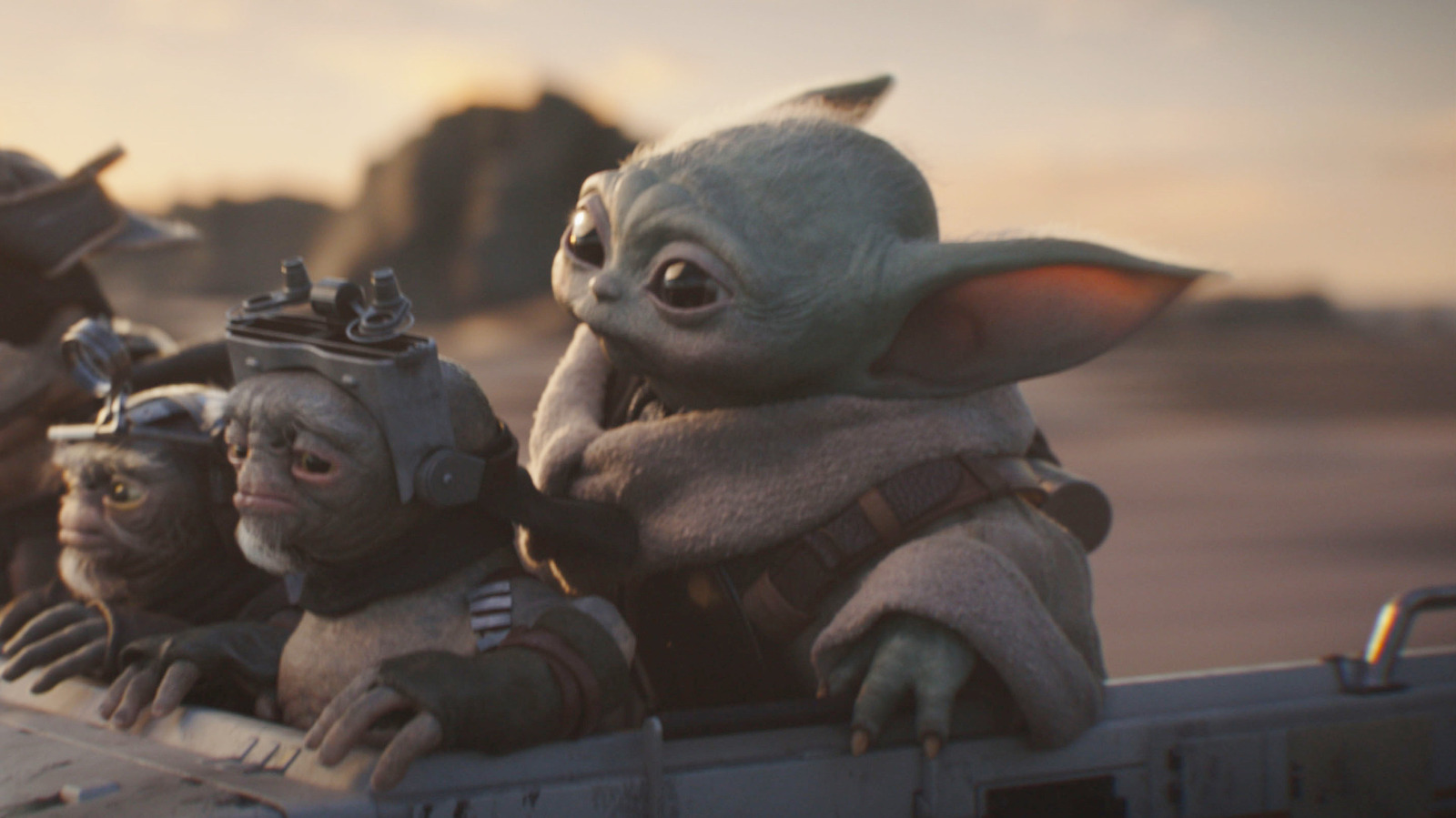
The primary reason for J.J. Abrams’ credit in The Mandalorian & Grogu is rooted in the procedural respect Favreau holds for his fellow filmmakers. When Favreau and his team began pre-production on the film, they sought to feature the Anzellans—the species famously introduced in The Rise of Skywalker through the beloved droidsmith Babu Frik.
While Lucasfilm holds the intellectual property rights to these characters, Favreau viewed the act of "borrowing" them as a creative partnership. In a recent interview with SFX Magazine, Favreau clarified his approach: "When I was working with the Anzellans, I called up J.J. And J.J. came to the set. Because you want him to know that, you know, ‘I appreciate what you did. Can we—do you mind? Are we handling this well? Are you happy?’"
This interaction serves as a fascinating insight into the culture of Lucasfilm. Even in a corporate environment where characters are owned by a studio, the creators feel a moral responsibility to the original visionaries. By inviting Abrams to the set, Favreau ensured that the Anzellans’ transition from a one-off sequel trilogy appearance to a more prominent role in the Mando-verse felt authentic to their initial design and characterization.
Chronology: From ‘The Force Awakens’ to the Big Screen
To understand the weight of this collaboration, one must look at the timeline of J.J. Abrams’ influence on the franchise.
- 2015: J.J. Abrams takes the helm of The Force Awakens, effectively rebooting the Star Wars theatrical franchise for a new generation. Despite initial hesitance to return to the galaxy far, far away, he successfully launched the sequel trilogy.
- 2019: Abrams returns to direct The Rise of Skywalker, a film that introduced the Anzellans. During the development of this film, creature designer Neal Scanlan worked closely with Abrams to conceptualize Babu Frik. Initially conceived as a fortune teller, the character evolved into a droidsmith through a series of iterative creative conversations.
- 2023: The Anzellans make a splashy, fan-favorite appearance in The Mandalorian Season 3, signaling their rising popularity and potential for future integration.
- 2025: The Mandalorian & Grogu hits theaters. Jon Favreau, recognizing the weight of the Anzellans’ narrative role in his script, initiates contact with Abrams to ensure the portrayal remains consistent with the spirit established in 2019.
This timeline illustrates that the "Star Wars" universe is not a static entity but a living, breathing project where characters evolve over years, moving from one creative team to another.
Supporting Data: The Role of Creative Stewardship
The consultation with Abrams is not an isolated incident; it reflects a broader ethos within the studio. Favreau, known for his collaborative style, also consulted Dave Filoni—the architect of the modern Star Wars animation canon—regarding the inclusion of the bounty hunter Embo.
Embo, a character who debuted in The Clone Wars, required the same level of care. Favreau explained, "We were developing the live-action version of him and showing Dave versions… there’s a special thing, when you use a character—even though it belongs to Star Wars, if somebody came up with the character, you go to them."
This philosophy of "creative stewardship" serves several purposes:
- Narrative Continuity: By checking in with the original designers or directors, current filmmakers can avoid unintentional contradictions in tone or ability.
- Respect for Legacy: The Star Wars fandom is famously protective of the lore. When directors show respect for their predecessors, it often resonates with the audience as a mark of quality and care.
- Creative Synergy: As Neal Scanlan noted in 2020 regarding Babu Frik, story ideas change and develop. Sometimes, the original creator provides insight into a character’s "living in their own little world" that helps the new director frame the scene more effectively.
Official Responses and Industry Context
Industry experts often describe the "Star Wars" production process as a "creative sandbox." While the "sandbox" has strict boundaries defined by Lucasfilm’s Story Group, the filmmakers themselves are encouraged to communicate.
The inclusion of J.J. Abrams in the credits is a quiet acknowledgment that the Star Wars galaxy is a collaborative tapestry. In an era where franchise fatigue is a growing concern for major studios, the "human element"—the phone calls, the set visits, and the mutual appreciation between directors—is what separates a coherent, beloved series from a disjointed collection of content.
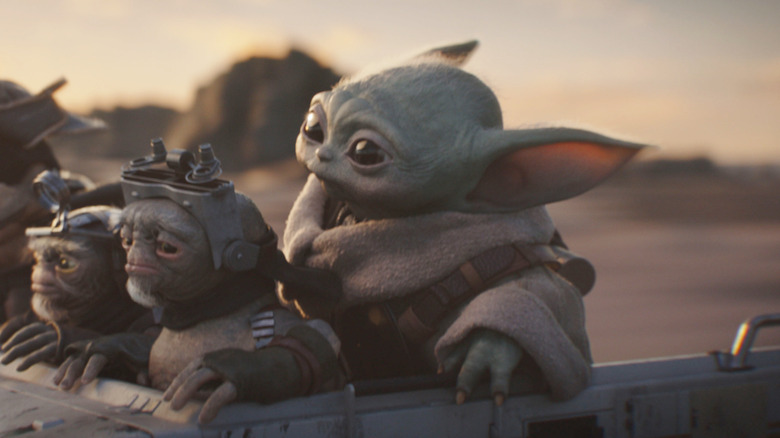
Furthermore, the Anzellans’ transition from The Rise of Skywalker to The Mandalorian & Grogu is a success story of character development. By allowing the creatures to grow from minor plot devices into essential contributors to the plot, Favreau and Abrams proved that characters, like the fans who love them, have a journey that shouldn’t be confined to a single trilogy.
Implications: The Future of the Galaxy
The implications of this collaborative model are significant for the future of the Star Wars franchise. As the studio continues to develop new films and series, the reliance on an interconnected network of creators will become even more pronounced.
If directors like Jon Favreau continue to treat their peers with such professional courtesy, the franchise gains a sense of cohesion that has historically been difficult to achieve across different directors and eras. It suggests that even as the "Star Wars" brand expands, the core creative team is committed to maintaining a shared vision.
Moreover, this interaction invites fans to look closer at the credits. Behind the CGI, the elaborate sets, and the iconic John Williams scores are real people making active choices to honor each other’s contributions. Whether it is Dave Filoni advising on the translation of a bounty hunter from animation to live-action, or J.J. Abrams providing the "blessing" for the Anzellans, these moments of cooperation are the invisible scaffolding that holds the Star Wars galaxy together.
In conclusion, the "Special Thanks" to J.J. Abrams in The Mandalorian & Grogu is more than a formality. It is a testament to the fact that, at its heart, Star Wars remains a community project—one where the torch is passed with respect, ensuring that the legacy of every character is treated with the dignity they deserve. As audiences continue to flock to theaters to see Mando and his small green companion, they are also witnessing the result of a decade of collaborative storytelling, where every alien, droid, and bounty hunter carries the imprint of the creators who cared enough to pick up the phone.











No comments yet. Be the first to join the conversation!