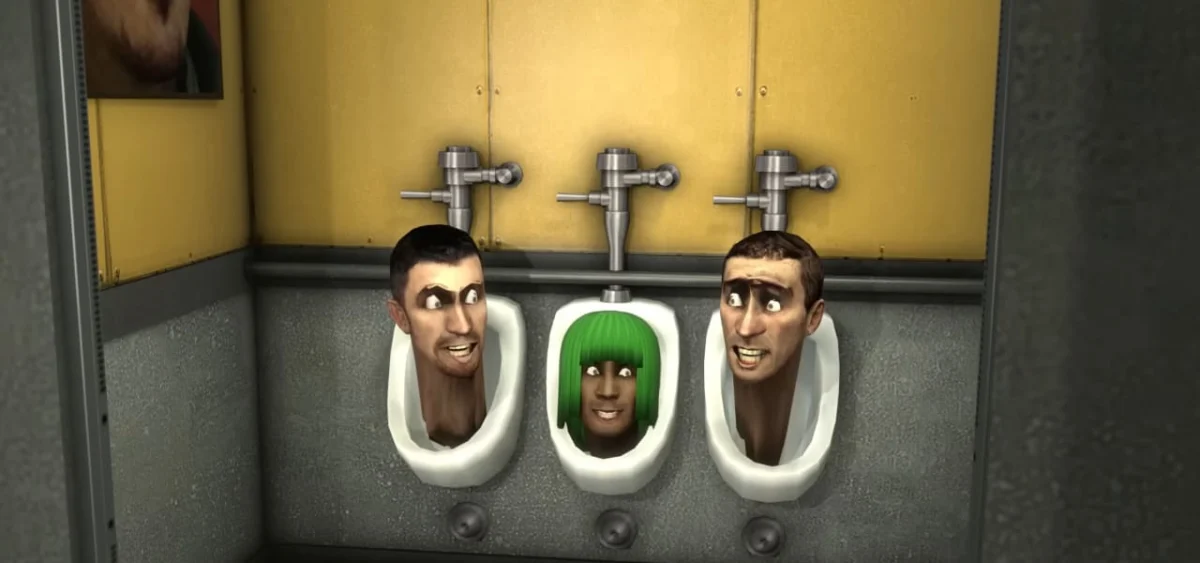
In the digital age, the line between grassroots internet creativity and corporate intellectual property (IP) acquisition has never been blurrier. Nowhere is this tension more palpable than in the ongoing, high-stakes legal saga surrounding Skibidi Toilet. What began as a series of surreal, absurdist shorts—featuring singing toilets and camera-headed humanoids—has mutated from a viral YouTube sensation into a battlefield for control, featuring federal lawsuits, copyright strikes, and the mysterious silencing of its primary creator, Alexey Gerasimov, known to his millions of fans as "DaFuq!?Boom."
While Invisible Narratives, the company currently steering the Skibidi Toilet ship, recently announced a massive $25 million financing round aimed at catapulting the franchise into Hollywood territory—with industry heavyweight Michael Bay reportedly involved—the gloss of corporate success hides a darker narrative. A recent investigative breakdown by legal analyst and YouTuber Mike Mandell suggests that the true story is not about potential movies or merchandising, but about the disenfranchisement of an independent creator in the face of legal machinery.
The Genesis of the Conflict: From Source Filmmaker to Courtroom
The Skibidi Toilet phenomenon exploded on YouTube, built on the back of Valve’s Source Filmmaker engine. Its rapid ascent from a niche internet oddity to a global cultural touchstone was fueled by Gerasimov’s unique, frantic, and oddly compelling visual style. However, as the property grew in value, it attracted the attention of entities far removed from the collaborative, open-source spirit of its inception.
According to legal documentation and analyses, Gerasimov signed a copyright assignment agreement with Invisible Narratives. This contract effectively transferred the primary copyright and trademark rights of the Skibidi Toilet property to the company, granting them the exclusive authority to operate the "DaFuq!?Boom" YouTube channel and dictate the direction of the brand.
This consolidation of power was immediately challenged by Dubai-based Next Level Apps. The firm filed trademark applications for Skibidi Toilet, arguing that they had developed the underlying concept—including the specific aesthetic of camera-headed men—long before Gerasimov’s videos gained their current ubiquity. Legal experts, including Mandell, note that this argument sits on shaky ground; copyright law protects the "expression" of an idea (the specific animations and character designs) rather than the "general idea" (toilets fighting camera people). Regardless of the merits of the claim, Next Level Apps initiated a series of DMCA takedown notices, which resulted in the removal of official Skibidi Toilet content from YouTube, sparking the initial public firestorm.
Chronology: A Timeline of Turmoil
The escalation of this dispute has been marked by a series of critical inflection points:
- The Assignment: Gerasimov enters into an agreement with Invisible Narratives, ceding control of his intellectual property in exchange for resources and professionalization.
- The Trademark Challenge: Next Level Apps asserts prior ownership, leading to a wave of DMCA takedowns that cripple the channel’s visibility.
- The Federal Counter-Strike: Invisible Narratives files suit in federal court, successfully obtaining emergency orders to halt the takedowns and regain control of the platform.
- The Channel Rebrand: The "DaFuq!?Boom" channel is renamed to "Skibidi," signaling a shift from creator-centric branding to corporate-owned franchise branding.
- The #BringBoomBack Movement: Fan advocacy groups and independent creators launch campaigns demanding transparency, claiming that Gerasimov has been marginalized, underpaid, or potentially coerced into silence.
The Human Element: Where is DaFuq!?Boom?
The most disturbing aspect of the Skibidi Toilet saga is the growing perception that the creator himself has been sidelined. The core of the fan outcry lies in a simple, fundamental truth: the audience subscribed to Alexey Gerasimov’s specific creative voice, not to a holding company’s copyright assignment.
Evidence surfaced in the form of leaked Discord messages allegedly authored by Gerasimov, expressing profound distress, feelings of being "trapped," and assertions that he had been "scammed" or "lied to" regarding the terms of his deal. Furthermore, interviews with creators like "Iron Cameraman"—a prominent voice in the "Let Boom Speak" campaign—suggest that financial barriers, exacerbated by U.S. sanctions against Russia, left Gerasimov struggling to receive his earnings. If these reports are accurate, the creator of one of the most profitable animation franchises in YouTube history may have been systematically cut off from his primary source of income and creative agency.
Official Responses and the Corporate Narrative
Invisible Narratives has not remained silent in the face of these allegations. Through their portal, BringBoomBack.com, the company has pushed back against what they characterize as a campaign of misinformation. Their official stance maintains that:
- Gerasimov remains a key stakeholder: The company insists that Gerasimov continues to hold the title of Executive Producer and is receiving fair compensation from the franchise.
- Strategic Alignment: They claim that the copyright enforcement measures taken against fan creators were not only necessary to protect the IP but were approved by Gerasimov himself.
- Encouraged Communication: The company has released screenshots of communications they allege show them encouraging Gerasimov to speak with "trusted creators" to clear the air, though these claims remain difficult to independently verify given the sealed nature of the original contracts.
Conversely, the LetBoomSpeak.com movement points to the work of independent journalists, such as Steven Asarch, who claim that Gerasimov expressed a desire to speak out but felt restricted by his legal obligations. The lack of a public, unscripted statement from Gerasimov remains the most glaring void in this entire narrative.
Implications for the Creator Economy
The Skibidi Toilet situation serves as a grim cautionary tale for the modern creator economy. It highlights the dangers inherent in "professionalizing" an indie project through opaque legal contracts. When a creator signs away their IP, they are often signing away their ability to advocate for themselves.
Moreover, the heavy-handed approach to copyright enforcement—targeting fan animators and critics—threatens to alienate the very community that made the property a success. As Mandell argues, copyright law should be a shield against counterfeiters and commercial entities attempting to profit from identity theft, not a sword to be wielded against the fans who build the culture around a work of art.
The distinction between protecting an asset and stifling a community is thin. By going after small-time creators and critics, companies like Invisible Narratives risk transforming a vibrant, grassroots community into a hostile, litigious environment. When a franchise becomes more about the legal maneuvering than the art, the audience eventually loses interest.
Conclusion: A Secondary Character in His Own Story
As the legal battles between Invisible Narratives and their adversaries continue to churn, the most important question remains unanswered: What is the true status of Alexey Gerasimov?
Whether he is bound by a gag order, choosing to remain silent, or simply overwhelmed by the complexity of the situation, the impact on his creative legacy is undeniable. The man who birthed a global phenomenon from his computer has effectively become a secondary character in the high-stakes drama surrounding his own work.
Until the contracts are made public or Gerasimov is granted the freedom to speak without legal repercussion, the Skibidi Toilet franchise will continue to suffer from a crisis of legitimacy. Fans are not loyal to legal departments; they are loyal to creators. If the industry continues to prioritize the exploitation of intellectual property over the agency of the artist, it will eventually hollow out the very innovation that drives the YouTube ecosystem. For now, the "Skibidi" saga remains a testament to the fact that while truth may be stranger than fiction, it is often far more frustrating to watch unfold.