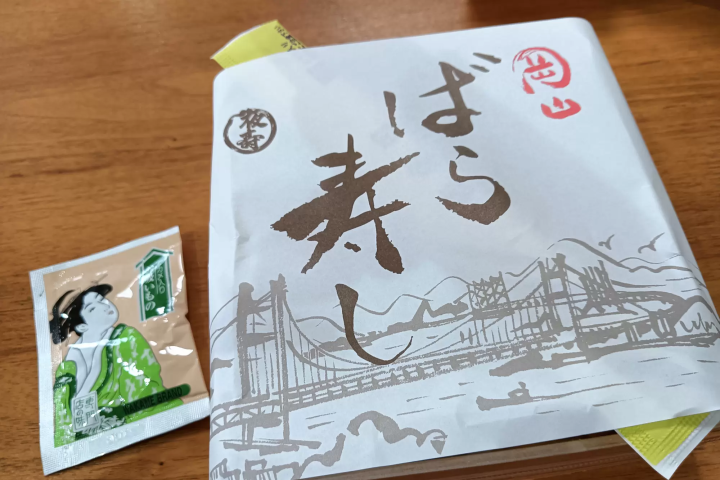
Okayama Prefecture, a region nestled between the mountains and the shimmering Seto Inland Sea, is home to a culinary tradition as vibrant as its history. At the heart of this gastronomic identity lies Okayama Barazushi—also known as Matsurizushi or Bizen Barazushi. Far more than a mere meal, this dish is a colorful, kaleidoscopic mosaic of seasonal vegetables and fresh seafood that encapsulates the very spirit of the region.
As travelers step off the Shinkansen at JR Okayama Station, they are greeted by more than just modern infrastructure; they are standing at the threshold of a food culture that has defied political suppression and evolved into an iconic symbol of Japanese resilience and hospitality.
The Historical Genesis: A Rebellion on a Plate
To understand Okayama Barazushi, one must look back to the Edo period. The dish was born not out of luxury, but out of a clever act of civil disobedience.
During the mid-17th century, Ikeda Mitsumasa, the first lord of the Bizen Okayama domain, implemented a strict austerity policy. In an effort to curb the extravagance of his subjects, he issued a decree mandating a "one soup, one dish" rule for commoners. The people of Okayama, however, were not to be deterred from their love of fine dining.
The local populace devised a ingenious loophole: they argued that if the fish and vegetables were placed directly onto the rice, the entire creation became a "sushi" dish rather than a side dish. By mixing a variety of local delicacies into the vinegared rice, they bypassed the law while creating a dish that celebrated the bounty of the land and sea. This "rebellion" birthed what we now know as Barazushi—a dish that remains the ultimate soul food of Okayama.
Culinary Composition: Anatomy of the Dish
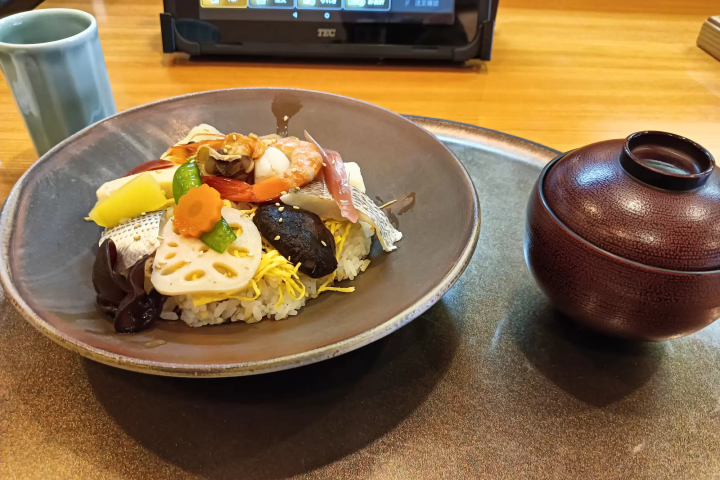
Unlike standard Chirashi-zushi, which typically involves scattering ingredients atop a bed of vinegared rice, Bara sushi is defined by its integration. The term "Bara" implies a scattered, mixed, or disassembled nature, where ingredients are meticulously folded into the rice.
The Ingredients of the Region
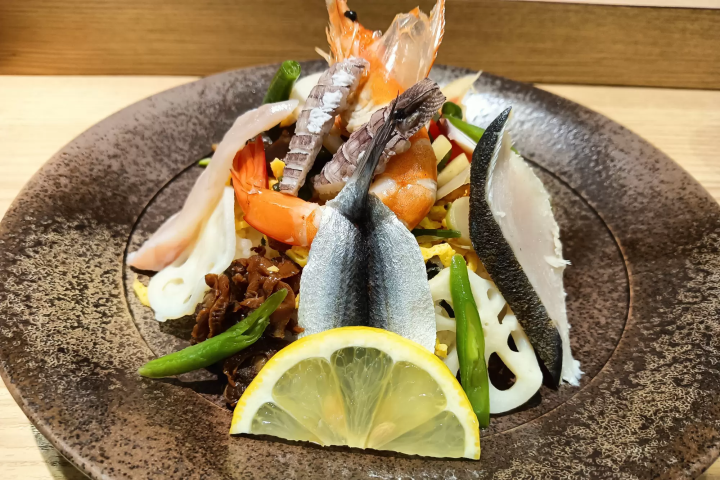
Traditionally, the base consists of vinegared rice mixed with a variety of finely chopped, seasoned vegetables and proteins. The exact composition varies by household, reflecting the diverse geography of the prefecture:
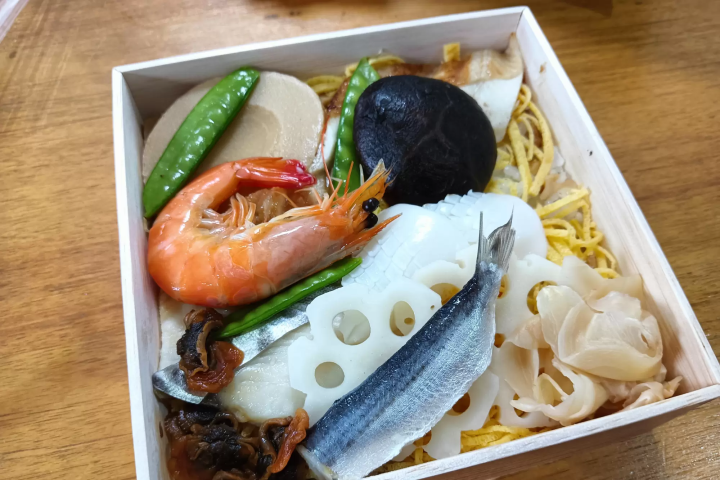
- Seafood: The Seto Inland Sea provides the staples, most notably Sawara (Spanish mackerel) and Mamakari (silver-stripe round herring). Other inclusions often feature conger eel, mussels, and shrimp.
- Vegetables: Bamboo shoots, lotus root, and burdock are common, providing a textural crunch that balances the delicate sweetness of the vinegared rice.
- The Yellow Chive Connection: A distinct Okayama specialty, Yellow Chives are often utilized in soups or as a subtle aromatic addition, providing a refined flavor profile that is uniquely regional.
Curated Dining Guide: Where to Experience Authentic Flavors
For the traveler looking to sample this history firsthand, the area surrounding JR Okayama Station offers several distinct venues, each providing a different lens through which to view this classic dish.
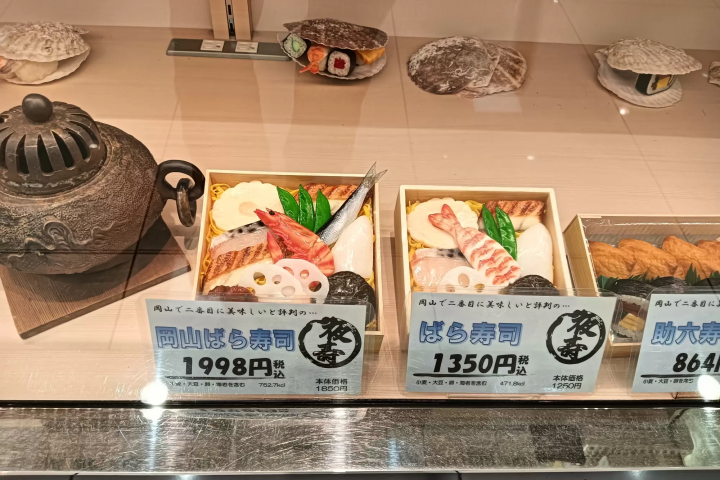
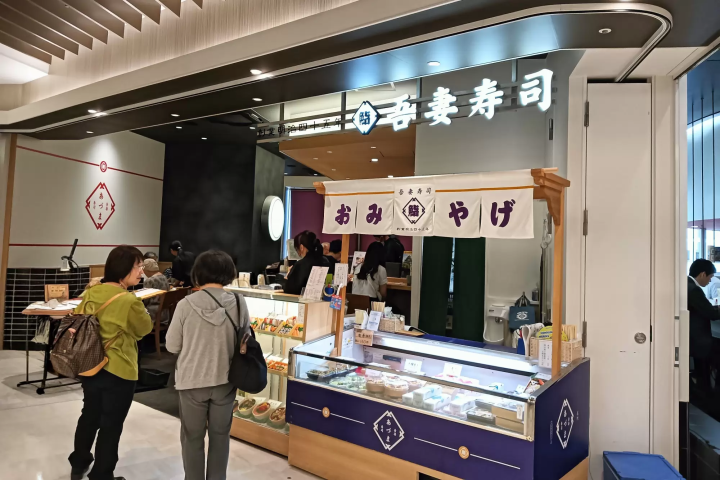
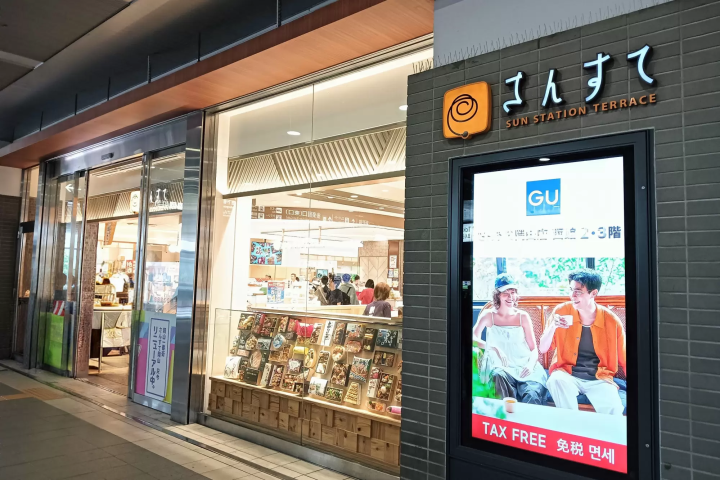
1. Azuma Sushi (Sun Station Terrace)
Founded in 1912, Azuma Sushi serves as a bridge between the Meiji era and the modern day. Their branch at the Sun Station Terrace is conveniently located for those arriving by rail.
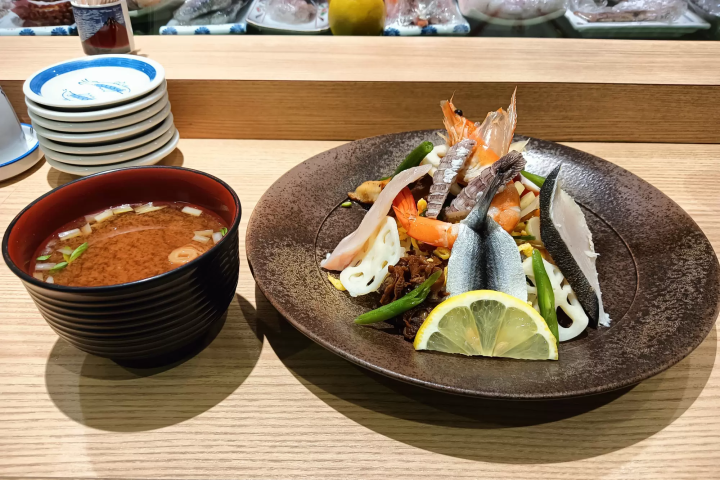
- The Experience: Chefs prepare the dish at the counter, ensuring the presentation is as precise as the seasoning.
- Signature Pairing: The dish is served with a red miso soup featuring locally grown Yellow Chives.
- Pricing: 2,300 yen.
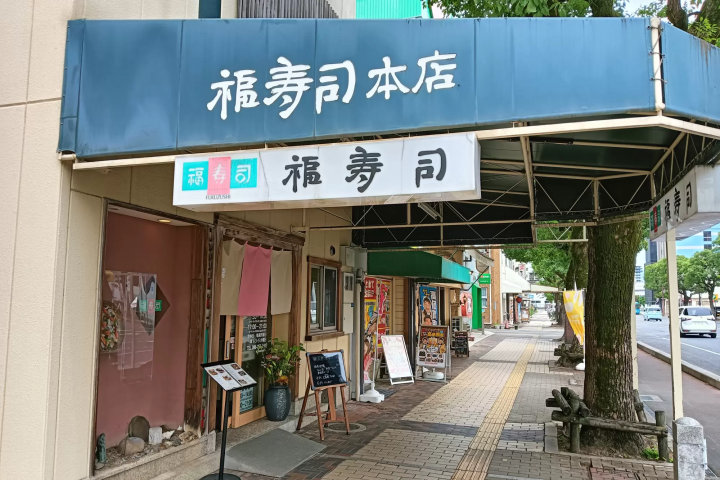
2. Fukuzushi Honten (Hokancho Shopping Street)
For those willing to walk a short distance from the station, Fukuzushi Honten offers an atmosphere of refined tradition.
- The Experience: While their formal Bizen Bara Sushi requires a three-day advance reservation, they offer an accessible "Okayama Chirashi" for walk-in diners. The seasoning here is notably mild, highlighting the freshness of the individual ingredients.
- Pricing: 2,750 yen.
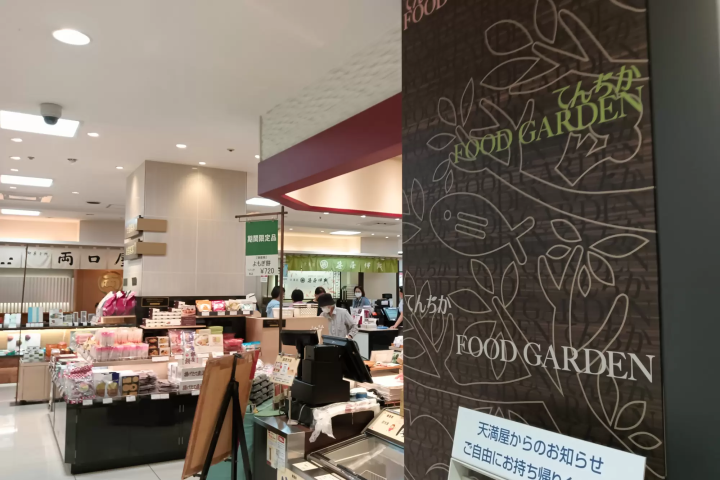
3. Yoru Sushi (Tenmaya Department Store Basement)
Located in the bustling basement food floor of the Tenmaya department store, this shop offers a more intimate look at the local culinary scene.
- The Experience: When asked about their secret to success, the staff humbly noted that the "best" sushi is the home-cooked version prepared by the owner’s family—a heartwarming sentiment that underscores the dish’s role as a staple of home cooking.
- Pricing: 1,998 yen.
4. Tabibento Ekiben Nigiwai
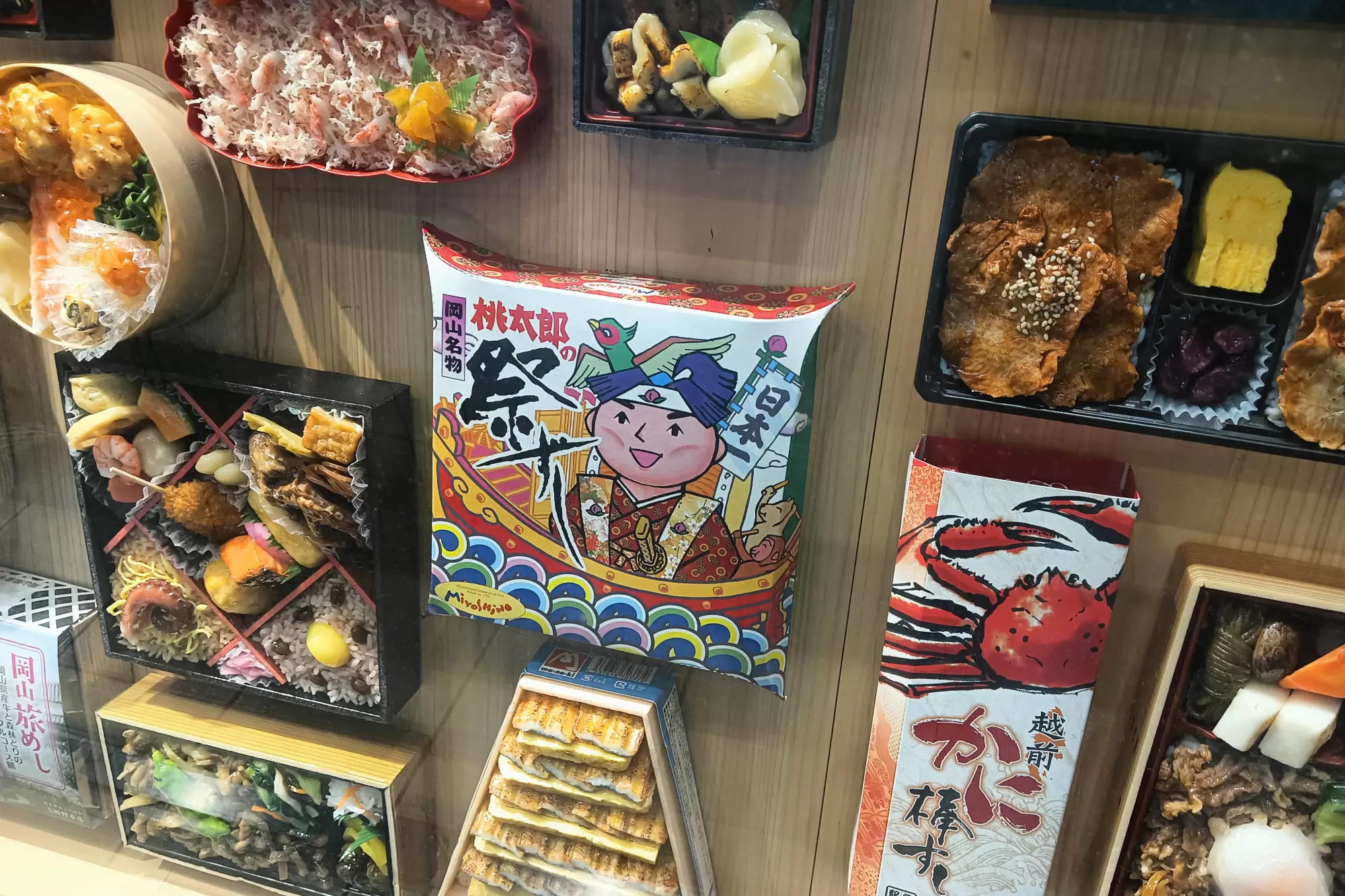
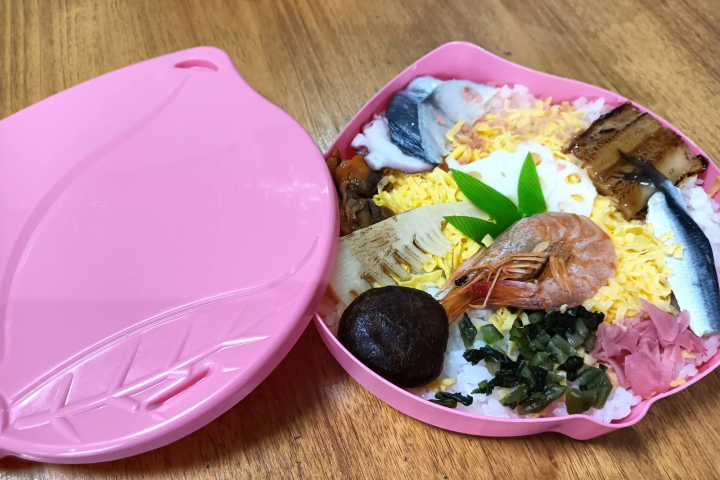
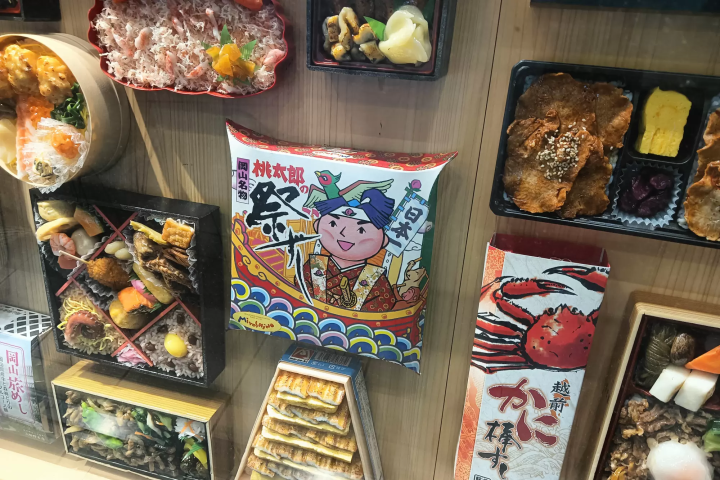
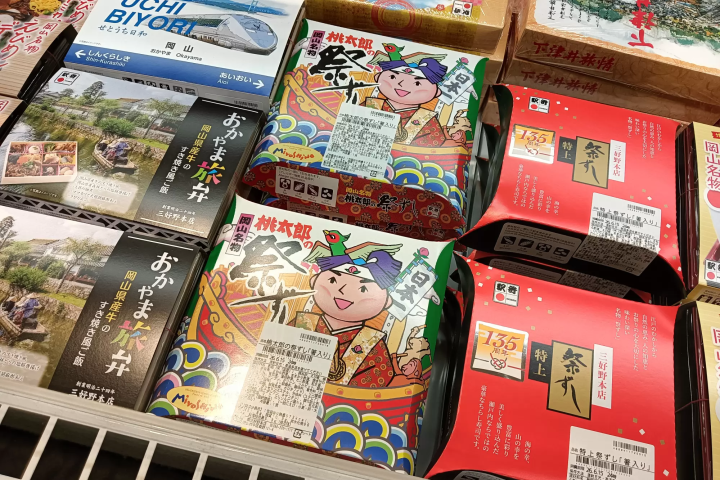
For the traveler on the move, this outlet specializes in the famous Momotaro no Matsuri Sushi.
- The Experience: Served in an iconic, peach-shaped container—a nod to the legend of Momotaro, the folk hero associated with Okayama—this bento is designed for convenience without sacrificing the bold, savory profile expected of station food.
- Pricing: 1,250 yen.
Implications of the "Soul Food" Status
The persistence of Okayama Barazushi in the modern market is a testament to the preservation of intangible cultural heritage. As the Japanese diet becomes increasingly globalized, the survival of regional specialties like Bara sushi acts as a cultural anchor.
Economic Impact
The popularity of these dishes among domestic tourists and international visitors provides significant economic support for local producers, from the fishermen of the Seto Inland Sea to the vegetable farmers specializing in traditional regional crops. The "bento" culture, in particular, has elevated the dish from a home-cooked specialty to a high-demand commodity that sustains local transit-based commerce.

A Living Tradition
The ongoing appeal of the dish, even among residents who haven’t eaten it in years, indicates that Okayama Barazushi holds a specific place in the local psyche. It is a dish of memory. Every bite of mamakari or sawara serves as a reminder of the region’s geography, its history of defiance against the Bizen domain authorities, and the warmth of family celebrations.
Conclusion: A Must-Experience Gastronomic Journey
Whether you are enjoying a meticulously crafted bowl at a century-old restaurant or grabbing a peach-shaped bento for your return trip on the Shinkansen, Okayama Barazushi offers an unparalleled connection to the history and heart of Japan’s Chugoku region.

It is a dish that invites you to slow down and appreciate the complexity of simple, local ingredients. If you find yourself in Okayama, do not settle for standard fare. Seek out the "Bara," experience the interplay of the sea and the soil, and taste the resilient spirit of the commoners who turned a simple meal into a legendary, century-spanning tradition.
As you navigate the shops and counters near JR Okayama Station, remember that you aren’t just eating a meal—you are participating in a local custom that has, quite literally, stood the test of time.