

In the pantheon of video game history, few titles loom as large as id Software’s Wolfenstein 3D. Released in 1992, it is widely heralded as the "grandfather" of the first-person shooter (FPS) genre, a high-octane blast of corridor-clearing action that set the stage for Doom, Quake, and the entire modern industry. But what if the "3D" had never been the primary focus? What if, instead of pioneering the immersive first-person perspective, id Software had leaned into the isometric traditions of the era?
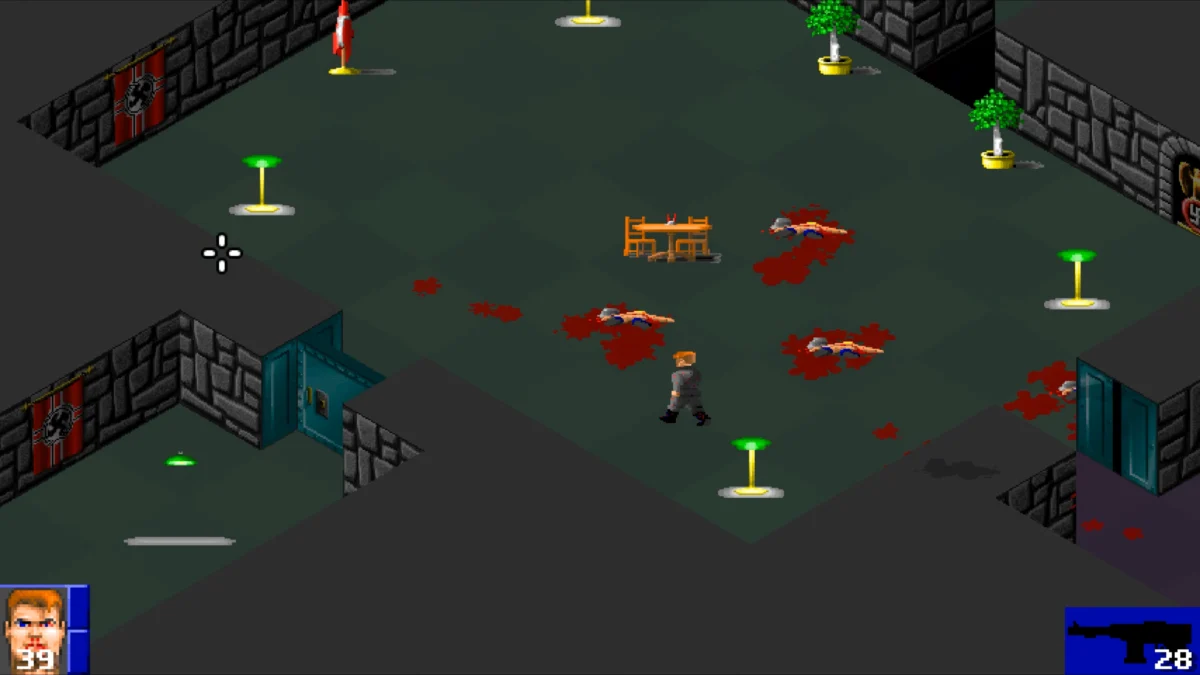
This is the central conceit of Isowulf, an ambitious fan-made project by developer LoGeKyl. By stripping away the first-person camera and re-engineering the classic game into a top-down isometric experience, Isowulf offers a fascinating "what-if" scenario. It transforms a quintessential twitch-shooter into a tactical, perspective-shifted experience that feels closer to Diablo or the original 1981 Castle Wolfenstein than the frantic arcade shooter we remember.
The Core Concept: Redefining the 90s Lens
The project began as an experiment in design philosophy. LoGeKyl, a long-time admirer of the early id Software catalog, sought to explore the structural integrity of the original Wolfenstein 3D level design. The goal was never to improve upon the classic—the creator playfully admits his goal was to create a "worse" version, an ironic nod to the fact that the FPS perspective is fundamental to the game’s identity.
"What made Wolfenstein 3D special to me was that it was one of the first times I realized that people made games," LoGeKyl noted on his ModDB project page. For him, the names John Carmack, John Romero, Adrian Carmack, and Tom Hall were not just developers; they were architects of his childhood. By immersing himself in the history of these creators—often listening to Masters of Doom or Romero’s Doom Guy memoir—he sought to distill the essence of their work into a new, isometric form.
The result is a game that is technically impressive and conceptually jarring. By pulling the camera back and tilting the world, the corridors that once felt claustrophobic and menacing take on a diorama-like quality. Players navigate the same iconic mazes, but the spatial awareness provided by the isometric view changes the entire tempo of the combat.
Chronology: From Concept to Fully-Featured Mod
The development of Isowulf has been a gradual, iterative process, reflecting the dedication of the modern modding community.
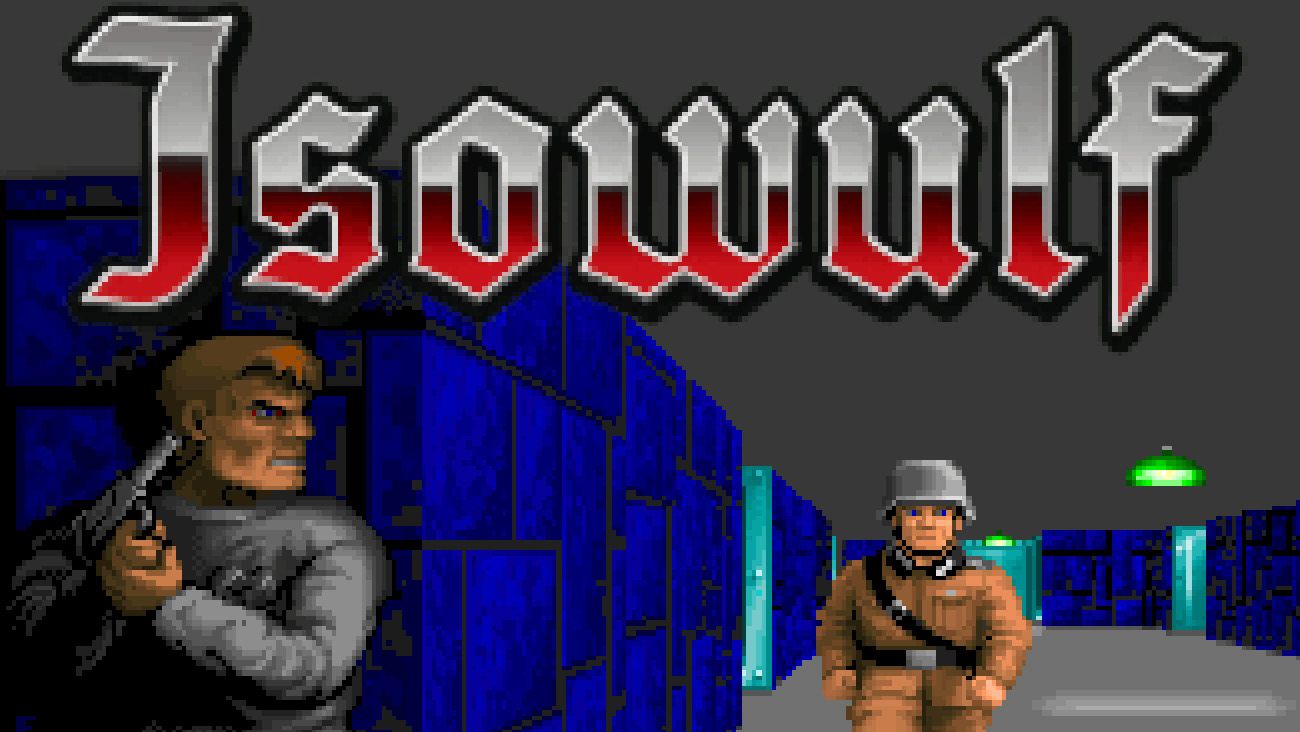
- Initial Concept Phase (2023): LoGeKyl began experimenting with the isometric camera projection, testing how the engine would handle the translation of 2D sprites into a 3D-projected space. The initial focus was purely on rendering the environment and getting the movement feeling correct.
- The Prototype Release (Mid-2024): The project debuted publicly, offering players a taste of the first episode of Wolfenstein 3D. Early feedback focused on the UI and the need for better integration of player controls to suit the new camera angle.
- Feature Expansion (Late 2024): Recognizing that the project had legs, LoGeKyl committed to a full content rollout. This phase saw the integration of all original episodes, a massive undertaking that required adjusting enemy spawn points and line-of-sight calculations to match the isometric view.
- Optimization and Quality of Life (2025–2026): The current build, showcased in recent YouTube demonstrations, features full saving and loading functionality, rebindable keys, and refined sprite-work for B.J. Blazkowicz, who finally appears on-screen as a controllable unit rather than just a static HUD portrait.
Technical Analysis: Why the Design Holds Up
One of the most surprising findings during the development of Isowulf was that the original level design by John Romero and Tom Hall required almost no modification to function in an isometric view.
"I figured I’d have to tweak movement speeds, enemy AI, maybe switch from hit-scan to projectiles—but nope," LoGeKyl explains. "It all just works."
This speaks to the fundamental "correctness" of the original design. The mazes were built with a logic that transcends perspective. Whether the player is peering through the eyes of B.J. Blazkowicz or looking down from a tactical vantage point, the flow of enemies, the placement of secret doors, and the urgency of the navigation remain intact.
The primary addition to the game is the player-character sprite. In the original 1992 release, the player was a ghost in the machine, represented only by a digitized face at the bottom of the screen that would bloody up as health diminished. In Isowulf, B.J. is physically present, moving through the halls. This shift creates a sense of vulnerability. In the original, the player felt like an unstoppable force of nature; in Isowulf, the player feels like a soldier trapped in a labyrinth, adding a layer of tension that is surprisingly effective.
Implications: The ‘What-If’ of Gaming History
If we were to transport Isowulf back to 1992, the trajectory of PC gaming might have looked drastically different. The industry at the time was obsessed with the transition to 3D. Wolfenstein 3D was a proof-of-concept that pushed the limits of the hardware, paving the way for the "id Tech" revolution.
If id Software had released an isometric Wolfenstein instead, the industry might have spent the mid-90s perfecting the isometric tactical shooter rather than the first-person run-and-gun. Perhaps the "FPS boom" would have been delayed, or perhaps it would have arrived via a different studio entirely.
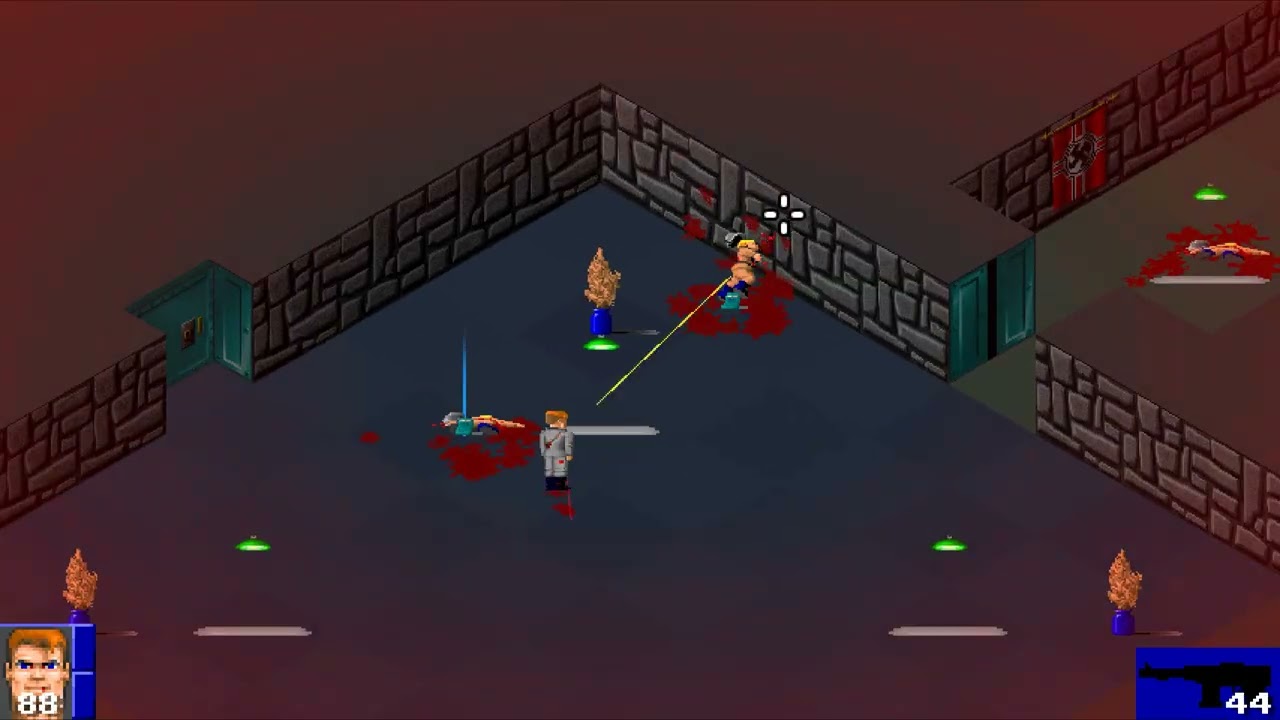
Consider the role of Blizzard North. If the market had been saturated with high-quality isometric shooters in 1992, would Diablo have looked different? The creative cross-pollination between studios in the 90s was immense. A successful, isometric Wolfenstein might have encouraged developers to explore the intersection of RPG progression and top-down combat much sooner. By removing the "3D" from Wolfenstein, LoGeKyl has highlighted just how much the genre owes to the specific choices made by Carmack and company—and how robust those original designs truly were.
Official and Community Responses
The reception within the modding community has been overwhelmingly positive. Platforms like ModDB have become hubs for players to discuss the nuance of the game’s difficulty. Because the isometric perspective provides more information about enemy locations, some players argue the game is "easier," while others argue it is more tactical, requiring more careful positioning than the "run-and-gun" style of the original.
There has been no official word from id Software or Bethesda (the current owners of the IP) regarding Isowulf, which is standard for fan-made projects of this scale. In the current landscape of copyright, fans are often wary of "Cease and Desist" letters. However, Isowulf stands as a testament to the longevity of the source material. It is a tribute project, not a replacement, and its existence serves to highlight, rather than detract from, the importance of the original.
Conclusion: A Love Letter to the Pioneers
Isowulf is more than just a novelty; it is an academic exercise in game design. By forcing a classic into a new perspective, it reveals the structural brilliance that often goes unnoticed when we are blinded by the nostalgia of 3D rendering.
As LoGeKyl continues to polish the project, he invites us to see the roots of our favorite hobby through a different lens. Whether or not you enjoy the gameplay, the existence of Isowulf serves as a poignant reminder of why we care about these old games in the first place. They were, and remain, the foundation upon which everything else is built.
For those looking to experience the history of id Software from a fresh, tilted angle, Isowulf is available on ModDB. It is a strange, compelling, and ultimately rewarding look at a classic—proving that even after thirty years, there is still something new to be discovered in the halls of Castle Wolfenstein. "Frag a while, and listen," as the creator puts it, and you might just find yourself appreciating the architecture of the 90s all over again.










No comments yet. Be the first to join the conversation!