Lina Hope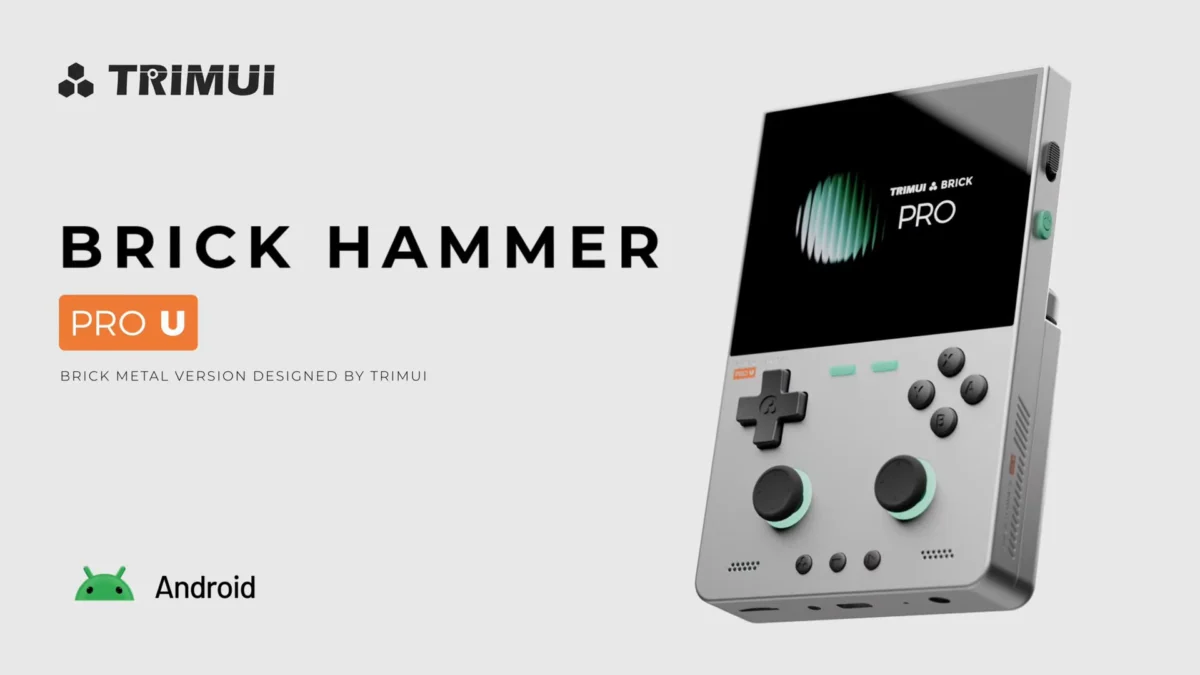
The landscape of retro gaming handhelds is evolving at a breakneck pace. For years, the market was dominated by budget-friendly, plastic-clad devices that prioritized nostalgia over power. However, with the recent unveiling of the TRIMUI Brick Hammer Pro U, the industry is signaling a shift toward high-end, CNC-machined build quality combined with modern mobile architecture. Yet, as excitement builds for this premium device, a chaotic rollout characterized by conflicting price tags and regional disparities has left potential buyers rightfully cautious.
Main Facts: The Premium Ambition
The TRIMUI Brick Hammer Pro U is not just a modest update to the previous TRIMUI Brick; it is a fundamental pivot into the "pro-sumer" category of gaming hardware. Designed to bridge the gap between simple emulation machines and modern Android-based gaming platforms, the device boasts an impressive technical profile.
Under the hood, the Hammer Pro U is powered by the Qualcomm Snapdragon G2 Gen 1 processor, paired with the Adreno A21 GPU. This architecture represents a significant leap forward, allowing for the emulation of more demanding systems that typically struggle on standard Linux-based handhelds. With 6GB of LPDDR5 RAM and 128GB of internal storage, the device is clearly positioned to handle more than just 8-bit and 16-bit classics.
The centerpiece of the device is its 3.95-inch display, which features a crisp 1,024 x 768 resolution at a 60Hz refresh rate. While the aspect ratio is unconventional by modern smartphone standards, it is a deliberate choice tailored to retro gaming, providing a near-perfect pixel-perfect experience for consoles that utilized 4:3 displays. Perhaps most importantly, the device runs Android 15 out of the box, offering users a vast ecosystem of emulators, streaming apps, and front-ends.
A Chronological Breakdown of the Launch
The journey to the Brick Hammer Pro U’s release has been marked by a lack of centralized communication, leading to the current confusion in the marketplace.
- Initial Teasers (Early 2026): Rumors began circulating about a successor to the original TRIMUI Brick. Enthusiast forums were abuzz with speculation regarding a more robust metal chassis.
- The Formal Reveal (June 2026): TRIMUI officially announced two distinct models: the budget-focused, Linux-based "Brick Pro" and the flagship "Brick Hammer Pro U." While the $89.99 price for the Brick Pro was confirmed immediately, the premium model’s price remained elusive.
- The Discovery (Late June 2026): Reports from Retro Dodo and other tech outlets uncovered disparate listings on various storefronts associated with the TRIMUI brand.
- The Price Discrepancy (Present Day): The internet is currently flooded with conflicting price points, ranging from $199.99 on official-looking channels to as high as $359.99 on third-party aggregator sites.
Supporting Data: Hardware Specifications Comparison
To understand why there is such a massive divide in pricing expectations, one must look at the technical gulf between the two newly announced devices.
| Feature | TRIMUI Brick Pro | TRIMUI Brick Hammer Pro U |
|---|---|---|
| OS | Linux-based | Android 15 |
| Processor | Allwinner A133P | Snapdragon G2 Gen 1 |
| GPU | PowerVR GE8300 | Adreno A21 |
| RAM | 1GB | 6GB |
| Storage | 8GB | 128GB |
| Build Material | Plastic | CNC-Machined Aluminum |
| Display | 3.95-inch, 1024×768 | 3.95-inch, 1024×768 |
The disparity in materials is key. The transition from plastic to CNC-machined aluminum is a costly manufacturing process. Aluminum provides a "premium" feel, better thermal dissipation, and structural rigidity that plastic simply cannot match. However, it also introduces challenges in weight management and antenna placement for Wi-Fi and Bluetooth, which likely contributed to the development timeline and the higher price tag.
Furthermore, the inclusion of DP-Alt Mode (DisplayPort Alternate Mode) on the USB-C port is a major selling point. The ability to output 1080p video at 60Hz to an external monitor or television transforms the handheld into a docked console experience, a feature that significantly increases the device’s utility beyond a portable-only unit.
Official Responses and the "Gray Market" Issue
The current situation highlights a recurring problem in the retro handheld scene: the lack of a centralized, global storefront. TRIMUI, like many companies in this sector, relies on a network of third-party distributors and multiple "official" websites, which often operate with varying levels of autonomy.
When reached for comment or when analyzing the various storefronts, it becomes clear that there is no singular "MSRP." The listing of $199.99 on one site vs. $284.99 on another suggests that the company is either testing price sensitivity in different regions or, more likely, that these listings are placeholders managed by different regional distributors who are factoring in import duties, shipping, and their own profit margins.
The presence of retailers like Mechdiy, which have listed the device at even higher price points—including bundles with 128GB SD cards—further complicates the matter. For consumers, this is a "buyer beware" situation. Ordering from a third-party site before an official, verified global release can result in long wait times, lack of warranty support, and the risk of paying a significant premium for a product that has not yet entered mass distribution.
Implications for the Retro Handheld Market
The release of the Brick Hammer Pro U is indicative of a broader trend: the "premiumization" of the retro gaming market. For years, the community was satisfied with sub-$100 devices that played up to PS1 or N64 games. Now, consumers are demanding devices that can handle GameCube, PS2, and even some Wii emulation, all while looking like a piece of high-end consumer electronics.
1. The Death of the "Cheap" All-Rounder
As the hardware requirements to emulate modern consoles increase, the price floor for "capable" devices is rising. If the $199.99 price point holds, it creates a new tier for the industry. Consumers will have to decide if the build quality of a CNC-machined device is worth an extra $100 over a plastic equivalent with similar specs.
2. The Android Dominance
The shift from Linux to Android 15 in the Hammer Pro U is a strategic move. Android offers a mature ecosystem for developers, meaning that as soon as the device launches, it will have access to a library of high-quality emulators (like DuckStation, AetherSX2, and Dolphin) that are already optimized for Snapdragon hardware. This removes the "software growing pains" that often plague Linux-based handhelds at launch.
3. The Need for Better Retail Standards
The current confusion surrounding the Hammer Pro U serves as a wake-up call for companies like TRIMUI. As these products move from niche enthusiast toys to mainstream consumer electronics, the supply chain and retail experience must become more professional. Consumers are no longer willing to gamble with their money on confusing, poorly maintained websites. The brand that can offer a reliable, transparent, and globally supported purchasing experience will likely win the "premium" war in the long term.
Conclusion: How to Proceed
If you are currently eyeing the TRIMUI Brick Hammer Pro U, the advice from industry experts is clear: wait.
The price disparity between $199.99 and $359.99 is not merely a regional fluctuation; it is a sign that the market has not yet settled on the final retail cost. Until TRIMUI provides a unified announcement and a reliable path to purchase, any money sent to third-party retailers is a risk.
The Hammer Pro U represents an exciting step forward in build quality and performance for the handheld community. Its combination of a high-resolution display, powerful Snapdragon internals, and a premium aluminum chassis makes it a highly desirable piece of hardware. However, it is the responsibility of the manufacturer to ensure that the excitement for the device isn’t overshadowed by a fractured and unreliable launch experience. Until official word arrives, it is best to keep your wallet closed and watch for a confirmed, stable release date.

 Azzam Bilal Chamdy
 Jia Lissa