

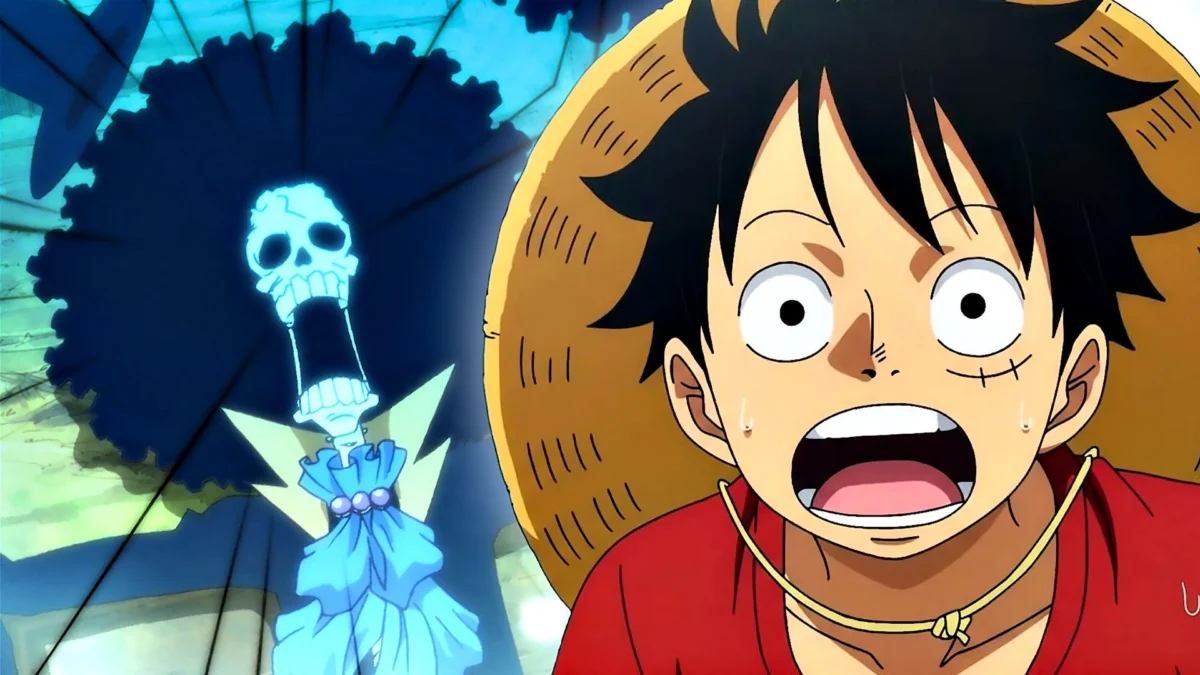
Introduction: A Global Phenomenon
In the landscape of modern entertainment, few intellectual properties possess the gravitational pull of Eiichiro Oda’s One Piece. Since its debut in Weekly Shōnen Jump in 1997, the series has transcended its origins as a Japanese manga to become a global cultural touchstone. With over 500 million copies in circulation, it stands as the best-selling manga series in history.
The recent success of the Netflix live-action adaptation has breathed new life into the franchise, introducing a generation of viewers to the East Blue Saga. As part of this cultural resurgence, fans have turned to interactive trivia—such as "The Ultimate Straw Hat Challenge"—to test their knowledge of the lore, characters, and the intricate world-building that defines the series. This article explores the core pillars of the One Piece universe, the significance of its narrative progression, and why the journey of Monkey D. Luffy continues to resonate with millions.
The Core Pillars of the One Piece Universe
To understand One Piece, one must understand its foundational elements. The series is built upon a "Crew, Seas, Fruits, and Dreams" framework, which serves as the bedrock for all character development.
1. The Devil Fruits
The Gomu Gomu no Mi (Gum-Gum Fruit) is more than just a plot device; it is a catalyst for the series’ unique combat system. By consuming this fruit, Monkey D. Luffy gained a rubber-like physiology. However, this power comes with the ultimate pirate trade-off: the permanent loss of the ability to swim. This irony—a pirate who cannot survive in the ocean—is a masterclass in narrative tension.
2. The Nakama (Crew) Dynamic
The term "Nakama" is synonymous with One Piece. It transcends the simple definition of "friend" or "colleague," representing a bond of chosen family. Whether it is Roronoa Zoro, the relentless swordsman striving to become the world’s greatest, or Sanji, the culinary virtuoso of the floating restaurant Baratie, each member brings a unique dream that aligns with the collective goal of finding the legendary "One Piece" treasure.
3. The Grand Line and Beyond
The world-building in One Piece is unparalleled. From the humble beginnings of Foosha Village to the dangerous waters of the Grand Line, Oda has crafted a geography that feels alive. Each location—be it the map-making obsession of Nami in Coco Village or the tall tales of Usopp in Syrup Village—is tethered to specific character motivations, ensuring that the environment is always an extension of the hero’s internal struggle.
Chronology: The Journey from East Blue
The trajectory of the Straw Hat Pirates is defined by a series of high-stakes encounters. For those participating in the Straw Hat Challenge, understanding the chronology of these meetings is essential for mapping the evolution of the crew.
- The Departure: Luffy begins his journey from Foosha Village, wearing the straw hat gifted to him by "Red-Haired" Shanks. This moment remains the emotional anchor of the entire saga.
- The Recruitment of the Swordsman: Zoro’s introduction in Shells Town, where he was held captive, established the moral code of the crew: loyalty above all else.
- The Floating Restaurant: The Baratie arc served as the crucible for Sanji. By introducing the concept of a chef-pirate, the story elevated the crew’s domestic dynamic, proving that a pirate ship is a home as much as it is a weapon.
- The Cartographer’s Dream: Nami’s journey from a village dominated by Arlong to a free navigator is the heart of the East Blue’s conclusion, emphasizing that the crew’s true strength lies in their individual aspirations.
Supporting Data: The Netflix Impact
The 2023 live-action adaptation provided a significant boost to the franchise’s visibility. Industry analysts noted a massive uptick in manga sales following the show’s premiere. The casting choices, particularly Iñaki Godoy as Luffy, were lauded by critics for capturing the "boundless enthusiasm" of the character.
| Character | Role | Actor (Live-Action) | Key Trait |
|---|---|---|---|
| Monkey D. Luffy | Captain | Iñaki Godoy | Boundless Optimism |
| Roronoa Zoro | Swordsman | Mackenyu | Three-Sword Style |
| Sanji | Cook | Taz Skylar | Culinary Excellence |
| Usopp | Sniper | Jacob Romero Gibson | Storytelling |
The success of these performances has turned trivia platforms into hubs for fan engagement, where viewers test their memory on details ranging from Vice Admiral Garp’s familial relationship with Luffy to the specific fighting styles of the crew.
Official Responses and Creative Vision
Eiichiro Oda has been intimately involved in the development of the live-action project, serving as an executive producer. His involvement ensured that the "spirit" of the manga—specifically the balance between humor and high-stakes drama—remained intact. In various interviews, the production team has emphasized that the goal was not to replace the original animation, but to honor the source material while making it accessible to a live-action audience.
The decision to cast international actors who matched the diverse nationalities envisioned by Oda for his characters was a strategic move that solidified the show’s global appeal. This attention to detail has transformed the "Straw Hat Challenge" from a simple game into a communal exercise in celebrating the series’ deep lore.
Implications for Future Storytelling
The enduring popularity of One Piece suggests a shifting trend in the entertainment industry. Audiences are increasingly drawn to long-form, serialized storytelling that rewards deep investment. Unlike episodic shows that reset every week, One Piece demands that its viewers remember the names of villages, the histories of villains, and the specific, long-standing promises made by the protagonists.
The Gamification of Fandom
Platforms that host trivia challenges are evidence of how modern fandom operates. It is no longer enough to "watch" or "read"; fans want to participate. By engaging with quizzes that ask about the Gomu Gomu no Mi or the significance of the Baratie, fans are reinforcing their identity as part of a global community. This gamification creates a "pirate record"—a way for individuals to quantify their passion and knowledge.
Looking Toward the Horizon
As the series approaches its final saga, the stakes have never been higher. The mystery of the "One Piece" treasure, the true history of the Void Century, and the ultimate fate of the World Government remain the primary drivers of discourse. For the casual viewer, these trivia challenges serve as a gateway; for the hardcore fan, they are a way to sharpen their knowledge before the final confrontation.
Conclusion: The Spirit of the Straw Hat
Whether you are an expert on the lore of Syrup Village or a newcomer who just discovered the magic of the Gum-Gum Fruit, the One Piece universe offers something for everyone. It is a story about the courage to dream, the importance of choosing your own family, and the resilience required to sail against the current.
The "Ultimate Straw Hat Challenge" is more than just a test of memory—it is a testament to the legacy of a story that has spanned over two decades. As the Straw Hat Pirates continue their voyage toward the Grand Line’s end, the fans remain their constant companions, tracking every victory and every setback. As the saying goes: "I’m gonna be King of the Pirates!"—and it seems millions of fans are more than happy to join the crew.
Are you ready to set sail?
If you have navigated these facts and emerged with a high score, you are well on your way to becoming a true member of the Straw Hat crew. Keep your eyes on the horizon, continue to hone your knowledge, and never lose sight of your dream. The sea is vast, but the adventure is only just beginning.











No comments yet. Be the first to join the conversation!