Ammar Sabilarrohman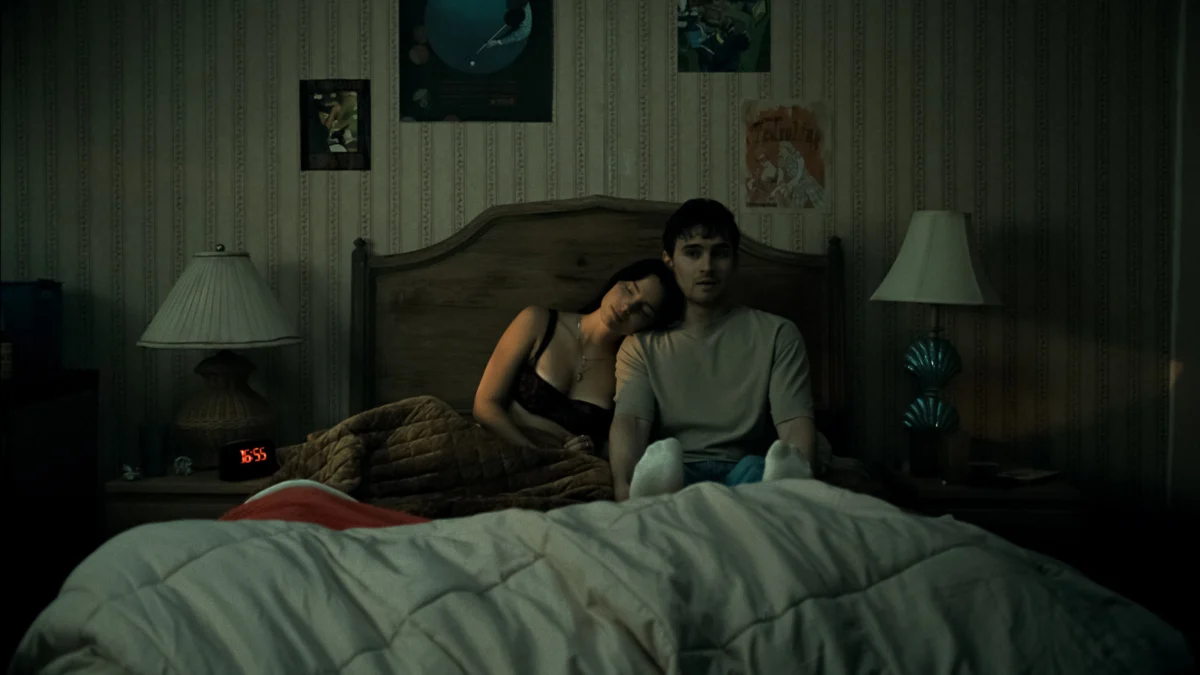
In the landscape of modern horror, where the jump-scare is often prioritized over atmospheric dread, Curry Barker’s Obsession arrives as a refreshing, chilling anomaly. Following a successful run on the festival circuit, the film has officially cemented its status as one of the most compelling genre entries of the year. While it functions as a masterclass in tension, balancing dark humor with visceral terror, its most significant achievement lies in its visual language—specifically a sequence that pays silent, terrifying homage to one of the greatest horror films ever produced: Kiyoshi Kurosawa’s 2001 techno-nightmare, Pulse (Kairo).
The Main Facts: A Modern Descent into Madness
Obsession centers on the story of Bear (Michael Johnston), a young man who makes a desperate, ill-advised wish that his lifelong crush, Nikki (played by Inde Navarrette in a breakout, star-making performance), will love him more than anyone else in the world. What begins as a wish for affection quickly spirals into a harrowing exploration of obsession, control, and supernatural possession.
The film succeeds where many others fail because it respects the audience’s intelligence. It eschews the reliance on cheap, loud stings in favor of a slow-burn, suffocating sense of unease. Barker, as a filmmaker, understands that the most effective horror often occurs in the quiet spaces between dialogue—the moments where the environment itself feels hostile. It is within these quiet, shadowed corners that Obsession finds its most potent terrifying potential.
Chronology: The Anatomy of a Scare
To understand the significance of the Obsession sequence, one must first look at the cinematic DNA provided by Kurosawa’s Pulse. In the 2001 film, the antagonist is not a physical monster but an existential void. Ghosts begin to manifest in the human world via the internet, a concept that felt ahead of its time at the turn of the millennium and remains hauntingly relevant today.
The Pulse Connection
One of the most famous sequences in Pulse involves a character encountering a ghost in a darkened room. The ghost does not lunge; she does not scream. Instead, she approaches with a gait that defies natural human movement. Using a dancer to portray the specter, Kurosawa opted for a slow, jerky, and deeply unnatural physicality. The ghost appears to lose her balance, stumbling forward, only to regain her composure with a terrifying, rhythmic stability. It is a moment of pure, unadulterated dread that remains etched in the minds of horror enthusiasts globally.
The Obsession Parallel
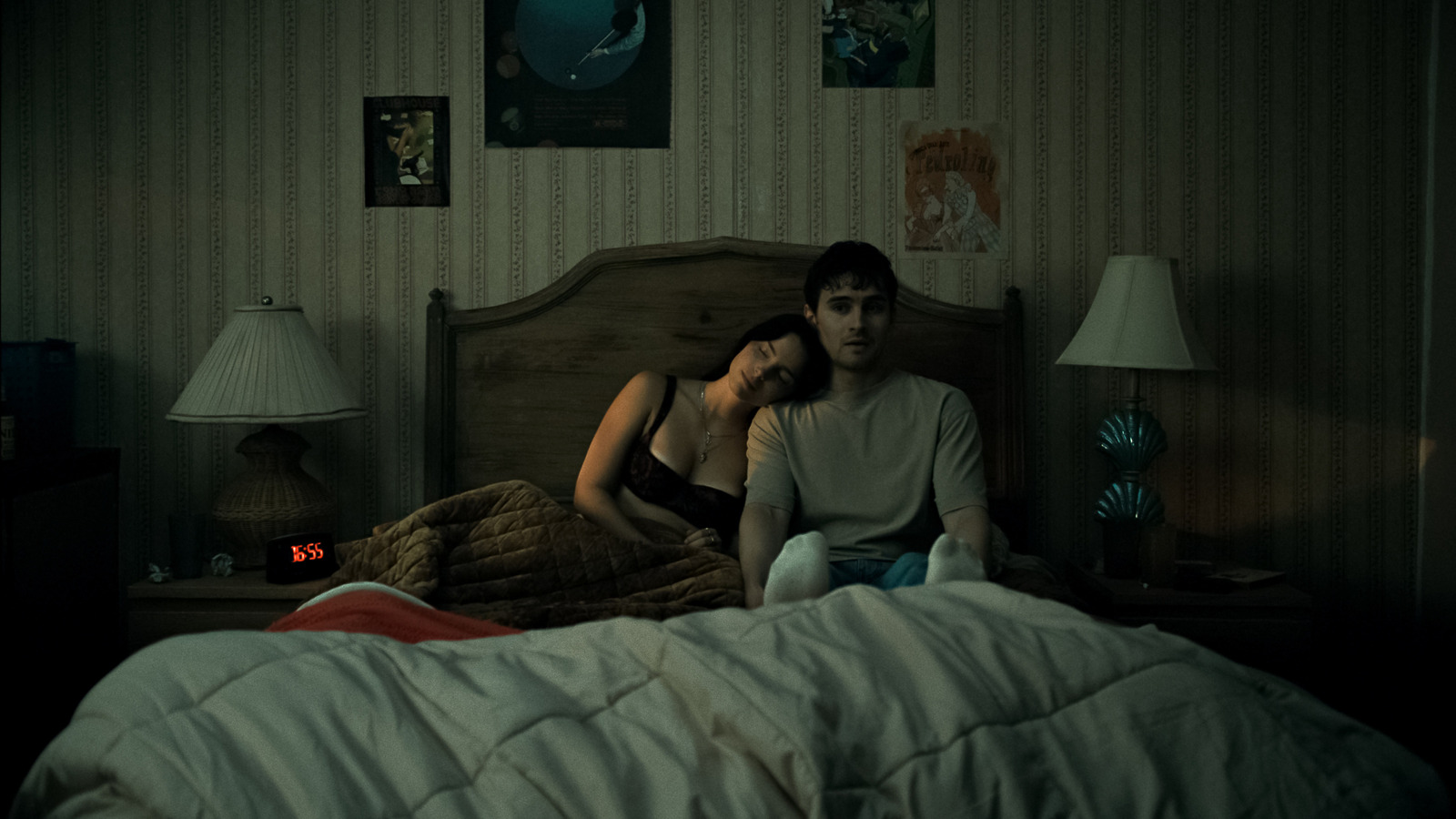
In Obsession, the parallel arrives during a pivotal nighttime scene. Bear awakens to find Nikki standing in the corner of his bedroom. The room is engulfed in deep, heavy shadows, obscuring her features and turning her into a silhouette of encroaching menace. As she speaks, her movements mirror the unnerving, stuttered motion of the Pulse entity. While Nikki is not a ghost—she is a living vessel for a dark, supernatural force—her physical manifestation mimics that same sense of "uncanny valley" horror. It is a deliberate stylistic choice that elevates the film from a standard thriller to a work of high-concept psychological horror.
Supporting Data: Why Atmospheric Horror Resonates
The effectiveness of this specific scene lies in the concept of "The Uncanny." As defined by Ernst Jentsch and later expanded upon by Sigmund Freud, the uncanny refers to something that is familiar yet strangely alien.
In Pulse, the familiarity comes from the human form of the ghost; in Obsession, it is the familiar face of the woman Bear loves, now twisted into something unrecognizable. Research into horror psychology suggests that audiences are significantly more disturbed by "creature" movements that are almost human but slightly off-center than by traditional monsters. By utilizing this technique, Barker taps into a primal fear: the loss of control over one’s own body and the fear that a loved one could be replaced by something unknowable.
Furthermore, the lighting choices in both films reflect a mastery of negative space. By keeping the subjects in darkness, the directors force the audience to project their own fears onto the obscured figures. This is a recurring theme in critical horror studies: the less you see, the more your brain fills in the gaps with your deepest, most personalized anxieties.
Official Responses and Creative Intent
While Barker has not provided a minute-by-minute deconstruction of his influences, the visual evidence speaks for itself. Critics and audiences alike have noted that Obsession demonstrates an intimate knowledge of horror history. Barker’s ability to weave these tributes into the narrative without resorting to pastiche is a testament to his directorial maturity.
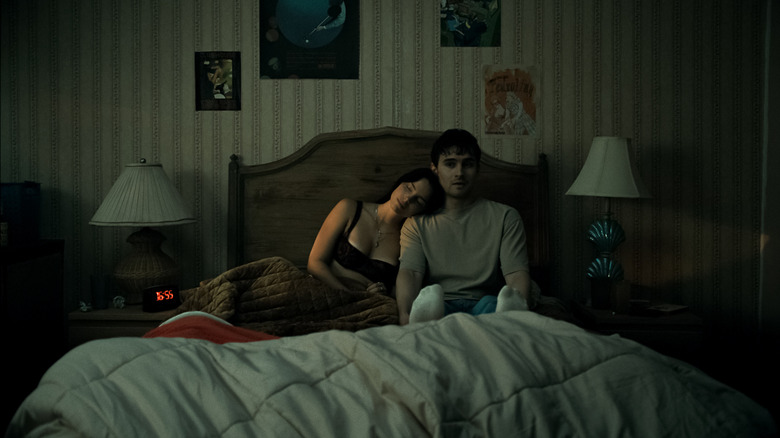
In discussions surrounding the film’s production, it has been noted that the performance by Inde Navarrette was pivotal to the scene’s success. Navarrette had to commit to the physical discomfort of the scene, performing the unnatural movements with a precision that makes the audience question the reality of what they are seeing. The synergy between Barker’s vision and the physical performance creates a sequence that, much like the one in Pulse, threatens to stay with the viewer long after the credits roll.
Implications for the Horror Genre
The success of Obsession signals a potential shift in the horror genre’s trajectory. For several years, the "elevated horror" movement has focused heavily on metaphor and trauma. While these themes remain present in Obsession, the film signals a return to pure, terrifying craft. It proves that there is still immense value in the "scare for the sake of the scare," provided it is executed with technical brilliance.
The Legacy of Global Influence
The influence of J-Horror on American cinema has been cyclical. Following the wave of remakes in the early 2000s, there was a period where the aesthetic of films like Pulse was misunderstood and over-duplicated. Barker’s Obsession suggests that a new generation of filmmakers has finally moved past mere imitation and is now synthesizing these influences into their own distinct voices.
Final Thoughts: A New Benchmark
Ultimately, Obsession is a rare achievement. It is a film that demands to be watched with the lights off, yet it respects the viewer’s intelligence enough not to rely on simple shock tactics. By invoking the spirit of Pulse, Barker has not only paid tribute to a masterpiece of the genre but has also provided his audience with a visceral reminder of what horror is capable of at its absolute best.
Whether you are a lifelong fan of the genre or a casual viewer looking for a thrill, Obsession is essential viewing. It is a stark, terrifying, and deeply impressive look at how the things we want most can eventually become the things we fear the most. With this film, Curry Barker has firmly established himself as a force to be reckoned with, proving that even in a saturated market, there is always room for a nightmare that feels both fresh and hauntingly familiar.


 Muslim