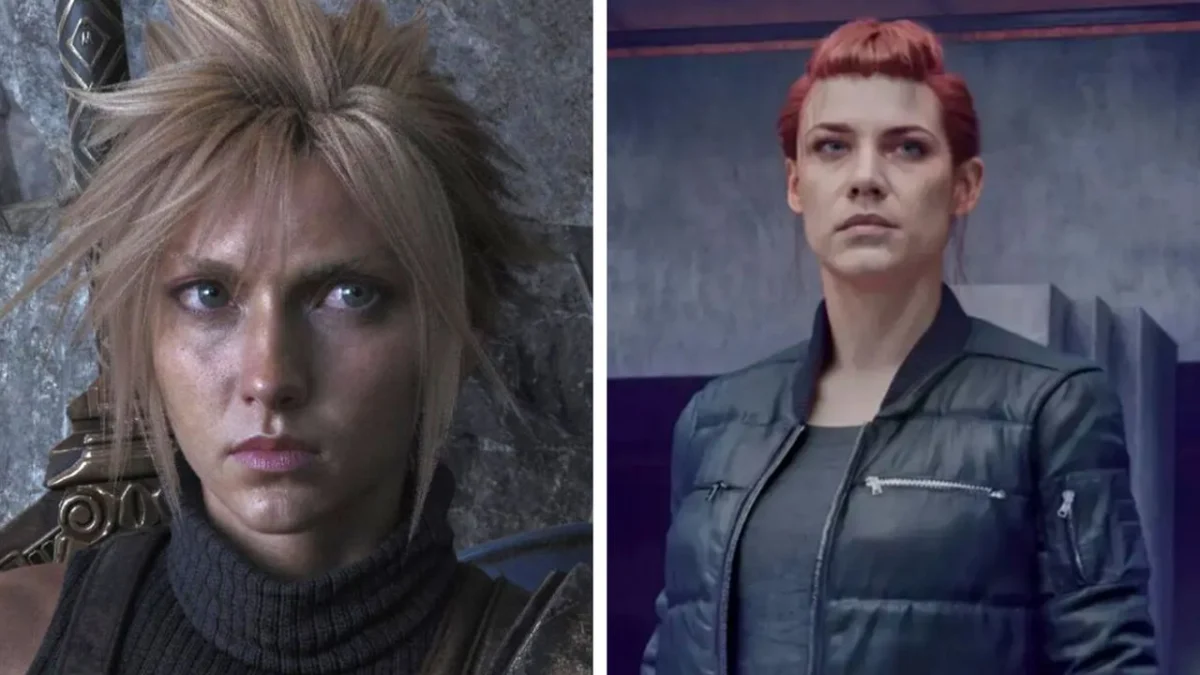
The PC gaming community is currently embroiled in a debate that sits at the intersection of technological marvel and visual horror. Nvidia’s upcoming Deep Learning Super Sampling (DLSS) 5—a revolutionary leap in neural rendering technology—has effectively "escaped the lab." Following a leak of the technology’s core files, modders have begun force-injecting the AI-driven filter into titles for which it was never designed, such as Control and Final Fantasy 7 Rebirth. The results have been as fascinating as they are disturbing, sparking a global conversation about the ethics and aesthetics of AI-generated visuals in interactive media.
The Chronology of the Leak: From NBA 2K27 to the Modding Scene
The saga began with a discovery in an early-access build of NBA 2K27. Sharp-eyed players browsing the game’s local files stumbled upon a series of mysterious DLL files and configuration scripts labeled as "DLSS 5 Neural Rendering."
Nvidia, which has yet to make an official public announcement regarding the specifics of DLSS 5, had clearly included these files in a pre-release build, likely for internal testing or developer feedback. However, in the hyper-connected world of PC gaming, the barrier between "internal testing" and "public domain" is porous. Within hours of the discovery, these files were extracted, repackaged, and uploaded to various modding forums, most notably ResetEra.
By the weekend, the tech was no longer confined to the basketball court. Enthusiasts began attempting to "force" the DLSS 5 layer onto games like Remedy Entertainment’s Control and Square Enix’s Final Fantasy 7 Rebirth. The goal was simple: to see if a next-generation neural engine could enhance games that were never built to accommodate its specific requirements. The outcome, however, was far from the polished, seamless integration Nvidia likely envisions.
The Technical Reality: How DLSS 5 Differs from its Predecessors
To understand why the results are so polarizing, one must first understand what DLSS 5 is attempting to do. Previous iterations of DLSS focused primarily on "upscaling"—taking a lower-resolution image and using AI to intelligently reconstruct it to a higher resolution, saving computational power.
DLSS 5 takes this a step further by moving into the realm of "Neural Rendering." Rather than simply sharpening edges or smoothing pixels, this technology essentially places an AI "filter" over the final frame. It is designed to interpret lighting, complex textures, and material properties in real-time, effectively re-rendering parts of the scene to achieve a level of photorealism that traditional rasterization cannot reach.
When developers integrate this officially, they create "boundaries." They provide the AI with metadata about where light sources are, how surfaces should react, and where the AI should refrain from modifying character models. In the current "leaked" state, these boundaries do not exist. The AI is essentially guessing what a scene should look like, leading to the "uncanny" artifacts that users are reporting.
The "Objectively Horrendous": User Reactions and Visual Artifacts
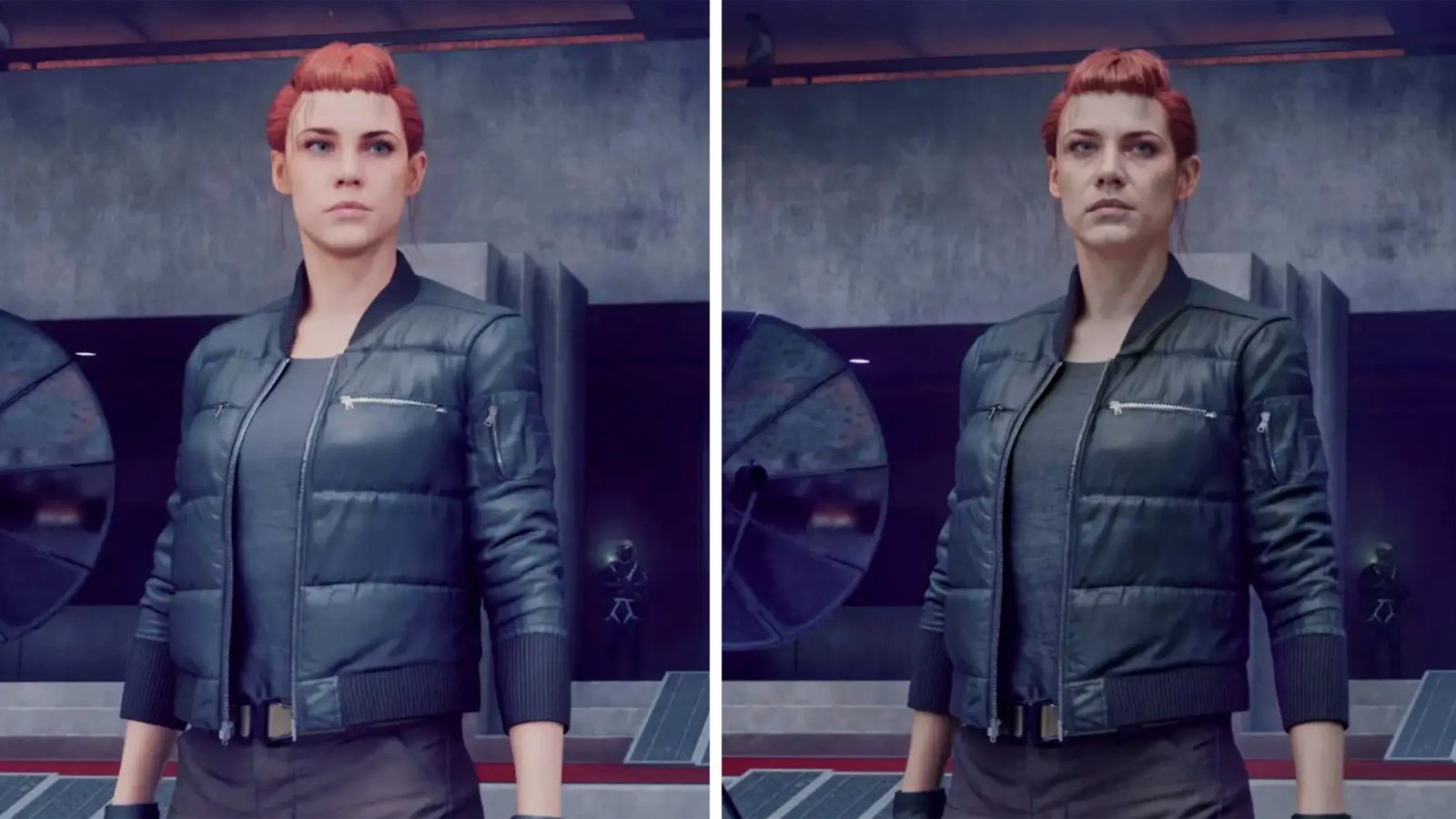
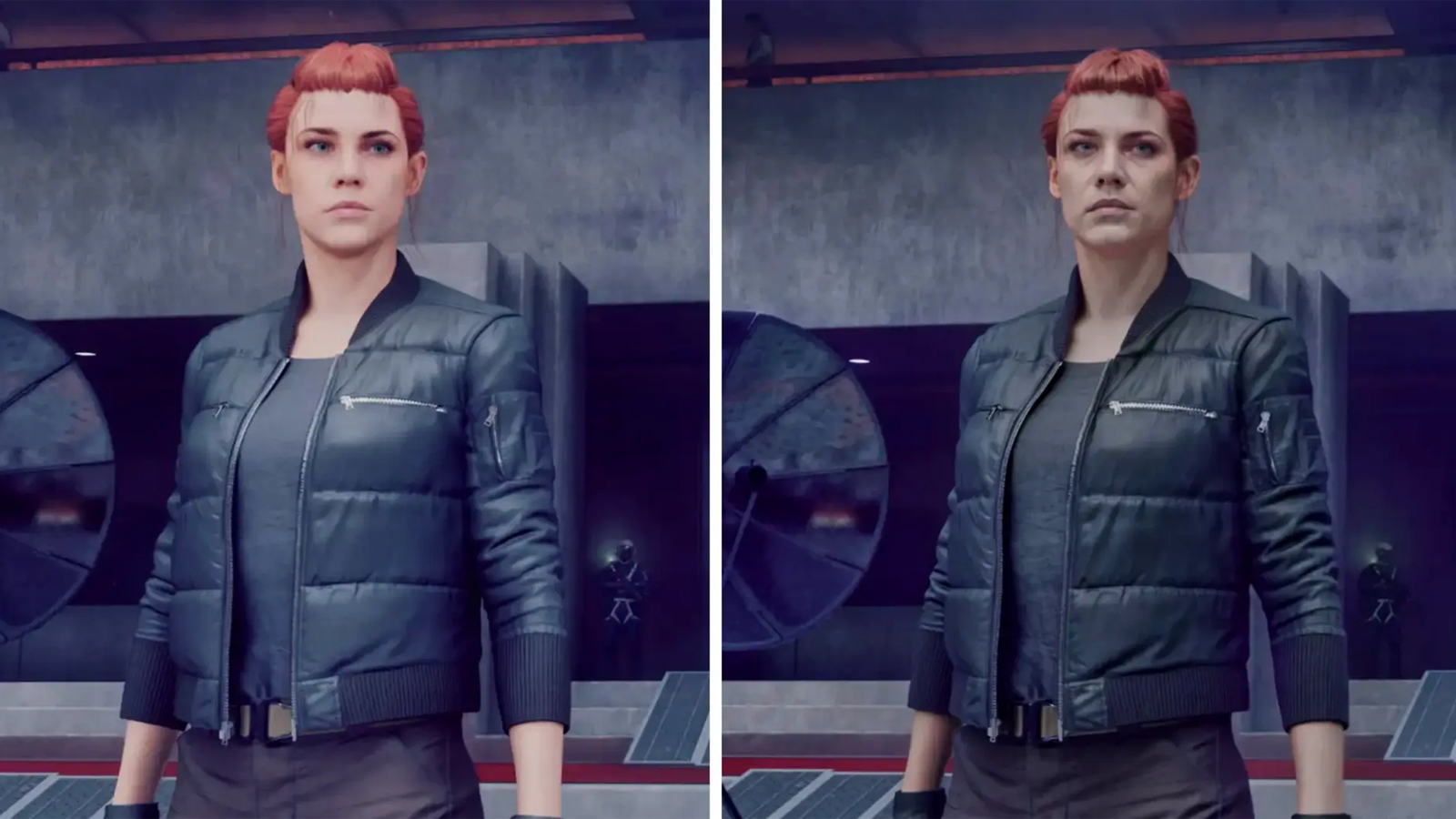
The response from the community has been a mixture of awe and revulsion. On forums like ResetEra, early testers have been blunt. Common descriptors for the leaked experience include "objectively horrendous," "uncanny crap," and "downright horrifying."
The most significant issues arise in areas where human perception is highly sensitive: faces and skin textures. Because the AI is tasked with "guessing" surface details, characters often suffer from the "uncanny valley" effect. In one instance, a modder reported that a character in Final Fantasy 7 Rebirth underwent a visual transformation so drastic that the user described the character as looking like a 1980s rock star wearing a wig, rather than the character designed by Square Enix’s artists.
However, the technology is not a total failure. The same users noted that when the AI interacts with inanimate objects—specifically foliage, complex stone textures, and certain lighting environments—the results can be breathtaking. The consensus seems to be that while the technology is powerful, it is currently "unbounded," leading to hallucinations in the rendering engine where it tries to "improve" details that were never meant to be altered.
Implications for Game Development: The Artist vs. The Algorithm
The controversy surrounding this leak touches on a fundamental shift in game design. Historically, game development has been a subtractive and precise process. Artists spend thousands of hours baking light maps, texturing assets, and ensuring that every pixel adheres to the game’s artistic vision.
DLSS 5 represents a shift toward a generative model. If an AI is going to re-process the final image, the role of the technical artist changes. Instead of creating the final look, they may soon be responsible for "guiding" the AI.
Industry experts are concerned about this "black box" approach. If the game engine no longer has total control over the final output, what happens to the director’s intent? When an AI decides that a shadow should be softer or a texture more metallic, it risks stripping away the specific aesthetic that an art director spent months perfecting. This is why the leaked tests look so strange—they represent the AI running wild without the "guardrails" that developers would typically implement to ensure the game remains faithful to its original design.
The Future of Neural Rendering: A Tool or a Crutch?
Despite the initial backlash to the leaked files, it is crucial to recognize that this is an unfinished product. Nvidia has not yet provided the SDK (Software Development Kit) or the documentation that will allow developers to properly implement DLSS 5.
For racing and sports games, where environments are relatively consistent and the camera moves predictably, the technology shows immense promise. The ability to generate realistic motion blur or surface reflections on a wet track could save developers countless hours of manual labor.
Conversely, for narrative-heavy RPGs or horror games, the implications are more nuanced. If the AI "hallucinates" a detail on a character’s face during a pivotal emotional scene, it could destroy the player’s immersion. The industry is now left to grapple with a difficult question: Is photorealism worth the loss of artistic control?
Looking Ahead: Nvidia’s Next Move
As the modding community continues to experiment, the pressure on Nvidia to provide an official roadmap is mounting. The company has long been the leader in GPU-based AI, and DLSS 5 is clearly their "boldest leap yet." Whether it is received as a breakthrough or a source of controversy will likely depend on how much control they give developers over the neural rendering process.
For now, the leaked files serve as a cautionary tale. They remind us that while AI can simulate reality with frightening speed, it cannot yet replicate the nuance of human artistic intent. Until then, PC gamers will continue to tinker, potentially "breaking" their games in pursuit of the next visual revolution, while developers watch nervously, wondering if their carefully crafted worlds will be the next to fall into the uncanny valley.
As we wait for an official rollout, one thing is certain: the era of static, pre-rendered graphics is ending. We are moving into a world where the screen is a canvas, and the AI is, for better or worse, a co-artist. Whether that artist is a master or a clumsy imitator remains to be seen.