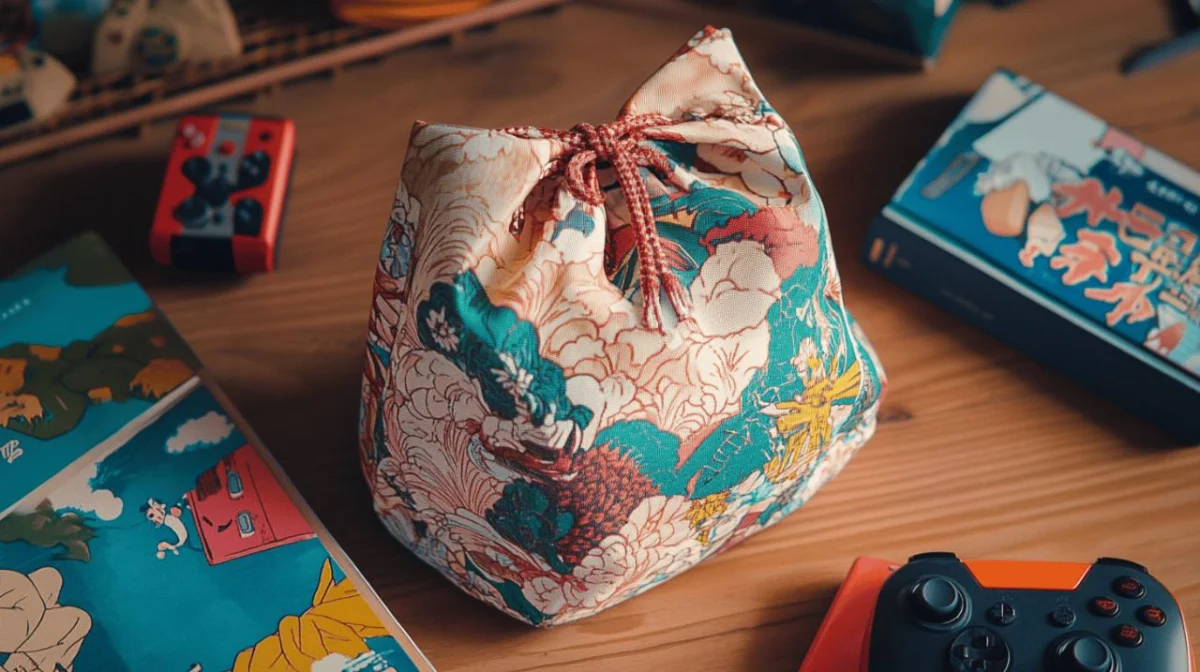
The Japanese tea ceremony, known as Chanoyu or Chado ("The Way of Tea"), is far more than a simple act of preparing and drinking tea. It is a meditative, spiritual practice that transforms a mundane task into a profound aesthetic and philosophical experience. At the heart of this ritual lies a specialized accessory that is often overlooked by casual observers yet deemed indispensable by practitioners: the ceremonial tea bag (and its related carrying cases). Far from being a mere utility item, this vessel represents a bridge between the physical world and the spiritual discipline of the tea room.
The Essence of the Ritual: Core Philosophy
The practice of the tea ceremony is anchored by four fundamental principles, originally codified by the tea master Sen no Rikyū:
- Wa (Harmony): The relationship between the host, the guest, and the environment.
- Kei (Respect): The mutual appreciation of all participants and the objects used.
- Sei (Purity): The cleansing of both the physical space and the inner spirit.
- Jaku (Tranquility): The sense of peace achieved through the ritualized process.
The ceremonial bag serves as the guardian of the objects that facilitate these states. By protecting the chawan (tea bowl), chasen (bamboo whisk), and chashaku (bamboo scoop), the bag ensures that these instruments—which are treated with the utmost reverence—are maintained in a state of readiness and sanctity.
A Chronology of Craft: From Kamakura Origins to Modern Artistry
The evolution of the tea ceremony bag is inextricably linked to the history of Zen Buddhism in Japan.
The Kamakura Period (1192–1333): The Zen Foundation
The origins of the ritualized transport of tea implements trace back to the Kamakura period, when Zen monks brought the practice of drinking powdered matcha from China to Japan. As tea consumption shifted from a medicinal necessity to a cultural phenomenon, the need to protect delicate, often hand-crafted ceramic bowls and bamboo tools became paramount. Early versions of these carriers were simple, functional wraps or pouches made of durable hemp or linen, designed by monks to safeguard their few, prized possessions during travel.
The Muromachi and Edo Periods: Refinement and Aesthetics
As the tea ceremony gained popularity among the samurai and the merchant class, the design of these bags underwent a transformation. No longer just for transport, the bag became an expression of the owner’s status and aesthetic sensibility. The use of fine silks, kinkazan (gold-brocaded fabrics), and intricate embroidery became common. During the Edo period, the regional artisans of Uji—the heartland of Japanese matcha production—began to formalize the shapes and styles that we recognize as "traditional" today.
The Modern Era: Preserving Heritage
Today, the craft is maintained by a specialized group of artisans who treat the creation of these bags as a form of takumi (master craftsmanship). They balance the historical necessity of protection with the modern requirement for durability and ecological responsibility, frequently utilizing organic, ethically sourced fibers that honor the tea ceremony’s inherent connection to nature.
Supporting Data: The Anatomy of a Ceremonial Bag
A professional-grade tea ceremony bag is not a mass-produced item. Its construction involves specific dimensions and material science designed to ensure the longevity of the contents.
Material Selection
- Textiles: Traditional bags prioritize natural fibers. Linen and cotton are favored for their breathability, preventing moisture buildup that could damage the bamboo tools. High-end pieces use silk, which provides a natural, soft buffer against impact.
- Structure: Modern, high-quality bags are often reinforced with non-acidic stiffening agents to maintain the bag’s shape, ensuring that the chawan is not crushed by the weight of other items.
- Fasteners: Traditional toggles made of wood or polished bone are preferred over metal zippers, which can scratch delicate lacquerware or ceramic glazes.
Ergonomics and Dimensions
Standard dimensions for a functional set usually hover between 25 and 30 centimeters in height and 20 centimeters in width. This allows for:
- The Chawan (Bowl): Positioned at the base for stability.
- The Chasen (Whisk): Kept in a protective hard-shell sleeve within the bag to prevent the delicate tines from bending.
- The Fukusa (Silk Cloth): Placed in a dedicated internal pocket to keep it pristine, as it is the most sacred cloth used for purifying the utensils during the ceremony.
Perspectives from the Artisans: Expert Insights
Leading artisans from the Uji region, who have been interviewed in various cultural journals, emphasize that the bag is the "first layer of the tea room."
"When a practitioner reaches for their bag," one artisan noted, "the ceremony has already begun. The tactile experience of the fabric and the precision of the closure remind the user to slow down."
Regarding the environmental aspect, these masters have shifted toward natural dyes—using indigo, pomegranate, or chestnut shells—to ensure that no chemicals interact with the tea implements. This commitment to "green" craftsmanship is not merely a modern trend but a return to the roots of the tradition, where all materials used in the tea room were required to be as natural and pure as possible.
Implications for the Modern Practitioner
The shift toward more frequent, less formal tea gatherings—known as chakai—has led to a diversification of bag styles. However, the core requirements remain unchanged.
Choosing the Right Vessel
For the modern student of tea, the selection process is a vital lesson in the four principles of Wa, Kei, Sei, and Jaku.
- Examine the Seams: High-quality traditional bags feature double-stitching or reinforced edges. Any fraying indicates a lack of care in the craft.
- Interior Layout: Ensure the bag contains specific pockets for the chashaku and chasen. An unorganized bag leads to the degradation of the tools, which is considered a failure of Kei (respect).
- Sustainability: Opt for pieces made from organic, biodegradable materials. Supporting artisanal, small-scale producers ensures the preservation of the craft, which is currently threatened by mass-produced synthetic alternatives.
Long-term Preservation
Maintenance of the bag is treated with the same seriousness as the tools themselves.
- Cleaning: Never machine wash. Use a soft brush to remove dust and a slightly dampened white cloth for localized stains.
- Storage: During periods of disuse, the bag should be stuffed with acid-free tissue paper to maintain its structure and stored in a cool, dark, and dry environment to prevent mold and fiber degradation.
Conclusion: A Living Tradition
The Japanese tea ceremony bag is a testament to the fact that beauty in Japanese culture is not just about the final product—the bowl of matcha—but about the entire process leading up to it. From the selection of the fabric to the deliberate packing of the chasen, every action is a movement toward mindfulness.
As the world becomes increasingly fast-paced and digital, the deliberate, physical act of handling one’s tea implements in a beautifully crafted, traditional vessel offers a sanctuary of silence. Whether you are a master practitioner or a curious beginner, the tea bag remains a constant companion on the path of the Way of Tea, safeguarding not just the tools of the trade, but the very values that make the ceremony a timeless art form. By choosing to invest in quality, craftsmanship, and tradition, one participates in a lineage that stretches back nearly a millennium, ensuring that the spirit of Chado continues to thrive in the modern age.