In the landscape of modern tactical role-playing games (SRPGs), few titles have dared to place the burden of political philosophy as squarely on the player’s shoulders as Square Enix’s Triangle Strategy. Developed by Team Asano, the studio renowned for its distinct HD-2D aesthetic, the game serves as a spiritual successor to the golden age of isometric strategy, blending high-stakes political maneuvering with a grid-based combat system that demands as much intellectual rigor as it does tactical foresight. Set against the backdrop of a continent fractured by the scarcity of vital resources, Triangle Strategy is less a game about winning battles and more a game about defining one’s own moral compass in a world where there are no easy answers.
Main Facts: A Continent Defined by Salt and Iron
The narrative of Triangle Strategy unfolds on the continent of Norzelia, a land defined by the Saltiron War—a brutal, multi-generational conflict fought over the control of salt and iron. The precarious peace currently holding the continent together is a fragile tapestry woven between three powers: the Kingdom of Glenbrook, the holy state of Hyzante, and the frozen duchy of Aesfrost.
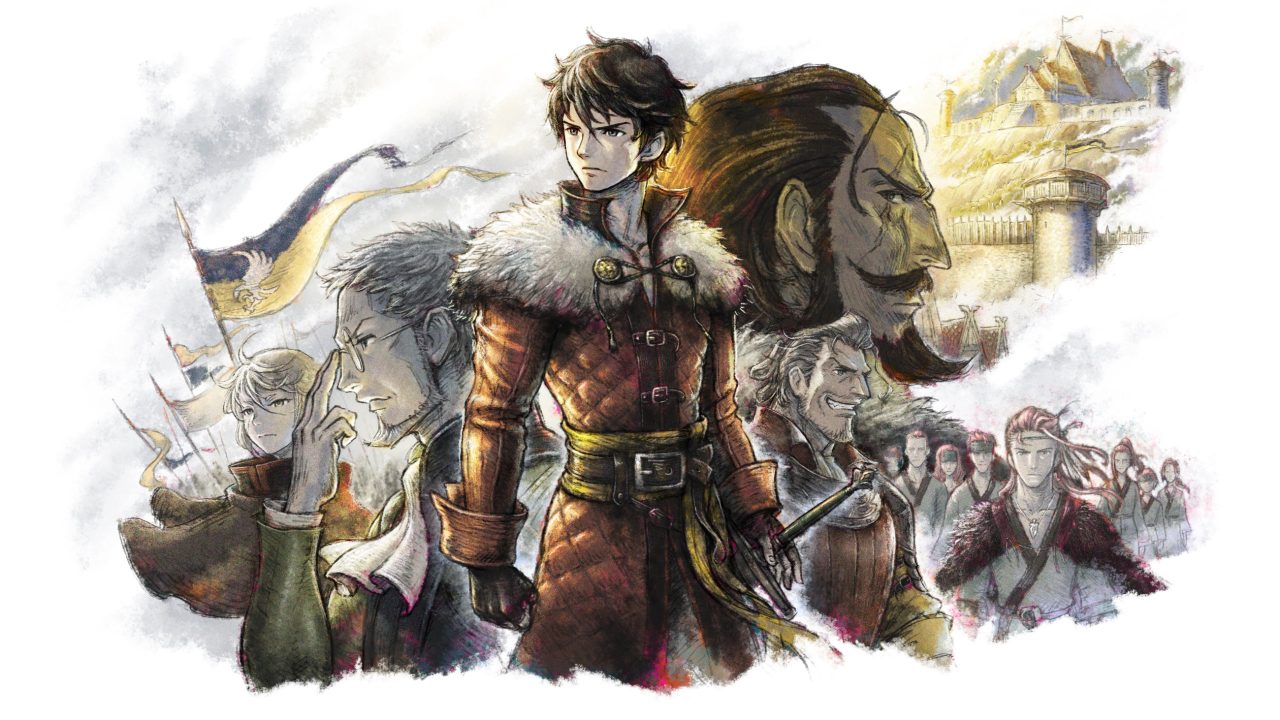
The story centers on Serenoa Wolffort, a young lord of a noble house in Glenbrook. The narrative impetus begins with a political marriage between Serenoa and Lady Frederica of Aesfrost, an attempt to solidify regional stability through alliance. However, this tentative peace is shattered by a sudden betrayal, plunging the continent back into the chaos of total war. Players are tasked with guiding House Wolffort through these turbulent waters, navigating the complex web of loyalties, betrayals, and deep-seated grudges that threaten to extinguish their noble line.
Chronology of Conflict: The Evolution of a Kingdom
The game’s structure is uniquely paced, following a rigorous cycle of political investigation, deliberative voting, and tactical warfare.
The Prelude to Chaos
Initially, the game functions as a slow-burn political drama. Players are introduced to the minutiae of the world-building, exploring the history of Norzelia’s warring factions. This phase is critical; the game invests heavily in character development, ensuring that when the conflict eventually erupts, the stakes feel intensely personal. Players observe the machinations of the NPCs surrounding Serenoa, learning that every character—whether a member of the inner circle or a secondary ally—is driven by their own agendas and ideological convictions.
The Crucible of Choice
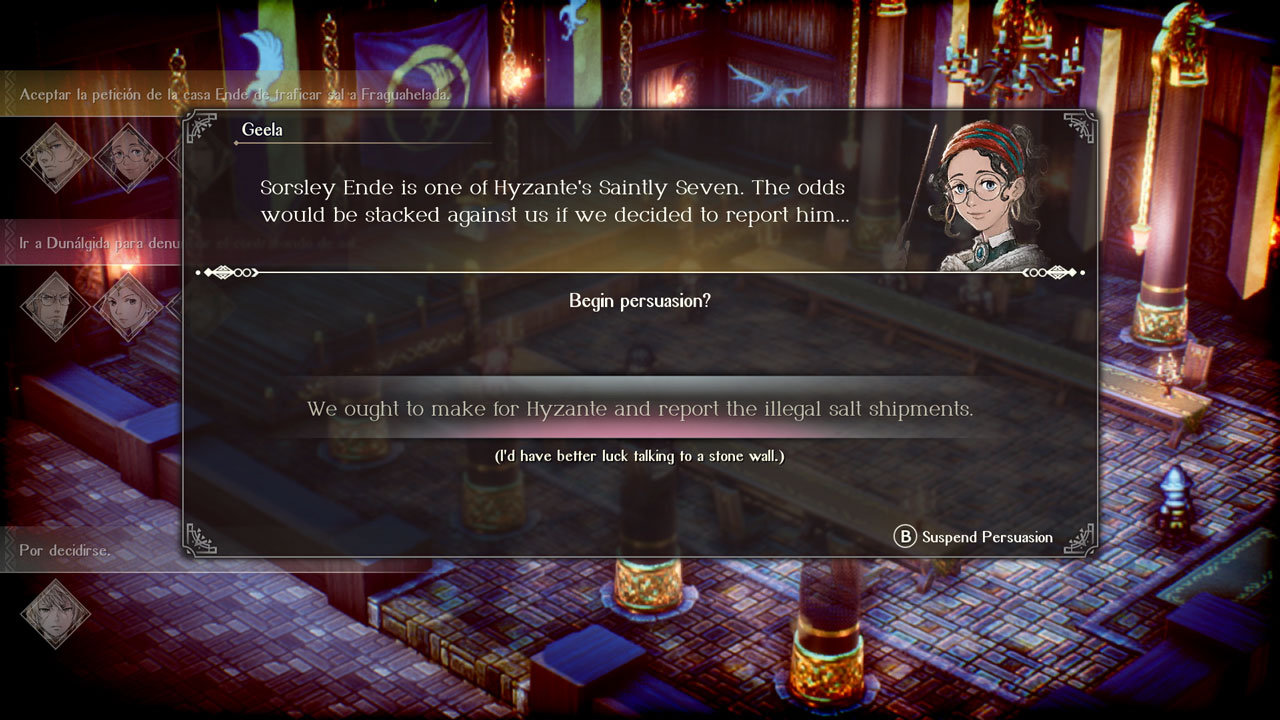
As the plot advances, the game introduces the "Scales of Conviction." This is not a binary moral system, but rather a dynamic voting mechanic where the player must convince their retinue to support a specific course of action. These choices are rarely "good" versus "evil"; they are often utilitarian, ethical, or pragmatic dilemmas that force players to weigh the lives of civilians against the necessity of long-term security.
The Path to the Golden Ending
The chronology of the game is highly non-linear. While a first playthrough offers three distinct endings based on the player’s dominant moral pillars—Liberty, Utility, or Morality—there exists a hidden "Golden Ending." Reaching this narrative conclusion requires a precise sequence of actions, often demanding that the player be intimately familiar with the game’s geopolitical landscape. It serves as a testament to the game’s replayability, as players often find themselves returning to the fray to uncover the truth behind the curtain of war.
Supporting Data: The Mechanics of Strategy and Morality
Triangle Strategy is fundamentally a game of systems. The gameplay loop is defined by the juxtaposition of the "Investigation Phase" and the "Battle Phase."
Strategic Complexity
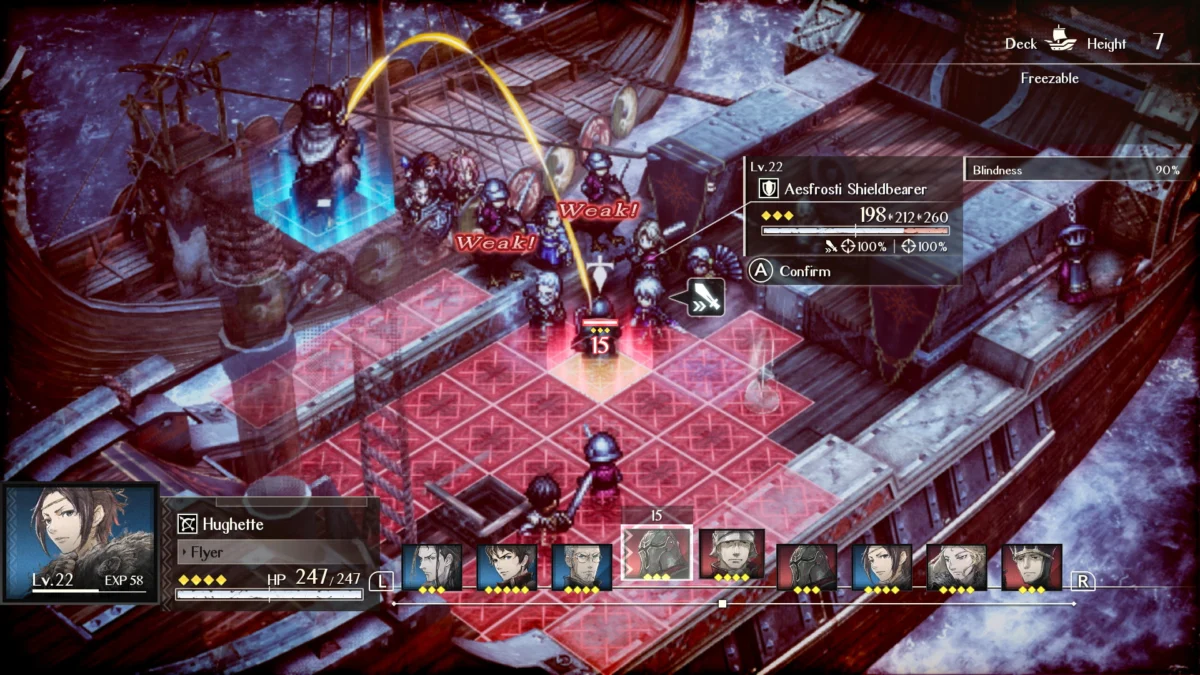
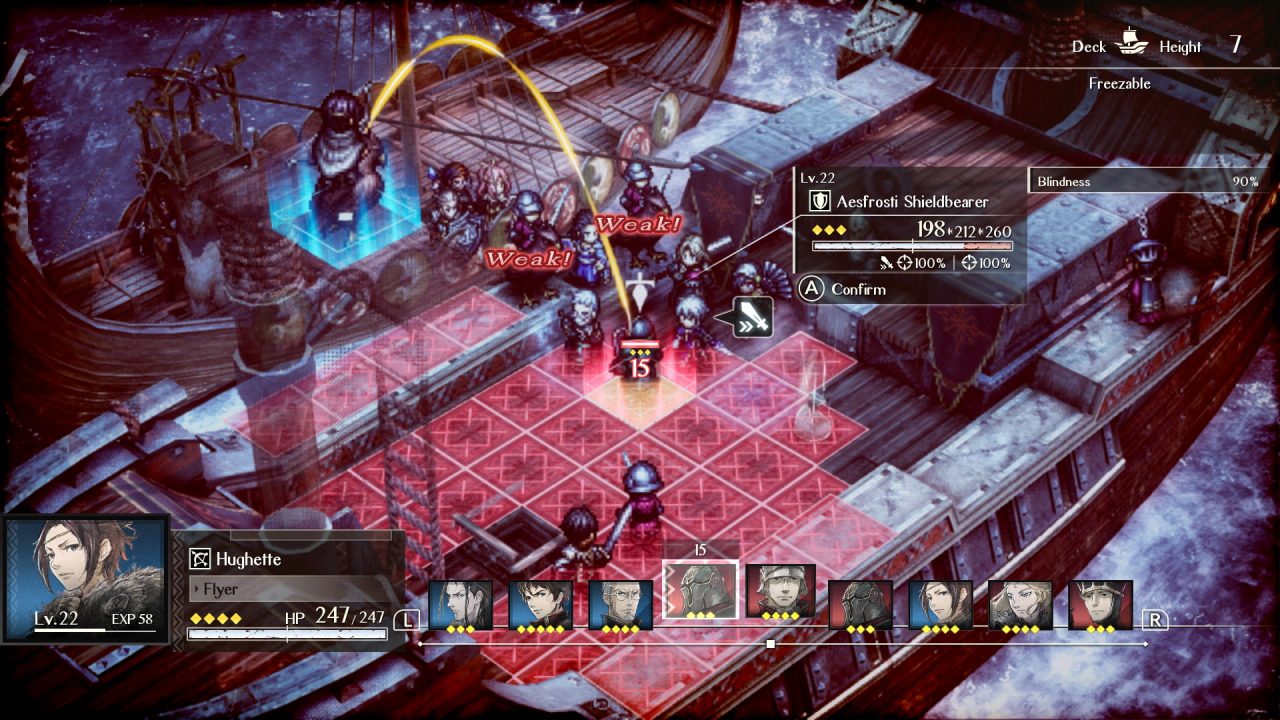
The tactical combat is robust, utilizing a height-based, turn-based grid system. The depth of the gameplay is derived from the synergy between unique character classes. For instance, the ability to manipulate environmental factors is paramount. A shaman can shift weather patterns to mitigate fire hazards or impair enemy archers, while a tactician can redistribute TP (Tactical Points) to enable powerful, game-changing abilities. These mechanics reward creativity, forcing players to think in terms of terrain control rather than raw damage output.
The Conviction System
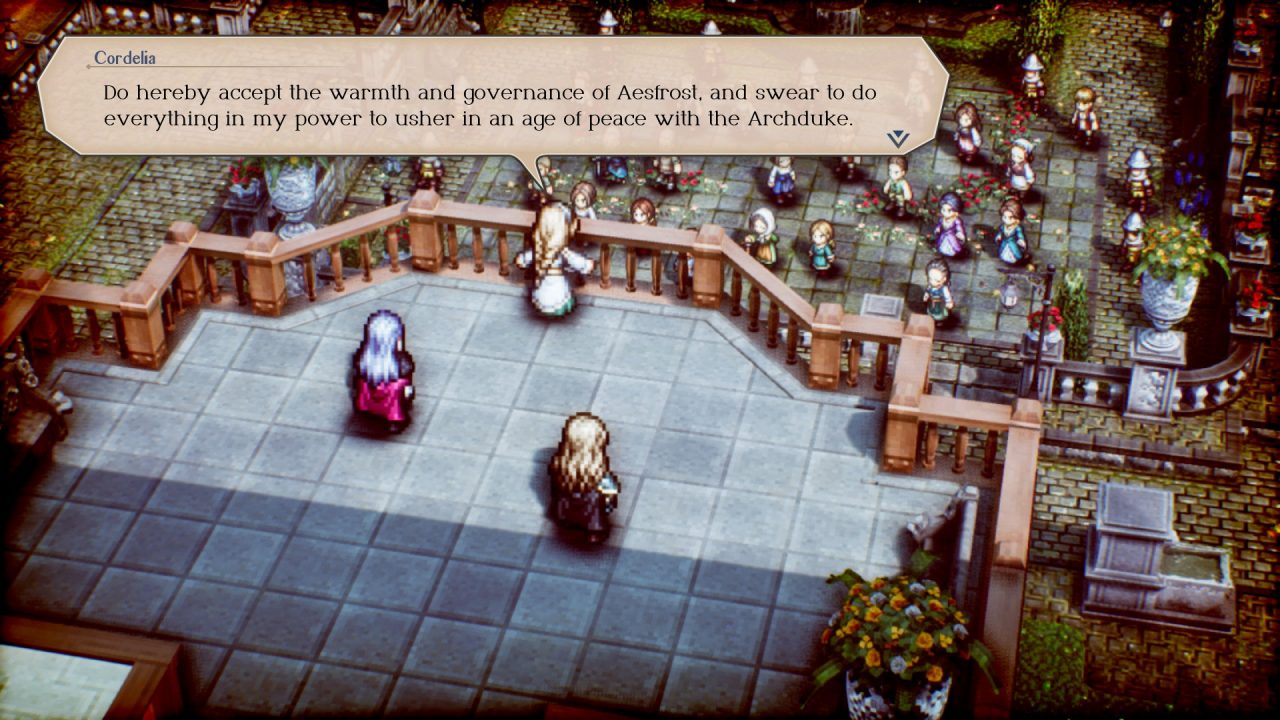
The "Strength of Conviction" system is the engine that drives the narrative. Every dialogue choice, every investigation, and every tactical decision contributes to one of three hidden stats. These stats dictate which characters are more easily swayed during the voting process. While the player can attempt to influence their allies, the system is designed to be unpredictable. A character’s loyalty is not a given; it is a variable that the player must manage throughout the campaign.
Official Responses and Critical Reception
Since its release, the title has garnered praise for its bold narrative ambition and its striking visual presentation. Critics have highlighted the HD-2D engine—which marries 16-bit-style sprites with high-fidelity, modern lighting and depth-of-field effects—as a masterclass in artistic direction.
However, the game has faced valid critique regarding its pacing. The "story-to-gameplay ratio" is heavily weighted toward dialogue. Players looking for the rapid-fire engagement of traditional strategy games may find the extended cutscenes and political exposition demanding. While the dialogue is localized with professional polish, the adherence to high-fantasy vernacular has been noted as occasionally jarring. Nevertheless, the consensus remains that the game’s narrative richness justifies its slower, more methodical pace.
Implications: The Future of the SRPG Genre
Triangle Strategy leaves a significant mark on the SRPG genre, primarily by proving that narrative and strategy need not be mutually exclusive. The implications for future titles by Team Asano and the broader industry are clear:
- The Rise of "Choice-Driven" Strategy: The game demonstrates that players are eager for strategy games where the battlefield is not the only place where the war is won. The integration of political consequences into the core gameplay loop provides a level of engagement that traditional war games often lack.
- The "HD-2D" Standard: The success of Triangle Strategy (alongside titles like Octopath Traveler) confirms that there is a massive market for "retro-modern" aesthetics. The visual language of the game is distinct enough to serve as a brand identity for Square Enix’s future RPGs.
- The Importance of Replayability: By locking the "true" ending behind a complex web of requirements, the developers have effectively extended the game’s lifespan. It encourages community collaboration, with players sharing strategies, moral guides, and insights to unlock the narrative’s full potential.
A Final Reflection
Ultimately, Triangle Strategy is an experience that demands patience. It asks the player to be a diplomat, a tactician, and a moral arbiter simultaneously. It does not reinvent the wheel of turn-based combat, but it refines the narrative stakes to a degree rarely seen in the genre. For those willing to invest the time to understand the nuances of its world, Triangle Strategy offers a profoundly rewarding experience. It is a cautionary tale about the cost of power and a love letter to the strategy classics of the past, standing tall as a definitive pillar of modern tactical gaming. Whether House Wolffort falls to the flames of war or rises to forge a new path for Norzelia, the journey is one defined by the weight of the choices made along the way.