Reynand Wu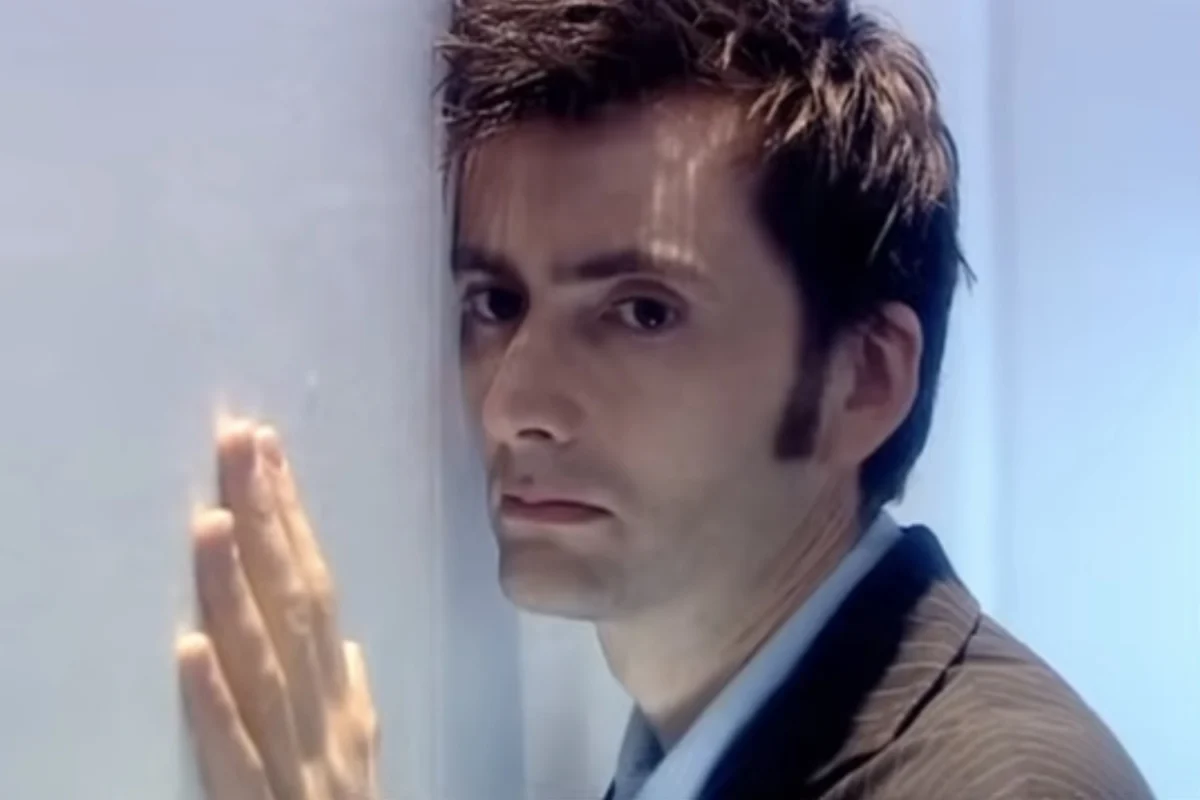
The long-running British science fiction institution Doctor Who has entered its most uncertain phase in recent memory. Following a turbulent year of strategic pivots, creative shake-ups, and shifting corporate alliances, the BBC has officially initiated a "competitive tender" process to determine the future production of the series. This move marks a definitive departure from the previous model of stewardship and leaves fans facing an extended period of silence as the network seeks a new creative vision for the TARDIS.
Main Facts: A Reset for the TARDIS
The current state of Doctor Who is defined by a complete restructuring of its production pipeline. Earlier this year, the BBC had mapped out a clear future for the series, with plans for a high-profile Christmas special in late 2026 penned by showrunner Russell T. Davies. That trajectory was abruptly halted in June when the BBC announced the cancellation of the special and confirmed that Davies would be stepping away from the series.
In a move intended to revitalize the brand and introduce fresh operational efficiencies, the BBC has opened a competitive tender process. This industry-facing initiative allows external production companies to pitch their visions for the future of the series. The official documentation confirms that the forthcoming contract covers a multi-episodic series—inclusive of specials—slated for transmission in the 2028/29 window. Crucially, the contract includes an optional extension at the BBC’s discretion, potentially securing a second series for the successful bidder.
A Chronology of Change: From Anticipation to Uncertainty
The road to the 2028/29 season has been anything but linear. To understand the gravity of the current situation, one must look at the recent timeline of the franchise:
- Early 2024: The BBC solidified its plans for the immediate future, with Russell T. Davies firmly in the driver’s seat. Expectations were high for a 2026 Christmas special, serving as a pillar for the show’s ongoing success.
- June 2024: The "reset" button was pressed. The BBC announced the cancellation of the 2026 special and the departure of Davies, signaling a total change in the show’s administrative and creative oversight.
- September 2024: The formal invitation to tender was published. This document provided the first concrete evidence of the BBC’s long-term plan, effectively confirming a multi-year gap in new content production.
- Current Status: The industry is currently in the "pitching" phase. The BBC is evaluating proposals from various production houses, a process that is notoriously time-consuming and prone to legal and logistical complexities.
Supporting Data: The Logistics of a Global Franchise
The shift toward a competitive tender model is not merely a creative decision; it is a profound logistical undertaking. Producing a show of Doctor Who’s caliber involves more than just writing scripts and securing actors. It requires a massive infrastructure capable of handling high-end visual effects (VFX), international distribution rights, complex set design, and the tight scheduling required for simultaneous global releases.
The BBC’s current tender document is sparse, as is standard for such high-stakes procurement. However, industry analysts note that the requirement for a "multi-episodic" delivery for 2028/29 implies that the chosen production company must be prepared to hit the ground running with an established team.
Furthermore, the "option to extend" clause is a critical indicator. It suggests that the BBC is looking for a long-term partner rather than a quick fix. By moving to a tender model, the broadcaster is likely looking to balance the budget-heavy demands of modern prestige television with the need for a sustainable, repeatable production cycle.
The financial reality of the television landscape has changed drastically in the last five years. With the rise of streaming-first production and the decline of traditional linear viewing figures, Doctor Who—a show that requires significant investment in post-production—must justify its cost-to-audience ratio more than ever before.
Official Responses and Strategic Intent
While the BBC has remained characteristically tight-lipped regarding the specific reasons for the departure of key creative staff, the official narrative centers on "evolution." By opening the floor to competitive bids, the BBC is inviting the broader industry to innovate on the Doctor Who format.
In its official statement on the commissioning portal, the BBC emphasizes that the tender is designed to ensure the "continued excellence and global reach" of the brand. This is a subtle acknowledgment that Doctor Who is no longer just a British cultural export; it is a global property that must compete with massive-budget franchises on platforms like Disney+ and Netflix.
The silence from the previous production team, coupled with the BBC’s move to tender, suggests a desire to decouple the show from any single creative personality. By standardizing the production contract, the BBC is creating a framework that can survive leadership changes, potentially insulating the show from the volatility that has defined its recent history.
Implications: The Long Wait for the Doctor
The most immediate implication for the dedicated fanbase is the reality of a multi-year hiatus. With the next series not expected until 2028 or 2029, the franchise faces the risk of losing the momentum built during the most recent seasons.
The "Gap" Years
Three or more years between iterations of the Doctor is an eternity in the world of modern fandom. While the BBC has suggested that previous eras of the show have survived longer breaks, the current media environment is vastly different. In the age of social media, where engagement must be constant to remain relevant, a three-year silence is a significant gamble.
The Streaming Landscape
The situation is further complicated by the fragmented nature of Doctor Who’s streaming presence. While viewers in the United States and other territories can access much of the "New Who" era on AMC+, the licensing rights for newer content remain tethered to Disney+. This complicates the user experience and leaves fans wondering where the new series will eventually land. Furthermore, the status of the highly anticipated miniseries The War Between the Land and the Sea remains in limbo, with no clear release date or platform confirmation, adding to the sense of creative gridlock.
The Future of Creative Direction
The tender process raises fundamental questions about the tone of the next era. Will the new production company seek to return to the show’s roots as a low-budget, character-driven adventure, or will they push further into the "prestige" television model? The answer lies in the hands of the executives currently reviewing the pitches.
Conclusion: A Pivot Toward Sustainability?
The BBC’s decision to put Doctor Who up for tender is, at its core, a defensive maneuver aimed at ensuring the show’s survival in an increasingly crowded and expensive market. While the prospect of a multi-year wait is undoubtedly frustrating for the audience, it may be the necessary price for a more stable and sustainable future.
The history of Doctor Who is one of constant reinvention. Since its inception in 1963, the show has survived cancellations, budget cuts, and radical shifts in tone. If this current period of limbo serves as a bridge to a more modern, efficient, and globally accessible production model, the long wait might eventually be viewed as a necessary reset. However, for now, the TARDIS remains parked, and the world of Doctor Who waits to see who will be granted the keys to the future of the series.
The industry now turns its eyes toward the BBC’s commissioning offices. The outcome of this tender will not only determine the fate of the next few years of the show but will likely set the blueprint for how the BBC handles its most valuable intellectual properties in the decade to come. For fans, the message is clear: the Doctor will return, but the journey to 2028 will be a test of patience and, perhaps, the dawn of a new, unforeseen chapter in the Whoniverse.

 Asep Darmawan
 Siti Muinah