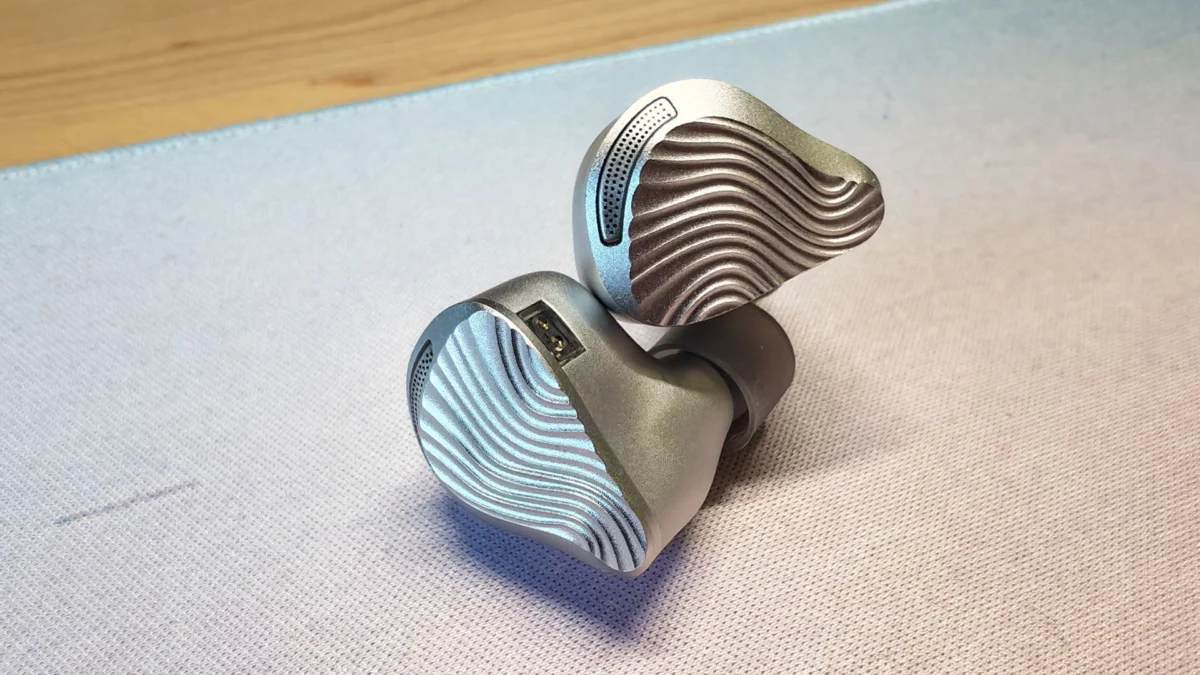
In the hyper-saturated landscape of modern high-fidelity audio, the "Chi-fi" (Chinese high-fidelity) market has reached a staggering pace of production. Industry observers estimate that more than 200 new In-Ear Monitor (IEM) models hit the market annually. While this influx can be overwhelming for the casual consumer, it has allowed boutique brands like ZiiGaat to rise to the top by focusing on technical precision and distinct design languages.
The latest offering, the ZiiGaat Seraphim, arrives with significant fanfare. Priced at $259 and featuring a sophisticated 5-driver hybrid configuration, the Seraphim attempts to bridge the gap between mid-fi accessibility and flagship-tier performance. Does it succeed in delivering a refined experience, or is it merely another beautiful object in a sea of audio gear?
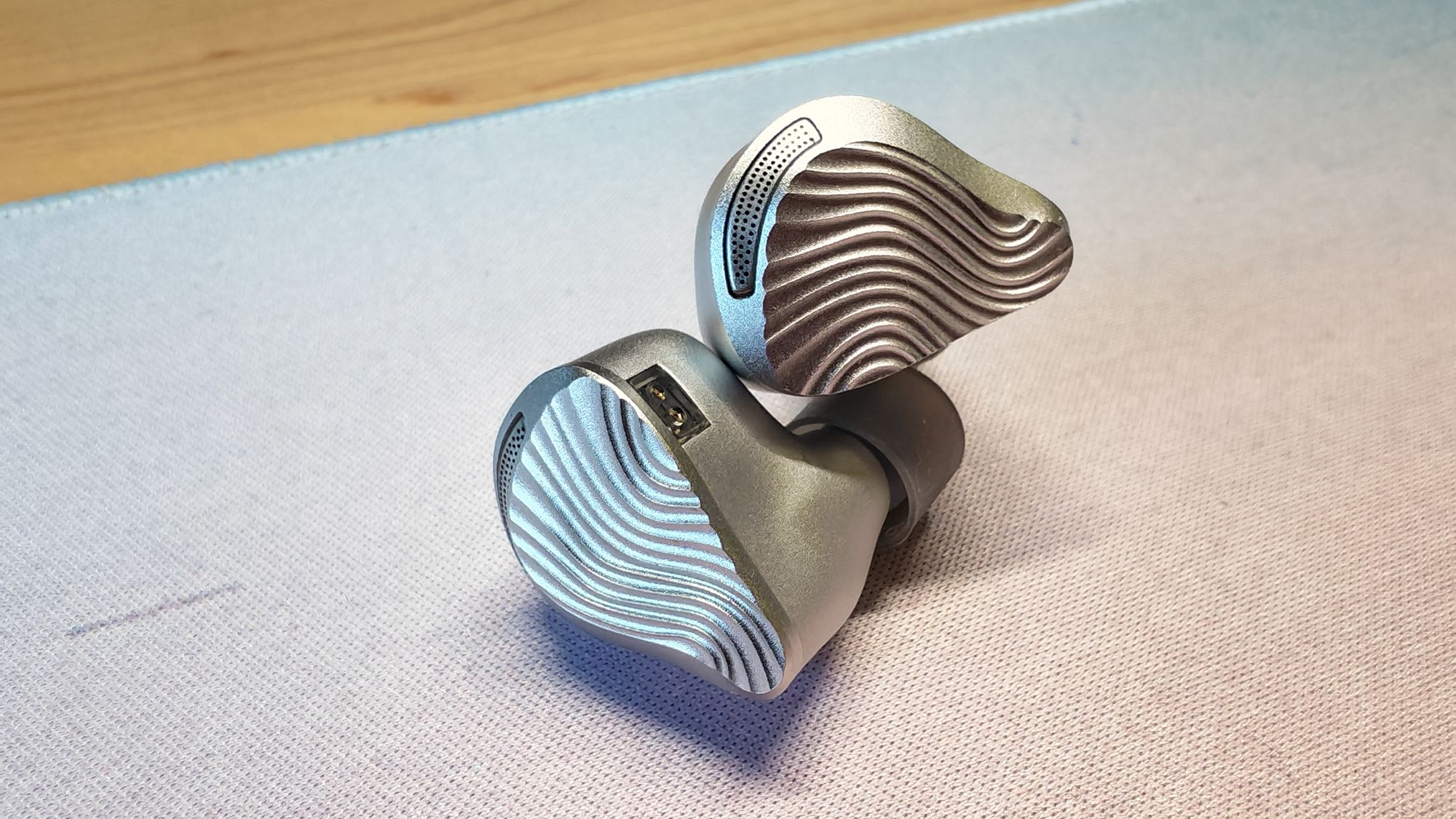
Main Facts: The Anatomy of the Seraphim
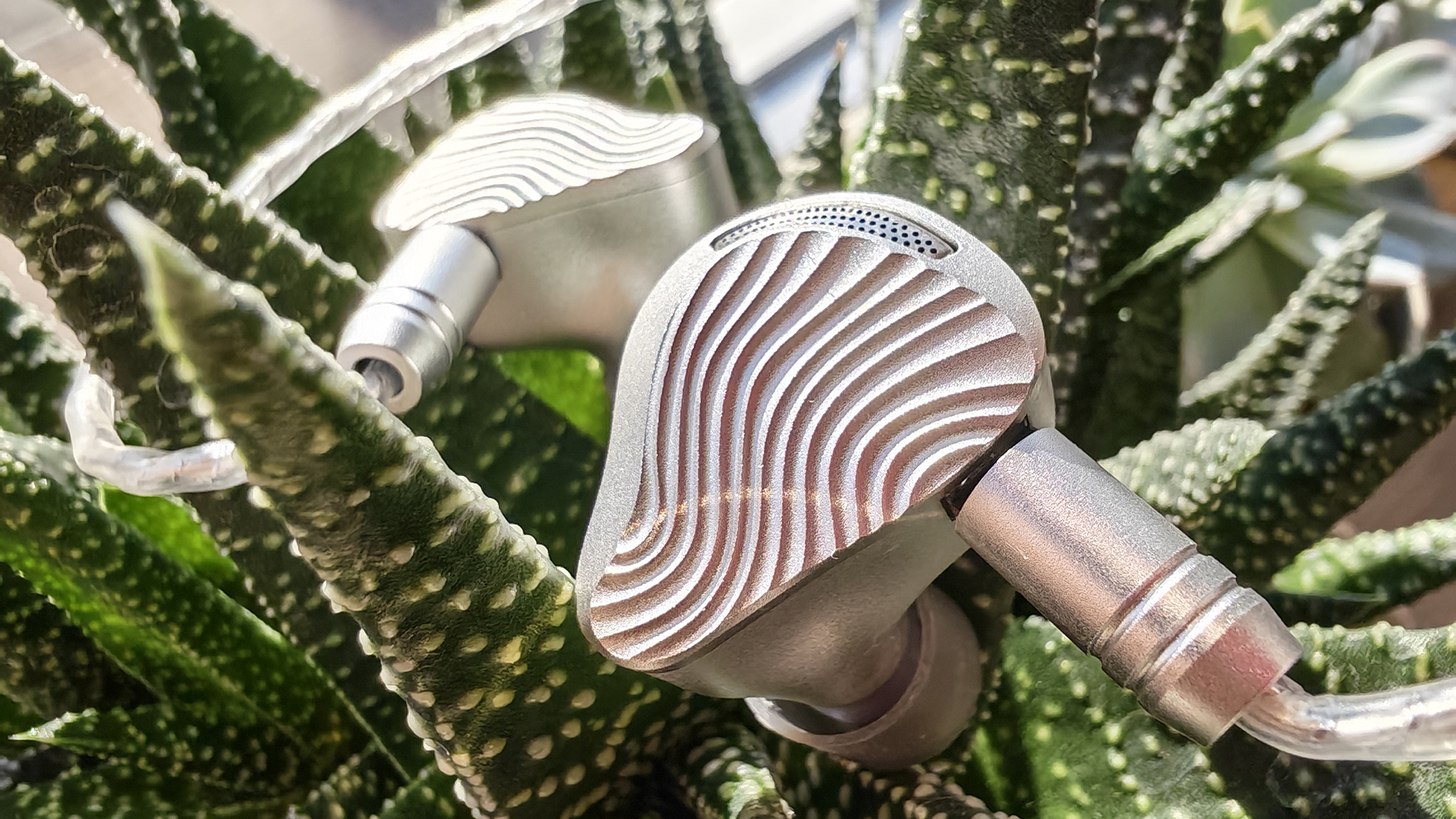
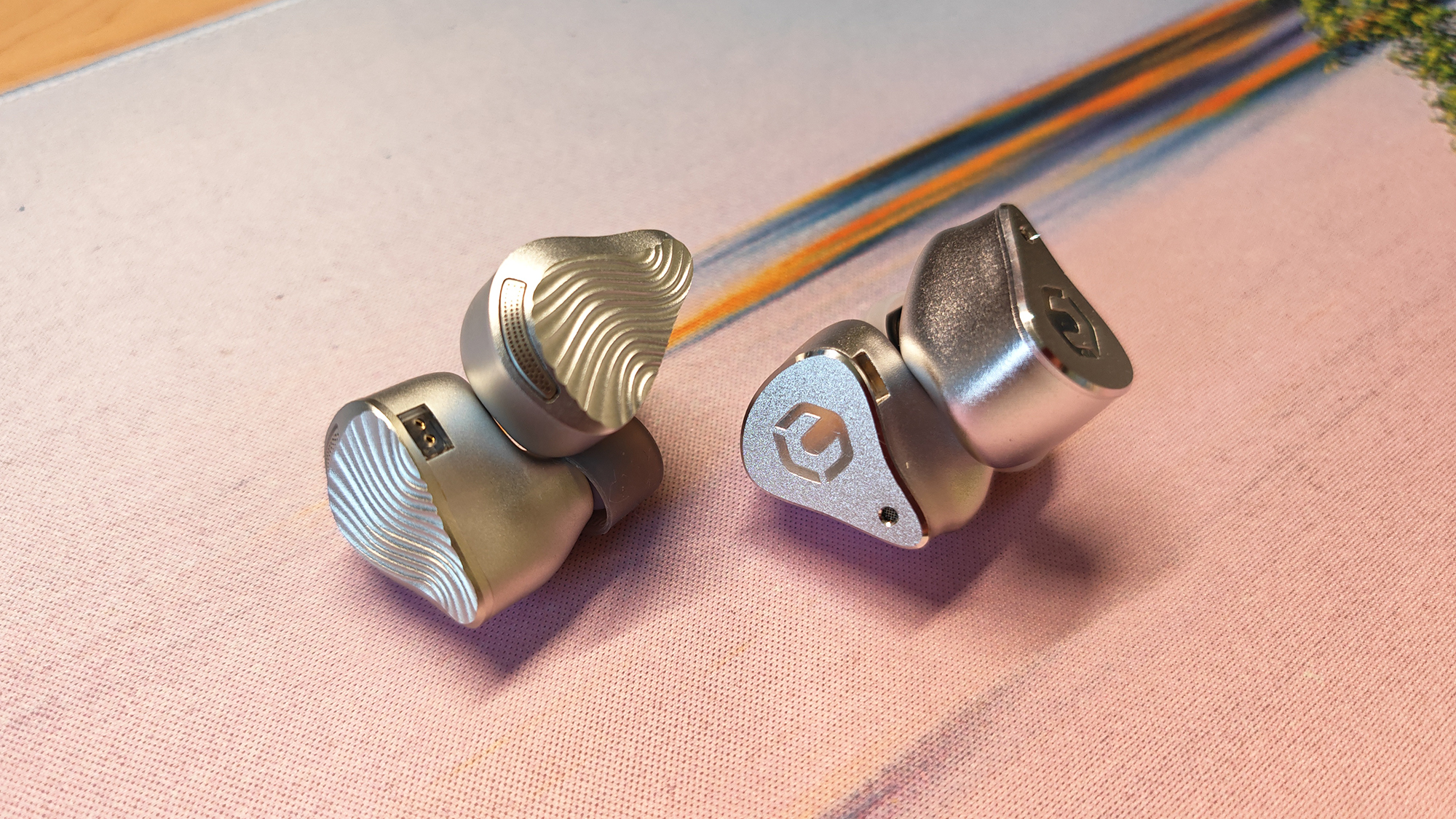
At the heart of the Seraphim’s performance is a hybrid architecture consisting of two dynamic drivers (DD) and three Knowles balanced armature (BA) drivers. This quintet is housed within CNC-machined aluminum shells that prioritize both durability and an ergonomic, low-profile fit.
Technical Specifications
- Price: $259
- Driver Configuration: 2DD + 3BA (Hybrid)
- Material: CNC-machined aluminum chassis
- Cable: 1.2m modular system (includes 3.5mm and 4.4mm terminations)
- Impedance: 9Ω @ 1kHz
- Sensitivity: 125.5dB/Vrms @ 1kHz
- Weight: 5g per unit
The inclusion of a modular cable is a welcome touch at this price point, allowing users to switch between standard and balanced outputs without the need for aftermarket cables. The use of premium Knowles armatures suggests a commitment to consistent, high-resolution performance in the upper registers.

Chronology: The Development of a "Flagship-Lite"
The development of the Seraphim follows a growing trend in the audiophile community: the collaboration between manufacturers and established audio influencers. Tuned by Jay Audio, the Seraphim was designed to distill the "big sound" of flagship monitors into a more manageable form factor.
Since its October 2026 release, the Seraphim has been subjected to rigorous testing against both established benchmarks and new market arrivals. Early online discourse incorrectly labeled the Seraphim a "mini-Storm" (referencing the high-end Subtonic Storm). However, hands-on testing reveals a distinct divergence: while the Storm prioritizes surgical neutrality, the Seraphim is unapologetically colored, focusing on visceral impact and a V-shaped sound signature that favors excitement over reference-grade linearity.
Supporting Data: Sound Profile and Performance
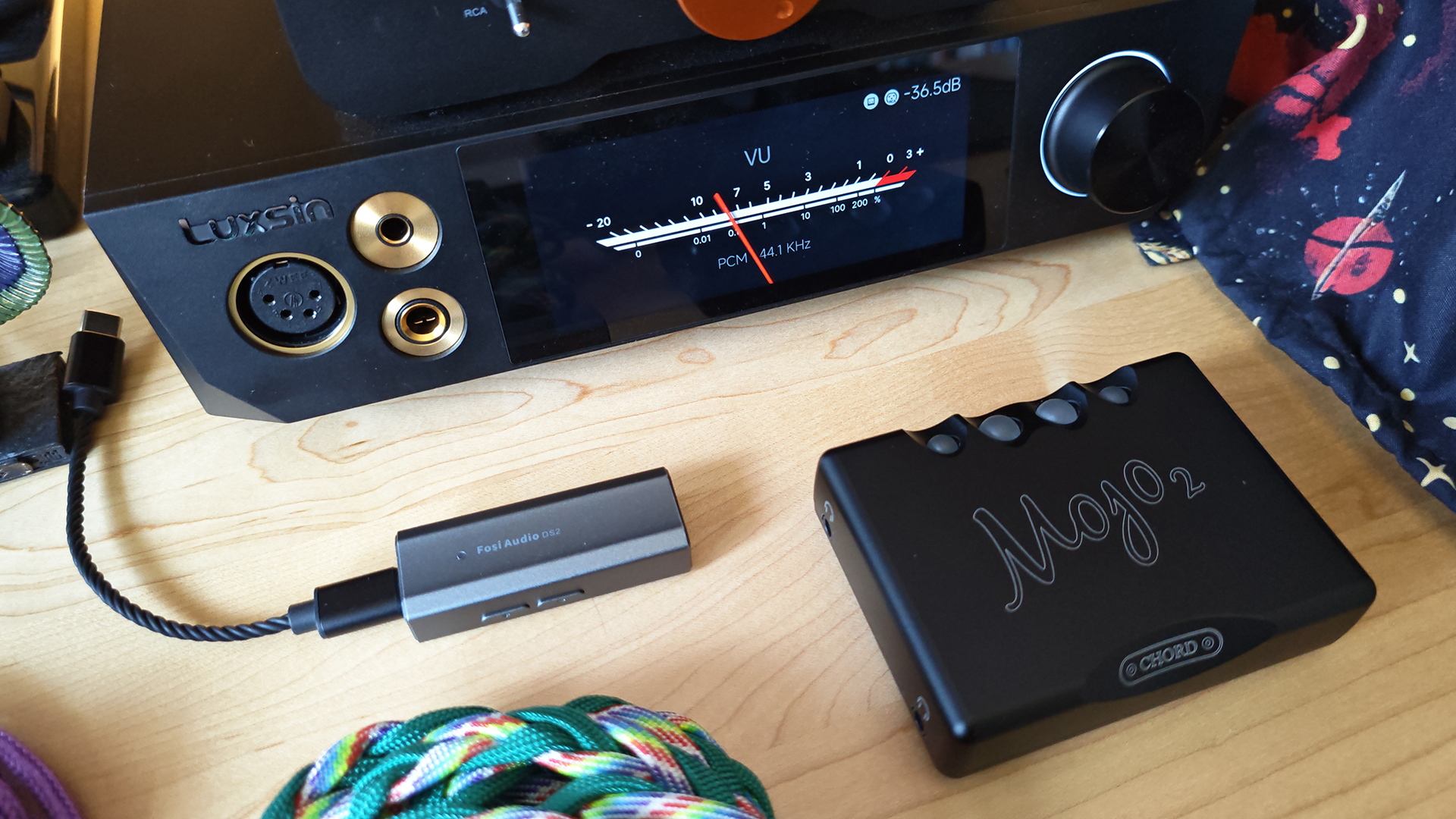
To evaluate the Seraphim, we utilized a combination of high-end desktop DAC/Amps, including the Luxsin X8 and the Chord Mojo 2, alongside various portable dongles. This ensures that the IEMs are driven with sufficient power to reveal their true characteristics.
The Bass Response
The Seraphim utilizes an isobaric dual dynamic driver configuration specifically tuned for deep-frequency reproduction. The result is a sub-bass performance that hits with significant authority. Unlike many V-shaped IEMs that suffer from "bass bleed," the Seraphim keeps its mid-bass tightly controlled. This allows for excellent separation, where the visceral "thump" of an 808 kick drum remains distinct from the texture of a bass guitar.
Midrange and Treble Dynamics
The Knowles balanced armatures provide a clean, analytical midrange that leans toward the upper registers. On tracks featuring soaring vocals—such as Neil Young’s Tell Me Why—the Seraphim is remarkably transparent and forward.
However, this tuning comes with a caveat. The lower midrange, which carries the "chest" and body of male vocals, feels slightly recessed. On tracks by artists like Barry White, the lack of lower-mid warmth can make the presentation feel thin or clinical.
The treble, by contrast, is the star of the show. It offers an airy, highly resolving presentation that avoids the fatiguing sibilance often found in cheaper, "bright" IEMs. It is a masterful balance of micro-detail and smooth decay.
Comparison: The Competitive Landscape
ZiiGaat Seraphim vs. CrinEar Reference ($350)
The CrinEar Reference is the gold standard for neutral, tonally accurate audio. When compared, the Seraphim feels like the "fun" younger sibling. While the Reference offers a more sophisticated, balanced, and fatigue-free experience for critical listening, the Seraphim wins on visual design and sheer, adrenaline-inducing punch. For those who find strict neutrality boring, the Seraphim’s flair makes it a compelling alternative.
ZiiGaat Seraphim vs. Binary EP321 ($310)
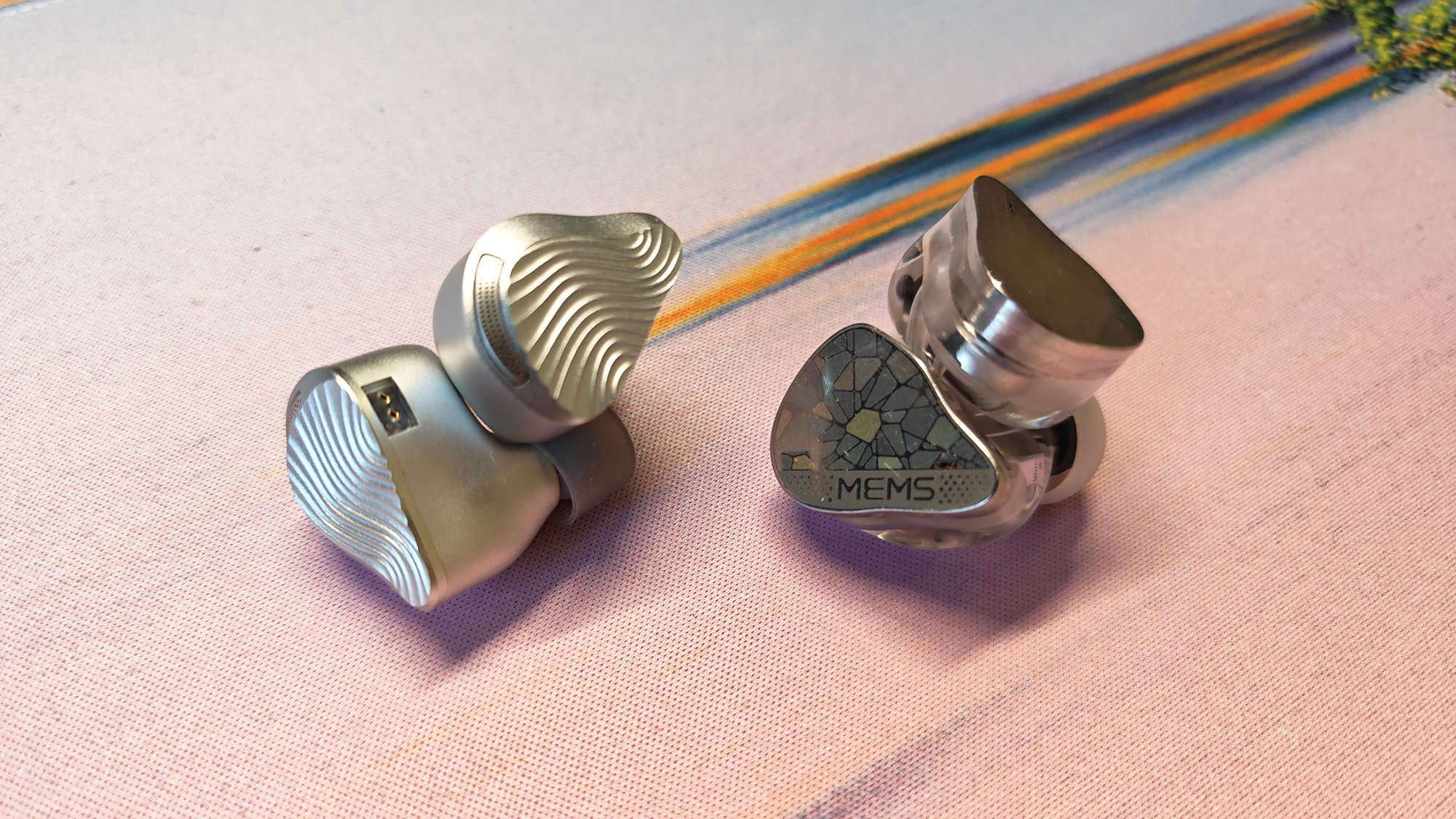
The Binary EP321 is a more direct competitor in terms of price and intent. While the Seraphim features superior sub-bass slam, the EP321 provides a more natural lower midrange, offering the vocal body that the Seraphim lacks. The EP321’s use of a MEMS driver also gives it a slight edge in ultra-high-frequency speed. For listeners prioritizing vocal richness, the EP321 is the superior choice.
Official Responses and Industry Context
ZiiGaat has positioned the Seraphim as an "entry-point to the elite." By avoiding the use of expensive materials like exotic woods or precious metals, they have successfully kept the price under the $300 threshold while maintaining a premium feel.

The design team’s decision to opt for a shallow, robust nozzle has been met with mixed feedback. While it contributes to a comfortable, low-fatigue fit for long sessions, it can make achieving a perfect seal difficult for users with specific ear canal geometries. The company suggests that users experiment with various eartip shapes—specifically longer, rounder tips—to ensure the best acoustic isolation.
Implications: Is the Seraphim Right for You?
The ZiiGaat Seraphim is a triumph of design and targeted tuning, though it is not without its compromises.
Reasons to Buy:
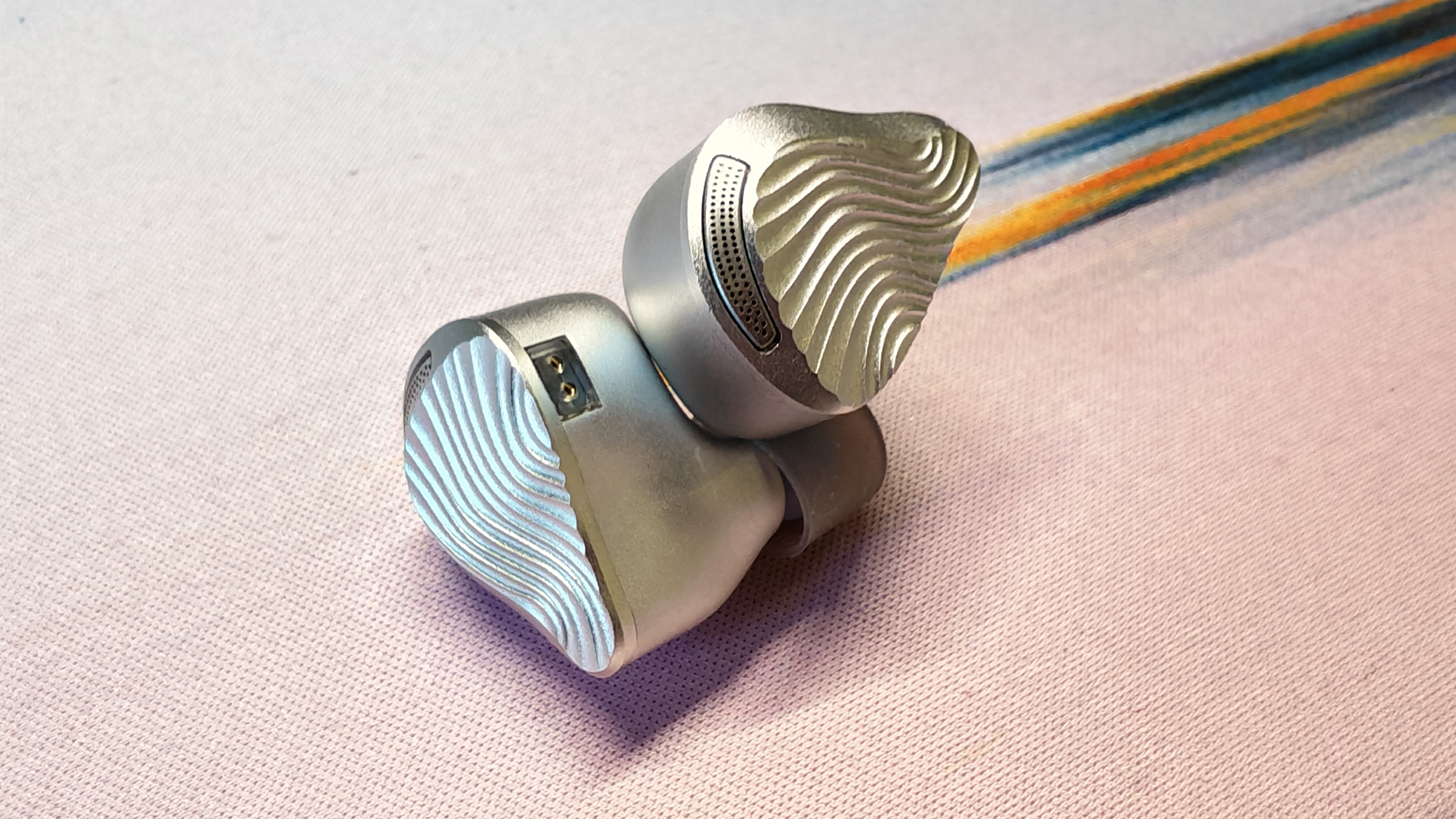
- Aesthetics: Among the best-looking IEMs of 2026, featuring a premium metal build that feels significantly more expensive than its $259 price tag.
- Sub-Bass Authority: If your library is dominated by EDM, hip-hop, or bass-heavy genres, the Seraphim offers a visceral experience that few rivals can match.
- Fatigue-Free Treble: The high-frequency tuning is exceptionally well-executed, providing detail without the "ice-pick" harshness often found in this price bracket.
Reasons to Avoid:
- Lean Lower Mids: Listeners who prioritize rich, thick male vocals or natural instrument body may find the Seraphim’s tuning too clinical or "thin" in the lower registers.
- Fit Sensitivity: The shallow nozzle design requires careful eartip matching to ensure a consistent seal, which may frustrate users accustomed to a "set it and forget it" fit.
Final Verdict
The ZiiGaat Seraphim is a bold, exciting entry into the mid-fi market. It does not try to be everything to everyone; instead, it leans into a specific sound profile that rewards listeners who crave excitement, speed, and deep, punchy sub-bass. While it may lack the tonal maturity of a reference-tuned monitor like the CrinEar Reference, its ability to make music sound "alive" makes it a top-tier contender for anyone looking to upgrade their daily listening experience.
For the modern audiophile, the Seraphim represents the perfect intersection of form and function: it is an IEM you are just as proud to display on your desk as you are to wear on your commute. It is not just a tool for listening; it is a statement piece.