Introduction: Bringing Teyvat to Life
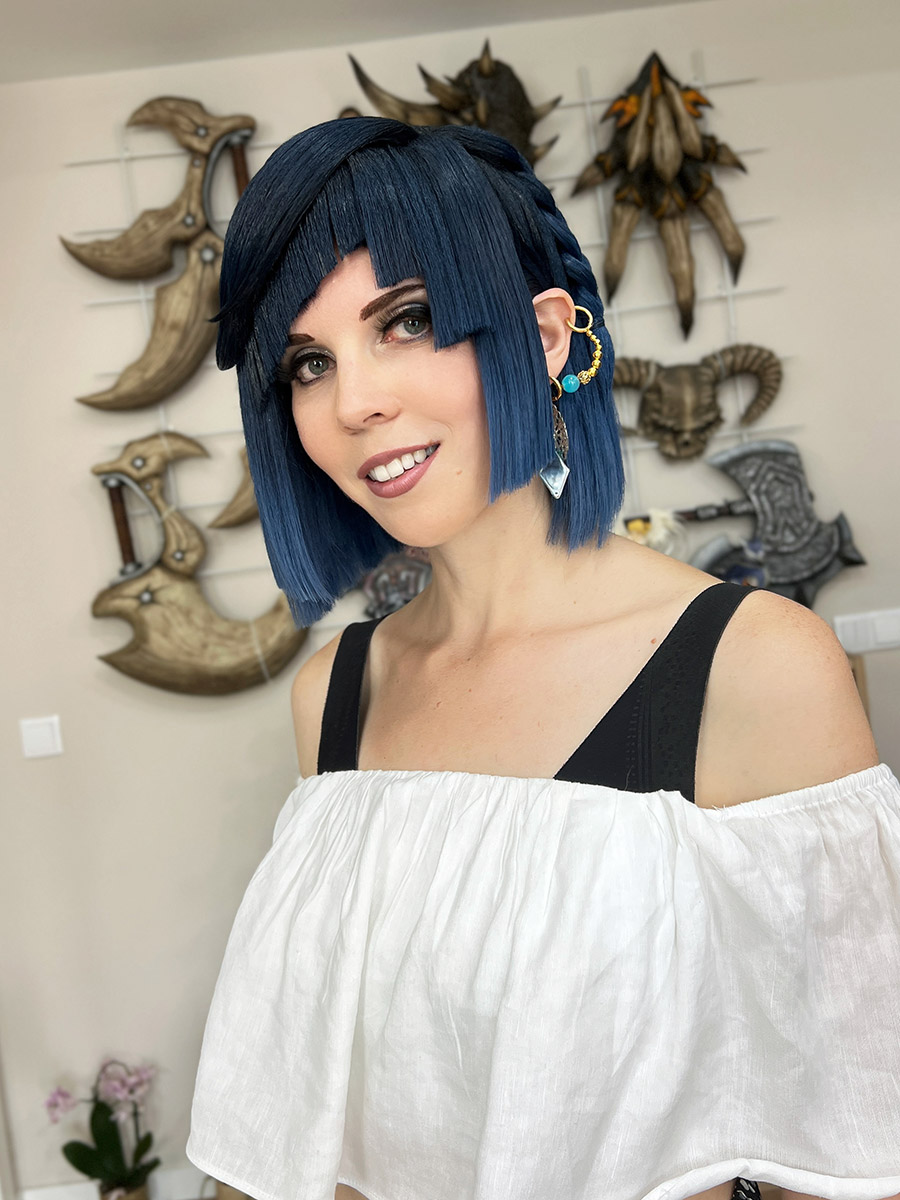
For the millions of players who traverse the sprawling landscapes of Genshin Impact, the characters of Teyvat are more than just lines of code; they are icons of style, personality, and lore. For world-renowned cosplayer Kamui Cosplay, these characters represent the ultimate creative challenge. Following a successful collaboration to bring the pirate captain Beidou to life, Kamui was tapped by HoYoverse to debut a new creation at Gamescom 2023. The choice was clear: Yelan, the mysterious intelligence operative.
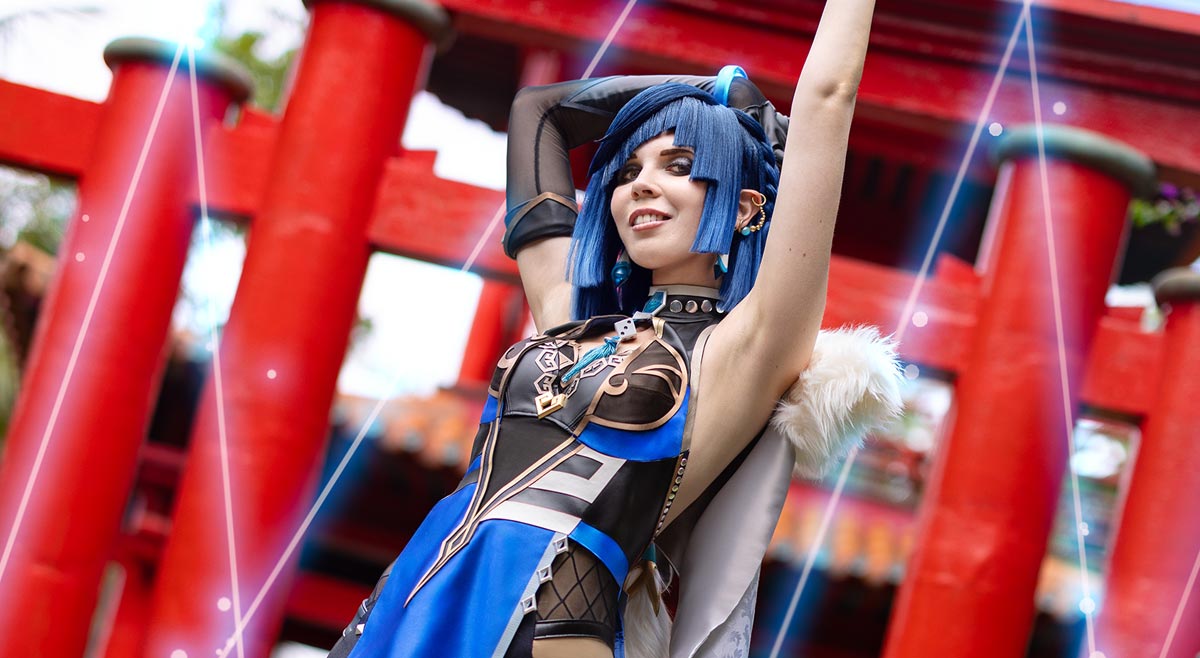
What began as an appreciation for Yelan’s sleek aesthetic and signature bow, the Aqua Simulacra, quickly evolved into one of the most complex fabrications of Kamui’s career. This article explores the intersection of digital asset utilization and traditional craftsmanship, chronicling the five-week journey to manifest one of Genshin Impact’s most elusive characters.
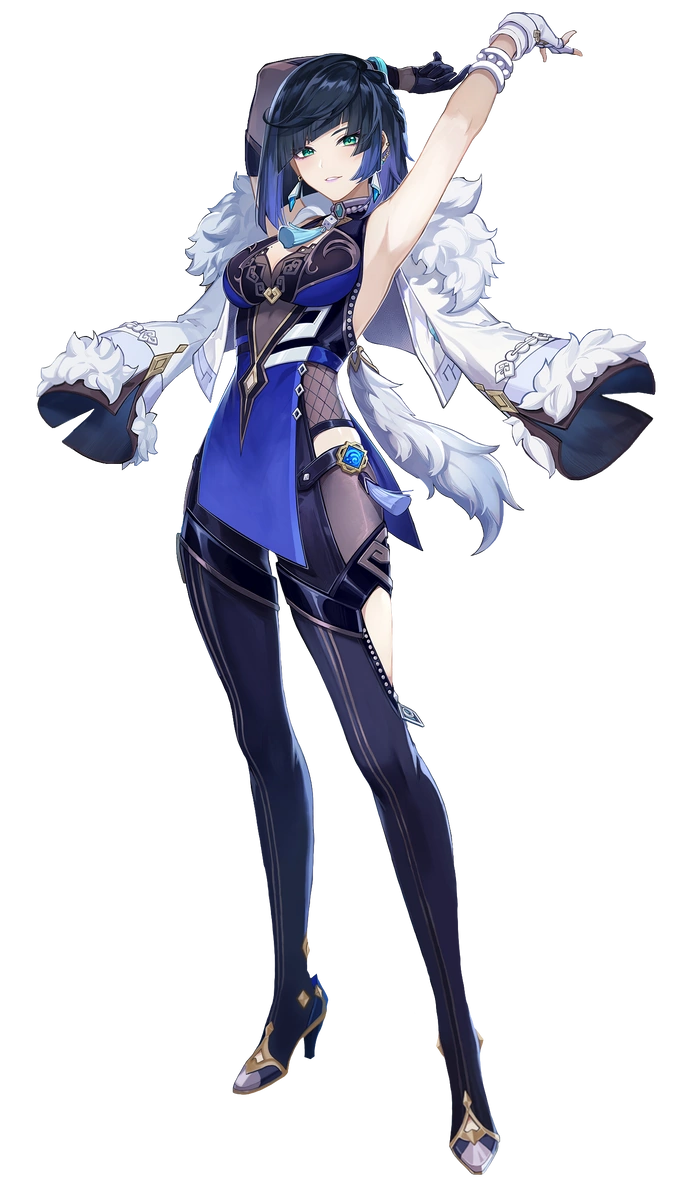
Chronology: A Five-Week Sprint to Gamescom
The project was defined by a tight deadline and an intimidating design. Unlike simpler costume builds, Yelan’s outfit required a mastery of both tailoring and prop engineering.
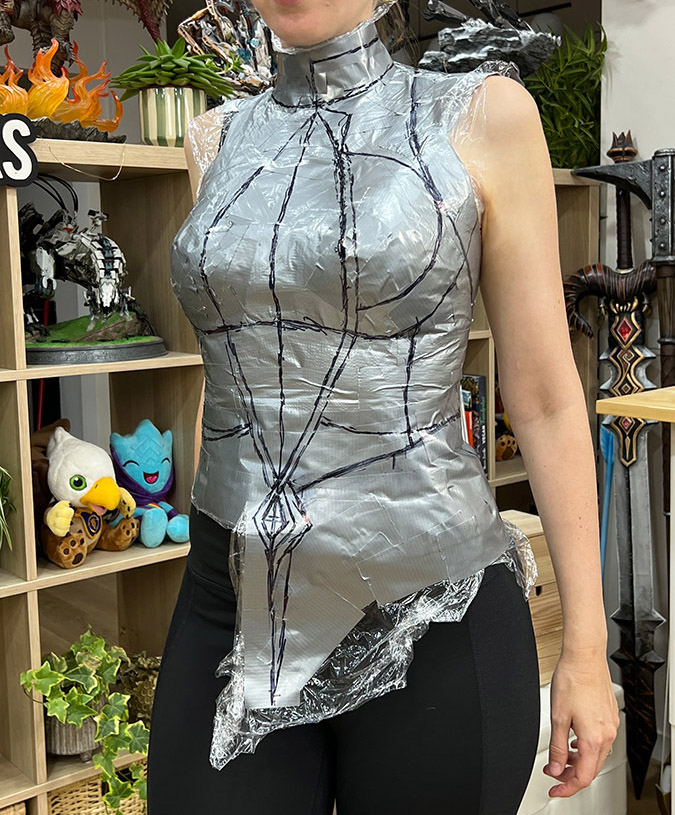
Week 1-2: The Foundation of the Dress
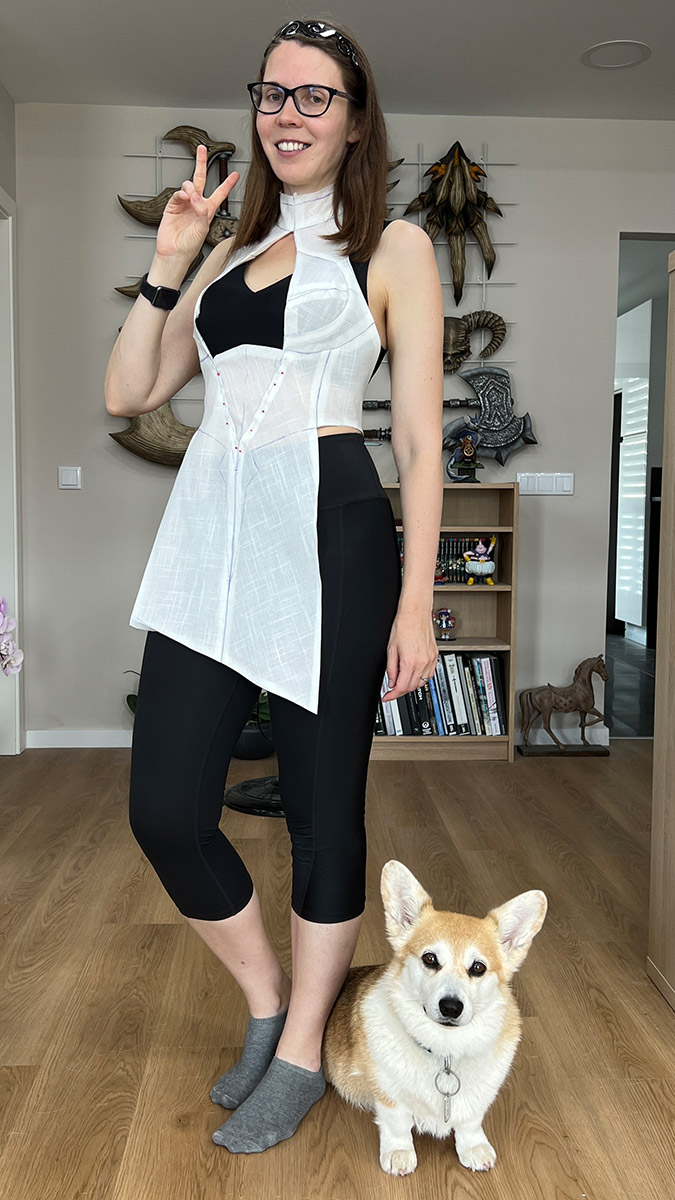
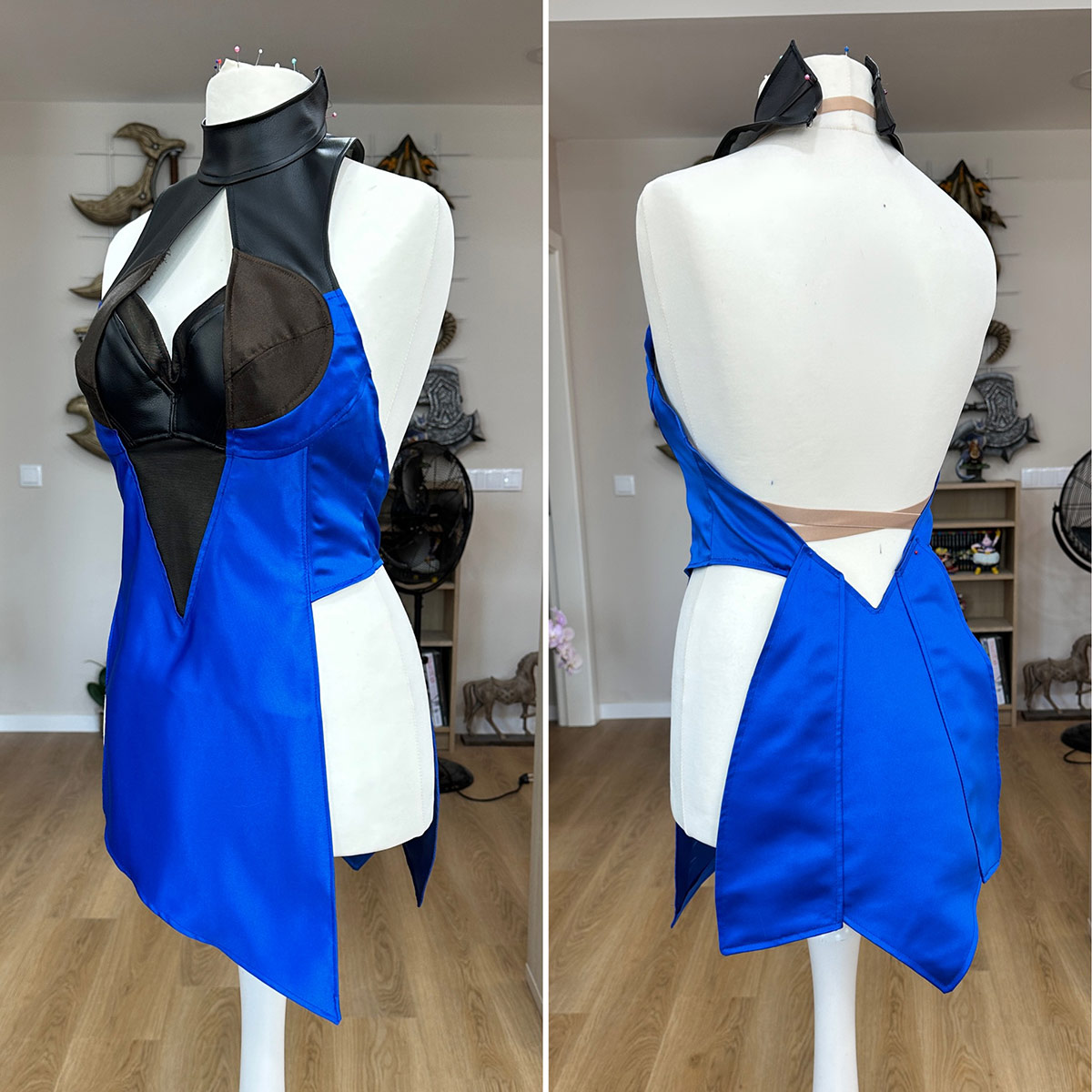
The initial phase focused on the most daunting element: the dress. Recognizing the need for a perfect silhouette, the team employed a "duct tape dummy" technique—a tried-and-true method for creating custom-fitted sewing patterns. By wrapping the body in duct tape and mapping out the seam lines, Kamui created templates that were later transferred to high-quality royal blue satin. The lack of stretch in the fabric combined with the garment’s open-back design presented significant structural challenges, necessitating a hidden, reinforced support system to ensure the piece remained functional for a high-traffic convention environment.
Week 3: The Illusion of the Floating Jacket
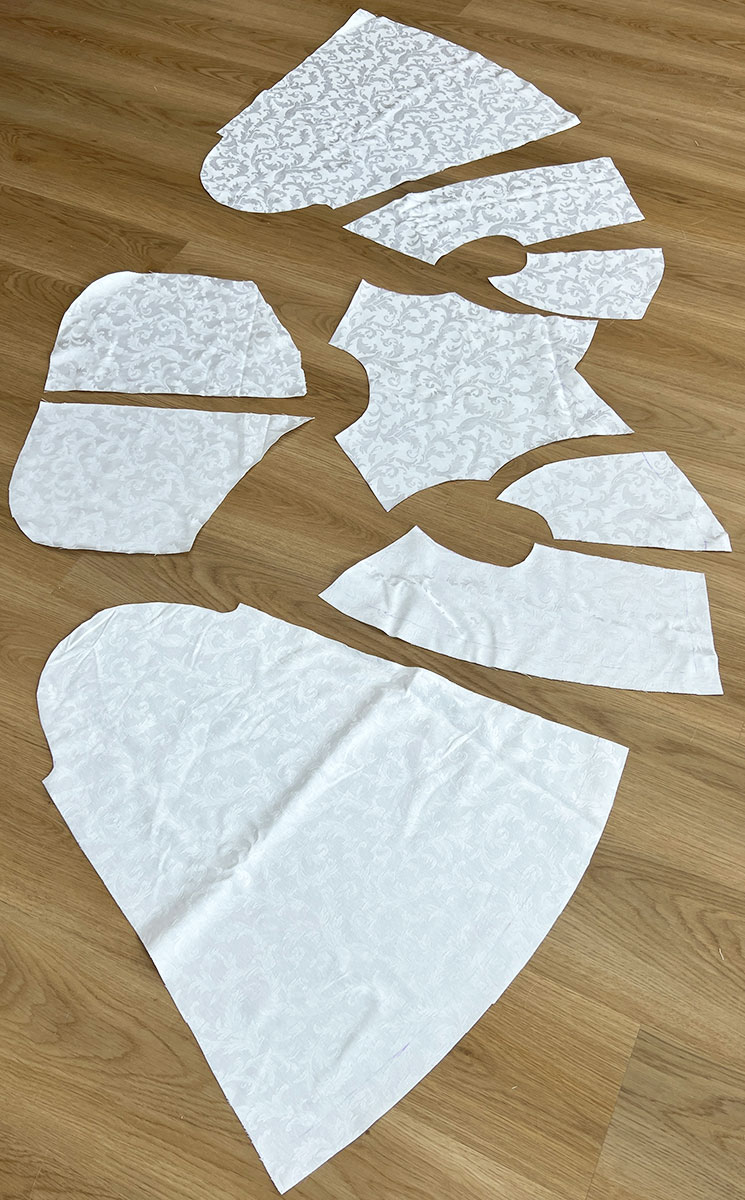
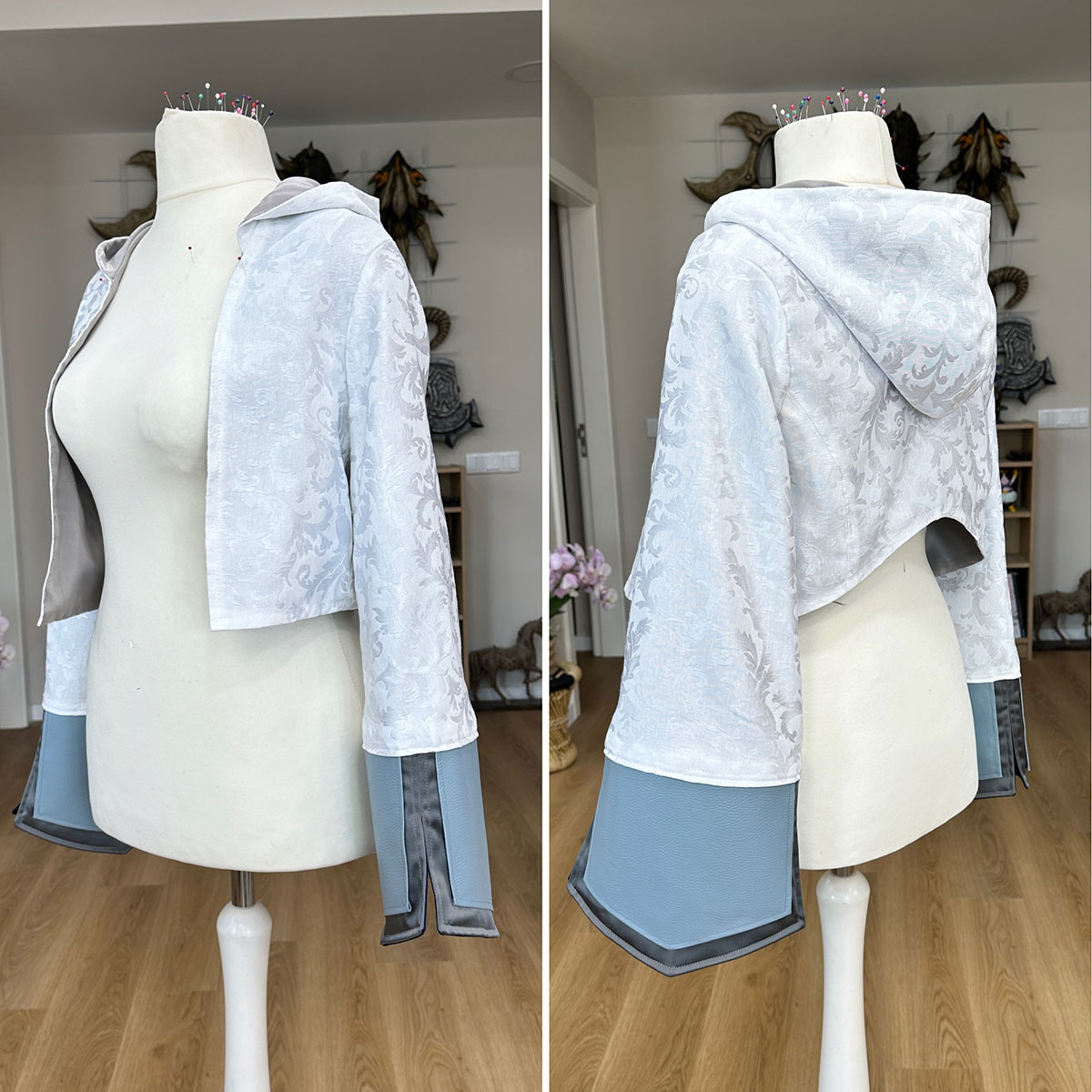
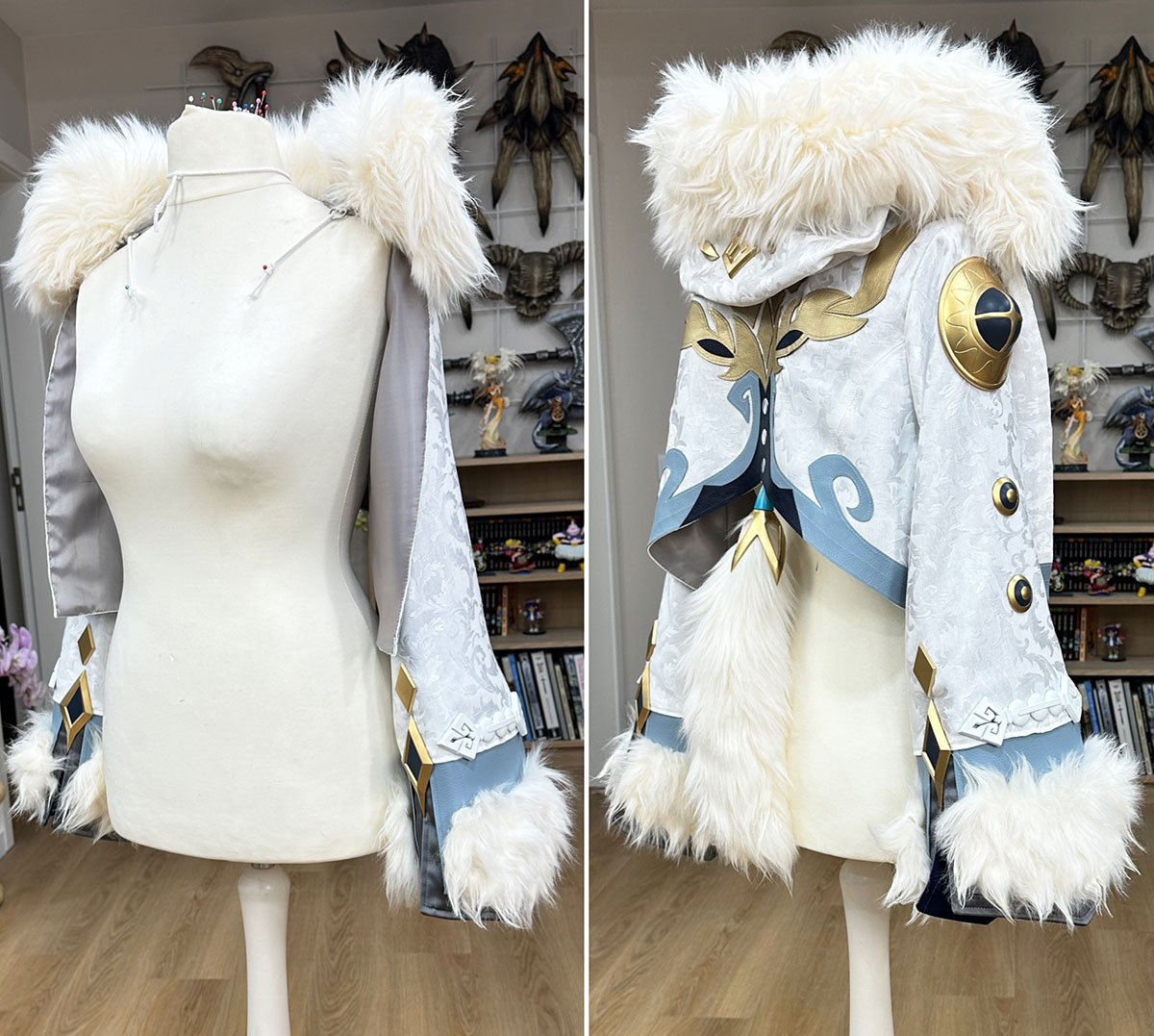
Yelan’s white jacket presented a paradox: in-game, it appears to float on her back, detached from traditional straps. To achieve this "magical" look, Kamui utilized a white brocade with subtle floral patterns, contrasting with the plain in-game texture to add a sense of physical weight and realism. The sleeves were heavily modified with grey and blue faux leather, increasing the garment’s heft. By using specialized laser-cutting for pleather accents and 3D-printing for the intricate hardware, the team created a piece that balanced artistic fidelity with the practical constraints of a wearable costume.
Week 4: Leggings, Gloves, and Asymmetry
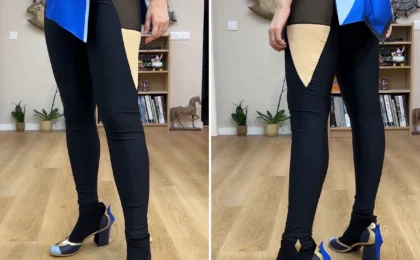
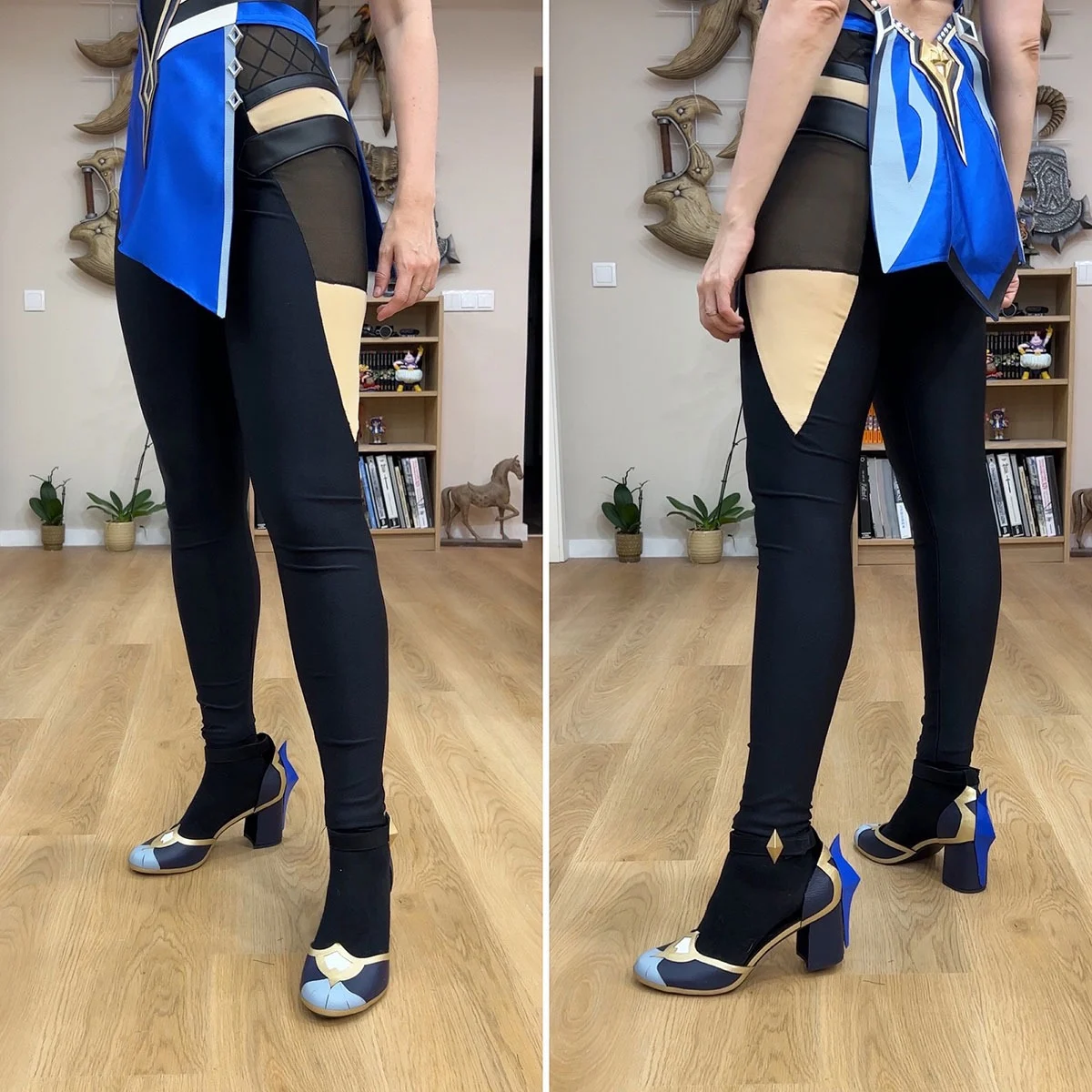
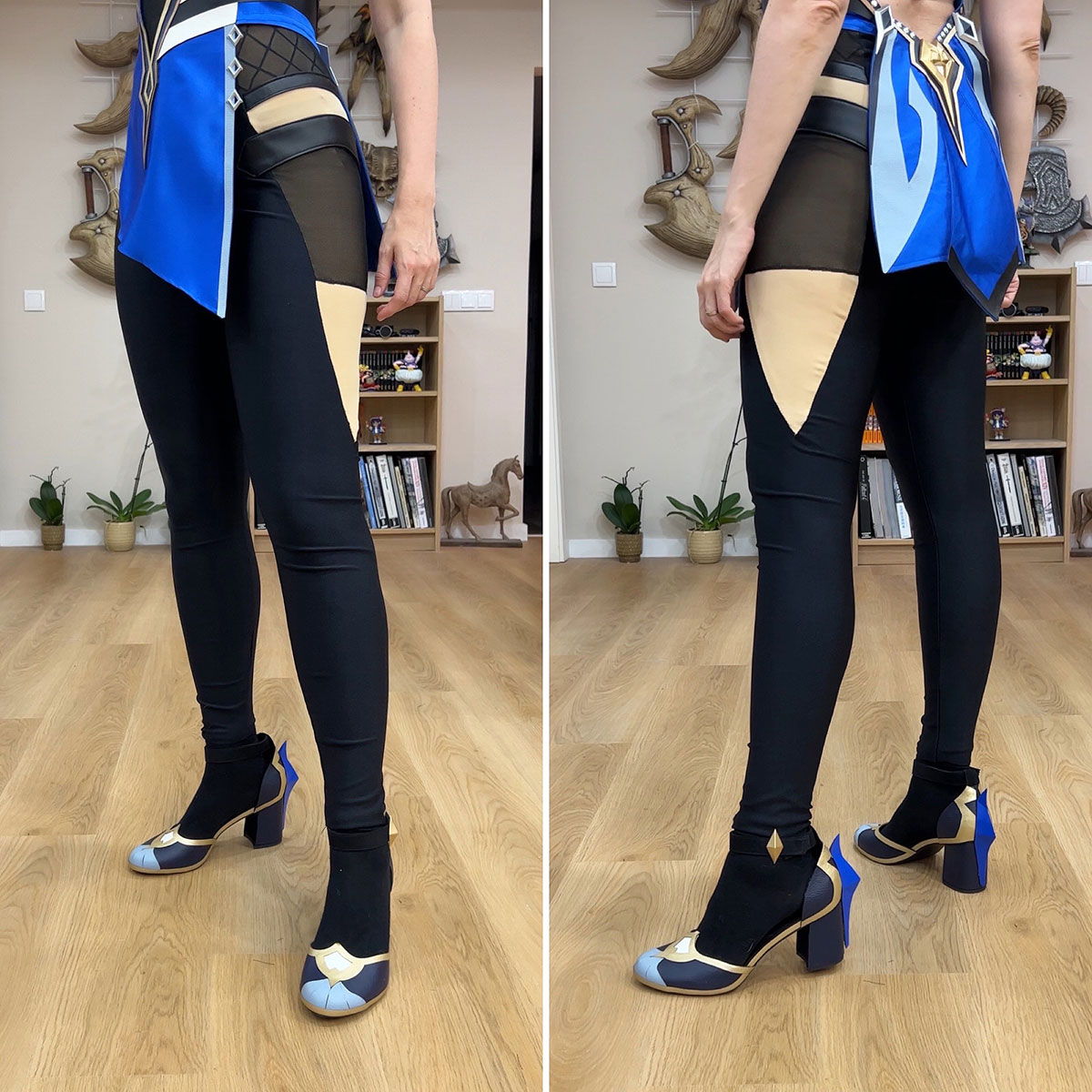
One of the most complex aspects of the build was the total lack of symmetry. Yelan’s leggings required five distinct types of fabric—ranging from delicate mesh to heavy faux leather—with each leg featuring unique cut-outs and gold ornamentation. Because the patterns could not be mirrored, each piece had to be drafted and sewn as an individual project. This meticulous approach was mirrored in the gloves, ensuring that the finished product captured the character’s refined, tactical aesthetic.
Week 5: Weaponry and Final Assembly
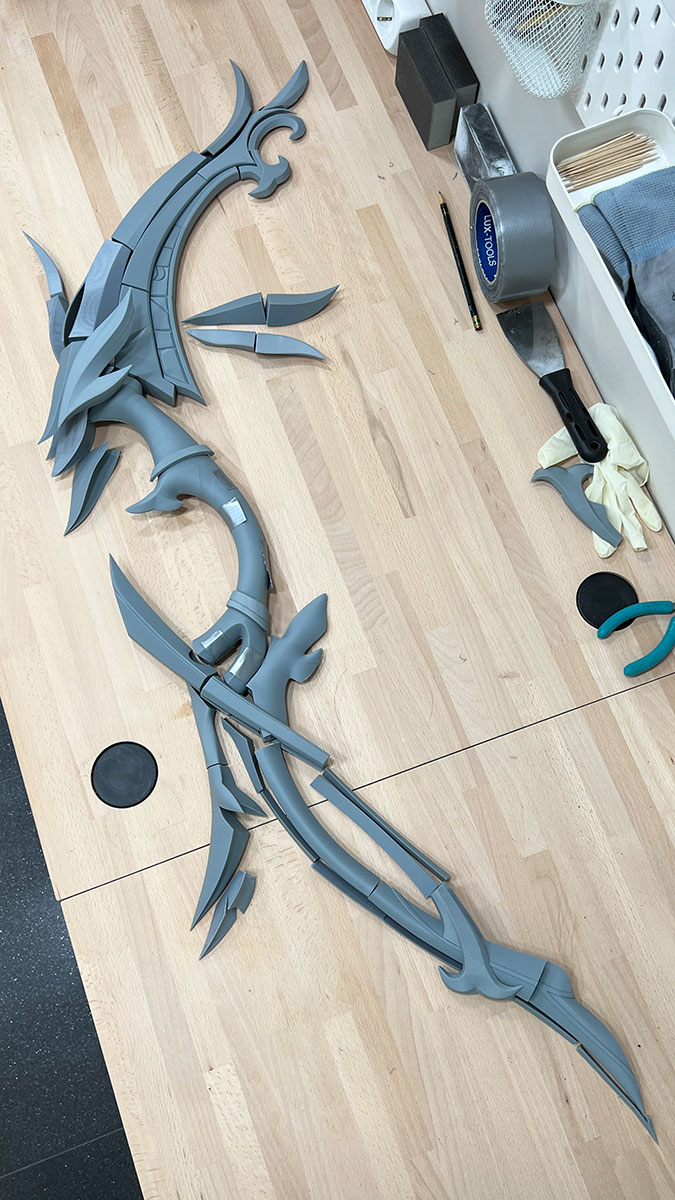
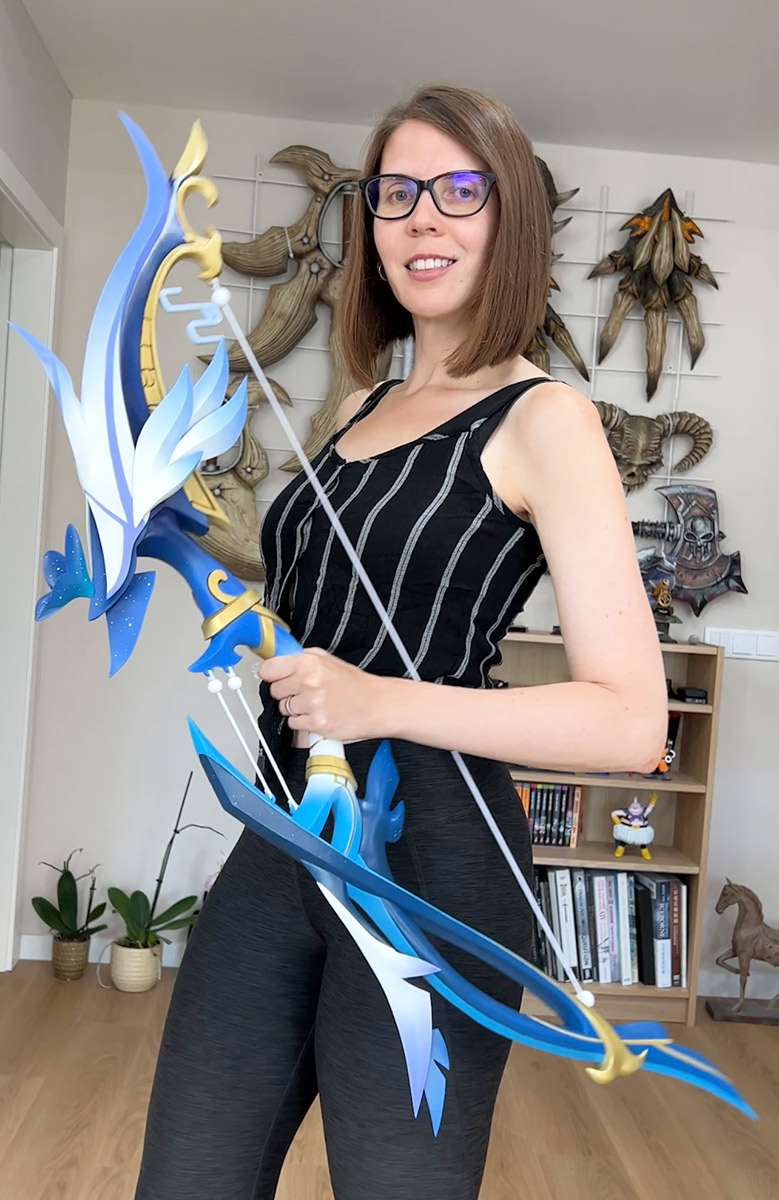
While Kamui handled the soft goods, collaborators Benni and Jakob took on the Aqua Simulacra. The process began in Blender, where the bow was sculpted from scratch. Following a week of printing, sanding, and structural reinforcement with PVC piping, the prop was painted with a gradient finish to match the in-game aesthetic. The final days were a flurry of hand-sewing, attaching hundreds of resin-printed details, and ensuring every component was durable enough for travel and public display.
Supporting Data: The Role of Official Assets
A pivotal aspect of modern high-end cosplay is the transition from static 2D art to 3D reference models. HoYoverse has revolutionized this process by providing access to official character 3D models via platforms like aplaybox.com.
For this build, these models served as the "ground truth." By importing these files into software, creators can measure proportions, analyze hidden details, and understand how fabric should drape or how hardware should sit on the body. This level of access has shifted the community from "interpretation" to "reconstruction," allowing for a level of accuracy that was impossible a decade ago. Kamui emphasizes that this resource is available not just for Genshin Impact, but for titles like Honkai: Star Rail and Zenless Zone Zero, encouraging creators to move beyond flat screenshots.
Official Responses and Industry Implications
The collaboration between HoYoverse and independent creators like Kamui Cosplay highlights a symbiotic relationship between developer and community. By providing the tools—such as 3D model files—developers empower cosplayers to act as brand ambassadors.
"I absolutely love how much HoYoverse supports the community," Kamui noted during the project. This sentiment is echoed by the broader cosplay community, which sees the availability of these files as an official endorsement of the fan-creation economy. The implication is significant: the barrier to entry for high-quality, professional-grade cosplay is lowering, while the expectation for "in-game accuracy" is rising.
Technical Specifications and Materials
The success of the Yelan project relied on a diverse inventory of materials and tools. To achieve the high-end finish required for a Gamescom debut, the team utilized:
- Fabric Palette: Heavy royal blue satin, white floral brocade, black/grey faux leather, and delicate mesh.
- Fabrication Hardware: Flux Beambox Pro (laser cutter) for clean edge details, and high-performance resin printers for small, intricate accessories.
- Structural Adhesives: Specialized fabric glues and industrial-strength bonding agents to ensure that 3D-printed elements remained attached to various textile surfaces during the physical rigors of a convention.
- Wig Styling: Professional commission by Krystl Cosplay to achieve the specific structural requirements of Yelan’s hair.
Conclusion: The Value of the "Hand-Made" Ethos
Despite the rise of pre-made, mass-produced costumes, the Yelan project serves as a testament to the enduring value of the "made from scratch" philosophy. As Kamui reflects, the experience was "incredibly draining" and "one of the hardest" builds to date.

The project underscores a vital lesson for the cosplay community: the importance of task segmentation. By focusing solely on one piece at a time—the dress, then the jacket, then the leggings—the project avoided the paralysis of total scale. The final reveal at the Monte Palace Garden in Madeira served as the ultimate payoff, transforming months of technical frustration into a singular, iconic vision of Yelan.

For those looking to replicate such a project, the path is clear: leverage the official assets provided by developers, surround yourself with a skilled team, and, above all, maintain a one-step-at-a-time mentality. The resulting work is not just a costume, but a masterclass in modern digital-to-physical craftsmanship.