
 Evan Lee Salim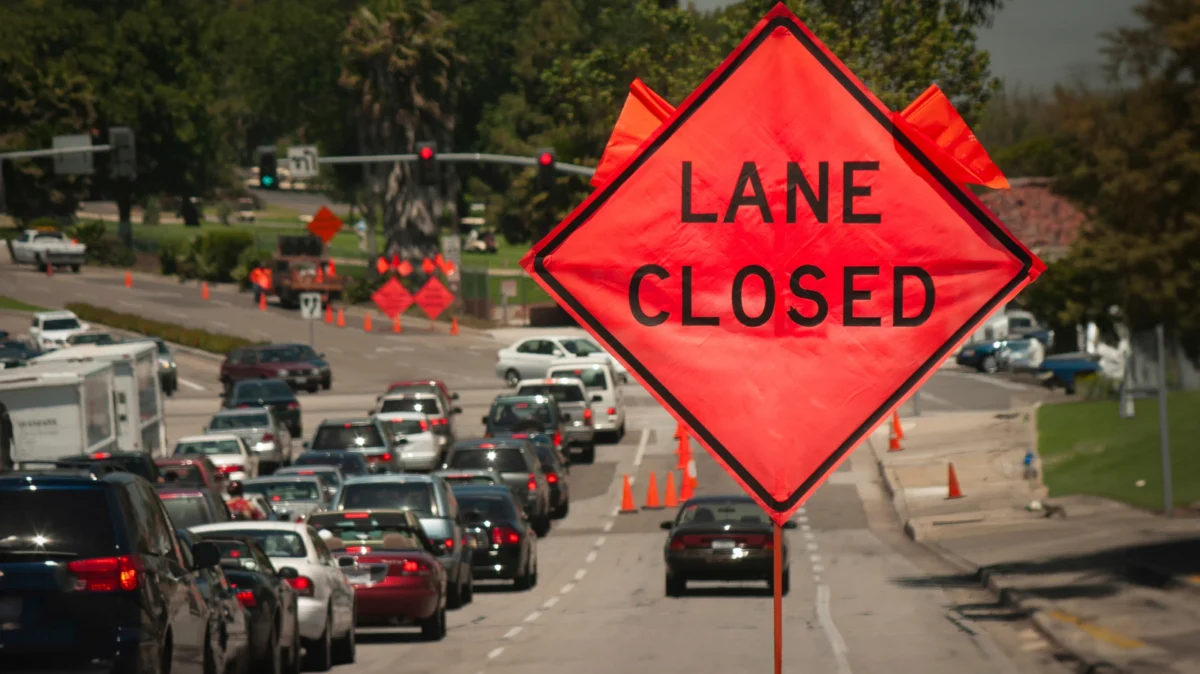
For millions of American commuters, the daily trek to and from work has become a test of patience. According to data from the 2025 Inrix Traffic Scorecard, the average American driver now spends nearly 50 hours a year trapped in bumper-to-bumper congestion, an increase from 44 hours in 2024. As urban centers like Chicago, Los Angeles, and Atlanta grapple with crumbling infrastructure and rising vehicle density, the U.S. Department of Transportation has identified a singular, persistent culprit for highway bottlenecks: the inefficient merge.
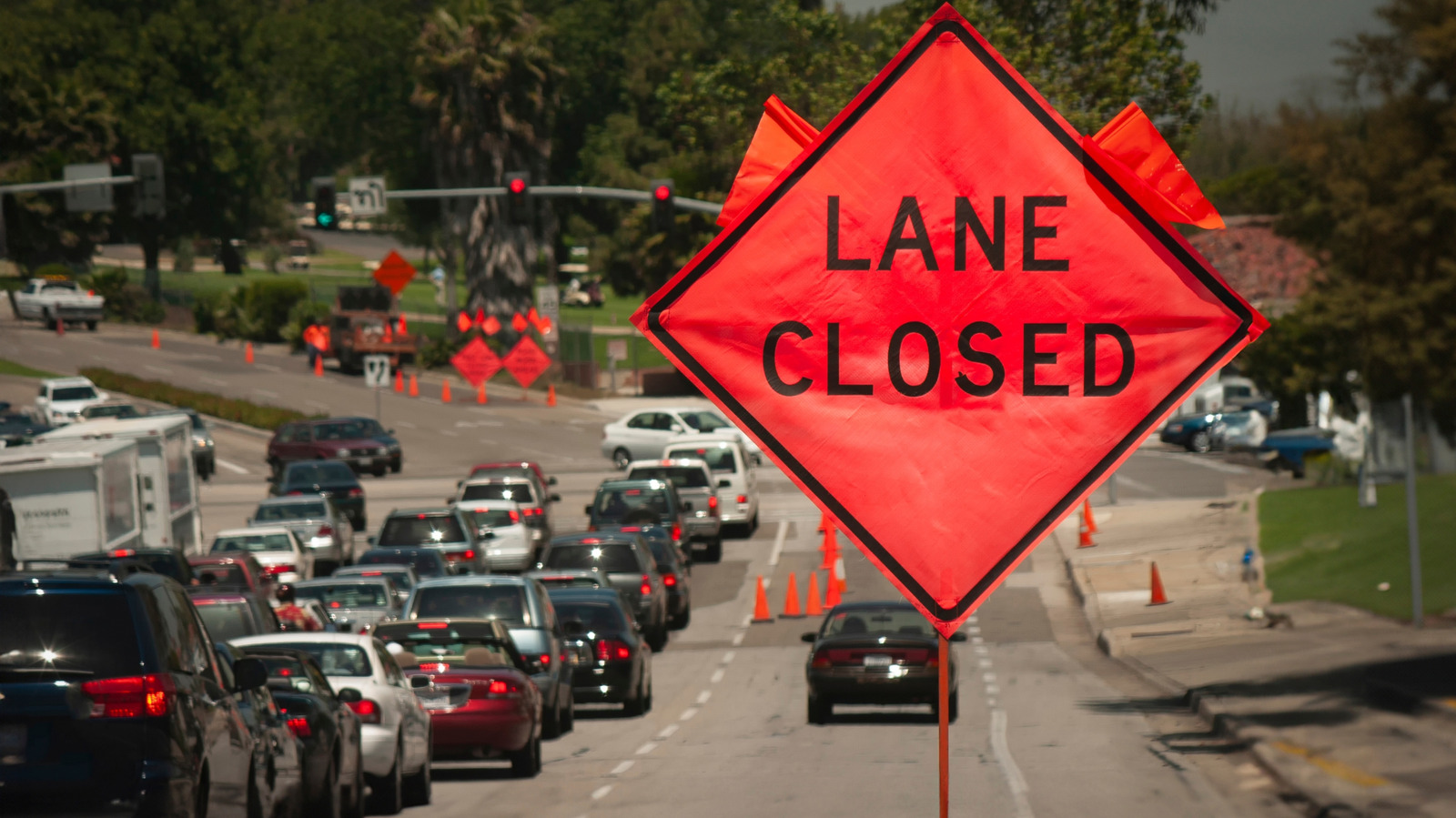
While severe weather and accidents are inevitable, the way drivers handle lane closures—specifically the "zipper merge"—remains a point of contention that exacerbates gridlock. Despite its proven ability to optimize traffic flow, the practice is frequently misunderstood, ignored, or actively obstructed by motorists who view it as a breach of social etiquette.
Understanding the Mechanics: What is the Zipper Merge?
The "zipper merge" is a traffic management strategy designed for scenarios where a lane is ending due to construction or an obstacle. Instead of the traditional behavior—where drivers merge into the open lane as early as possible—the zipper method dictates that vehicles should continue to use both lanes until the merge point. At that point, motorists from the ending lane and the open lane should alternate, "zipping" together like the teeth of a zipper.
The effectiveness of this method relies on two critical factors: the utilization of the full length of the road and the cooperative nature of the drivers involved. When motorists merge early, they create long, static lines of traffic that increase the risk of rear-end collisions and cause backups that can stretch for miles. By utilizing the entire length of both lanes, the physical footprint of the traffic jam is significantly reduced, and the flow remains consistent.
However, the practice is not a universal panacea. It is intended specifically for heavy, slow-moving traffic—not for high-speed highway driving. Rushing to the front of a line during free-flowing traffic is dangerous and counterproductive, which is why the zipper method is reserved for specific, congested construction zones where traffic has already come to a crawl.
The Chronology of an Adopted Global Standard
The concept of the zipper merge is far from a modern invention. European nations, which often face tighter urban corridors and higher population densities, adopted this approach years ago. Germany, known for its rigorous approach to automotive efficiency, officially integrated the zipper merge (known as Reißverschlussverfahren) into its driving regulations as early as 2001.
Belgium followed suit in 2014, codifying the practice into law to ensure that drivers understood their obligation to alternate at lane closures. By mandating the behavior, these countries shifted the cultural perception of merging from a "polite suggestion" to a "traffic requirement."
In North America, the adoption has been more fragmented. Various Canadian provinces, such as British Columbia, have launched public awareness campaigns, installing signage that explicitly instructs drivers to "take turns" at merge points. In the United States, the push for the zipper merge began in the early 2010s, with states like Minnesota and Missouri leading the charge. These departments of transportation (DOTs) attempted to re-educate the public, framing the zipper merge as a tool for collective good rather than individual gain.
Supporting Data: The Case for Efficiency
The mathematical argument for the zipper merge is compelling. A landmark 2013 study in Minnesota provided some of the first concrete data for U.S. officials, suggesting that the practice could reduce traffic congestion by as much as 40%. The logic is sound: by keeping two lanes moving, the total throughput of the highway is maintained, and the "shockwave" effect—where one person tapping their brakes causes a ripple of stops behind them—is dampened.
The Missouri Department of Transportation (MoDOT) has cited even more optimistic figures, suggesting that when properly executed, the zipper merge can reduce congestion by up to 50%. These reductions are achieved by eliminating the "early merge" mentality that forces traffic to back up unnecessarily.
Furthermore, the zipper merge is just one of several strategies being employed to manage the disparity in vehicle speeds. Similar to the implementation of "minimum speed limit" signs, the goal is to create a homogenous flow of traffic. When the speed differential between vehicles is minimized, the number of lane changes decreases, and the overall safety of the highway environment improves.
Official Responses and the Legal Landscape
Despite the data, the legal status of the zipper merge remains murky. There is no federal mandate requiring the practice, leaving it to the discretion of state legislatures. This has resulted in a patchwork of regulations that confuses cross-state commuters.
Some states have taken the step of formalizing the practice. For instance, Utah’s code (41.6a-903.1) explicitly mentions the "zipper method," providing a clear legal framework for how drivers should behave. In Illinois, the Rules of the Road publication includes specific instructions on the practice, and drivers can theoretically face fines for failing to adhere to merge signs or for aggressive behavior that prevents proper merging.
Conversely, other states have been more hesitant. Tennessee officials have publicly expressed skepticism, citing the "human factor." A statement from the Tennessee Department of Transportation noted that while the theory is sound, "it requires a significant amount of not only public education, but also public compliance." Many departments, including some in Arizona, have privately expressed that while the zipper merge is ideal, it requires a level of "civilian altruism" that is difficult to enforce in the real world.
The Psychological Barrier: Why Drivers Resist
If the science supports it, why do so many American drivers treat the zipper merge with hostility? The answer lies in the deeply ingrained socialization of the American driver.
"From kindergarten on, we’re told we need to stand in line and stay in place in line," explains Kevin Gutknecht of the Minnesota DOT. This "first-come, first-served" mentality is a cornerstone of American culture. When a driver has been sitting in the left lane for ten minutes, watching cars pass them in the right lane, they perceive those drivers as "cheaters" or "cutters."
This creates a high-tension environment. The driver who uses the full lane is often "blocked" by angry motorists who straddle the lane line to prevent them from passing. This, in turn, fuels road rage. According to data from Consumer Affairs, states like Louisiana face significant challenges with aggressive driving, and when you combine that aggression with a misunderstood traffic rule, the result is often a volatile situation.
The irony is that the "early merger" is often the one creating the problem. By moving over early, they effectively remove a lane from service, doubling the density of the open lane and creating the very bottleneck they are trying to avoid.
Implications for the Future of Infrastructure
The failure of the zipper merge to gain universal traction serves as a case study in the limitations of infrastructure management. It demonstrates that engineering solutions alone are insufficient; they must be paired with aggressive public education and cultural shifts.
As the U.S. continues to deal with aging highways and increased congestion, the debate over the zipper merge will likely intensify. For now, the most effective path forward for most states is a mix of clearer, more assertive signage and consistent enforcement. However, until the general public stops viewing the zipper merge as a violation of their personal rights and starts viewing it as a communal necessity, the "bottleneck" will remain an enduring feature of the American commute.
For the individual driver, the best approach remains clear: check your state’s local DMV guidelines, stay calm, and understand that in a properly functioning zipper merge, no one is "cutting." Instead, everyone is simply moving, one car at a time, toward their destination.


 Raul Delapena Setiawan
 Neng Nana




