Muslim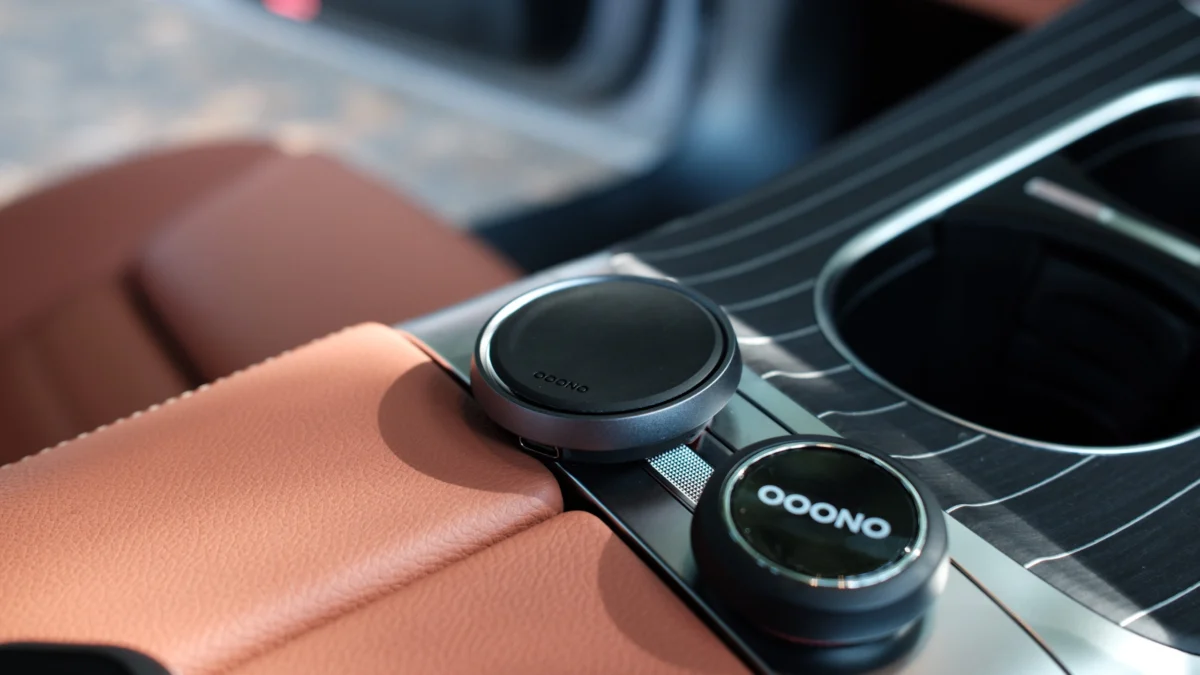
In an era of increasing road surveillance, the digital noose around the neck of the average motorist is tightening. Automated enforcement—ranging from traditional speed cameras to high-tech, AI-powered traffic monitoring systems—has become a fixture of modern infrastructure. For many drivers, the consequences are clear: a sharp rise in fines, penalty points, and insurance premiums.
According to recent data from the DVLA, the number of UK drivers receiving penalty points for speeding offenses surged by 32% between 2022 and 2025. Simultaneously, road safety advocates at IAM RoadSmart have confirmed that both the volume of fines issued and the accumulation of penalty points have hit a four-year high. Across the Atlantic, the United States is witnessing a similar, albeit more contentious, trend. With various states rapidly adopting AI-driven traffic cameras capable of detecting not just speed, but seatbelt usage and mobile phone distraction, the landscape of driving is changing fundamentally.
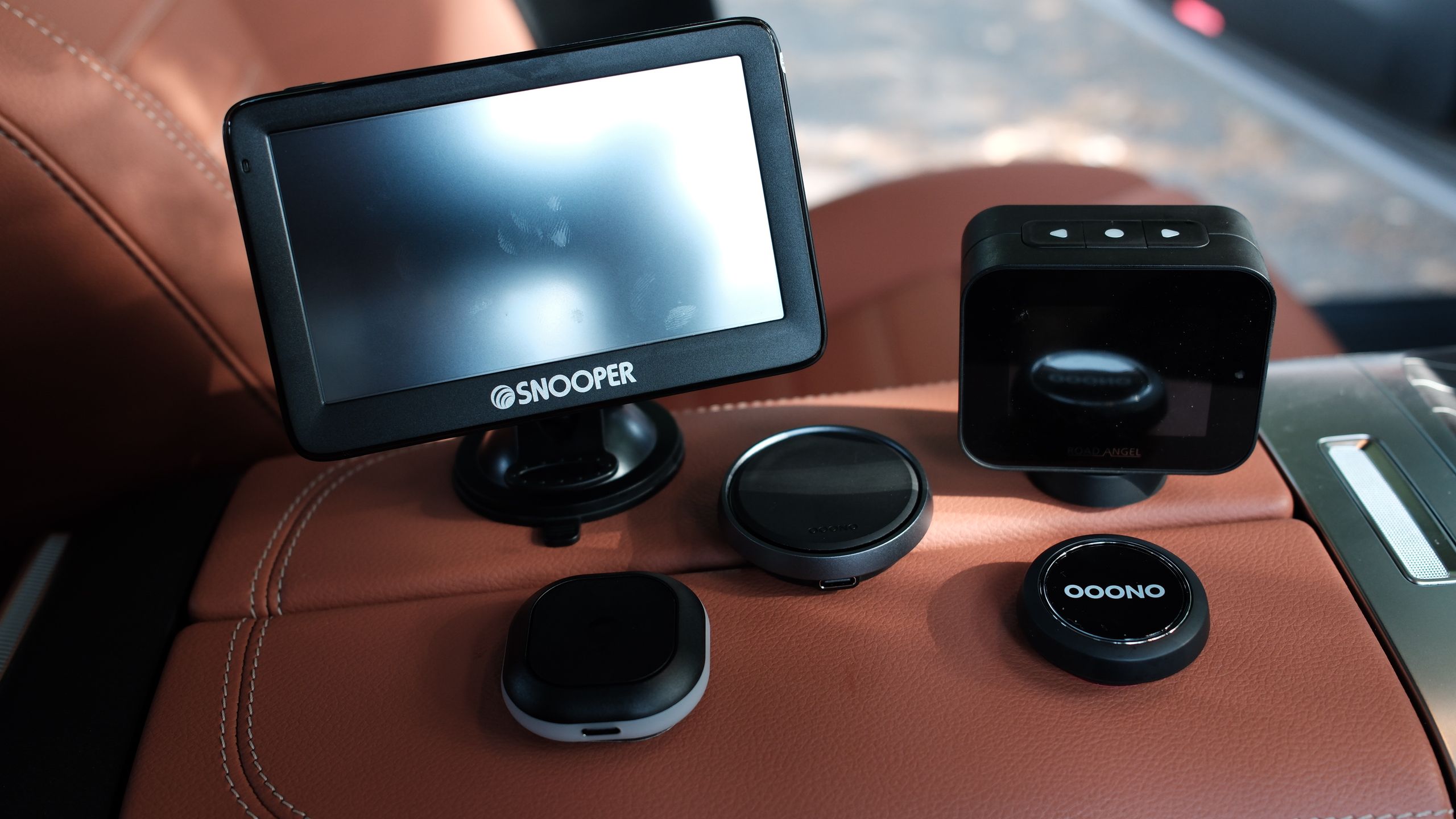
As the pressure mounts, a specialized niche of consumer technology has emerged: the GPS speed camera detector. These devices, which range from discreet, screen-less hardware to full-color navigation units, are designed to keep drivers informed of hazards and enforcement zones. After spending a month putting the leading models through their paces, it is time to determine which, if any, deserves a permanent spot on your dashboard.
The Rise of Automated Enforcement: A Chronology of Surveillance
The evolution of traffic enforcement has been rapid, moving from the human-operated radar guns of the late 20th century to the sophisticated, networked systems of today.
- Early 2000s: The proliferation of fixed, "Gatso" style speed cameras became the standard across Europe and parts of North America. These systems were static, predictable, and easily avoided by locals who knew their locations by heart.
- 2010–2018: The introduction of Average Speed Check (ASC) zones changed the game. By calculating a vehicle’s speed between two points, these systems eliminated the "slow down for the camera, speed up after" tactic.
- 2020–Present: We are currently in the era of "Smart" enforcement. Modern cameras utilize infrared, AI-based computer vision, and interconnected cloud databases. These systems can identify license plates in near-total darkness and track vehicles across multi-lane highways with unprecedented accuracy.
This shift has created a market for aftermarket devices that leverage real-time community data to provide a "heads-up" to the driver. While smartphone apps like Waze and Google Maps offer similar functionality, dedicated hardware seeks to provide a more reliable, hands-off experience.
Supporting Data: The Case for Caution
The statistics provided by traffic authorities are clear: enforcement is no longer localized; it is ubiquitous. The 32% increase in UK penalty points highlights that drivers are struggling to adapt to changing speed limits, particularly in urban environments where 20mph zones are becoming the default.
Many of these violations are "accidental"—the result of a driver failing to notice a change in signage amidst the visual clutter of modern city roads. This is where the value proposition of a GPS detector lies. Unlike a navigation system that requires a destination to be entered, these detectors operate in the background, constantly monitoring the vehicle’s position against a database of known speed cameras and potential hazards.
The Legality Spectrum
It is critical to note that the legality of these devices is a patchwork of international regulations. In the UK and much of Europe, passive GPS detectors—which do not interfere with radar signals but instead rely on a database—are perfectly legal. In contrast, in certain parts of the United States and several European countries, laws regarding "radar jammers" or active detectors are strict. Always verify the specific regulations of your jurisdiction before installation.
The Contenders: Evaluating the Hardware
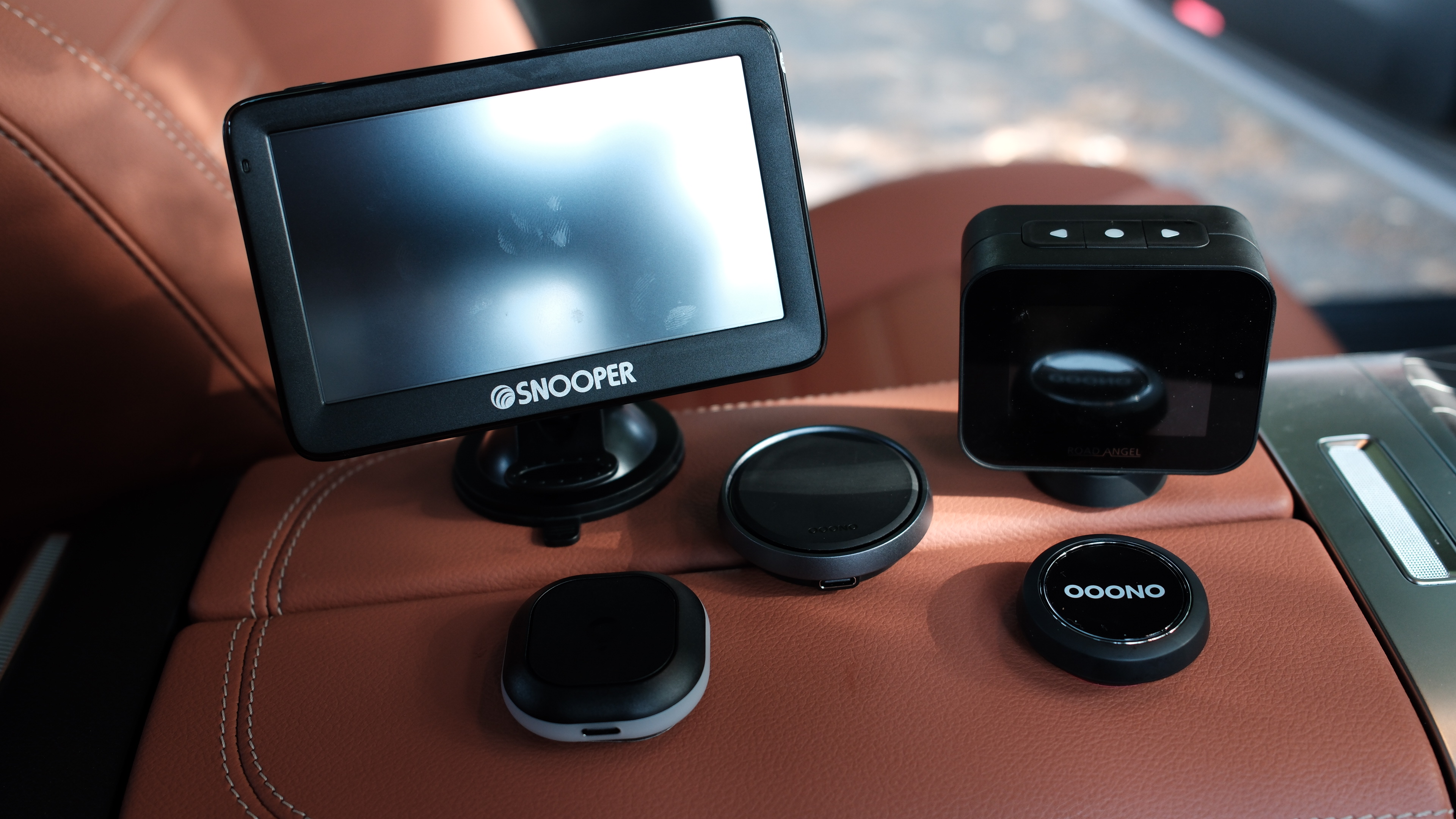
I have rigorously tested five of the most popular devices on the market to evaluate their efficacy, ease of use, and overall value.
1. Ooono Co-Driver NO2
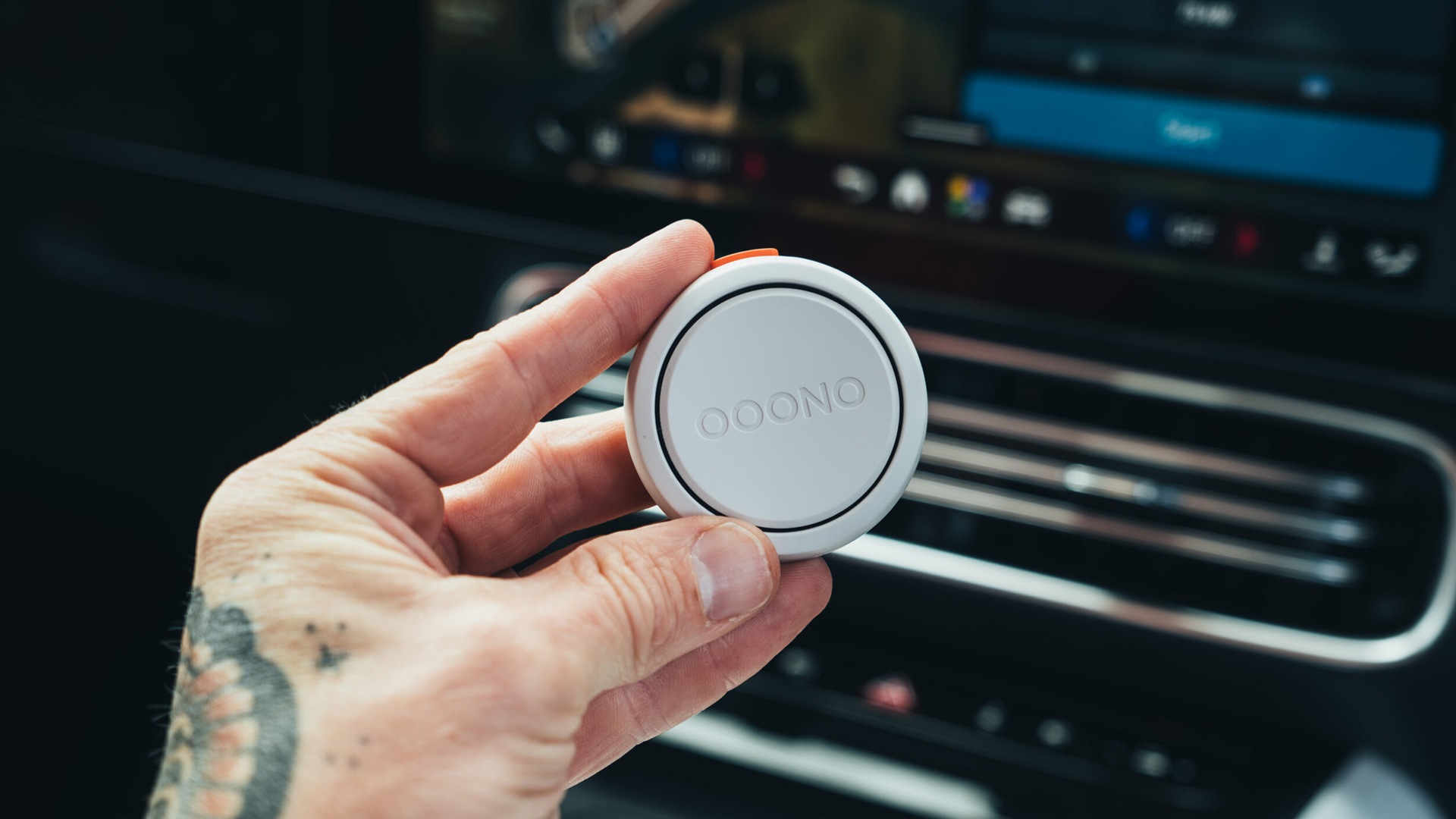
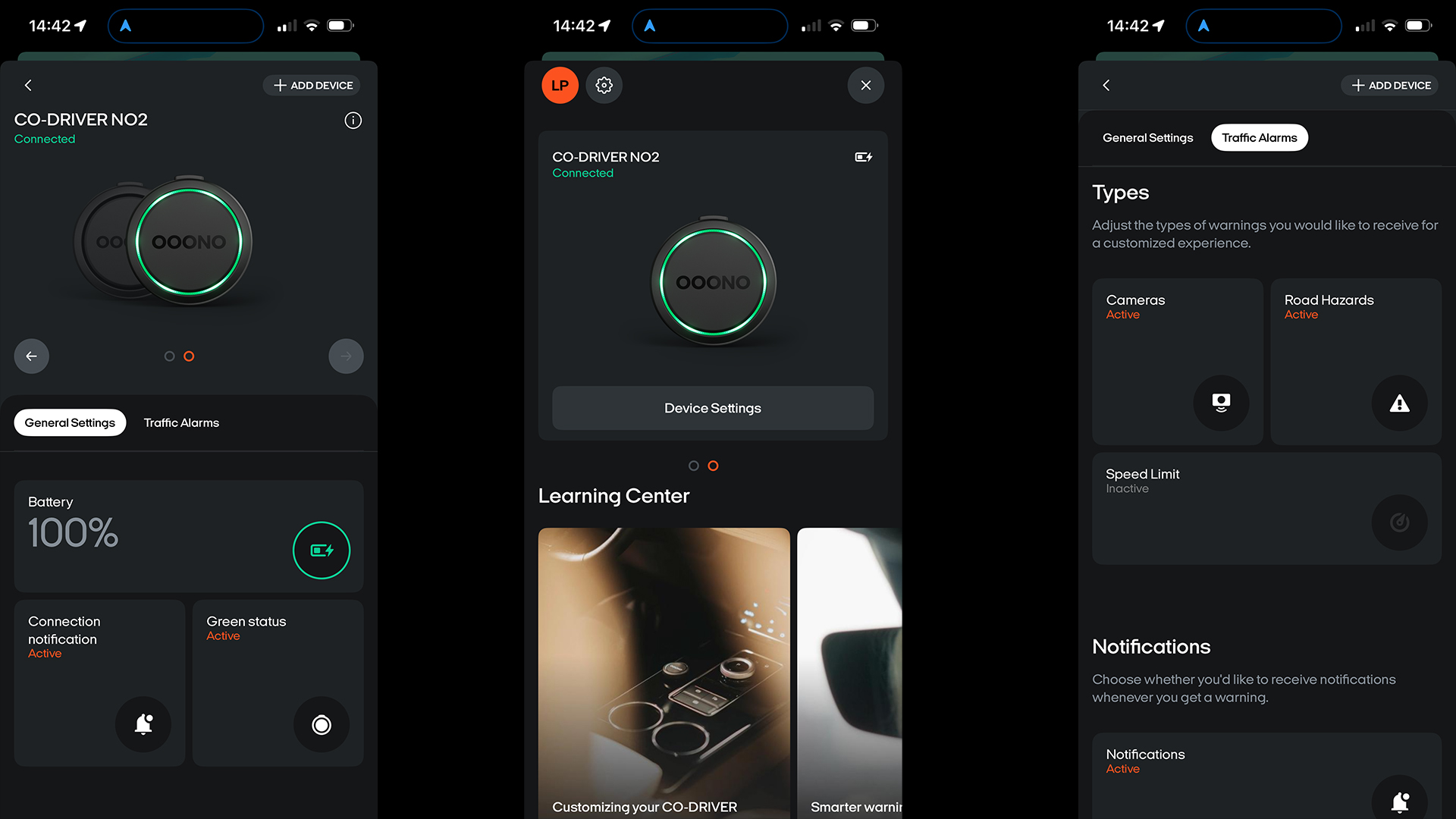
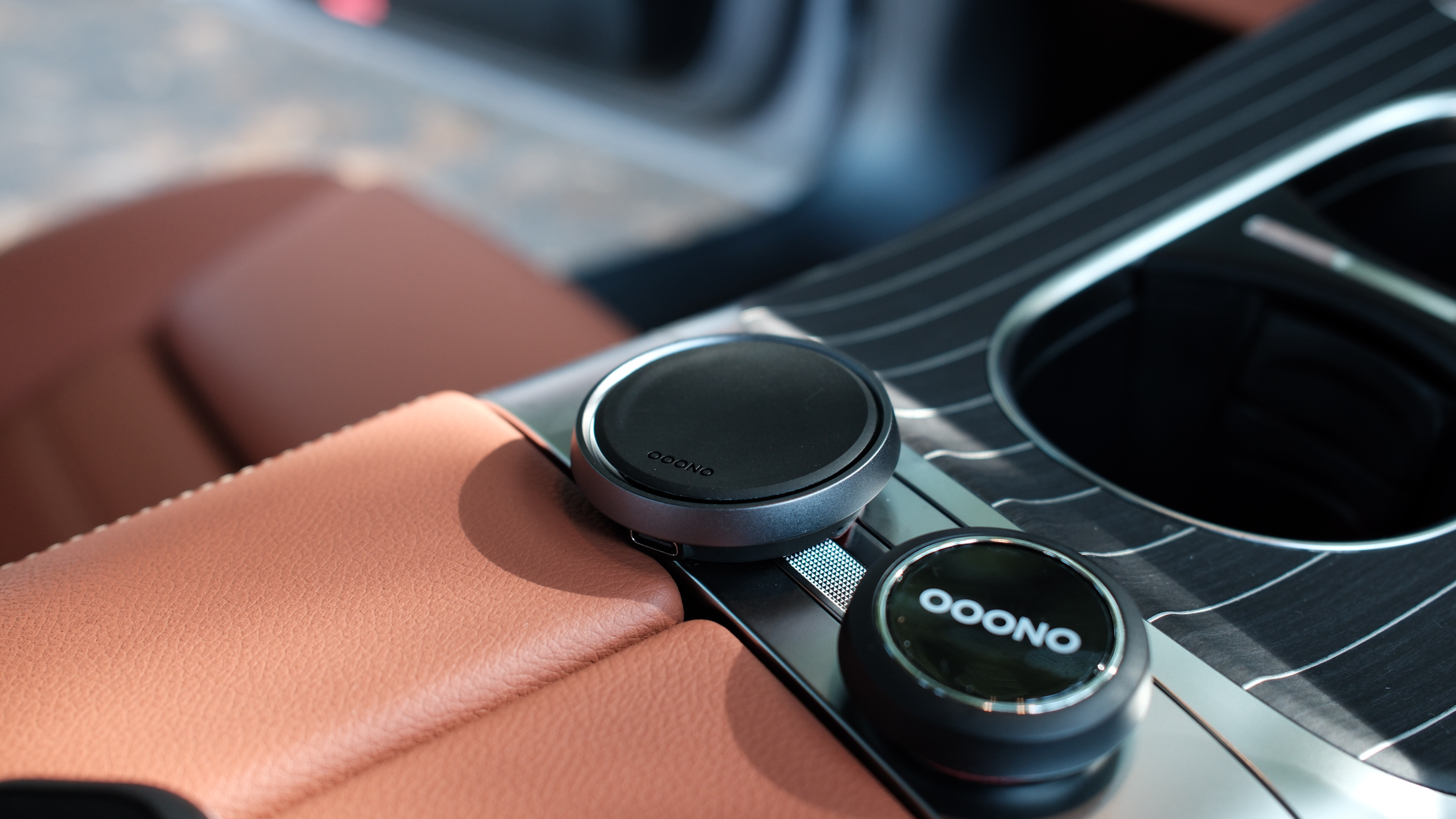
The Ooono Co-Driver NO2 is, without question, the current benchmark. Its design is minimalist—a small, circular puck that attaches to the sun visor or dashboard.
- Performance: It pairs seamlessly with both Apple CarPlay and Android Auto, pushing alerts directly through the vehicle’s audio system.
- Usability: It wakes up automatically when it detects your phone nearby and the car ignition starts. Its community-driven database is exceptionally fast, allowing users to report new hazards with a simple button press.
- Verdict: It is the most "set and forget" device available.
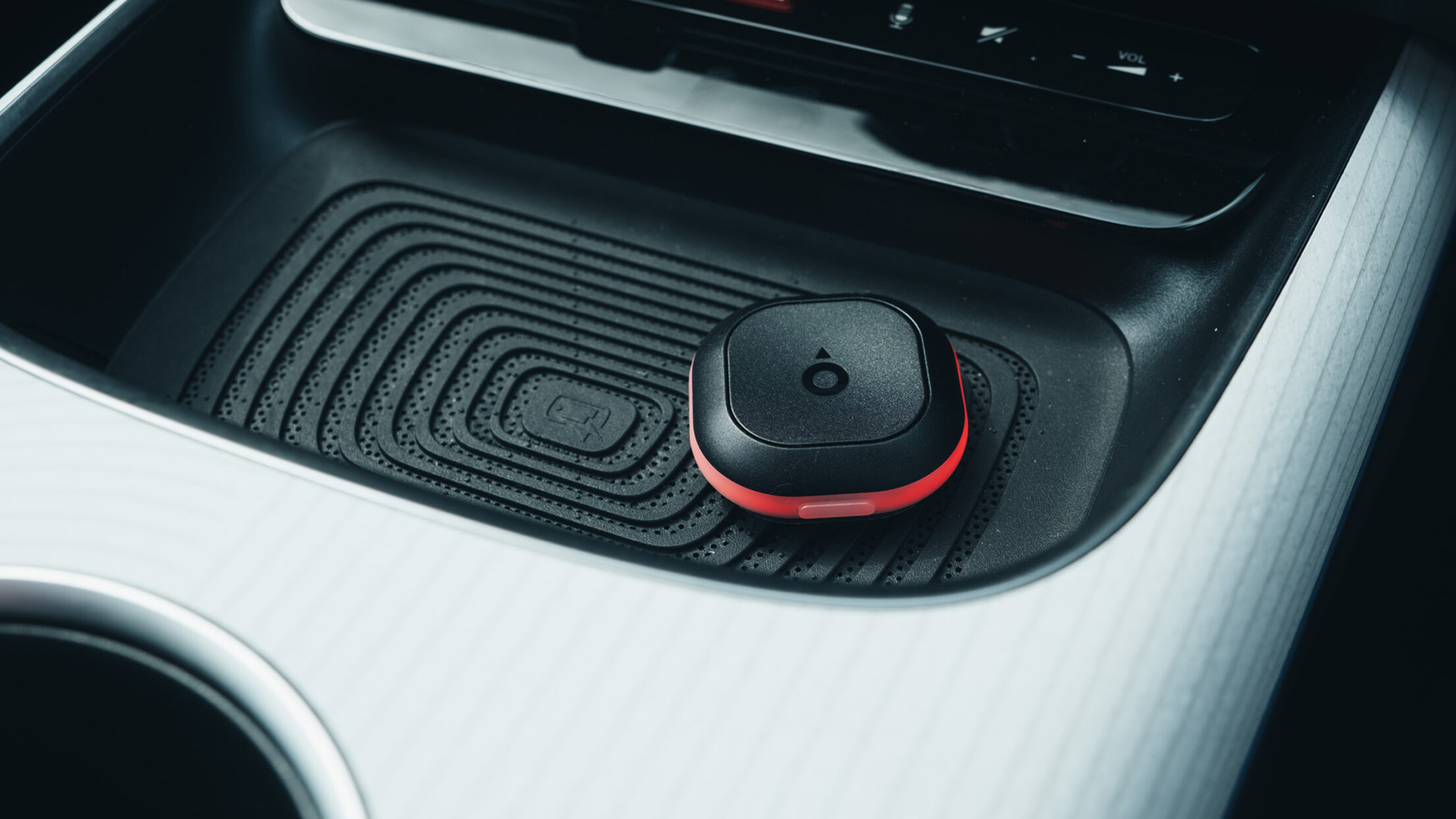
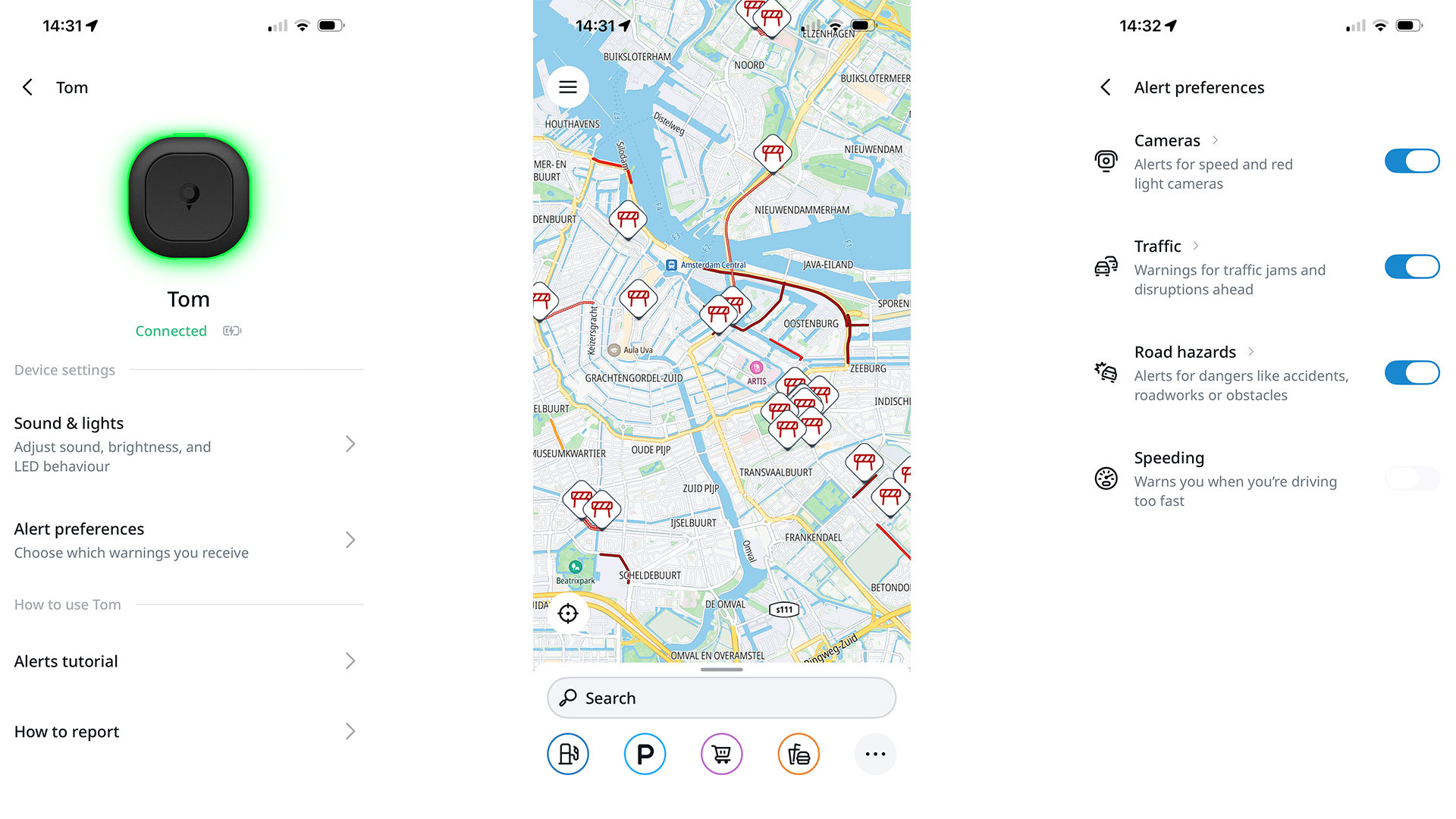
2. Tom by TomTom
TomTom, a legacy giant in navigation, has pivoted effectively with its "Tom" device.
- Performance: It mimics the Ooono’s philosophy of simplicity. It uses Bluetooth to pull data from your smartphone and features a rechargeable battery that lasts roughly a month.
- The Downside: While the database is incredibly accurate, the physical build feels slightly less premium than the Ooono, and the mounting mechanism is not quite as elegant.
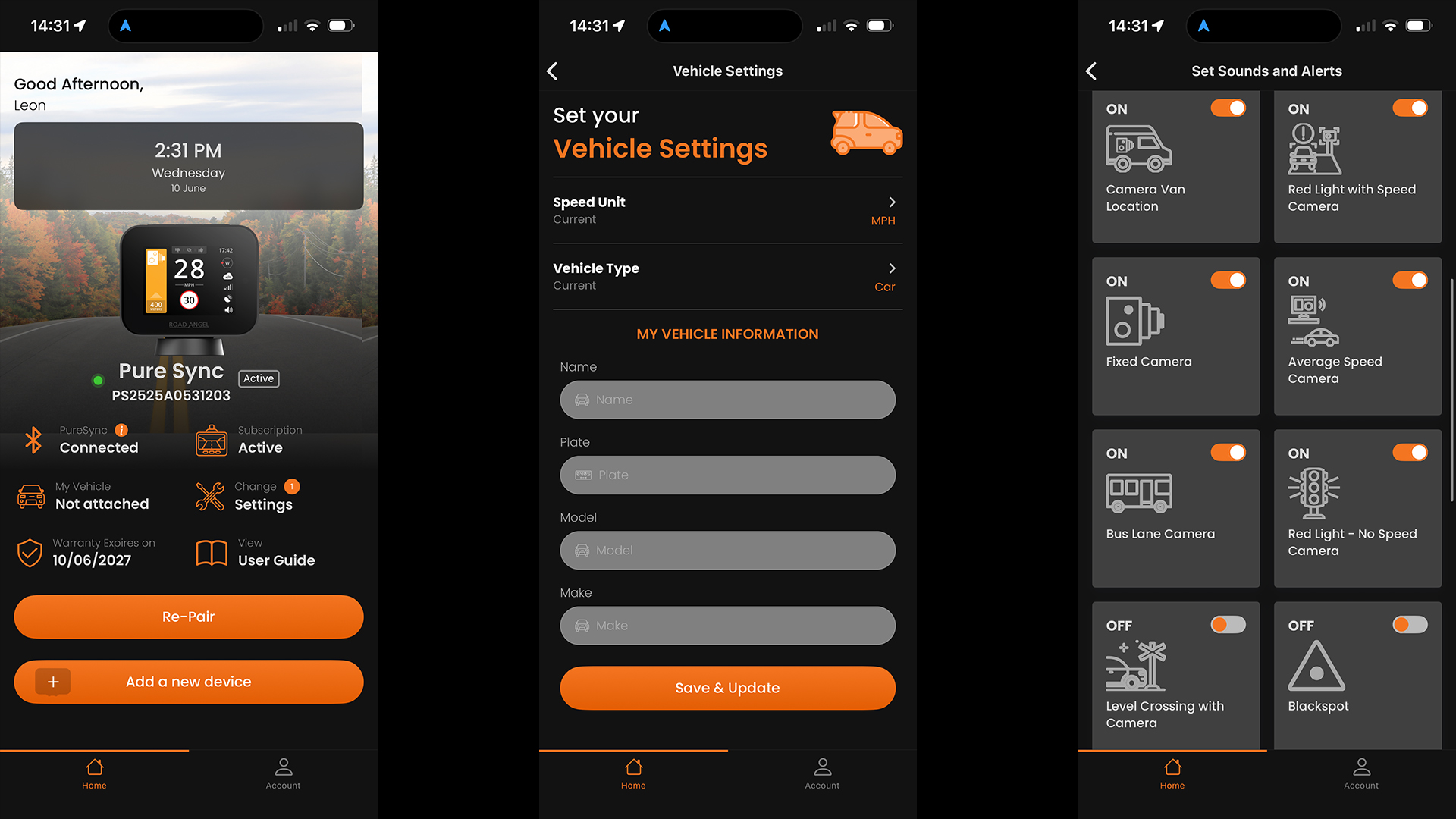
3. Road Angel Pure Sync
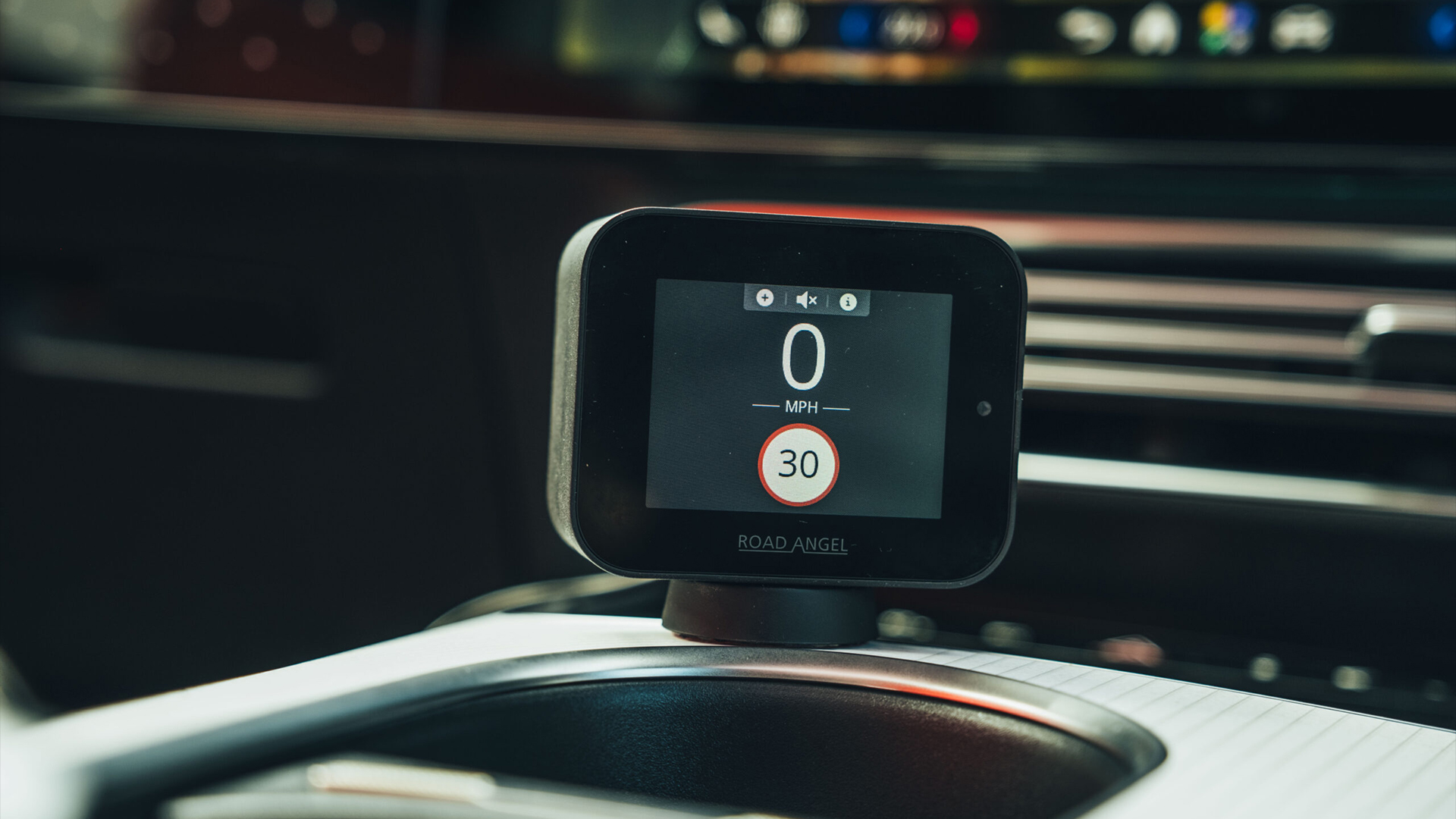
The Pure Sync represents a middle ground between a simple indicator and a full navigation unit.
- The Hardware: It features a screen that displays speed limits and current GPS speed.
- The Critique: The setup process is arguably the most frustrating of the bunch, requiring payment details for a subscription service even for basic functionality. Furthermore, it requires a hardwired power connection, which creates cable clutter. While the voice prompts are loud and clear, the device feels plasticky given its higher price point.
4. Ooono Co-Driver NO1
The predecessor to the NO2, this device remains a viable entry-level option.
- Pros: It is significantly smaller than the newer model, making it the most discreet option for those who despise dashboard clutter.
- Cons: It lacks the rechargeable battery of the NO2, relying instead on a coin-cell battery. It also does not integrate with CarPlay or Android Auto, meaning you are reliant on its internal speaker for alerts.
5. Snooper My-Speed Plus
For those who prefer a "traditional" look, the Snooper is a throwback.
- Design: It is a standalone unit with a 5-inch screen that requires a 12V power source.
- Use Case: This is best for older vehicles lacking modern infotainment systems. It provides a constant, highly visible readout of your speed versus the limit. However, it is the most expensive and cumbersome option to maintain, requiring a manual connection to a PC for database updates.
Official Responses and Implications
Government transport departments, such as the UK’s Department for Transport, generally maintain that speed enforcement is a necessary tool for reducing road casualties. Their stance on detection devices is usually neutral, provided the devices remain "passive." The primary concern for authorities is that drivers might rely on these devices to speed recklessly, though the reality is often the opposite: these tools often force drivers to become more conscious of their speed in unfamiliar areas.
The implication for the future of driving is a shift toward "connected car" technology. Many newer vehicles are beginning to include speed limit sign recognition as a standard feature. However, until this technology is universal, these aftermarket detectors fill a significant gap for millions of drivers who commute in older, "analog" vehicles.
The Final Verdict: Which to Buy?
If you are looking for the optimal balance of performance, design, and value, the Ooono Co-Driver NO2 is the clear winner. Its ability to integrate with your existing smartphone ecosystem, combined with a rechargeable battery and a truly unobtrusive form factor, makes it the only device I would recommend for the average commuter.
While smartphone apps like Waze are excellent, they are not always running or active. The beauty of a dedicated device like the Ooono is that it works even when you are just driving to the shops and don’t feel like launching a navigation app. It acts as a silent, intelligent co-pilot, providing that gentle nudge when you’ve inadvertently drifted over a 20mph limit.
In the end, while no device is a substitute for attentive driving, these detectors serve as a vital safety net in an increasingly complex and heavily monitored road network. By helping drivers maintain awareness, they don’t just save you from a fine—they encourage a more mindful approach to road safety.


 Azzam Bilal Chamdy
 Jia Lissa