Lina Hope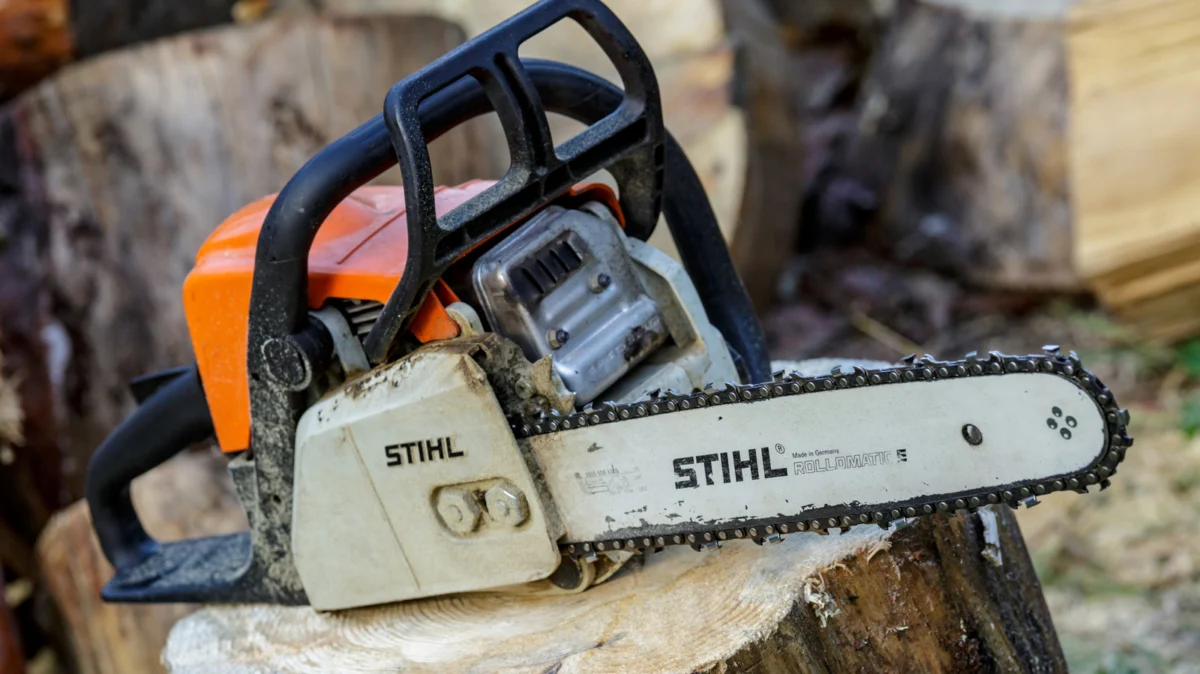
For decades, Stihl has maintained a reputation as the gold standard in the forestry and landscaping industries. From the professional arborist scaling a canopy to the weekend homeowner clearing storm debris, the brand’s orange-and-white aesthetic is synonymous with reliability and raw cutting power. However, even the most legendary equipment is subject to the laws of mechanics and the inevitable wear of heavy-duty operation.
While Stihl consistently ranks among the top-tier manufacturers in independent performance assessments, even the most robust machines are not immune to technical hurdles. As global user forums and repair workshops have noted, there are recurring patterns of mechanical frustration that owners face. Understanding these issues—ranging from ignition failure to lubrication inconsistencies—is essential for any owner looking to extend the lifespan of their investment and maintain peak performance in the field.
The Anatomy of the Problem: Why Even High-End Tools Struggle
Chainsaws are high-performance, two-stroke engines operating in some of the most unforgiving environments on Earth. They are subjected to extreme heat, vibration, sawdust ingress, and varying fuel quality. When a Stihl unit falters, it is rarely due to a singular manufacturing flaw; rather, it is often a confluence of environmental stressors and maintenance habits.
The consensus among professional mechanics is that while Stihl designs for durability, the complexity of modern emission-compliant engines has introduced new failure points. By examining the four most common grievances reported by the user community, we can better distinguish between routine maintenance requirements and genuine mechanical defects.
1. The Starting Struggle: Why Engines Fail to Fire
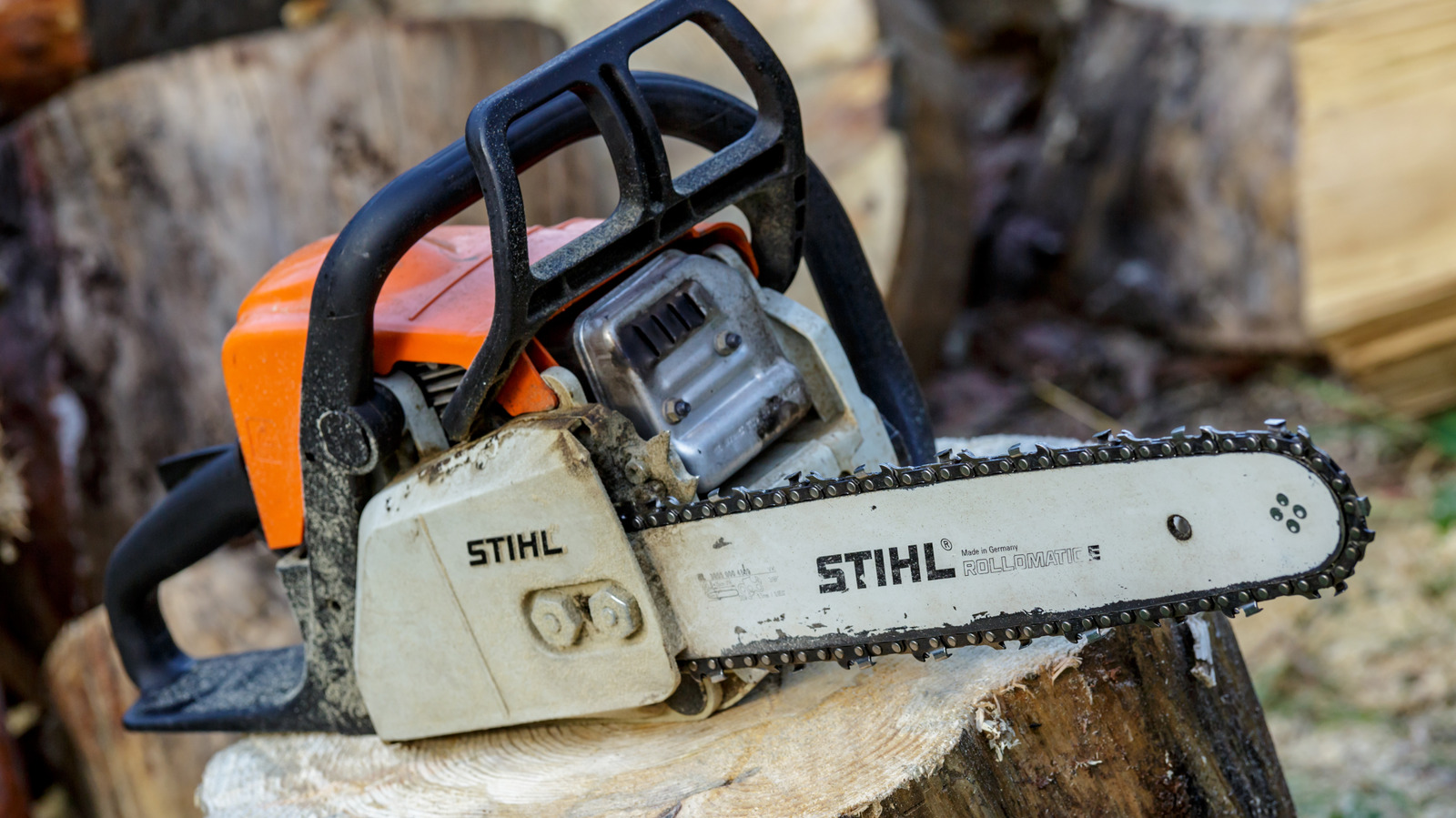
Perhaps the most common complaint leveled against Stihl chainsaws is difficulty in starting, particularly after a period of dormancy.
The Chronology of Ignition Failure
The frustration often begins with the "cold start" process. Many users, particularly those new to gas-powered tools, may struggle with the sequence of the choke and the starter cord. If the engine is flooded—a common occurrence when the choke is left engaged for too many pulls—the spark plug becomes saturated, preventing the necessary ignition spark.
Beyond user error, the most frequent culprit is fuel degradation. Gasoline, particularly those containing ethanol, begins to break down within a few months. As it sits in the carburetor, it leaves behind a varnish-like residue that clogs the delicate jets. When the operator attempts to restart the machine after the off-season, the engine refuses to draw fuel.
Diagnostic Steps
- Fresh Fuel: Always ensure you are using high-quality, ethanol-free fuel or pre-mixed alkylate fuel, which has a much longer shelf life.
- Spark Plug Inspection: A fouled or worn spark plug is a simple, inexpensive fix. If the electrode is carbon-black or corroded, it will struggle to create the arc necessary for combustion.
- Starting Procedure: Adhere strictly to the manufacturer’s starting sequence. Pulling the cord with the choke set to "Full" for more than two or three cycles is a guaranteed way to flood the engine.
2. Air Leaks: The Silent Performance Killer
An air leak is perhaps the most deceptive issue an operator can face. Unlike a broken chain or a snapped pull cord, an air leak is invisible, yet it can cause catastrophic damage to the engine’s internal components.
Understanding the Mechanics
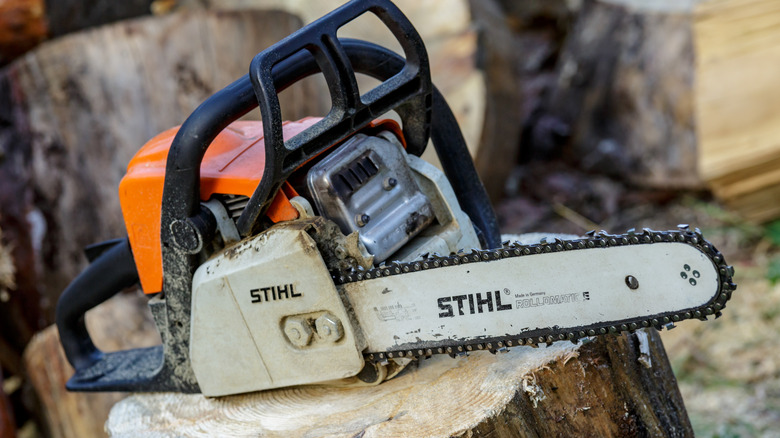
A two-stroke engine relies on a precise vacuum and pressure balance to move the fuel-air mixture into the combustion chamber. If an air leak exists, it introduces "unmetered" air into the system. This creates a "lean" condition, where the fuel-to-air ratio is heavily skewed toward oxygen.
Symptoms and Implications
When a saw is running lean, it will exhibit:
- High-pitched, erratic idling: The engine may race higher than normal while sitting idle.
- Overheating: Because fuel also acts as a coolant for the piston, a lack of fuel causes cylinder temperatures to skyrocket, which can lead to piston scoring and eventual engine seizure.
- Power Loss: The machine will struggle under load, often bogging down as soon as it touches wood.
These leaks often stem from degraded rubber intake boots, loose crankcase screws caused by prolonged vibration, or compromised crank seals. Utilizing a pressure and vacuum leak tester is the only professional way to confirm this issue without dismantling the entire engine block.
3. Fuel Leakage: The "Flippy Cap" Dilemma
Fuel containment is a safety and environmental priority. However, reports of gasoline weeping from the body of Stihl units have become a recurring topic in online technical forums.
The Evolution of the Cap
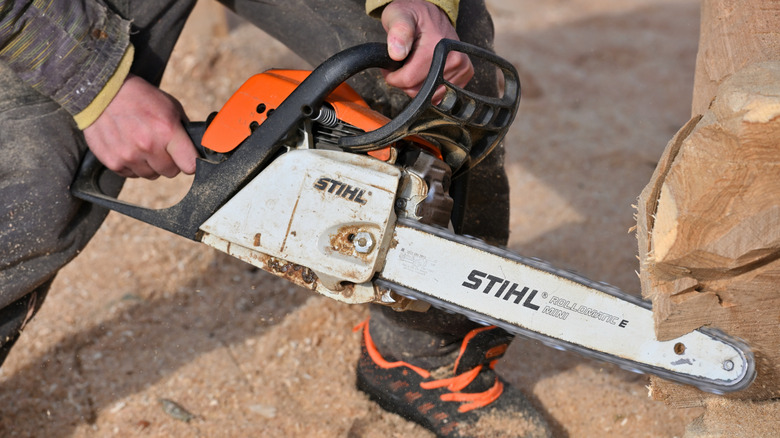
Stihl introduced the toolless "flippy" gas cap to improve user experience, allowing for rapid refueling without the need for a screwdriver or pliers. While convenient, these caps rely on a rubber O-ring seal and a mechanical locking cam. If debris gets trapped in the threads or if the rubber seal dries out, the seal integrity is compromised, leading to fuel seepage.
Root Causes
Beyond the cap, fuel lines are a common failure point. Over time, the rubber tubing inside the tank can become brittle due to the chemical components of modern gasoline. Once a crack develops in a fuel line, it creates a path for fuel to migrate into the housing. In more severe cases, carburetor gasket failure—often accelerated by low-quality fuels—can cause the carburetor to leak internally or externally.
4. Lubrication Failures: Protecting the Bar and Chain
The bar and chain oil system is the lifeblood of the cutting assembly. Without a steady stream of oil, the friction between the chain drive links and the bar groove will generate enough heat to turn the metal blue and ruin the bar’s temper.
The "Oil Flow" Mystery
Many users report that while their oil reservoir is full, the chain remains dry. This usually points to one of three areas:
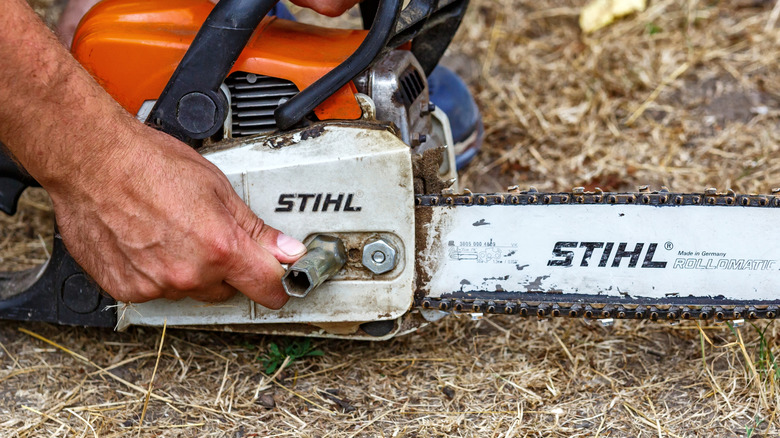
- Clogged Oil Ports: Sawdust and resin can build up at the bar oiler hole, creating a dam that prevents oil from reaching the chain.
- Worn Worm Gear: The oil pump is driven by a small worm gear. If this gear is stripped, the pump will cease to cycle, regardless of how much oil is in the tank.
- Oil Filter Obstruction: The pickup filter inside the oil reservoir acts as a screen. If this screen is clogged with debris, the pump cannot draw oil, leading to an "empty" feeling system despite a full tank.
Supporting Data and User Sentiment
Research into user-generated content across platforms like Reddit, Forestry Forum, and dedicated tool review sites suggests that while these problems are common, they are often linked to a lack of preventative maintenance rather than inherent design flaws.
A significant percentage of reported "defects" coincide with machines that have been stored for extended periods or have been operated with improper oil-to-gas mixing ratios. Stihl’s own technical documentation emphasizes that the longevity of their equipment is directly proportional to the adherence to their maintenance schedule. For example, replacing the fuel filter and cleaning the cooling fins should be performed significantly more often than the average homeowner realizes.
Official Stihl Perspectives and Warranty Considerations
Stihl’s official stance on these matters is consistent: the brand mandates the use of authorized service centers for repairs, particularly for engine-related issues. They warn that "do-it-yourself" repairs—especially those involving the carburetor or crank seals—can void the warranty.
From an institutional perspective, Stihl has consistently updated its component designs, such as revised gas cap materials and improved fuel line polymers, to address the feedback received from field professionals. When a persistent issue arises across a specific model line, Stihl typically issues a Technical Service Bulletin (TSB) to its network of authorized dealers, ensuring that certified technicians are equipped with the latest parts and procedures to resolve these common complaints.
Implications for the Owner
The reality for the Stihl owner is clear: the machine is a high-performance tool that demands a professional level of care. If you are experiencing starting issues, don’t ignore them, as they are often symptoms of fuel system decay. If your saw is running hot or idling strangely, address potential air leaks immediately to prevent a total engine rebuild.
The most effective way to avoid these problems is a shift in mindset: treat your chainsaw like a vehicle. Regularly replace consumables—spark plugs, fuel filters, and air filters—before they fail. Use high-quality, synthetic two-stroke oil and, whenever possible, ethanol-free gasoline.
By staying ahead of these four common problems, you ensure that your Stihl chainsaw remains a reliable, powerful companion in the forest rather than a source of frustration in the shed. These machines are engineered for greatness, but they require a vigilant operator to unlock that potential for the long haul.


 Pevita Pearce
 Ammar Sabilarrohman