


By Miller Reynolds
Published: May 20, 2026, 5:09 PM EDT
In a sweeping strategic pivot aimed at navigating a turbulent industry landscape, Ubisoft has embarked on a profound transformation over the past year. This ambitious undertaking has seen the company shed approximately 1,200 employees, fundamentally reorganize its operational structure into distinct creative houses, and secure a substantial $1.3 billion capital infusion from tech giant Tencent. While these drastic measures were announced in January 2025 with the stated intent of reducing costs and sharpening focus on its most coveted franchises – including the venerable Assassin’s Creed, Far Cry, and Ghost Recon series – the company’s latest financial disclosures reveal a stark reality: the immediate future will be characterized by a notably leaner release slate, with major new installments from these flagship titles deferred. This deliberate sacrifice of short-term financial performance is a calculated gamble, betting on a long-term resurgence built upon a revitalized creative pipeline and a more sustainable business model.
The Genesis of Transformation: A Year of Upheaval
The seeds of Ubisoft’s current strategic redirection were sown in early 2025. Faced with mounting financial pressures and evolving market demands, the company initiated a significant restructuring process. This involved not only a considerable reduction in workforce, impacting around 1,200 individuals, but also a significant organizational shift. The traditional departmental structure was dismantled in favor of a more agile model, dividing the company into specialized "creative houses." This move was intended to foster greater autonomy, streamline decision-making, and allow for more focused development on specific intellectual properties.
The strategic rationale behind this overhaul was multifaceted. Primarily, it aimed to address what many analysts perceived as an overextended development pipeline and a diluted brand portfolio. By consolidating resources and expertise around core franchises, Ubisoft sought to recapture the magic that propelled titles like Assassin’s Creed to global phenomenon status. Simultaneously, the company was grappling with the increasing costs associated with AAA game development and the evolving expectations of the gaming market, which has seen a growing emphasis on live-service models and ongoing content delivery.

The substantial investment from Tencent, a global leader in gaming and technology, provided Ubisoft with crucial financial breathing room. This capital injection was not merely a bailout but a strategic partnership, signaling Tencent’s confidence in Ubisoft’s long-term vision and its potential to leverage its extensive IP portfolio. The alliance also hinted at potential synergies in areas like emerging markets and digital distribution, further bolstering Ubisoft’s global reach.
A Leaner Release Slate: Prioritizing Quality Over Quantity
The most tangible consequence of Ubisoft’s restructuring for its fanbase is the projected scarcity of major new releases in the immediate future. The company’s fiscal year 2025-26 financial report paints a clear picture of a deliberately throttled release schedule. Instead of a steady stream of new AAA titles, the focus has shifted towards the meticulous development of a select few high-profile projects and the continued support of existing live-service games.
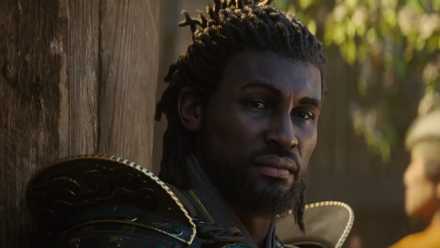
Currently, the spotlight is on the ongoing development of Assassin’s Creed Codename Hexe and the recently released Assassin’s Creed Shadows, which aims to explore new narrative frontiers within the franchise. Furthermore, Ubisoft is doubling down on the sustained engagement of its established live-service titles, most notably Rainbow Six Siege. This approach reflects a growing industry trend where long-term player retention and revenue generation through ongoing updates and expansions are prioritized over the traditional model of one-off blockbuster releases.
The decision to delay major new installments from the Assassin’s Creed, Far Cry, and Ghost Recon series is a strategic choice that underscores the company’s commitment to ensuring these iconic franchises are delivered with the highest possible quality. This implies that development cycles are being extended to allow for more polish, innovation, and alignment with the evolving expectations of their dedicated player bases.
Official Statements: A Message of Long-Term Vision
Ubisoft’s leadership has been transparent about the rationale and expected outcomes of this ambitious transformation. In a series of communications, CEO and Co-Founder Yves Guillemot has consistently emphasized that the current period represents a necessary "low point" in the company’s financial trajectory, a sacrifice made for the sake of long-term sustainability and future success.

"In FY2026-27, we will pursue and complete the execution of this transformation, and continue investment ahead of a much stronger and sustained content cycle," Guillemot stated in relation to the financial report. "This year is therefore expected to represent a low point in our free cash flow trajectory along with a softer release slate and restructuring costs."
This sentiment was echoed in further statements, where Guillemot acknowledged the difficult decisions involved in the two-year transformation. "This two-year transformation comes with difficult decisions and a disappointing short-term financial performance, but I firmly believe that, together, these actions are better positioning Ubisoft to deliver sustainable free cash flow over time," he articulated.
These pronouncements signal a clear departure from past practices, where a more aggressive release schedule was often pursued, sometimes at the expense of game quality and critical reception. The current leadership appears to be prioritizing the foundational health of the company and the enduring appeal of its intellectual properties, even if it means a period of financial austerity and a less visible presence in the market.
The Reorganization into Creative Houses: A New Development Paradigm
A cornerstone of Ubisoft’s transformation is the establishment of distinct "creative houses." This organizational shift aims to empower development teams, foster specialized expertise, and streamline the creative process. While the exact composition and focus of each house are still being finalized, it is understood that major franchises will be assigned to specific entities, allowing for a deeper understanding and dedication to their respective universes.
For instance, the immensely popular Tom Clancy universe – encompassing franchises like Ghost Recon, Splinter Cell, and The Division – is reportedly being managed by Ubisoft’s Creative House #2. However, the leadership structure for this house is still under construction, with the recruitment of a general manager being a key priority. This indicates that the operational restructuring is an ongoing process, with the company carefully building the teams and leadership necessary to execute its long-term vision.
The implications of this move are significant. By decentralizing some decision-making and creating specialized hubs, Ubisoft hopes to foster more innovative game design and a stronger sense of ownership within development teams. This could lead to more distinct and compelling experiences within each franchise, as teams are not spread too thin across multiple, disparate projects. The success of this model hinges on effective communication and collaboration between these houses, ensuring that the overall Ubisoft brand remains cohesive and that synergies are exploited where possible.
Implications for the Future: A Calculated Bet on Core Franchises
Ubisoft’s current strategy represents a calculated bet on the enduring power of its core intellectual properties. The company is investing heavily in the future of franchises that have historically driven its success, aiming to revitalize them for a new generation of gamers and an evolving market.
The extended development cycles and leaner release slate suggest a renewed emphasis on quality control and innovation. This is particularly crucial given Ubisoft’s recent history, which has been marked by studio closures, significant layoffs, and the unfortunate reality of canceled and delayed games. The lingering disappointment from projects that failed to meet expectations or were prematurely shelved undoubtedly weighs on the company’s reputation.
The $1.3 billion investment from Tencent, while providing a significant financial cushion, also comes with the implicit expectation of a return on investment. Ubisoft’s strategy appears to be one of building a stronger, more sustainable foundation that can deliver consistent, high-quality experiences over the long term, thereby securing future profitability.
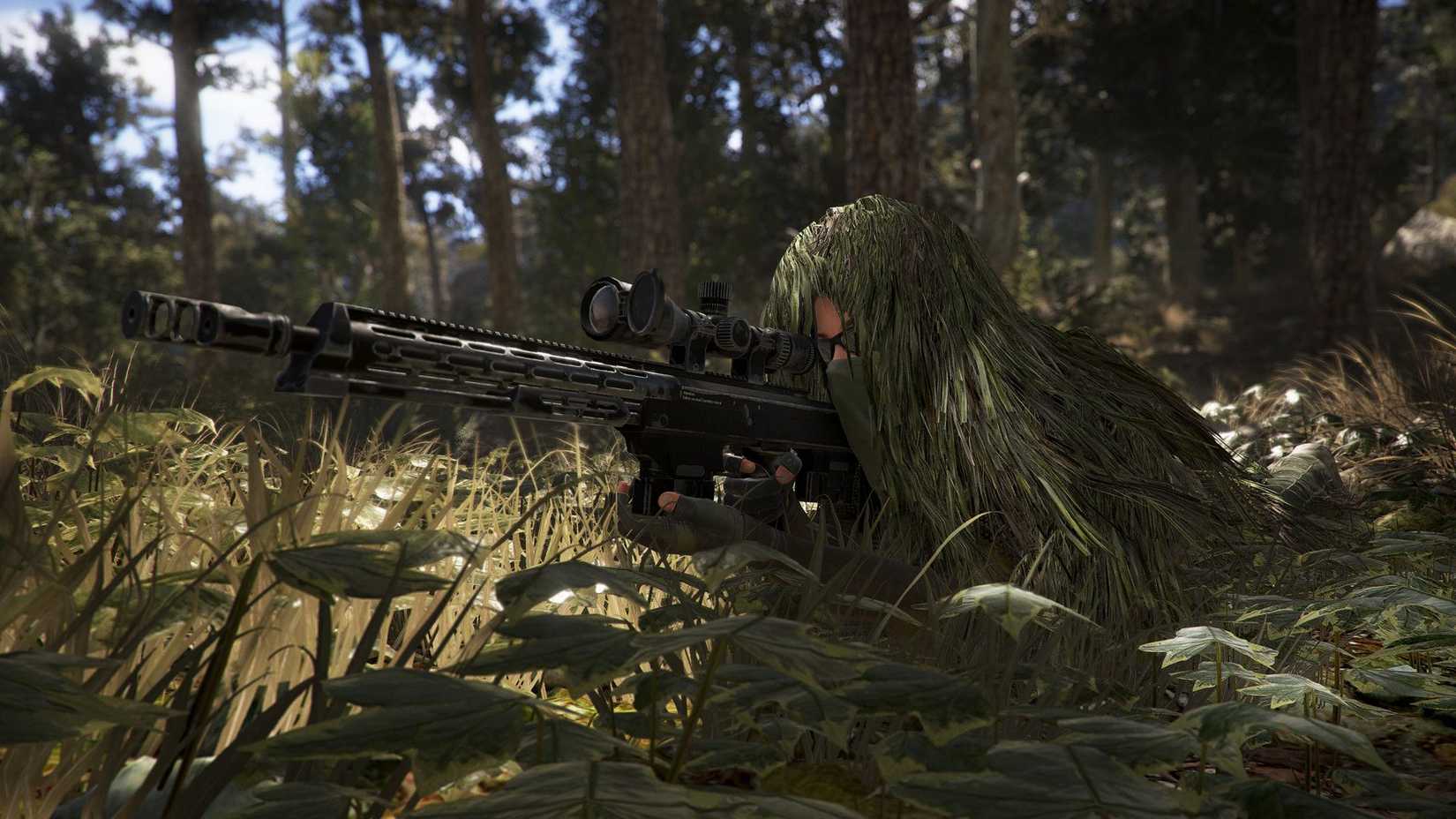
For the "die-hard Tom Clancy fans," the wait for new installments of beloved series like Ghost Recon and Splinter Cell may be longer than anticipated. However, the current approach suggests that when these games do arrive, they will have benefited from more focused development and a greater chance of recapturing the magic that made them so popular.
Ultimately, Ubisoft’s transformation is a high-stakes endeavor. It requires patience from investors and the gaming community alike. The success of this ambitious overhaul will be measured not only by the financial performance of the company in the coming years but, more importantly, by the quality and impact of the games that emerge from its revitalized creative houses. The coming years will be a critical test of Ubisoft’s ability to adapt, innovate, and ultimately, deliver on the promise of a stronger, more sustainable future.










No comments yet. Be the first to join the conversation!