Dwi Wanna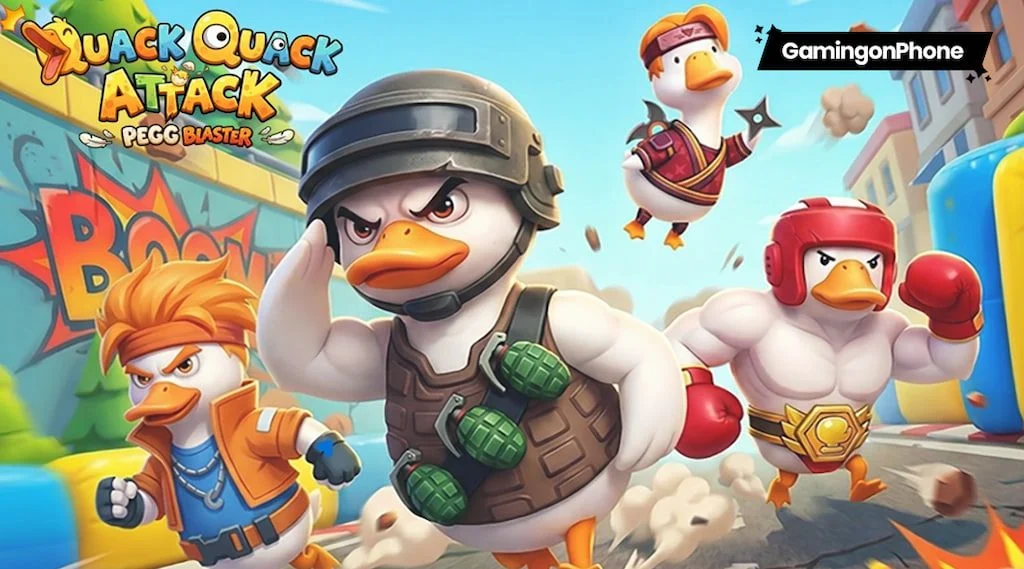
June 14th, 2026 – The vibrant realm of mobile gaming has recently welcomed a charming yet strategically engaging new contender: Quack Quack Attack. Developed by HaoPlay Limited, this title distinguishes itself within the burgeoning casual game market by blending whimsical "duck-filled pachinko battles" with an intricate system of endless progression. As players delve into the captivating narrative of "Captain Duck," navigating perilous fantasy islands and reclaiming lost memories, an essential aspect of their journey involves leveraging redeem codes to accelerate their adventure and enhance their gameplay experience. This article provides an in-depth exploration of Quack Quack Attack’s redeem code system, offering a comprehensive guide for players and a journalistic analysis of its broader implications for community engagement and the free-to-play economy.
Main Facts: Diving into Quack Quack Attack’s Core
Quack Quack Attack represents HaoPlay Limited’s latest foray into the casual gaming sphere, offering a fresh perspective on familiar mechanics. While the developer’s assertion of "the same wine in a different bottle" might initially suggest a rehash, the game quickly establishes its unique identity through a compelling blend of addictive gameplay, distinctive graphics, and a surprisingly profound narrative. Players assume the role of "Captain Duck," a protagonist bereft of memory, tasked with commanding a fantastical ship through a series of increasingly challenging and visually stunning islands. This journey is underscored by a progression system that promises continuous engagement and strategic depth, preventing the monotony often associated with casual titles.
At the heart of enhancing this experience are redeem codes, a critical element for player advancement and community interaction. These alphanumeric sequences, periodically released by the developers, offer a direct pathway to acquiring valuable in-game resources such as Gold, various types of Eggs (common, rare), and other exclusive rewards. As of June 14th, 2026, a set of active codes provides immediate benefits to both new and veteran players, serving as a testament to HaoPlay Limited’s commitment to fostering a vibrant and rewarded player base. The immediacy of these rewards can significantly impact early game progression and sustain player interest in the long run.
The current active codes, meticulously verified, include:
- DUCK999: Offers exclusive rewards, hinting at unique items or boosts not otherwise easily obtainable.
- FACEBOOK500: Grants 3000 Gold and 5 Rare Eggs, providing a substantial injection of in-game currency and valuable gacha pulls.
- FACEBOOK200: Delivers 2500 Gold and 5 Rare Eggs, a slightly smaller but still significant boon for progression.
- FACEBOOK100: Provides 2000 Gold and 3 Common Eggs, serving as a foundational boost for new players.
These codes are not merely arbitrary bonuses; they are strategically deployed tools designed to deepen the connection between the game’s mechanics and its community, fostering loyalty and engagement that extends beyond the core gameplay loop.
Chronology: The Evolution of Engagement and Code Releases
The launch of Quack Quack Attack marked a significant moment for HaoPlay Limited, positioning the game as a fresh contender in the highly competitive mobile casual gaming market. While the exact release date prior to the June 2026 code verification is not explicitly detailed, it can be inferred that the game has reached a sufficient level of maturity and community growth to warrant a robust redeem code strategy. Typically, developers introduce such systems either at launch to entice early adopters or as the game gains traction, celebrating milestones and fostering continued engagement.
HaoPlay’s approach to redeem codes appears to align with industry best practices, where codes are disseminated to mark significant events. These events can range from achieving specific download milestones (e.g., 100k downloads, 500k downloads), celebrating major game updates that introduce new content or features, observing seasonal holidays, or commemorating game anniversaries. The "FACEBOOK" codes, for instance, strongly suggest a strategy linked to social media follower counts, indicating that the game has successfully cultivated a community on platforms like Facebook, reaching thresholds of 100, 200, and 500 followers or likes, each triggering a celebratory code release.
The transient nature of redeem codes is also a crucial chronological aspect. They are time-sensitive, meaning players must redeem them within a specified window before they expire. This creates a sense of urgency and encourages players to stay actively connected with the game’s official communication channels. The continuous cycle of code releases and expirations forms an ongoing dialogue between the developer and the player base, ensuring that the community remains dynamic and engaged in the hunt for the latest bonuses. This dynamic serves as a subtle yet effective mechanism for player retention, prompting regular check-ins and participation.

Supporting Data: Mechanics, Rewards, and Market Context
Quack Quack Attack’s appeal lies in its innovative fusion of a compelling narrative with accessible, yet deep, gameplay. The core mechanic revolves around "pachinko battles," a playful take on the traditional Japanese arcade game, adapted for strategic combat. Players likely deploy their duck characters, each with unique abilities, into a pachinko-like arena, where their trajectory and interactions with various elements determine the outcome of battles. This mechanic, combined with an "endless progression" system, suggests continuous opportunities for character upgrades, new duck acquisitions, and exploration of ever-expanding content.
The redeem codes directly feed into this progression system. Let’s break down the value of the rewards:
- Gold: As the primary in-game currency, Gold is indispensable for various actions such as upgrading existing duck characters, purchasing essential items from the in-game shop, or unlocking new abilities. The significant amounts of Gold offered by codes like FACEBOOK500 (3000 Gold) provide a substantial boost, allowing players to bypass some of the early-game grind and invest directly into strengthening their roster. This is particularly valuable in free-to-play models where currency acquisition can often be a bottleneck.
- Rare Eggs: These are akin to "loot boxes" or gacha mechanics, offering a chance to acquire new, more powerful, or aesthetically unique duck characters. Rare Eggs are crucial for building a diverse and formidable team, which is essential for tackling later-game challenges. Receiving 5 Rare Eggs from a single code (FACEBOOK500, FACEBOOK200) significantly increases a player’s odds of obtaining high-tier units, directly impacting their strategic capabilities and overall enjoyment.
- Common Eggs: While less potent than their rare counterparts, Common Eggs still contribute to player progression by providing basic duck characters or materials that can be used for fusing, upgrading, or unlocking lower-tier units. They serve as a foundational resource, particularly useful for new players establishing their initial team.
- Exclusive Rewards (DUCK999): The "Exclusive Rewards" associated with DUCK999 are particularly intriguing. This often implies unique cosmetic items, limited-time power-ups, or even special, high-value resources that are not regularly available through standard gameplay or in-app purchases. Such exclusive items create a sense of prestige and value for players who redeem the code, further incentivizing participation in the community.
HaoPlay Limited’s Positioning:
HaoPlay Limited operates within a highly saturated mobile gaming market, where casual titles often compete for player attention through innovative mechanics, engaging narratives, and robust community management. By integrating a dynamic redeem code system, HaoPlay demonstrates an understanding of the free-to-play landscape, where value-added incentives are paramount for player acquisition and, more importantly, long-term retention. These codes act as a powerful marketing tool, generating buzz and encouraging players to remain active within the game’s ecosystem and its associated social channels. The company’s strategy suggests a commitment to a player-centric approach, leveraging direct rewards to build a loyal fan base.
Redeeming Your Rewards: A Step-by-Step Guide
The process of redeeming codes in Quack Quack Attack is designed to be straightforward, ensuring players can quickly access their bonuses. While the original article provides an image indicating a "redeem codes center," a more detailed, universal process typically involves the following steps in most mobile games:
- Launch Quack Quack Attack: Ensure the game is fully loaded and you are logged into your account.
- Access the Main Menu/Lobby: From the game’s primary interface, locate either a "Settings" icon (often a gear or cogwheel symbol), a "Profile" icon, or a dedicated "Events" or "Redeem" button. These are usually found in the top corners or along the bottom navigation bar.
- Navigate to the Redeem Code Section: Within the "Settings" or "Profile" menu, look for an option labeled "Redeem Code," "Gift Code," "Coupon," or similar. Tapping this will open an input field.
- Enter the Code Accurately: Carefully type or paste the active redeem code into the provided text box. It is crucial to enter the code exactly as it appears (case-sensitive, including any special characters or numbers). Mistakes in spelling or capitalization will result in an invalid code error.
- Confirm Redemption: After entering the code, tap the "Confirm," "Redeem," or "Submit" button.
- Receive Your Rewards: Upon successful redemption, a confirmation message will typically appear, and the rewards will either be instantly added to your in-game inventory or sent to your in-game mailbox. Always check your in-game mail for items if they don’t appear immediately.
Players are reminded that these codes have a limited lifespan. Redeeming them promptly after they are announced is essential to avoid missing out on valuable resources.
Official Responses: HaoPlay’s Community Engagement Strategy
While specific quotes from HaoPlay Limited regarding their redeem code strategy are not provided in the source material, the very existence and structure of these codes offer a clear insight into their official approach to community engagement. Developers like HaoPlay leverage redeem codes as a multi-faceted tool for:
- Celebrating Milestones: As previously noted, codes often commemorate achievements such as download counts, social media follower milestones, or significant in-game events. This acts as a direct thank-you to the player base for their support and contribution to the game’s success.
- Driving Social Media Engagement: The "FACEBOOK" codes are a prime example of directly linking in-game rewards to social media interaction. By encouraging players to follow their official pages, HaoPlay expands its reach, creates a direct communication channel, and builds a larger, more active online community.
- Player Retention and Re-engagement: Regular code drops provide a compelling reason for players to return to the game, even after periods of inactivity. The promise of free resources can reignite interest and encourage exploration of new content.
- Bug Fixes and Apologies: In some instances, developers issue codes as a gesture of goodwill following server issues, major bugs, or unexpected downtime. This demonstrates responsiveness and values player experience.
- Promotional Campaigns: Codes can also be used in conjunction with advertising campaigns or collaborations, offering unique incentives to new players or those participating in specific promotions.
HaoPlay Limited maintains official presence across several key social media platforms, which serve as the primary conduits for announcing new redeem codes. These include:

- Discord: A popular platform for real-time community interaction, Q&A sessions, and direct communication with developers.
- Facebook: A broad platform for announcements, community discussions, and marketing campaigns, as evidenced by the "FACEBOOK" codes.
- Twitter (X): Ideal for quick updates, news flashes, and direct player support.
- YouTube: Often used for game trailers, developer diaries, gameplay showcases, and sometimes, exclusive code reveals in video descriptions.
By actively monitoring these channels, players can ensure they are among the first to receive and redeem newly released codes. This distributed approach ensures wide dissemination and caters to various player preferences for information gathering.
Implications: The Broader Impact of Redeem Codes
The redeem code system in Quack Quack Attack, and indeed across the mobile gaming industry, carries significant implications for game economics, player behavior, and the delicate balance between free-to-play accessibility and monetization strategies.
Economic Impact on Free-to-Play (F2P) Models:
In the F2P landscape, developers strive to create engaging experiences that can be enjoyed without upfront costs, while still encouraging in-app purchases (IAPs) for accelerated progression or cosmetic enhancements. Redeem codes subtly navigate this dynamic. By providing free resources, codes offer a taste of faster progression, potentially enticing players to spend money later on for even greater boosts. They also help balance the game economy, providing a safety net for non-spending players, ensuring they don’t feel completely left behind by those who do purchase IAPs. This can reduce player frustration and increase overall retention.
Player Retention and Loyalty:
Perhaps the most crucial implication is the direct impact on player retention. A game that consistently rewards its community through accessible means like redeem codes fosters a sense of appreciation and loyalty. Players feel valued, which strengthens their bond with the game and the developer. The "hunt" for new codes, often facilitated by community sharing on platforms like Discord or fan wikis, also creates a meta-game, extending engagement beyond the core mechanics. This ongoing interaction transforms passive players into active community members.
Competitive Edge in a Saturated Market:
The mobile casual gaming market is fiercely competitive. Hundreds of new titles are released regularly, vying for limited player attention. A robust and generous redeem code system can serve as a significant differentiator. It signals to potential players that the game offers ongoing value and that the developers are invested in their community, making Quack Quack Attack more attractive compared to titles that offer fewer direct player incentives.
The Role of Third-Party Platforms:
Websites like GamingonPhone play a vital role in centralizing and disseminating information about redeem codes. By aggregating codes from various official social media channels into a single, easily accessible article, these platforms streamline the process for players, ensuring they don’t have to scour multiple sources. This symbiotic relationship benefits both players (convenience) and developers (wider code distribution and enhanced visibility for the game).
Future Outlook:
As Quack Quack Attack continues to evolve, it is highly probable that HaoPlay Limited will expand its redeem code strategy. This could include event-specific codes during major holidays, codes tied to global competitive events within the game, or even personalized codes for loyal players. The trend in mobile gaming is towards more dynamic and personalized engagement, and redeem codes are a flexible tool to achieve this. The ongoing success of Quack Quack Attack will undoubtedly be intertwined with its ability to keep its community engaged, rewarded, and excited for what comes next.
In conclusion, Quack Quack Attack has quickly established itself as a noteworthy entry in the casual mobile gaming genre. Its blend of an engaging narrative, unique "pachinko battles," and a commitment to player progression is significantly bolstered by a well-implemented redeem code system. These codes are more than just freebies; they are strategic instruments for community building, player retention, and navigating the complex economics of free-to-play gaming. For aspiring "Captain Ducks" and seasoned players alike, staying abreast of the latest redeem codes is not merely an advantage—it’s an integral part of the adventure.


 Lina Irawan
 Sagoh
Sagoh