

In the rapidly expanding landscape of Marvel’s Dawn of X era, the narrative threads connecting current X-Men titles to the foundational lore of the late 1980s have never been tighter. In the latest installment of the S4GY podcast, hosts Marius, Ian, and Nolan reconvene to dissect a pivotal week in comic book history, bridging the gap between modern Krakoan politics and the chaotic legacy of the Inferno crossover event.
This deep dive covers the essential releases of February 12, 2020, including X-MEN #6, EXCALIBUR #7, and X-FORCE #7, while offering a retrospective look at the 2019 Inferno trade paperback—a collection that is proving to be more than just a trip down memory lane; it is a roadmap for the future of the mutant race.
Main Facts: The New Mutant Order
The current era of X-Men storytelling, spearheaded by Jonathan Hickman’s architectural vision, has fundamentally shifted the status quo. No longer are mutants hiding in Westchester; they are a sovereign nation-state on the living island of Krakoa. However, the podcast discussion highlights that beneath the veneer of progress lies a complex web of espionage, political maneuvering, and unresolved grief.
The central point of contention for this episode is the desperate agency of Raven Darkhölme, better known as Mystique. While the mutant nation enjoys relative peace, Mystique’s personal quest for the resurrection of her wife, Irene Adler (Destiny), serves as the emotional and narrative anchor for X-MEN #6. This issue confirms that the cost of Krakoan immortality—and the politics required to access it—is high, pushing even the most seasoned operatives toward betrayal and clandestine warfare.
Chronology: A Week of Shifts
The February 12 releases marked a transition from the explosive conclusions of previous arcs into the setup for future conflicts. The chronology of these releases, as discussed by the S4GY team, highlights a deliberate pacing strategy by Marvel editorial:
- The X-MEN #6 Reveal: Serving as the most significant release of the week, this issue provides a retroactive look at the early days of the House of X/Powers of X era. It confirms that Mystique’s participation in the mission to the Orchis Master Mold facility was not merely a team effort; it was a targeted, secret operation to ensure long-term infiltration.
- The EXCALIBUR #7 Setup: Moving away from the recent conclusion of the initial arc, this issue pivots toward new threats. The reintroduction of Cullen Bloodstone serves as a tactical pivot, bringing a classic, gritty antagonist into the magical, high-stakes environment of Otherworld.
- The X-FORCE #7 Arc: Following the aftermath of the previous mission, X-FORCE #7 positions itself as a transitional chapter. The team, currently reeling from their losses, is in a state of precarious anticipation, particularly regarding the status of Domino, whose arc continues to be a focal point of fan speculation.
Supporting Data: The ‘Inferno’ Connection
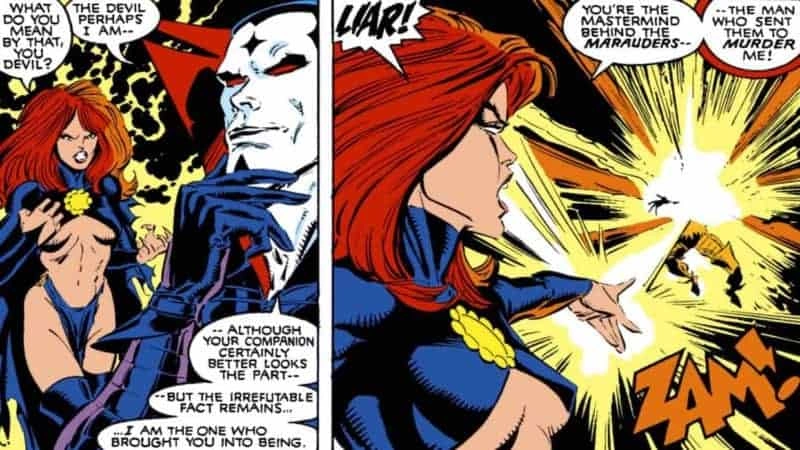
Perhaps the most crucial segment of the discussion revolves around the 2019 Inferno trade paperback. To understand the current Dawn of X trajectory, one must understand the 1989 crossover that defined a generation of X-Men.
Inferno—which saw Manhattan transformed into a demonic hellscape—was a turning point for the New Mutants, X-Factor, and Uncanny X-Men. The podcast hosts emphasize that the inclusion of these specific issues in the 2019 collection is no accident. With the impending launch of the Hellions series, the themes of corruption, demonic influence, and the moral ambiguity of team leaders are resurfacing.
The hosts argue that the "Hellions" moniker is a direct nod to the past, and by revisiting Inferno, readers are being prepared for a shift in tone. If the current X-Men books are about the birth of a nation, the upcoming Hellions era is about the inevitable monsters that such a nation will produce—or, in many cases, recruit.

Official Responses and Creative Analysis
The S4GY podcast serves as an informal, yet highly analytical, "official" fan discourse on the current state of Marvel’s mutants. The hosts provide critical insights into the characterization of prominent figures:
- Magneto and Professor X: The discussion delves into the morality of these two figures, who are essentially serving as the "diplomats" of a nation built on exclusion. Their refusal to resurrect Destiny is framed as a political choice, one that forces Mystique to abandon her loyalty to the state in favor of her personal devotion.
- Exodus: Nolan notes the inclusion of Exodus in Apocalypse’s medieval-inspired machinations. The creative choice to align Exodus—a fanatical, ancient mutant—with the current Krakoan leadership structure suggests that the island’s foundation may be more brittle than the Quiet Council would like to admit.
- The Role of Espionage: Ian’s analysis of the Orchis Master Mold facility flashback underscores the technical prowess of the new X-Men era. By revealing that Mystique planted a seed of Krakoa within the Orchis base to facilitate future travel and spying, the writers have effectively turned the X-Men into an intelligence-gathering agency as much as a superhero team.
Implications: Where the X-Men Go From Here
The implications of these developments are profound. By weaving together the secret missions of the past and the political stagnation of the present, the current X-Men run is creating a narrative pressure cooker.
The Mystique Factor
Mystique’s character arc is arguably the most volatile element in the Dawn of X. Her willingness to serve the state only as long as it serves her own needs makes her an unpredictable wildcard. As the podcast notes, her ability to use the Krakoan portals for unauthorized, clandestine activities suggests that the island’s security is not as absolute as Professor X claims.
The Return of the Hellions
The conclusion of the Inferno discussion sets the stage for the Hellions series. By looking back at the 1989 events, the creative team is signaling that the "golden age" of Krakoa may be nearing its end. The return of characters and themes from Inferno suggests a move toward more visceral, high-stakes storytelling where the "good guys" are forced to do "bad things" to survive.
The Future of Otherworld and X-Force
With Cullen Bloodstone entering the fold and Domino’s future uncertain, the secondary titles are moving away from the "utopia" narrative and toward a "black ops" narrative. The intersection of magic (in Excalibur) and cold-blooded tactical warfare (in X-Force) indicates that the X-Men are no longer just a team; they are a multi-front military force.
Conclusion: A Must-Listen for Mutant Fans
The S4GY podcast episode serves as a necessary guide for any reader trying to navigate the dense, interconnected web of current Marvel titles. By successfully linking the legacy of the 1989 Inferno event to the modern political machinations of Krakoa, the hosts clarify that the current X-Men era is one of deep history and calculated risk.
As fans wait for the launch of Hellions and the next chapters in the ongoing X-MEN, EXCALIBUR, and X-FORCE sagas, the consensus is clear: the seeds of conflict have been planted, and the harvest is approaching. Whether it is through the eyes of Mystique’s desperate search for Destiny or the tactical maneuvering of the Quiet Council, the story of the X-Men has evolved into a complex saga of loyalty, betrayal, and the enduring, often destructive, nature of family.
For those looking to catch up on the nuances of these titles, the latest S4GY episode provides not just a summary, but a roadmap to the evolving dangers of the Dawn of X.











No comments yet. Be the first to join the conversation!