As June progresses, the literary landscape of the 11th annual Self-Published Fantasy Blog-Off (SPFBO) continues to shift. For the uninitiated, the SPFBO is an international phenomenon, a marathon of independent literature where 300 entries are whittled down by a panel of expert judges until only four semi-finalists remain. Today, the competition marks a significant milestone: the elimination of three more titles from the "Fifth Fall."
This stage of the competition is defined by rigorous scrutiny. The judging process is neither linear nor ranked by quality; rather, it is a steady, deliberate examination of each manuscript’s merit. As we bid farewell to these three entries, we are reminded that the subjective nature of reading remains the contest’s heartbeat—what may fail to resonate with one judge often captures the imagination of another.
The Process: How the Cuts are Made
The SPFBO operates on a philosophy of transparency and appreciation. Each book is given a fair hearing, and the judges work in small cohorts to ensure every manuscript is reviewed with care. The goal is to reach the semi-finals, where the remaining contenders will receive in-depth, comprehensive critiques.
For the authors involved, entering the SPFBO is a bold act of vulnerability. Subjecting one’s creative labor to public scrutiny requires courage, and the organizers emphasize that every entrant has contributed to the vitality of the self-publishing ecosystem. As the competition advances toward the final selection, the spotlight remains fixed on the talent and ambition displayed by these independent voices.
Analysis of Recent Eliminations
The three books exiting the competition this round represent a diverse cross-section of modern fantasy, from dark, cult-driven epics to whimsical, cultivation-inspired tales.
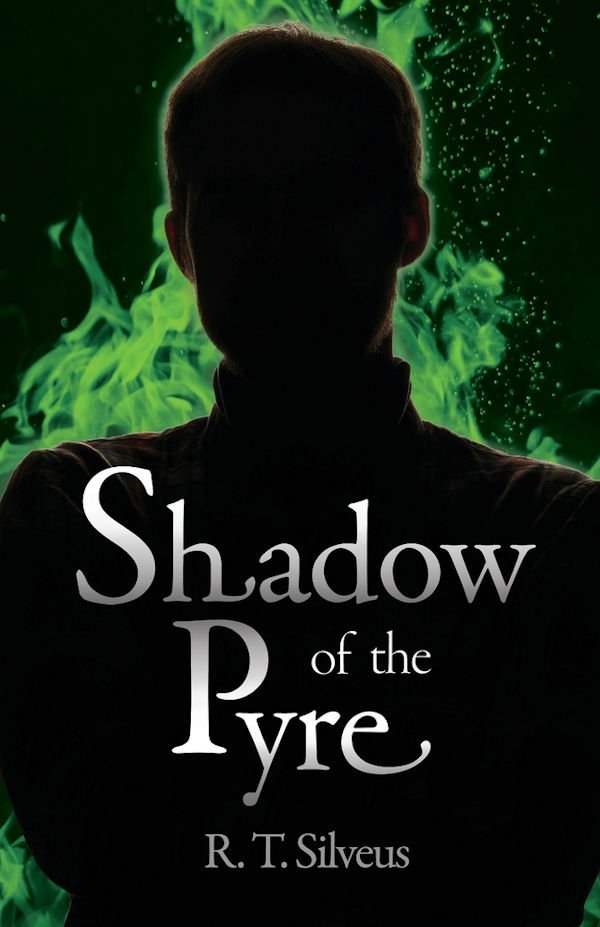
1. Shadow of the Pyre by R. T. Silveus
Shadow of the Pyre presents a world defined by the "Gurvel cult," a tyrannical force that demands absolute obedience. The narrative follows Ronan, a soldier trapped in a moral quagmire, Eira, an assassin seeking vengeance for her people, and Khartsaga, the cult leader’s conflicted son.

The Critique:
The consensus among the judging panel was largely unfavorable. A primary point of contention was the prologue, which many felt was "frontloaded" with excessive world-building and an abundance of proper nouns before a reader could establish an emotional connection. Furthermore, the reliance on extreme violence as a plot device alienated several judges. Issues with prose, including recurring punctuation errors and a predictable narrative arc, further hampered the reading experience.
The Counterpoint:
Sara, one of the judges, offered a starkly different perspective. She praised the world-building, particularly the "Book of Legends" snippets used as chapter headers. She found the character backstories—specifically Ronan’s childhood tragedy—compelling. While she noted a lack of distinct narrative voices between POVs, she concluded that Shadow of the Pyre is an ambitious epic that highlights the author’s potential.
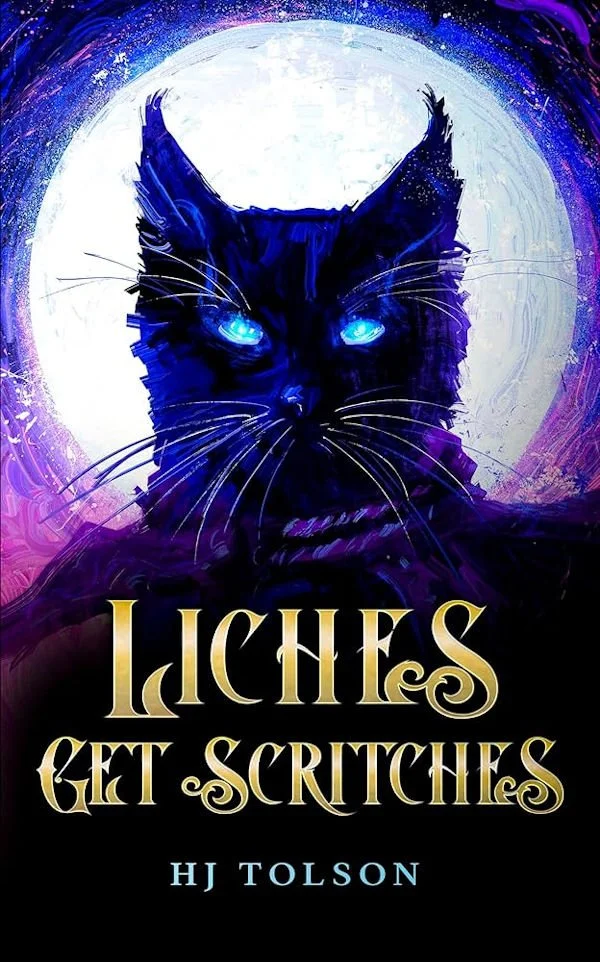
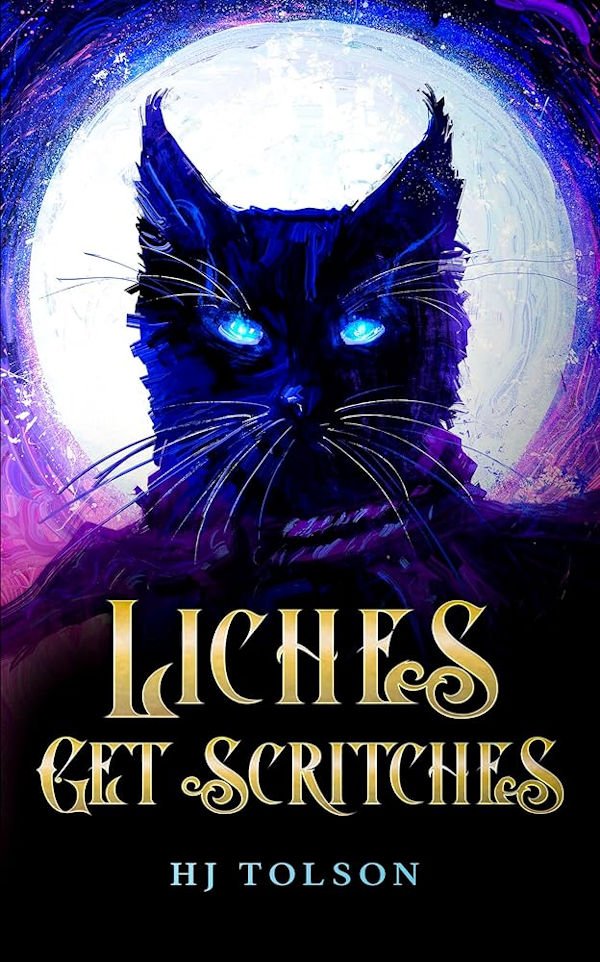
2. Liches Get Scritches by H. J. Tolson
Blending the cozy "slice-of-life" genre with the high-stakes world of cultivation fantasy, Liches Get Scritches follows Jenkins Greenleaf, a cat on a quest for immortality and qi mastery.
The Critique:
The panel was divided on the pacing. The early chapters, while charming, were described as a "slow-build" that struggled to maintain momentum. For judges accustomed to fast-paced fantasy, the lack of immediate conflict was a barrier. However, those who persevered into the second half were rewarded. Julia noted that the "cozy dark" tone—a blend of necromancy and feline antics—ultimately paid off, characterizing Jenkins as a protagonist who remains nonchalantly poised even while his enemies fall.
The Enthusiastic Endorsement:
EG, another judge, was highly impressed. She highlighted the technical achievement of the narration, noting that the author successfully captured the "arrogance and joie de vivre" of a cat without succumbing to excessive anthropomorphism. For readers who enjoy genre-bending narratives, this book stands out, provided they have the patience to allow the story to find its footing.
3. Island of the Dying Goddess by Ronit J.
This story centers on Anawar, an immortal explorer stranded on the nightmare island of Sawarrgh, where time is trapped in a perpetual, agonizing loop.
The Critique:
The book proved to be an emotional, albeit uneven, experience. The panel lauded the thematic exploration of euthanasia, grief, and the weight of mortality. The incorporation of Southern Indian deities was cited as a unique, culturally rich element. However, the book faltered in its character development and execution of horror elements. The protagonists often felt distant, their motivations obscured by the complex world-building. Additionally, the graphic "body horror" imagery proved polarizing, with some judges finding it confusing rather than unsettling.
The Evaluative Perspective:
Julia, in her review, acknowledged that while the book did not resonate with her on every level, it succeeded in its emotional ambition. She praised the "quiet exhaustion" and the exploration of mercy as a form of love. While the narrative distance of the main characters and the lack of impact in the horror scenes were drawbacks, the book is ultimately a deeply sincere, if challenging, piece of work.
Implications for the Competition
The departure of these three titles highlights a recurring trend in the SPFBO: the tension between "hook-driven" narratives and "thematic-driven" literature. As the field narrows, the judges are increasingly looking for a synthesis of strong, distinct character voices and seamless pacing.
These cuts are not merely a subtraction; they are a refinement of the competition. By removing works that struggle with structural or pacing issues, the SPFBO ensures that the eventual semi-finalists represent the absolute pinnacle of self-published quality. For the authors who have exited the contest, the feedback provided by the judges serves as a valuable roadmap for future revisions and career development.
Supporting Data: The Road Ahead
With these three exits, the competition moves closer to its core group of semi-finalists. The remaining nine books in this specific judging block will continue to be reviewed, with the final goal of selecting the four that will advance to the next phase.
Key Figures:
- Total Entries: 300
- Current Phase: Round One, Phase 1
- Remaining in this block: 9
- Finalists needed: 4
The judges—a diverse collective including Eva Geraghty, Evelyn Grimald, Julia Kitvaria Sarene, and others—remain committed to the rigorous standard that the SPFBO has cultivated over its 11-year history. Their diverse tastes ensure that the competition remains a broad church, welcoming everything from gritty, dark-fantasy epics to experimental, cozy-adjacent works.
Conclusion: Why the SPFBO Matters
The 11th annual SPFBO continues to be a vital artery for the self-publishing community. It provides a platform for authors who operate outside the traditional publishing pipeline, offering them professional exposure and critical feedback. As the competition moves deeper into the summer, readers can expect more in-depth reviews and the eventual announcement of the semi-finalists.
For those interested in following the progress of these 300 books, the official SPFBO website remains the primary resource for updates, schedules, and the full list of participants. Whether you are an author seeking to enter next year or a reader looking for your next obsession, the SPFBO stands as a testament to the power of independent storytelling in the modern age.
For more information on the competition, including judge bios and previous results, please visit the official SPFBO website.