Neng Nana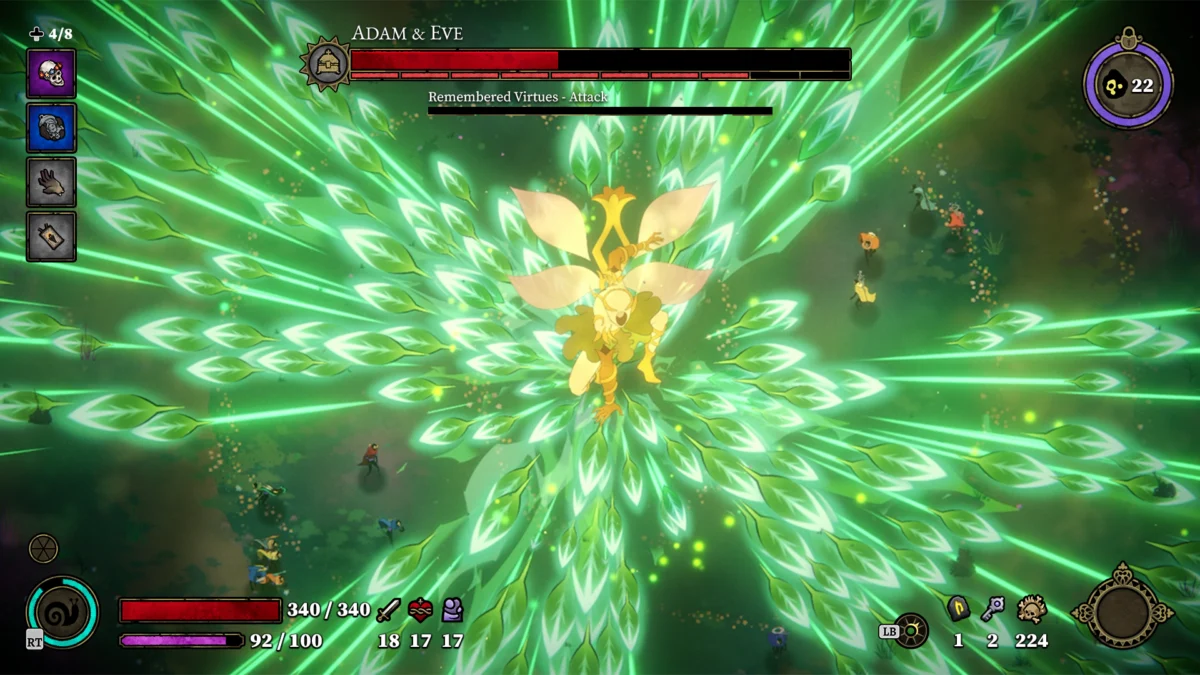
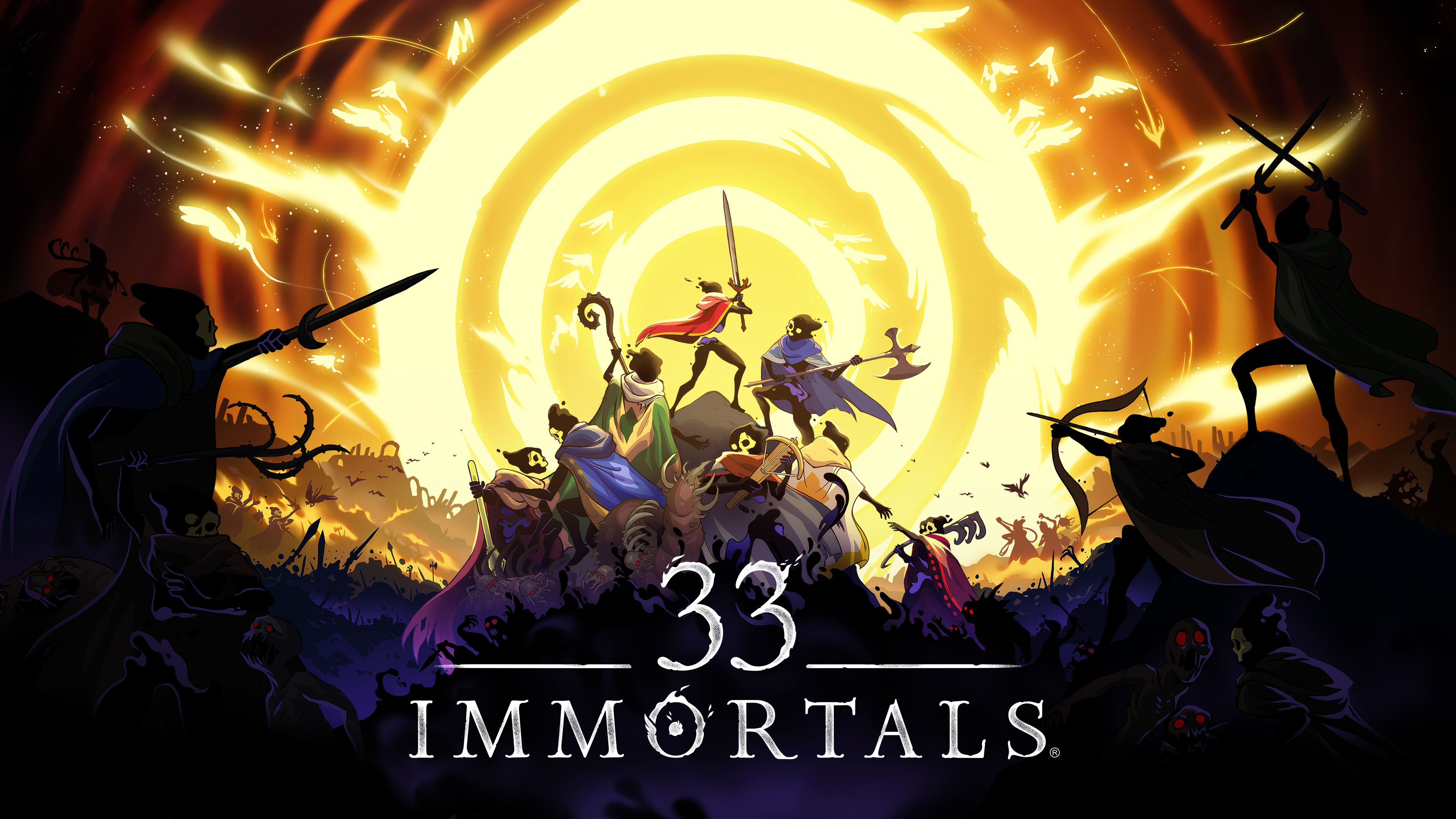
Thunder Lotus’s ambitious foray into the MMO-lite raid space, 33 Immortals, offers a tantalizing glimpse of cooperative PvE combat. However, despite its innovative premise of launching players directly into high-stakes raid encounters, the game struggles to maintain engagement beyond its initial hours, primarily due to a lack of diverse content and an over-reliance on group coordination, which can prove frustrating for solo players.
The allure of massive multiplayer online (MMO) games, particularly the thrill of tackling intricate raid bosses with a dedicated team, is undeniable. Yet, as players mature, the realities of life—conflicting schedules, financial constraints impacting subscription fees, or simply a dwindling amount of free time—often lead to a gradual disengagement from these complex virtual worlds. It is within this context that 33 Immortals emerges, promising a streamlined path to immediate raid-focused gameplay, a proposition that deeply resonates with the desire for shared, goal-oriented experiences. However, as this review will explore, while the core concept holds significant appeal, the execution falters, leading to a somewhat repetitive and occasionally frustrating experience, prompting players to seek more readily available multiplayer raid content elsewhere.
A Descent into the Afterlife: Narrative and Premise
33 Immortals plunges players headfirst into a compelling narrative premise: you are a condemned soul, your avatar having met a definitive end. Yet, hope flickers in the shadowy realm of the afterlife. Beatrice, a mysterious figure, discovers the player and recognizes them as a "Rebel Soul." This revelation leads to an invitation to join her Rebellion, a gathering of like-minded souls in the enigmatic Dark Woods. The path to defying fate and potentially achieving immortality lies in embarking on perilous journeys through the realms of Inferno, Purgatorio, and eventually Paradiso. Each realm presents escalating challenges and distinct environments, all in pursuit of the strength required to overcome divine judgment. This narrative framework provides a strong thematic anchor for the game’s cooperative raid structure, imbuing the player’s progression with a sense of purpose and defiance against an overwhelming cosmic order.
Weaponizing Despair: Class and Combat Mechanics
Upon commencing their journey, players are presented with a choice of four distinct weapons, each dictating a unique combat role and suitability for solo or group play. While the game is inherently designed for online interaction, the efficacy of certain weapon choices can significantly impact the experience for players venturing into matchmaking alone.
-
The Sword of Justice: This weapon embodies the "all-rounder" archetype. As a close-range melee combatant, it offers a balanced mix of damage output, defensive capabilities through guarding, and the ability to deploy "Bubble Shields" for team protection. For players who anticipate playing without a pre-formed group of friends, the Sword of Justice emerges as a highly recommended choice, offering a safety net and a valuable support function.
-
The Daggers of Greed: This weapon leans heavily into a high-risk, high-reward playstyle. It excels at relentless close-range assaults, focusing on boosting damage output and executing "bone harvests." However, its significant lack of defensive options leaves players vulnerable when outnumbered or surrounded, making it a more challenging pick for those without a reliable support system.
-
The Bow of Hope: As the designated ranged attacker, the Bow of Hope provides a standard distance-based combat experience. While it can function adequately in solo endeavors, it may not always feel like the most engaging "alone" class, offering a consistent but perhaps less dynamic playstyle compared to its melee counterparts.
-
The Staff of Sloth: This weapon is unequivocally designed for a support-oriented role, heavily reliant on the presence and coordination of allies. It projects orbs that deal damage, break enemy armor, and can slow down groups of foes, making it a powerful asset in coordinated assaults but a less viable option for independent survival.
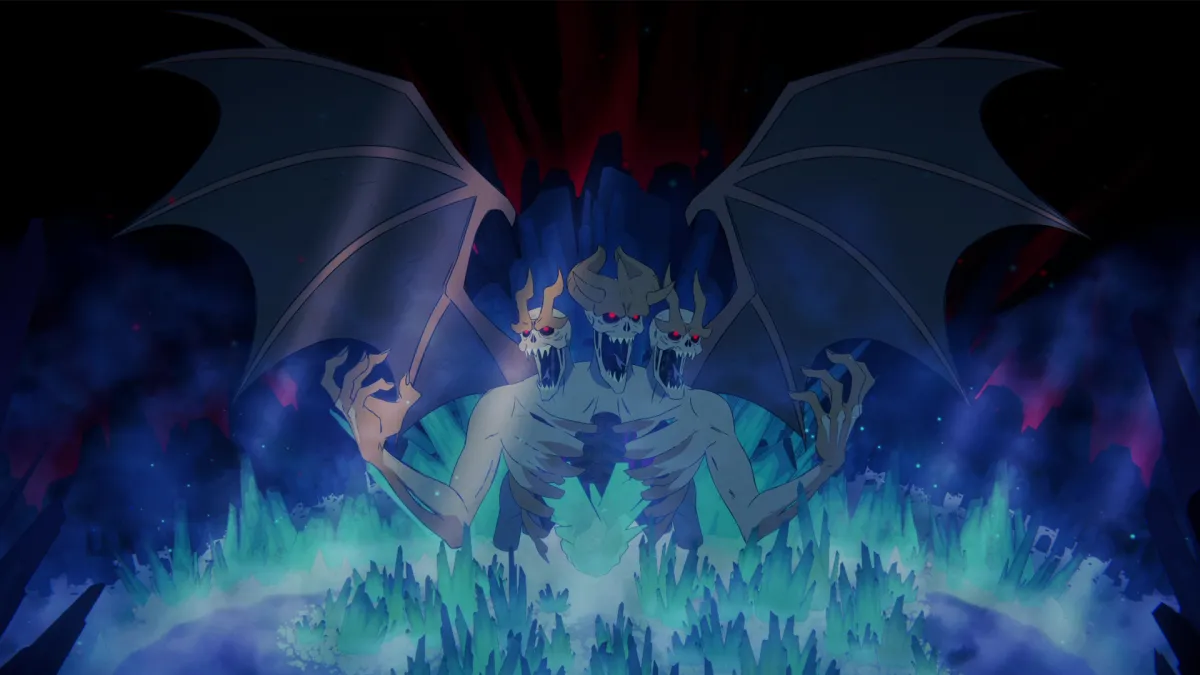
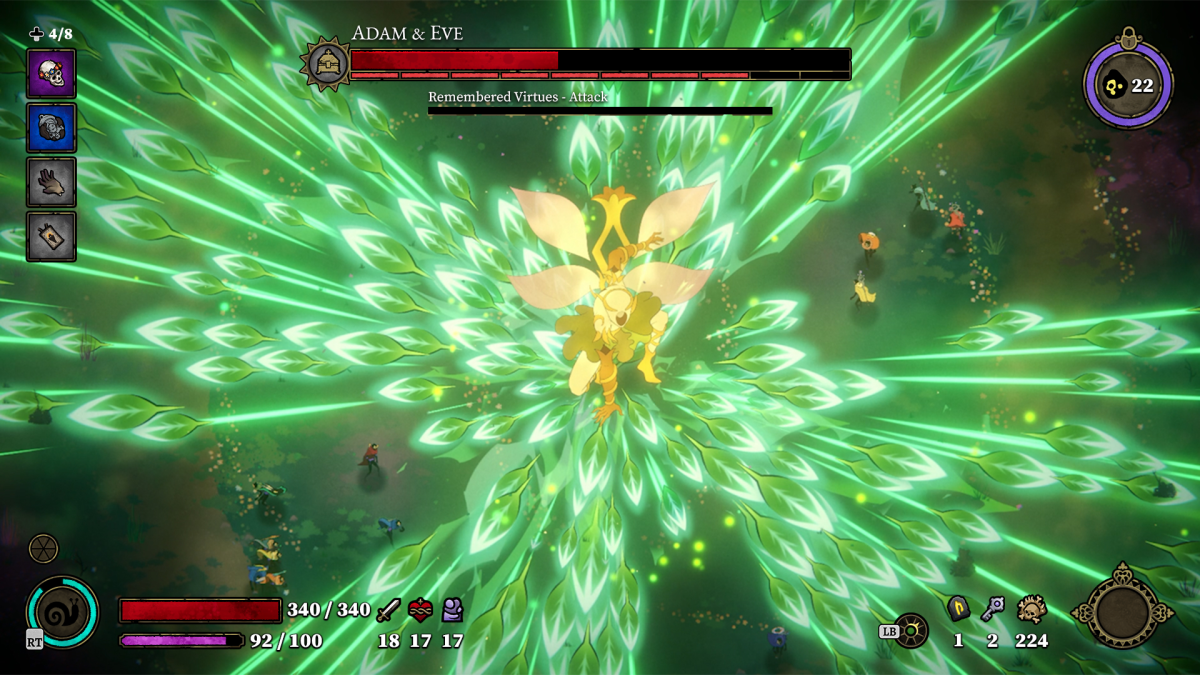
Once a weapon and its associated role are selected, the core gameplay loop revolves around progressing through the game’s three distinct worlds: Inferno, Purgatorio, and Paradiso. Each world features a series of challenges, beginning with navigating enemy-filled environments to unlock "Torture Chambers." These chambers serve as mini-dungeons culminating in boss encounters. Defeating a boss rewards players with a key necessary to access the next area. Inferno, the starting realm, accommodates up to 33 players and its boss, Lucifer, yields the Purgatorio Key. Purgatorio, designed for 22 players, introduces new enemy types and pits players against the formidable duo of Adam & Eve. Finally, Paradiso, a more intimate challenge for 11 players, features a fresh locale, a host of new adversaries, and the ultimate test against the "Wrath of God." The in-game map provides crucial navigational aid, highlighting points of interest such as active Torture Chambers and the proximity of other players. The combat itself adopts a traditional overhead action perspective, with each character possessing a standard attack, a charged or guard ability, a unique special skill, and a vital dash maneuver for evasion.
The Grind and the Repetition: Early Game Woes
The initial hours of 33 Immortals present a stark dichotomy between its ambitious concept and its execution. While the promise of immediate raid action is appealing, the gameplay loop quickly devolves into a cycle of repetition that can, for some, lead to tedium. A significant contributing factor to this is the perceived imbalance in difficulty and progression. Players can earn "Feats," which provide various bonuses, such as enhanced shrines, improved abilities, and additional Perk slots. "Perk Tokens" can be acquired and equipped to bolster the chances of finding powerful "Relics," enhancing co-op abilities, granting shields, increasing ally revival speed, boosting health, and improving health regeneration. However, the impact of these upgrades often feels diminishing once specific Perks are obtained and a basic understanding of Inferno’s challenges is achieved. For instance, securing Perks like "Defiant Denial" for a reliable shield and "Rejuvenated Vigor" for an increased chance of Rare and Epic Relics can create a sense of complacency, reducing the perceived need to experiment with other loadouts or actively seek out new gear. This is exacerbated by the fact that for players consistently playing solo, the initially chosen weapon might not prove as effective as a more survivable option, leading to a meta where certain weapons, like the Sword of Justice, become almost mandatory for consistent progression.
Beyond the mechanics, the aesthetic design of the afterlife realms contributes to the sense of monotony. The visual direction, while artistically coherent, renders Inferno, Purgatorio, and Paradiso remarkably similar, making it difficult for players to distinguish between them and establish a sense of place. This visual homogeneity, coupled with a limited variety of available maps, further amplifies the feeling of déjà vu. After the initial hour, the experience begins to feel less fresh, especially as the acquisition of Perk Tokens diminishes the perceived need for other players. Consequently, the incentives for replaying content become less compelling.
While cosmetic items are available through various channels—in-game drops, "Eternal Shards," purchasable DLC packs, and even Twitch drops—the appeal of these collectibles is subjective. The reviewer notes that only the "Familiar" cat and dog pets, obtainable via "Stardust" and "Familiar Tokens," offered a degree of motivation. The primary driving force for repeated engagement ultimately boils down to the necessity of repeatedly tackling previous areas to acquire Purgatorio and Paradiso Keys from bosses, a task that, while essential for progression, can feel more like a chore than an engaging objective when the underlying gameplay loop lacks variety.
The Peril of Player Dependency: When Coordination Fails
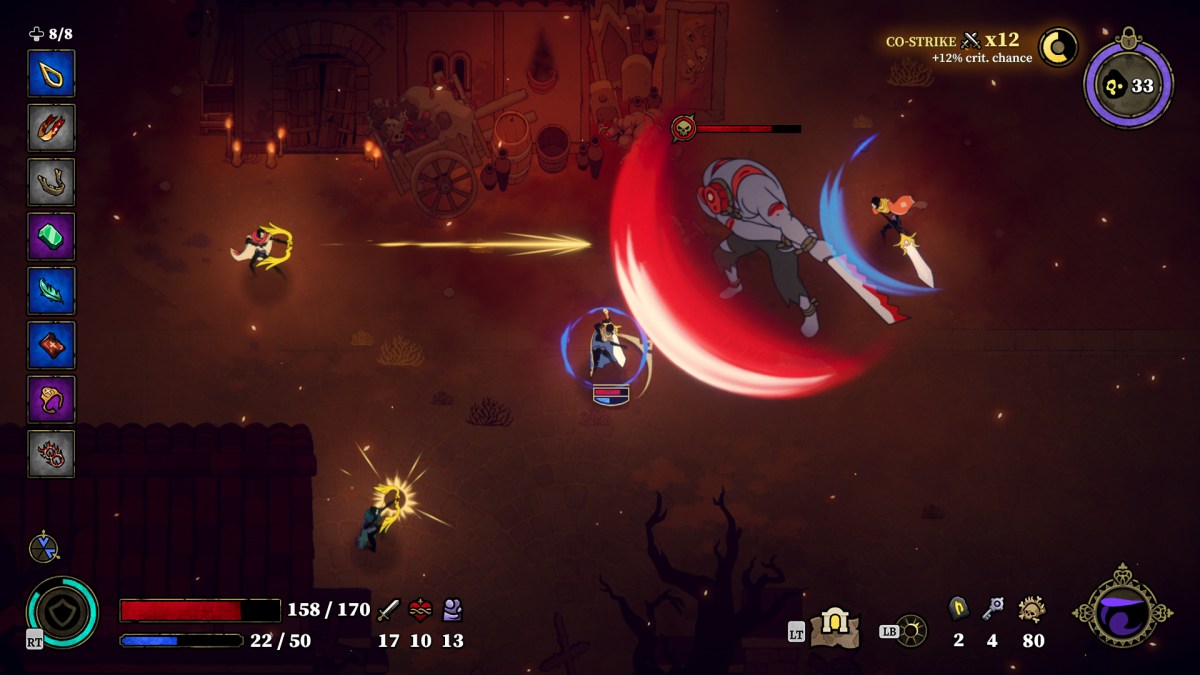
The core of 33 Immortals‘ design hinges on cooperative play, a feature that, while potentially rewarding, also introduces a significant vulnerability: the reliance on other players. Regardless of individual skill, stat optimization, or the acquisition of powerful Perks and Relics, success in raid encounters is often contingent on the collective performance of the group. This becomes particularly apparent in the early stages of Inferno. The availability of Torture Chambers can be fleeting, with players competing for limited slots. Furthermore, the journey to boss fights can be derailed by a lack of player awareness or coordination. Encounters with unblockable and potentially deadly attacks require a unified strategy to create safe spaces. The reviewer recounts a frustrating experience during Lucifer’s "Eternal Sorrow" mechanic, where the inability of the group to cooperate in shattering crucial crystals led to repeated failures. This dependence on group synergy can be a significant barrier to enjoyment, especially for those accustomed to more self-sufficient gameplay. It is only upon reaching Purgatorio that the reviewer begins to find enjoyment again, suggesting that the increased player awareness and coordination in larger groups may mitigate some of these early-game frustrations.
Admirable Ambitions, Unfulfilled Potential
Despite the criticisms, it is crucial to acknowledge the commendable aspects of 33 Immortals. The underlying concept of a raid-focused MMO-lite experience is undeniably sound and holds significant promise. The online multiplayer infrastructure itself functions commendably; the reviewer experienced no dropped matches, with failures attributable solely to group performance or individual missteps. The game’s clear map markers and helpful in-game map system contribute positively to navigation. The combat moveset is responsive and engaging, and the dedicated early access period appears to have ensured a polished launch in terms of technical stability.
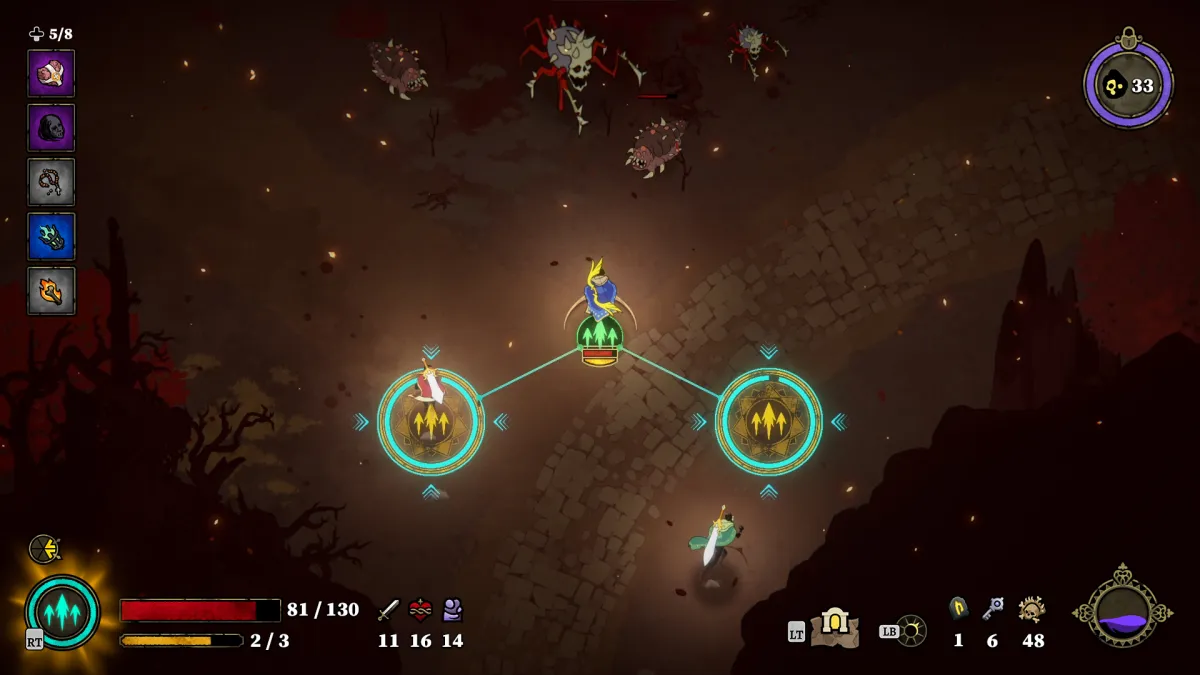
However, the game’s core issue lies in the disincentivizing nature of its progression and the extrinsic motivation for repeated play. The reliance on external factors—namely, the coordination and skill of unknown players—can be a significant hurdle. The reviewer reiterates that the game truly begins to shine once players reach Purgatorio. By this stage, the larger group of 22 players tends to exhibit a greater understanding of the necessary mechanics for success, leading to more fluid and enjoyable encounters.
Conclusion: A Diamond in the Rough Requiring Polish
33 Immortals is a game built upon an admirable foundation, offering a unique proposition for players seeking immediate cooperative raid experiences. While the game delivers on its promise of a functional online multiplayer system and a compelling narrative hook, it ultimately falters in sustaining player engagement due to a repetitive content loop and an over-reliance on group coordination. The perceived need to gravitate towards certain "survivability" focused weapons, like the Sword or Daggers, highlights a potential imbalance in early-game solo play. The reviewer’s experience underscores the difficulty in progressing when encountering groups, particularly in Inferno, that lack the necessary awareness for complex mechanics. Even with the drive to replay, the unlocks and rewards often fail to provide sufficient motivation.
While 33 Immortals certainly has a place in the gaming landscape and may appeal to players who find themselves in more ideal circumstances—perhaps with a dedicated group of friends—it currently feels like a game where success is heavily dependent on specific pieces falling into place. The journey through the afterlife, while conceptually rich, is currently hampered by a grind that can feel more arduous than rewarding, leaving players longing for a more consistently engaging and less player-dependent experience.
33 Immortals is available on Xbox Series X and PC.


 Lina Irawan
 Sagoh
Sagoh