By Leandro Beroldo | June 26, 2026

The history of cinema is littered with "what ifs." In the horror genre, these questions are often the most tantalizing. We see the final, polished product on screen—a carefully calibrated experience of tension, jump scares, and psychological dread—but rarely do we see the raw, jagged edges of the initial vision. Horror, perhaps more than any other genre, is a constant tug-of-war between the filmmaker’s desire to shock and the studio’s mandate to remain commercially viable.

While audiences celebrate the classics for their iconic scares, many of these films began their lives as much bleaker, more visceral, or deeply disturbing entities. Through deleted scenes, resurfaced early drafts, and the testimony of those behind the cameras, we can piece together the terrifying reality of what these films were originally intended to be.
The Economics of Fear: Why Horror Gets Softened
The transition from script to screen is rarely a straight line. For horror films, the pressure to maintain a specific rating (often the coveted PG-13 or a "soft" R) forces directors to reconsider the intensity of their imagery. This process, while often criticized by genre purists, is a fundamental reality of the film industry.
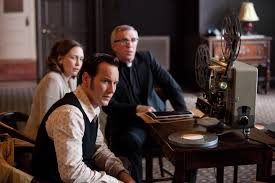
Studios are rarely interested in producing works that are so traumatizing they alienate the broader multiplex audience. Consequently, scenes that lean too heavily into nihilism, extreme gore, or psychological cruelty are frequently trimmed. This refinement process often sacrifices the "disturbing" for the "palatable," turning a descent into madness into a manageable rollercoaster ride.
A Chronological Descent: How Vision Evolved
The 1970s: The Dawn of Modern Brutality
The 1970s represented a paradigm shift for horror, moving away from gothic melodrama toward a gritty, realistic sense of dread.
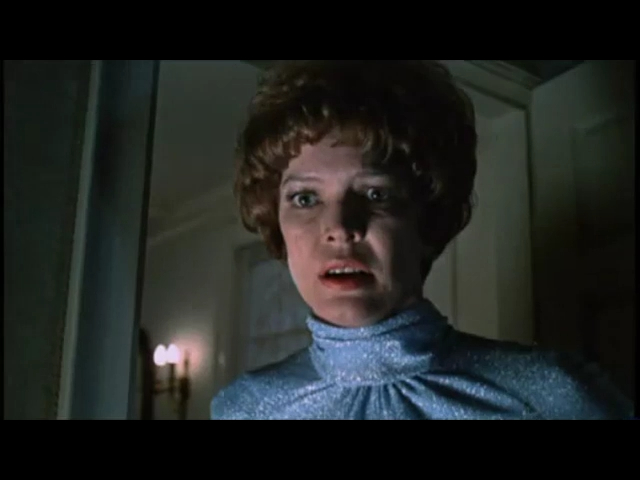
- The Exorcist (1973): William Friedkin’s masterpiece is widely considered one of the most terrifying films ever made. However, early edits included additional sequences of Regan’s possession that were deemed too intense for 1973 audiences. The decision to remove these was driven by both pacing concerns and the looming threat of extreme censorship that could have crippled the film’s theatrical run.
- The Texas Chain Saw Massacre (1974): Tobe Hooper’s grimy classic is infamous for being surprisingly bloodless despite its reputation. This was a tactical choice; early production drafts envisioned a much more graphic, unrelenting depiction of violence. By scaling back the literal blood, Hooper inadvertently created a more nightmarish, suggestion-based experience that remains more effective than the gore-fest originally planned.
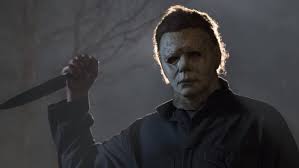
- Halloween (1978): John Carpenter is the master of restraint. While Michael Myers’ reign of terror is legendary, original scripts for the film featured far more explicit violence. Carpenter realized early on that what the audience imagines is often more powerful than what they see, leading to the masterclass in suspense we know today.
The 1990s and 2000s: The Found Footage and Supernatural Boom
As the millennium approached, horror pivoted toward the "found footage" phenomenon and high-concept supernatural scares.
- The Blair Witch Project (1999): In its initial promotional phase and early drafts, the film toyed with showing the witch in all her glory. However, the creative team ultimately realized that the power of the film lay in its ambiguity. The "less is more" approach transformed a low-budget gimmick into a cultural touchstone.
- The Ring (2002): Gore Verbinski’s American remake of the Japanese classic is a masterclass in atmosphere. However, early iterations of Samara’s backstory were far more disturbing, focusing on the graphic details of her abuse and death. These were toned down to ensure the film maintained its focus on the cyclical nature of the curse rather than the procedural nature of the murder.
- Saw (2004): James Wan’s debut changed the landscape of horror. While still violent, early drafts were significantly more extreme, with traps designed to be more prolonged and suffering depicted with a higher degree of anatomical focus. The final cut balanced the "torture" elements with a complex detective narrative.
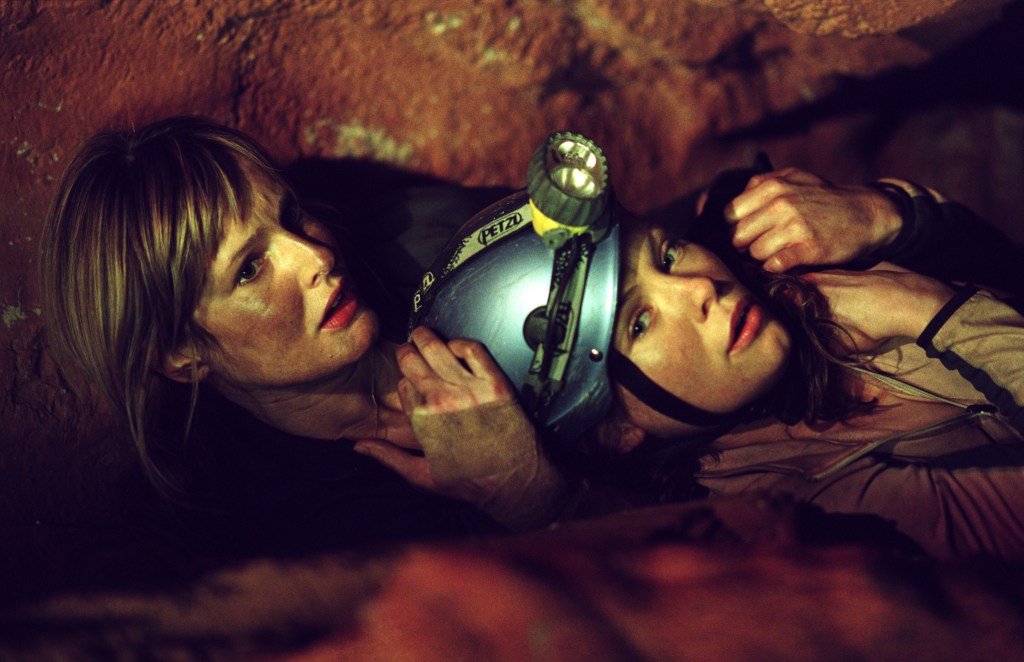
- The Descent (2005): Neil Marshall’s claustrophobic nightmare had several endings, some of which were far more hopeless than the theatrical version. Early cuts featured more aggressive creature sequences that emphasized the hopelessness of the protagonists’ situation, which were softened to keep the audience from feeling entirely defeated.
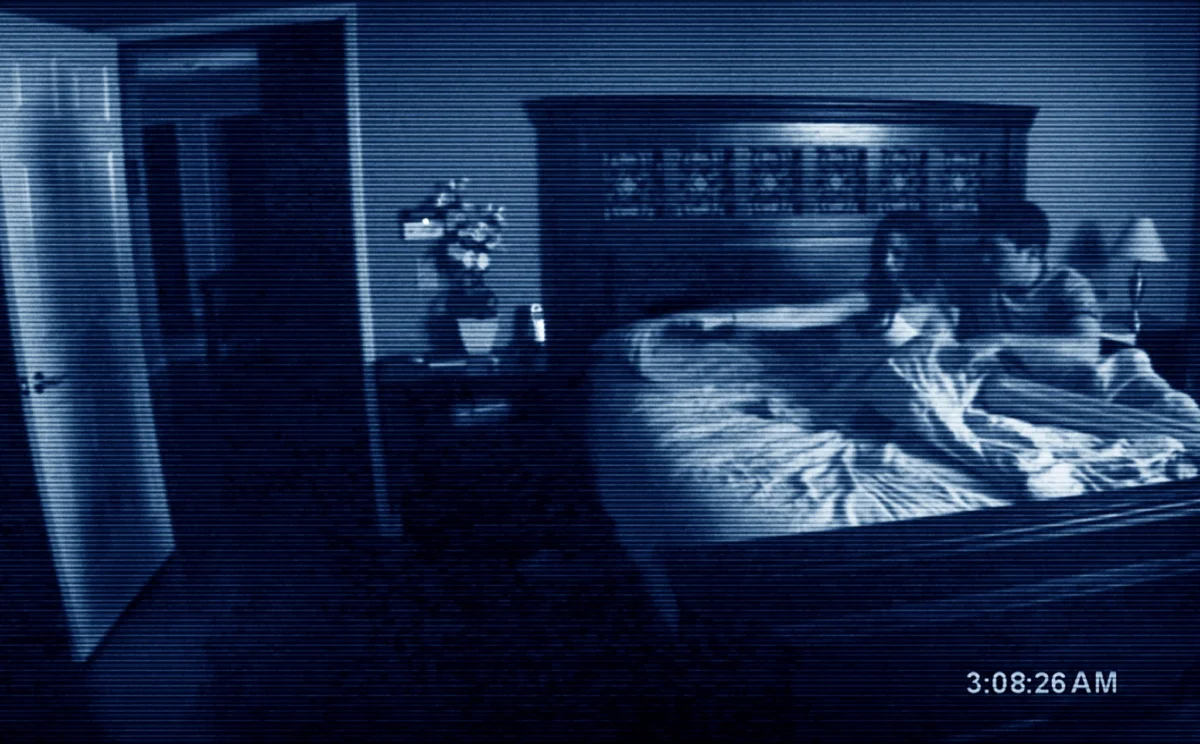
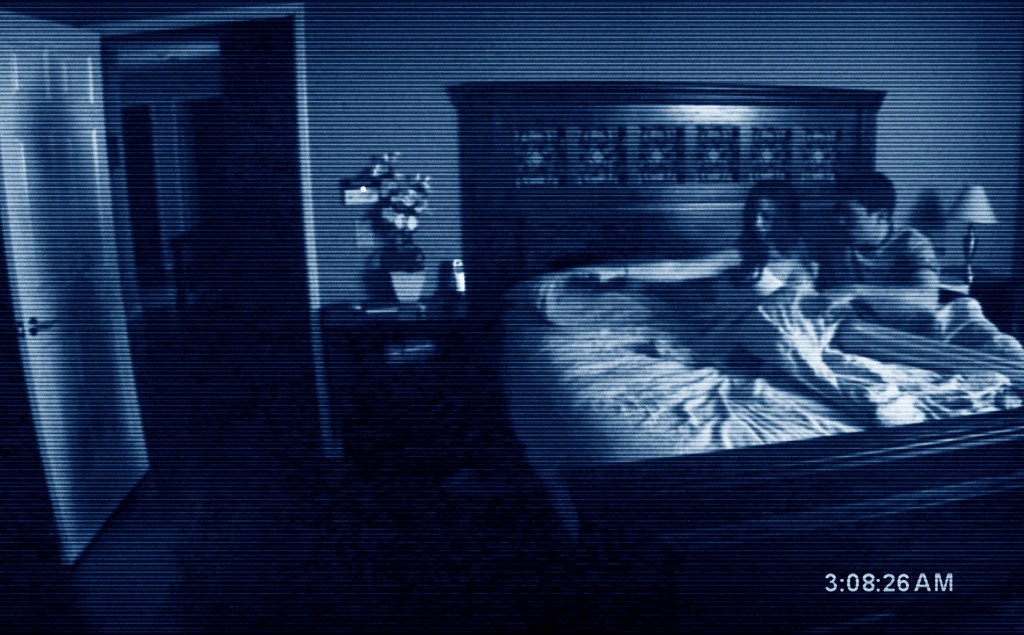
- Paranormal Activity (2007): Perhaps the most famous example of "alternate endings," the original version featured a much more violent and direct supernatural assault. The minimalist, slow-burn approach was chosen to maximize the audience’s paranoia.
The Modern Era: Psychological Intensity (2010–2018)
Modern horror has returned to the psychological roots of the genre, focusing on grief, trauma, and domestic instability.
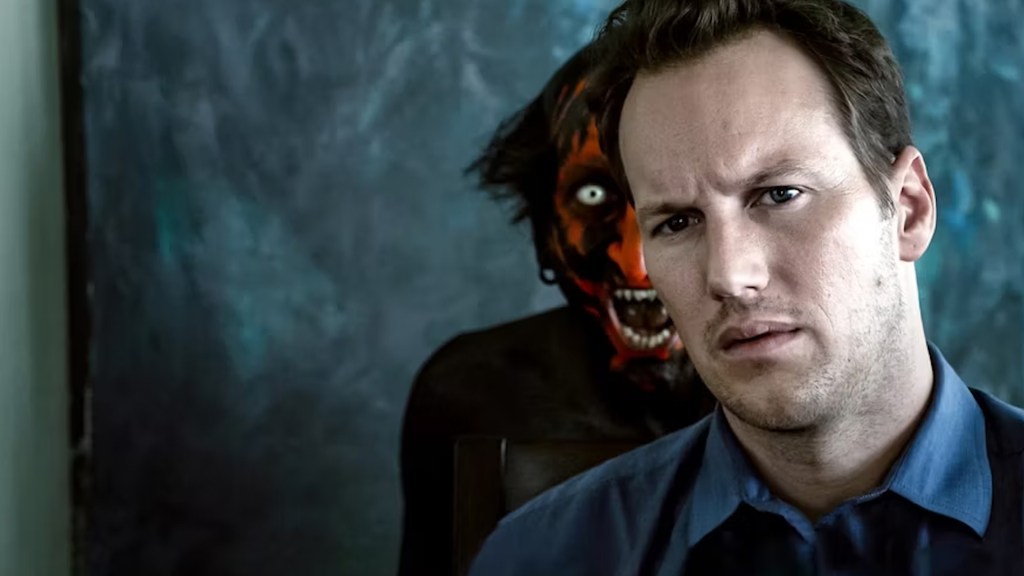
- Insidious (2010): The Further is a terrifying concept, but the original vision for the astral plane included even more grotesque entities and disturbing imagery. These were reduced to keep the pacing tight and the focus on the Lambert family’s emotional journey.
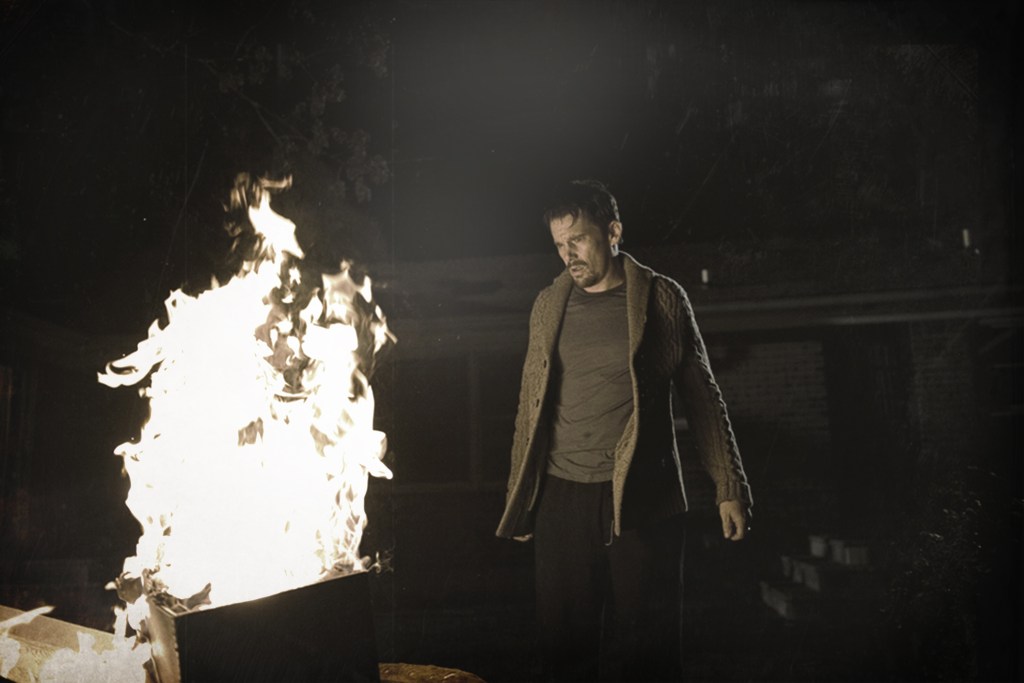
- Sinister (2012): The found footage tapes in Sinister are the stuff of nightmares. Originally, there was even more graphic content planned for these tapes, but the filmmakers opted for a more suggestive approach to avoid potential censorship issues that could have restricted the film’s reach.
- A Quiet Place (2018): John Krasinski’s creature feature is famous for its silence. Early concepts for the film leaned heavily into survival horror tropes and graphic creature encounters. The decision to shift toward restraint turned the film into a unique sensory experience rather than a standard monster movie.
- Hereditary (2018): Ari Aster’s debut is a harrowing look at grief. Deleted material suggests that the film’s supernatural elements were originally intended to be more overt, with even longer sequences of psychological and physical suffering that were ultimately cut to ensure the emotional core of the family dynamic remained the priority.
Supporting Data: The Impact of Rating and Pacing
The move toward "softer" horror is often backed by data regarding the Motion Picture Association (MPA) ratings. A "Hard R" rating can significantly limit a film’s marketing reach and box office potential. By trimming a few seconds of extreme violence, a film can secure a more favorable rating, opening the doors to a wider teenage demographic.
Furthermore, pacing studies have shown that constant, high-octane horror can lead to "scare fatigue." By removing the most disturbing sequences, filmmakers often improve the film’s overall rhythm, allowing the audience to recover just enough to be shocked again.
Official Responses and Creative Philosophy
Directors often defend these changes as necessary creative pivots. As John Carpenter famously noted regarding his own work, "The audience’s mind is the scariest place in the world."
In recent interviews, filmmakers like James Wan and Ari Aster have echoed this sentiment, suggesting that the most disturbing films are not those that show everything, but those that leave just enough to the imagination. The "disturbing" nature of a film is rarely about the volume of blood, but rather the emotional weight of the situation. When studios ask for a film to be "toned down," they are often, perhaps inadvertently, forcing directors to find more creative, psychological ways to express that same darkness.
Implications: Is "Less" Always "More"?
The history of these fifteen films presents a compelling argument for the benefits of editorial restraint. While fans often clamor for "Director’s Cuts" or "Unrated Versions," the theatrical versions of these films are, in many cases, the stronger works of art.
The implication for the future of the genre is clear: horror is evolving away from the "shock value" era toward a more nuanced, psychological approach. While we may always wonder about the deleted scenes and the darker drafts, it is the finished product—tempered by budget, ratings, and artistic choice—that defines our collective nightmares.
Ultimately, the most disturbing horror movies aren’t the ones that show us the monster; they are the ones that make us fear what we cannot see. By cutting the gore, these directors accidentally tapped into a deeper, more primal fear, proving that sometimes, the most disturbing thing you can do is leave the audience wanting—or fearing—more.