Raul Delapena Setiawan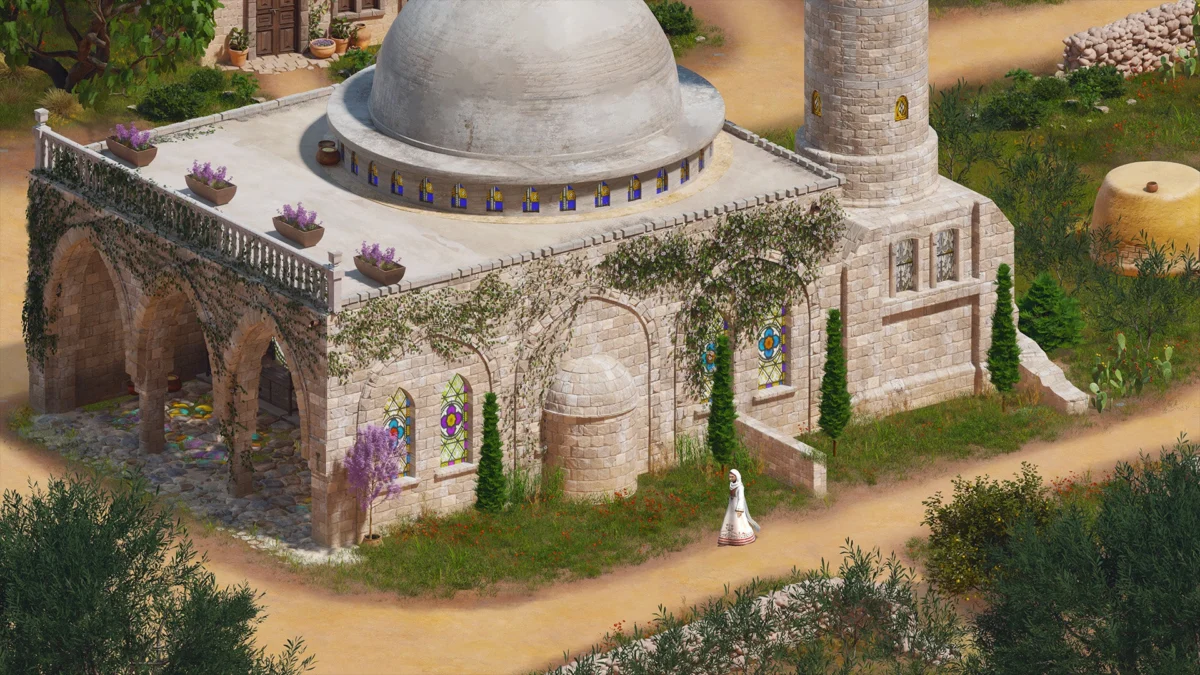
In the landscape of modern digital entertainment, video games are increasingly transcending their origins as mere leisure activities to become profound, interactive repositories of cultural memory. Dreams on a Pillow, the latest project from Palestinian developer Rasheed Abueideh—best known for his poignant, award-winning mobile title Liyla and the Shadows of War—stands at the forefront of this evolution. Announced in late 2024, the game is a "pseudo-stealth adventure" that serves as a visceral, interactive exploration of the Nakba, the 1948 ethnic cleansing of Palestinians. As production shifts into high gear following a successful initial funding phase, the release of the first gameplay trailer has provided the public with a glimpse into a project that aims to bridge the gap between historical tragedy and intimate, human experience.
The Genesis of a Narrative: Beyond the Statistics
At the heart of Dreams on a Pillow lies a narrative deeply rooted in Palestinian folklore and the lived reality of those who endured the displacement of 1948. The story centers on Khadra, a young woman who, in the chaotic aftermath of the massacre of her village, attempts a desperate flight toward safety with her newborn child. In a moment of harrowing confusion, she accidentally grabs a pillow instead of her baby—a mistake that becomes a central, haunting mechanic of the game.
The pillow acts as both a physical anchor and a psychological manifestation of trauma. Throughout the gameplay, the object must be carried with the protagonist; its absence triggers a transition into a "nightmare" state, visually representing the fracturing of reality under the weight of extreme stress and grief. By grounding the monumental tragedy of the Nakba in the singular, devastating loss of a mother, Abueideh seeks to move the discourse beyond geopolitical statistics and into the realm of the deeply personal.
Chronology: From Concept to Production
The development of Dreams on a Pillow has been a journey of resilience, largely shaped by the contemporary climate in the West Bank. The timeline of the project is as follows:
- Late 2023: Initial conceptualization begins as an emotional response to the escalating violence in Gaza. Abueideh draws upon his heritage and the historical records of the 1948 Nakba to form the foundation of the narrative.
- Late 2024: The project is officially announced to the public, drawing significant attention for its sensitive subject matter and its status as a follow-up to the acclaimed Liyla and the Shadows of War.
- Early 2025: The first crowdfunding campaign reaches its initial milestones, allowing for the formal assembly of a cross-disciplinary production team.
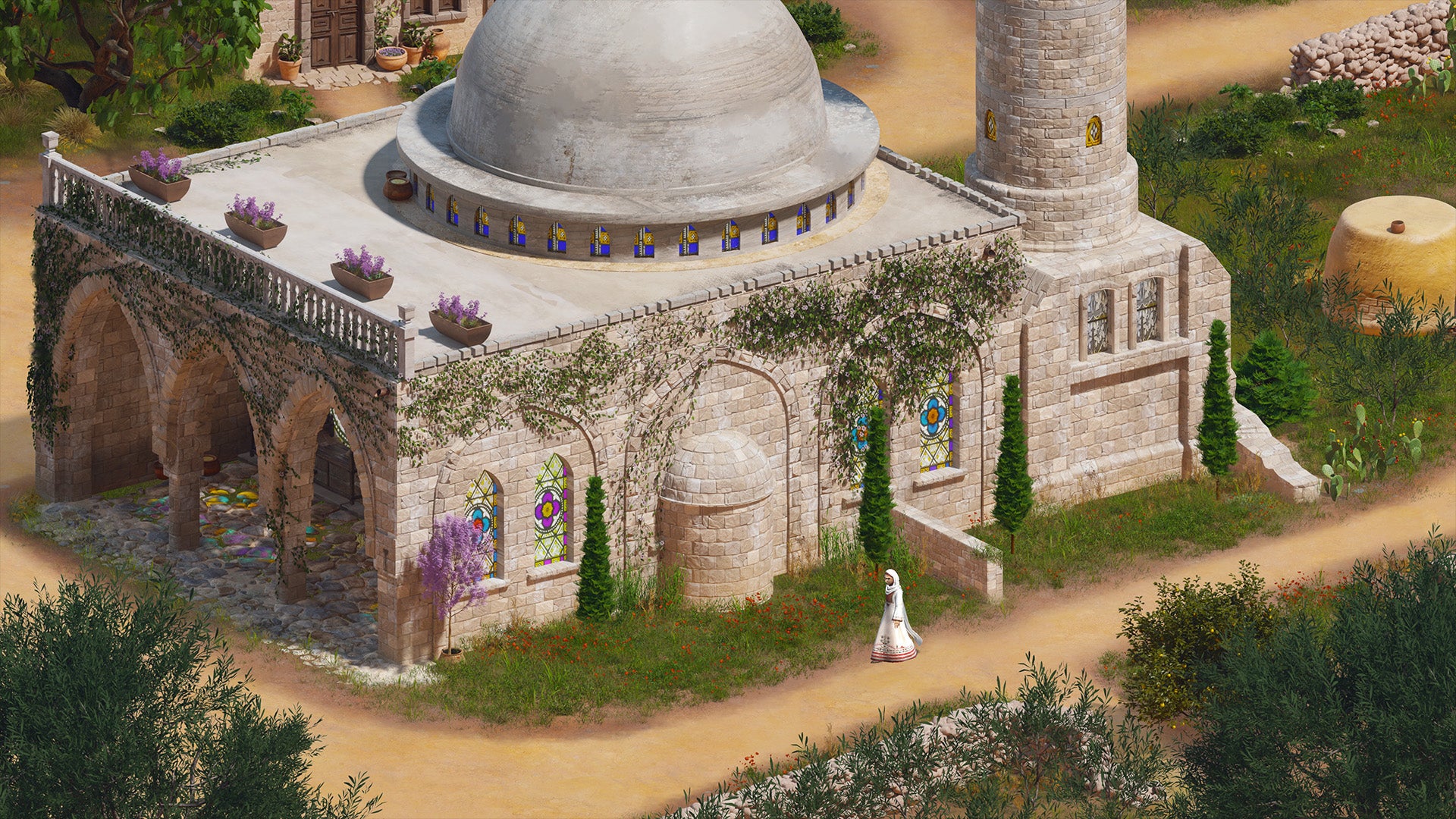
- Mid-2025: The developer releases the first official gameplay trailer, showcasing the visual shift between the lush, vibrant life of pre-1948 Palestine and the bleak, nightmarish reality of the flight into exile.
- 2027 (Projected): The target release window for the full experience.
The Gameplay Loop: A Tripartite Reality
One of the most ambitious aspects of Dreams on a Pillow is its mechanical structure. Abueideh and his team have designed a loop that forces the player to navigate three distinct mental and physical states, which mirror the trajectory of the protagonist’s survival:
- Reality: The gritty, dangerous journey of the escape. This segment utilizes stealth mechanics, requiring players to navigate the perils of the flight from Palestine toward the hope of sanctuary in Southern Lebanon.
- Nightmares: Triggered by the loss of the "child" (the pillow), these segments represent the psychological toll of trauma. The environment shifts, becoming surreal and terrifying, forcing the player to confront the manifestations of loss.
- Dreams/Memories: A stark contrast to the violence, these sequences depict life in the village of Al Tantura. By rendering the pre-1948 era as colorful, lush, and vibrant, the game forces the player to witness what was lost, emphasizing that the Nakba was not just a displacement of people, but the destruction of a flourishing culture and lifestyle.
Supporting Data: The Logistics of Independent Development
Creating a game of this magnitude from the West Bank is a feat that requires immense logistical and creative coordination. In recent updates provided on the project’s LaunchGood page, Abueideh confirmed that the core team has been fully assembled.
"That means we have successfully assembled our core team across all disciplines and together we’ve established healthy production standards and pipelines," Abueideh stated. The transition into full production is a significant milestone, indicating that the game has moved past the prototype phase and is now actively being built out as a cohesive, long-form experience. This progress is bolstered by continued crowdfunding efforts, which are essential for maintaining independence and creative control in an industry often dominated by large, risk-averse publishers.
Implications: The Role of Games in Historical Education
The existence of Dreams on a Pillow raises important questions regarding the role of interactive media in historical education and advocacy. For younger generations or audiences unfamiliar with the specifics of the 1948 conflict, the game serves as an entry point. By allowing players to inhabit the perspective of a victim of ethnic cleansing, the game attempts to cultivate empathy—a process often more effective in gaming than in traditional literature or film because of the requirement of active participation.
However, the game also faces the unique challenges inherent in "serious gaming." The medium must balance the need for engaging mechanics with the ethical obligation to treat the subject matter with the gravity it deserves. Critics of historical games often point to the risk of "trivializing" trauma through "gamification." Abueideh’s approach—focusing on the psychological state of the protagonist rather than the glorification of combat—suggests an awareness of these pitfalls. The game is less about winning a conflict and more about enduring a tragedy, shifting the player’s goal from "conquering" to "surviving."
Official Response and Community Engagement
The reception of the project has been characterized by strong support from the independent gaming community and international audiences who are keen to see stories from underrepresented perspectives. The game is currently available for wishlisting on Steam, a metric that developers use to gauge interest and secure future visibility on the platform.
The developer’s openness regarding the "challenges of making games from the West Bank" has also served to highlight the unique obstacles faced by Palestinian creators—from infrastructure limitations to the ongoing psychological strain of the current political environment. For many supporters, funding Dreams on a Pillow is not merely an act of backing a commercial product; it is a gesture of solidarity with a creative movement seeking to preserve Palestinian history in the face of erasure.
Future Outlook
As the 2027 release window approaches, the gaming world will be watching to see if Dreams on a Pillow can successfully fulfill the promise of its early vision. The project represents a significant test case for whether a small, independent team can handle the weight of historical trauma while delivering a polished, compelling mechanical experience.
If successful, the game could set a new standard for historical storytelling in games, proving that interactive media can be a powerful tool for remembrance, empathy, and truth-telling. In a world where the details of history are often contested or forgotten, Dreams on a Pillow stands as a reminder that some stories are best told by those who carry them, and that the medium of play is capable of carrying the heaviest of human burdens.


 Asro
Asro
 Muslim