

The cinematic process is often romanticized as a seamless collaboration between the auteur and the performer. However, the reality of film and television production is frequently a pressure cooker of competing visions. While a character’s soul is brought to life by the actor, the final product is a mosaic of contributions from directors, studio executives, writers, and editors. When these visions collide, the result can lead to legendary on-set tension, public fallouts, and, in some cases, the permanent reshaping of an actor’s relationship with a franchise.
Below, we examine 15 instances where industry veterans stood their ground against the creative direction of their projects, offering a look at the friction that happens when the person on camera disagrees with the person behind the lens.
The Philosophy of Dissent: Why Actors Speak Out
At the heart of these conflicts is a fundamental struggle over "ownership" of a character. For an actor, internalizing a role requires a deep, often intuitive understanding of that character’s psychology. When a director or studio demands a pivot that feels inauthentic to that internal logic, the actor—especially a veteran with a storied career—often feels a duty to protect the integrity of the performance. This is not always a matter of ego; often, it is a matter of artistic survival.
A Chronological Look at Creative Friction
1. Bruce Willis – Die Hard (1988)
Long before he was an action icon, Bruce Willis was a television star looking to transition to film. During the production of Die Hard, Willis pushed back against the studio’s marketing and the film’s tone. He argued that John McClane should not be an invincible superman, but a vulnerable, relatable everyman. His insistence on playing the character with human fragility helped redefine the action genre for the next decade.

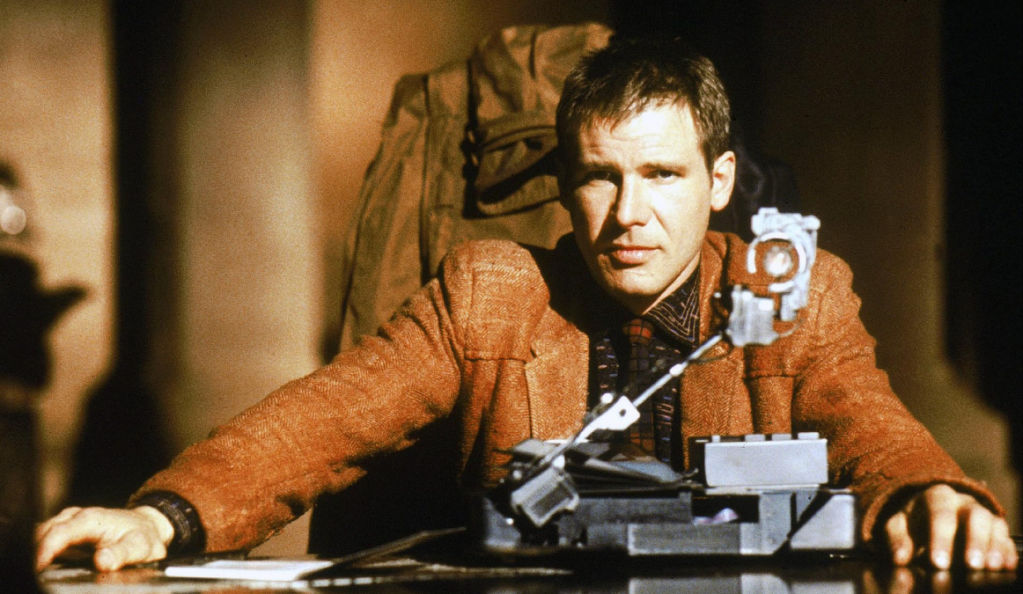
2. Harrison Ford – Blade Runner (1982/1992)
Perhaps the most famous example of "malicious compliance" in cinema history, Harrison Ford despised the studio-mandated voiceover in Blade Runner. Believing it was unnecessary and condescending to the audience, Ford delivered the narration in a monotone, flat, and intentionally uninspired manner, hoping it would be so unusable that the studio would be forced to cut it. It remained in the theatrical release, much to his chagrin.
3. Burt Reynolds – Boogie Nights (1997)
Burt Reynolds’ performance as Jack Horner earned him an Academy Award nomination, yet the actor was deeply unhappy throughout production. He clashed frequently with director Paul Thomas Anderson, finding the film’s subject matter and the director’s experimental style difficult to embrace. Reynolds later admitted he didn’t "get" the movie while he was making it, a testament to the gap between a director’s vision and a performer’s comfort zone.
4. Katherine Heigl – Grey’s Anatomy (2008–2010)
Katherine Heigl’s public critique of the Grey’s Anatomy writing staff became a lightning rod for debate in Hollywood. By withdrawing her name from Emmy consideration, she sent a clear message: she felt the material provided to her character was no longer up to the standards of the show’s earlier seasons. This bold move fundamentally altered the power dynamic between actors and showrunners.
5. Edward Norton – The Incredible Hulk (2008)
Edward Norton’s tenure as Bruce Banner was marked by a desire to bring a darker, more cerebral tone to the Marvel Cinematic Universe. Norton, a notorious script doctor, clashed with producers over the film’s final edit and tone. The conflict was so irreconcilable that Norton eventually parted ways with the franchise, leading to the recasting of the character.
6. Megan Fox – Transformers: Revenge of the Fallen (2009)
Megan Fox’s public criticism of director Michael Bay’s on-set conduct and the film’s lack of focus on narrative was one of the most high-profile celebrity-director feuds of the 2000s. Fox expressed that the "tyrannical" nature of the production prevented any meaningful creative contribution from the actors, leading to her eventual exit from the franchise.
7. Robert Pattinson – The Twilight Saga (2008–2012)
Robert Pattinson’s dry, often sarcastic press tours for Twilight became a sub-genre of entertainment journalism. He openly mocked the source material and the way his character, Edward Cullen, was portrayed. Pattinson later clarified that his approach to the character was "manic," clashing with the "brooding" version the studio wanted to sell to the audience.
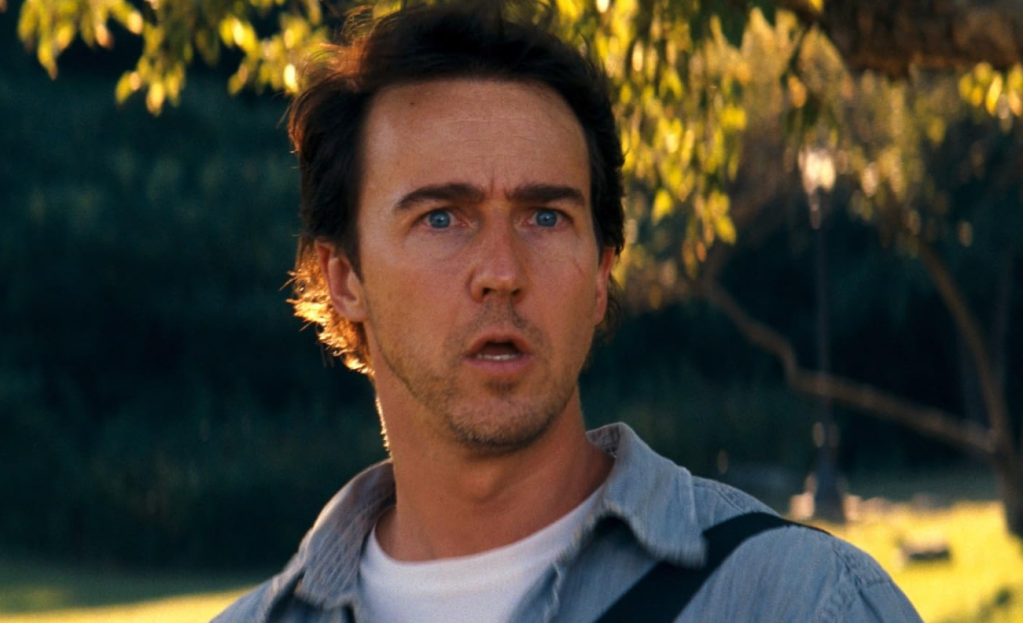
8. Christopher Eccleston – Doctor Who (2005)
Christopher Eccleston’s departure after only one season of the Doctor Who reboot sent shockwaves through the UK television industry. He later revealed that the "toxic" environment and creative disagreements with the show’s leadership made it impossible for him to continue, highlighting the often-overlooked importance of on-set culture.
9. Jessica Alba – Fantastic Four: Rise of the Silver Surfer (2007)
Jessica Alba’s experience with the Fantastic Four sequel was profoundly discouraging. She recalled being told by her director to "stop crying" during a dramatic scene because it made her look "too pretty" or "too emotional," highlighting a systemic issue where physical appearance was prioritized over the emotional weight of the performance.
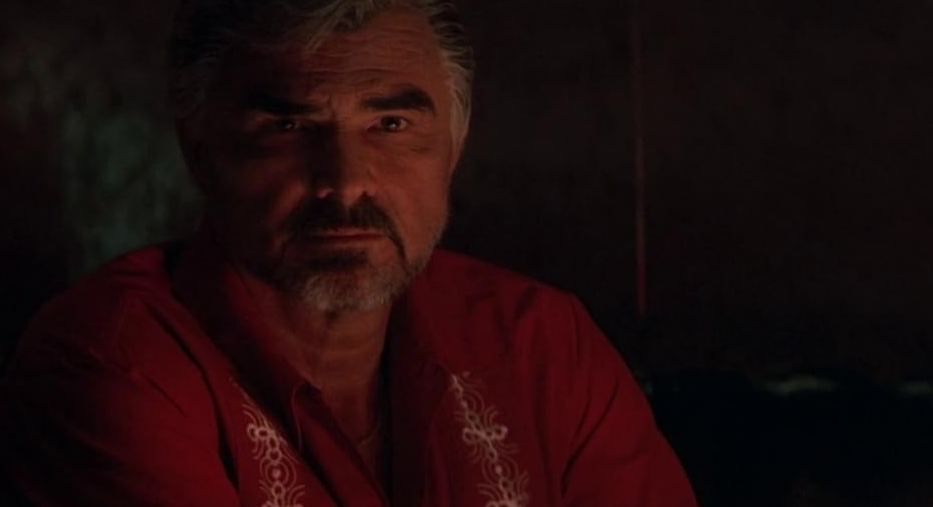
10. Chevy Chase – Community (2009–2012)
The legendary friction between Chevy Chase and Community creator Dan Harmon is well-documented. Chase, a veteran of Saturday Night Live, struggled to adapt to the show’s meta-humor and surreal, fast-paced writing. His public outbursts and disagreement with the show’s creative direction eventually led to his character being written off.
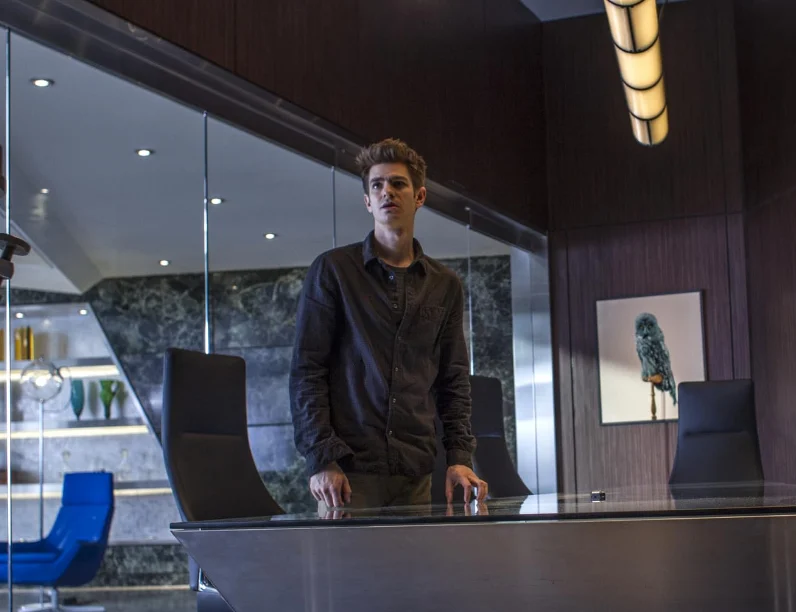
11. Andrew Garfield – The Amazing Spider-Man 2 (2014)
Andrew Garfield’s passion for the Spider-Man character was evident, but his frustration with the studio’s corporate interference was equally apparent. He felt that the creative potential of the film was stifled by the pressure to build a larger cinematic universe, rather than focusing on Peter Parker’s internal development.

12. Jim Carrey – Kick-Ass 2 (2013)
In an unprecedented move, Jim Carrey publicly distanced himself from Kick-Ass 2 following the Sandy Hook Elementary School shooting. While the film was already completed, Carrey stated that the level of violence in the movie no longer aligned with his conscience, choosing to step away from promotional duties despite his role in the project.
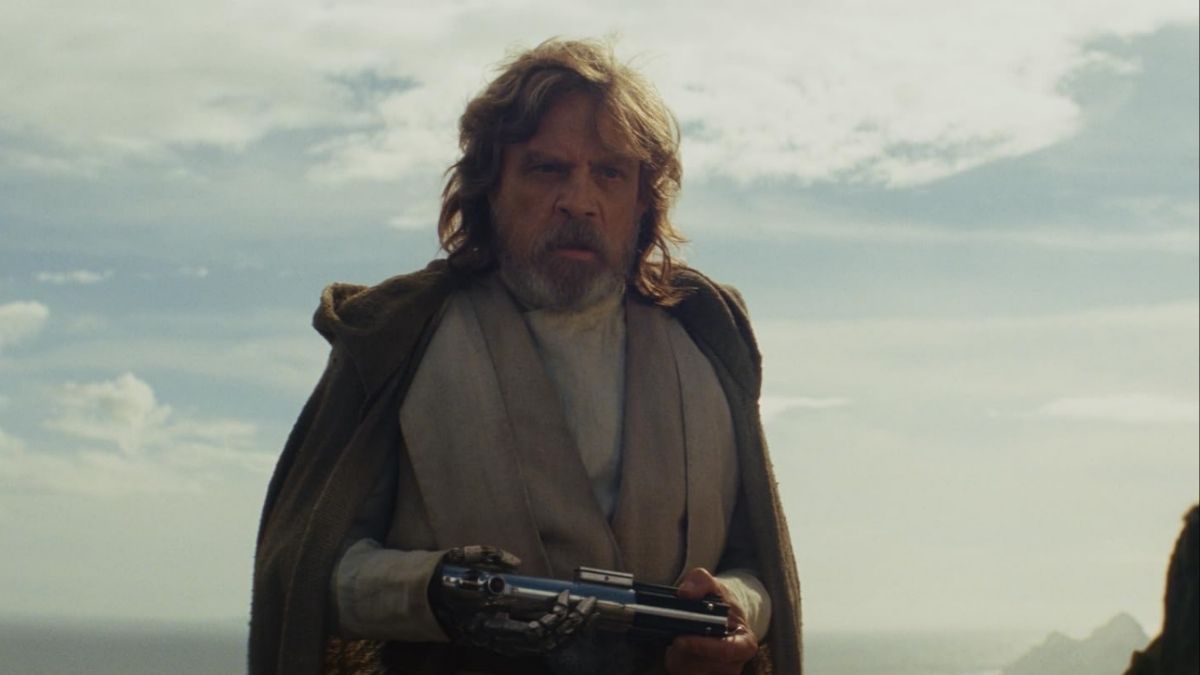
13. Mark Hamill – Star Wars: The Last Jedi (2017)
Mark Hamill’s public hesitation regarding Luke Skywalker’s character arc in The Last Jedi is a masterclass in the complexity of legacy characters. Hamill noted that he and director Rian Johnson had fundamental disagreements about how Luke would react to the circumstances he found himself in, showcasing the tension between fan expectations and creator reimagining.
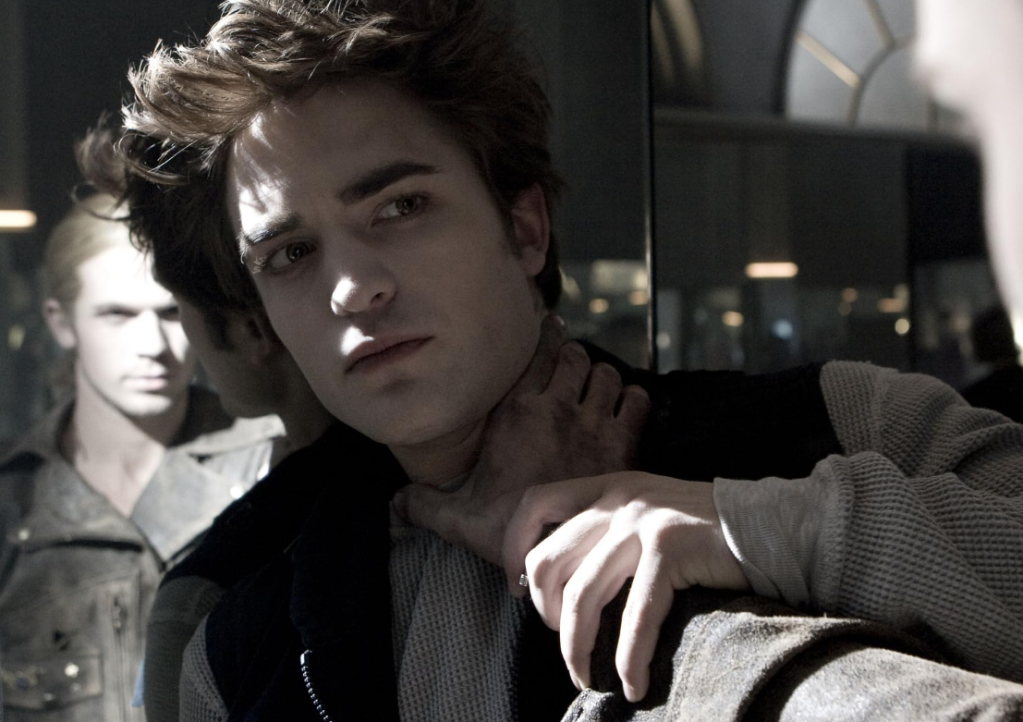
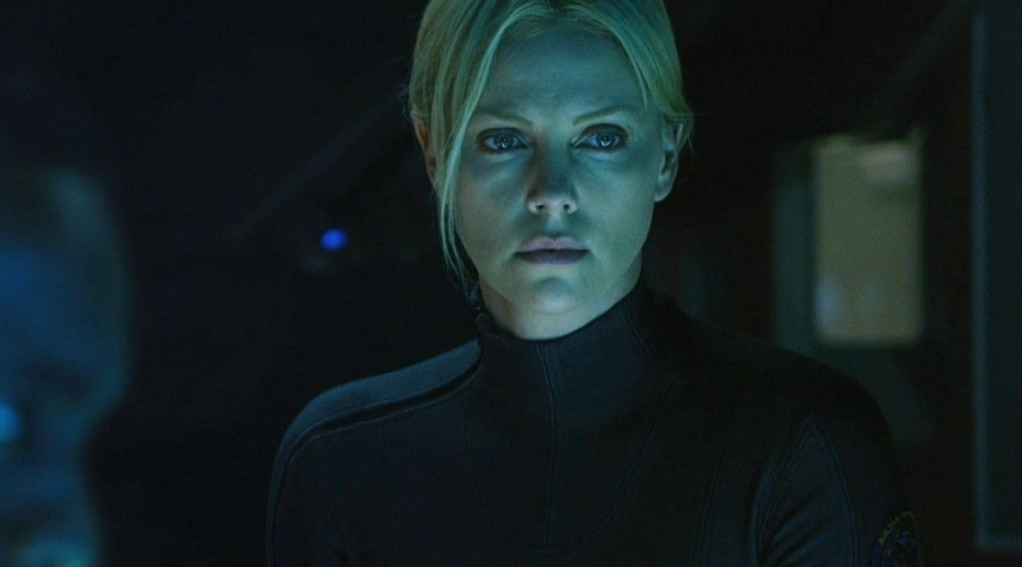
14. Charlize Theron – Prometheus (2012)
Charlize Theron, a powerhouse of the industry, expressed frustration with the emotional limitations placed on her character in Ridley Scott’s Prometheus. She felt that certain narrative choices created an artificial emotional distance that hindered the character’s growth, illustrating how even the best actors can feel trapped by rigid scripting.
15. John Boyega – Star Wars: The Rise of Skywalker (2019)
John Boyega’s critiques of the sequel trilogy focused on the marginalization of minority characters. He argued that the studio failed to capitalize on the potential of his character, Finn, effectively sidelining him as the narrative progressed. His candor sparked a massive industry conversation regarding diversity and narrative planning in major franchises.
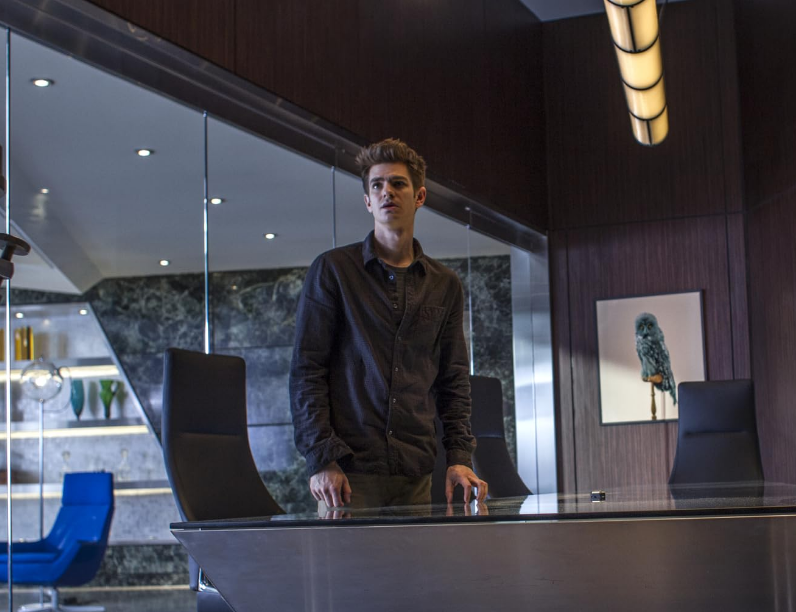
Implications for the Industry
These 15 cases highlight a growing trend: actors are no longer willing to remain silent when they believe a creative vision is flawed or harmful to their character. This shift has several major implications for Hollywood:
- The Power Shift: High-profile actors are increasingly leveraging their fame to act as unofficial consultants. Studios are now more likely to listen to actor feedback during pre-production to avoid public relations disasters later.
- The "Auteur" vs. "Collaborator" Conflict: The rise of the blockbuster franchise has made it harder for individual directors to maintain total control, leading to more "committee-made" films that often frustrate the lead performers.
- The Risk of Authenticity: As shown by actors like Harrison Ford or Mark Hamill, an actor’s public disagreement can actually humanize the product for fans, creating a discourse that transcends the film itself.
Conclusion
The friction between an actor’s instinct and a creative team’s vision is a natural, if uncomfortable, part of the filmmaking process. While these clashes often lead to negative headlines, they are ultimately born from a shared, albeit conflicting, desire to create something memorable. Whether it is a protest against excessive violence, a demand for better character development, or a clash of artistic philosophies, these moments of dissent remind us that every frame of film is the result of a human struggle. For the audience, these stories serve as a vital reminder that the films we watch are rarely the product of a single, unified mind—they are the result of a battlefield where the greatest art is often negotiated.











No comments yet. Be the first to join the conversation!