

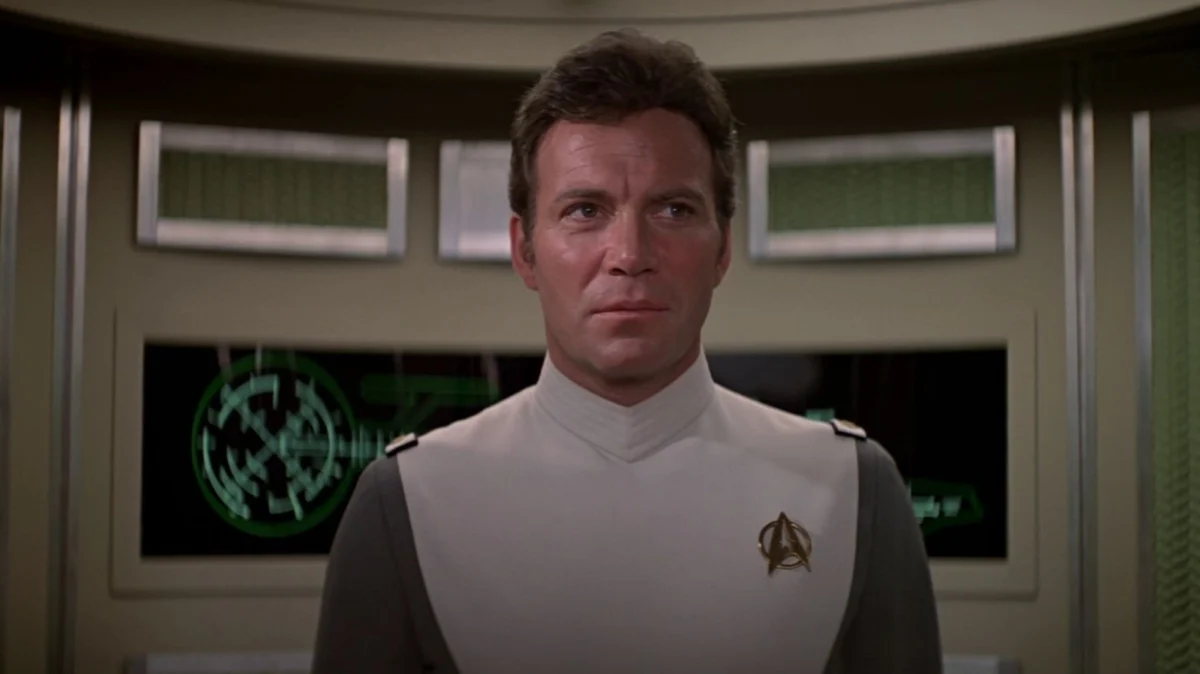
For decades, the history of American television has been defined by the "Big Three"—ABC, CBS, and NBC. Yet, beneath the surface of this corporate hegemony, Hollywood studios were constantly plotting to disrupt the status quo. Paramount Pictures, a studio with a legacy stretching back to the dawn of the medium, spent much of the late 20th century attempting to secure its own broadcast throne. The most fascinating chapter of this pursuit is a little-known 1977 initiative that centered entirely on the franchise that would eventually define the studio’s television identity: Star Trek.
The Genesis of a Broadcast Dream
Paramount’s history with television is as old as the medium itself. As noted in the seminal historical text Boom and Bust: The American Cinema in the 1940s, Paramount was a primary architect behind the DuMont Television Network, one of the earliest experimental broadcast ventures in the United States. When the Paramount Television Network launched in 1948, the industry was in its infancy. However, the venture proved premature and largely unsuccessful, shuttering its doors by 1956.
For the next four decades, the studio’s leadership remained haunted by the desire to control its own distribution channel. This ambition eventually manifested in the 1995 launch of UPN (United Paramount Network). Premiering on January 16, 1995, UPN’s flagship offering was Star Trek: Voyager. While Voyager became a cornerstone of the network, UPN itself struggled, eventually merging with The WB in 2006 to form The CW. But the story of Paramount’s TV ambitions actually finds its most radical iteration in the late 1970s—a period where the studio nearly launched a "fourth network" built on the back of the USS Enterprise.
1978: The Paramount Television Service (PTS)
In the mid-1970s, Star Trek was experiencing a massive cultural resurgence. Despite being canceled after only three seasons in 1969, the show had found a second life in syndication. Gene Roddenberry, the series’ creator, recognized the fervor of the fan base and began pushing for a revival.
Simultaneously, Paramount leadership, under the guidance of then-president Barry Diller, was exploring the feasibility of the "Paramount Television Service" (PTS). As reported in a 1977 issue of New Times, the studio was looking to challenge the established broadcast networks by leveraging the rising advertising revenue of the era. Diller, always an innovator, argued that the marketplace was finally large enough to sustain more than three major players.
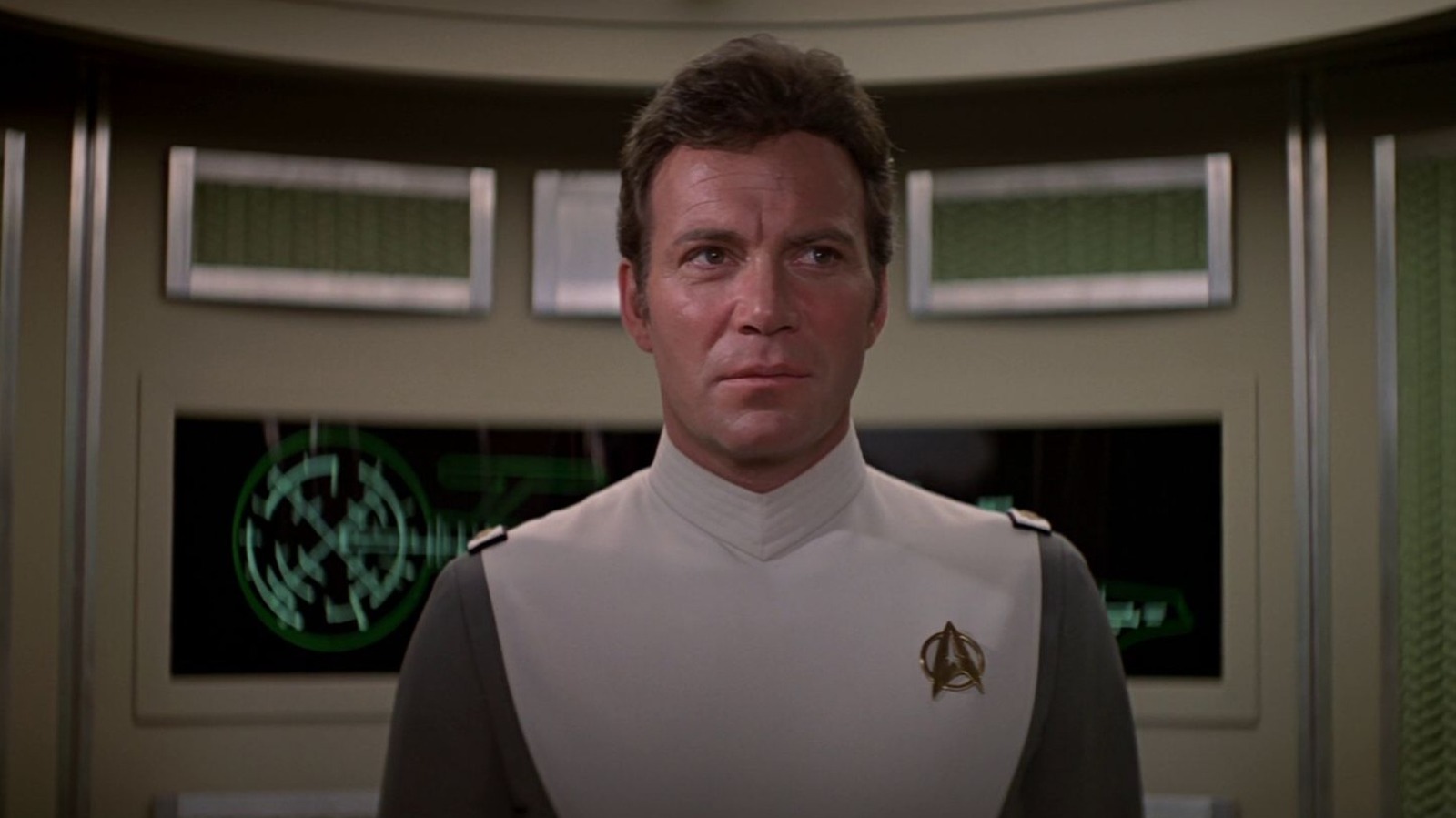
The cornerstone of this strategy was Star Trek: Phase II. The project was designed as a direct sequel to the original series, featuring a reunion of the iconic crew. Roddenberry’s vision was ambitious: a flagship program that would serve as the anchor for an entirely new broadcast network.
The Creative and Logistical Hurdles
The development of Star Trek: Phase II was marked by both immense creative potential and intense interpersonal friction. Central to the drama was the absence of Leonard Nimoy. Due to a series of legal disputes between Nimoy and Roddenberry, the actor famously declined to return as Spock.
To fill the void, the production team began developing new characters. The most notable were Ilia, a Deltan played by Persis Khambatta, and Xon, a Vulcan intended to replace Spock, portrayed by David Gautreaux. These creative shifts, however, were not met with universal acclaim.
The Trekkie Backlash
History reminds us that fandom has always been a vocal critic of the franchise. Even in 1977, the prospect of a Spock-less Star Trek ignited a firestorm of protest. Fans flooded Paramount with letters, arguing that the integrity of the series was tethered to the original trio of Kirk, Spock, and McCoy.
Beyond the creative concerns, the financial burden was staggering. The two-part opening episode of Phase II was budgeted at $2 million—a record-breaking figure for television at the time—with subsequent episodes costing $500,000 each. For a new, unproven network, this was a high-stakes gamble that arguably bordered on financial recklessness.
The Pivot to the Silver Screen
The dream of the PTS ultimately collided with the harsh realities of television economics. In November 1977, less than a week before production was scheduled to begin, Paramount pulled the plug on Star Trek: Phase II.
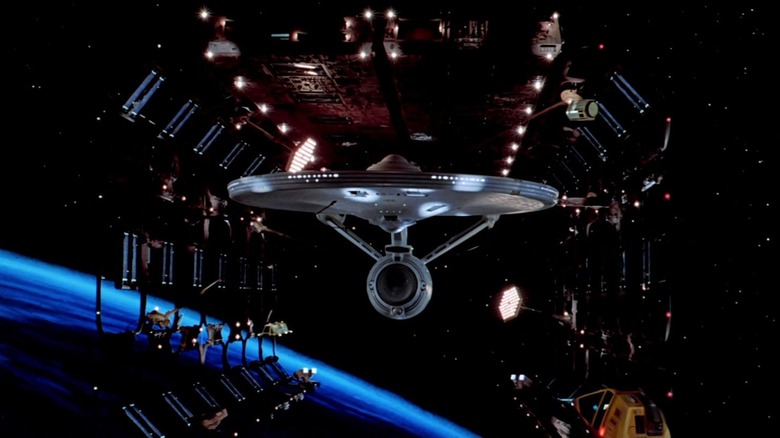
The cancellation was multifaceted. The studio began to lose faith in the viability of a fourth network, and the escalating costs of the series, coupled with the fan-driven controversy regarding Nimoy’s absence, made the risk profile untenable. However, the intellectual property was too valuable to abandon. By March 1978, Paramount announced that the assets of Phase II—including the sets, scripts, and the cast—would be repurposed for a feature film. The result was Star Trek: The Motion Picture (1979).
Implications: The Legacy of a Lost Network
What if the Paramount Television Service had succeeded? It is a question that fascinates media historians. Had the studio successfully launched its network in 1978, the landscape of 1980s television would have looked drastically different.
Barry Diller eventually took his vision for a fourth network to 20th Century Fox, where he successfully launched the Fox Broadcasting Company in 1986. One can only wonder if the DNA of the modern Fox network might have instead been the DNA of a Paramount-backed, Star Trek-centric service.
The cycle continued well into the modern era. When Paramount (via CBS) launched the streaming service CBS All Access in 2017, they again turned to the franchise as their primary engine, debuting Star Trek: Discovery. This confirms a long-standing corporate truth: for Paramount, Star Trek has never been just a show. It has been the "warp core" of their broader distribution ambitions—the gravitational center around which they attempt to build, launch, and sustain their television platforms.
Conclusion
The story of the Paramount Television Service serves as a case study in the intersection of corporate ambition and creative struggle. While Star Trek: Phase II never made it to the airwaves, its ghost lives on in the subsequent decades of television history. Whether it was the formation of UPN in the 90s or the shift toward subscription streaming services in the 21st century, Paramount has consistently looked to the stars to solve its distribution dilemmas.
The 1978 attempt may have failed to launch a network, but it solidified a strategy that has kept the franchise—and the studio’s television dreams—alive for over fifty years. In the end, the failure to create a fourth network in the 70s didn’t kill the dream; it simply forced the studio to evolve its strategy until it finally found its home in the digital age.











No comments yet. Be the first to join the conversation!