Nana Muazin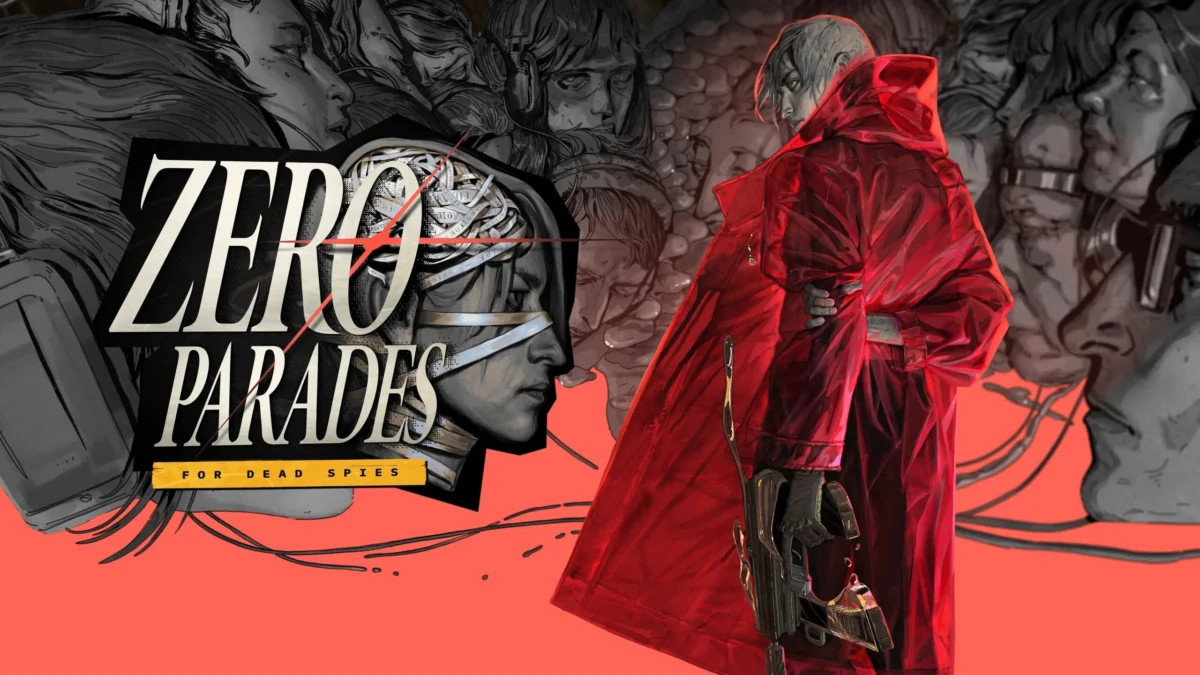
By Ivanir Ignacchitti
Published May 18, 2026
In the wake of the seismic industry shifts and high-profile internal turmoil that followed the critical success of Disco Elysium, the studio behind the modern CRPG phenomenon, ZA/UM, has finally broken its relative silence. With the release of Zero Parades: For Dead Spies, the developer is pivoting away from the rain-slicked streets of Martinaise toward a world defined by the high-stakes, gray-morality machinations of international espionage.
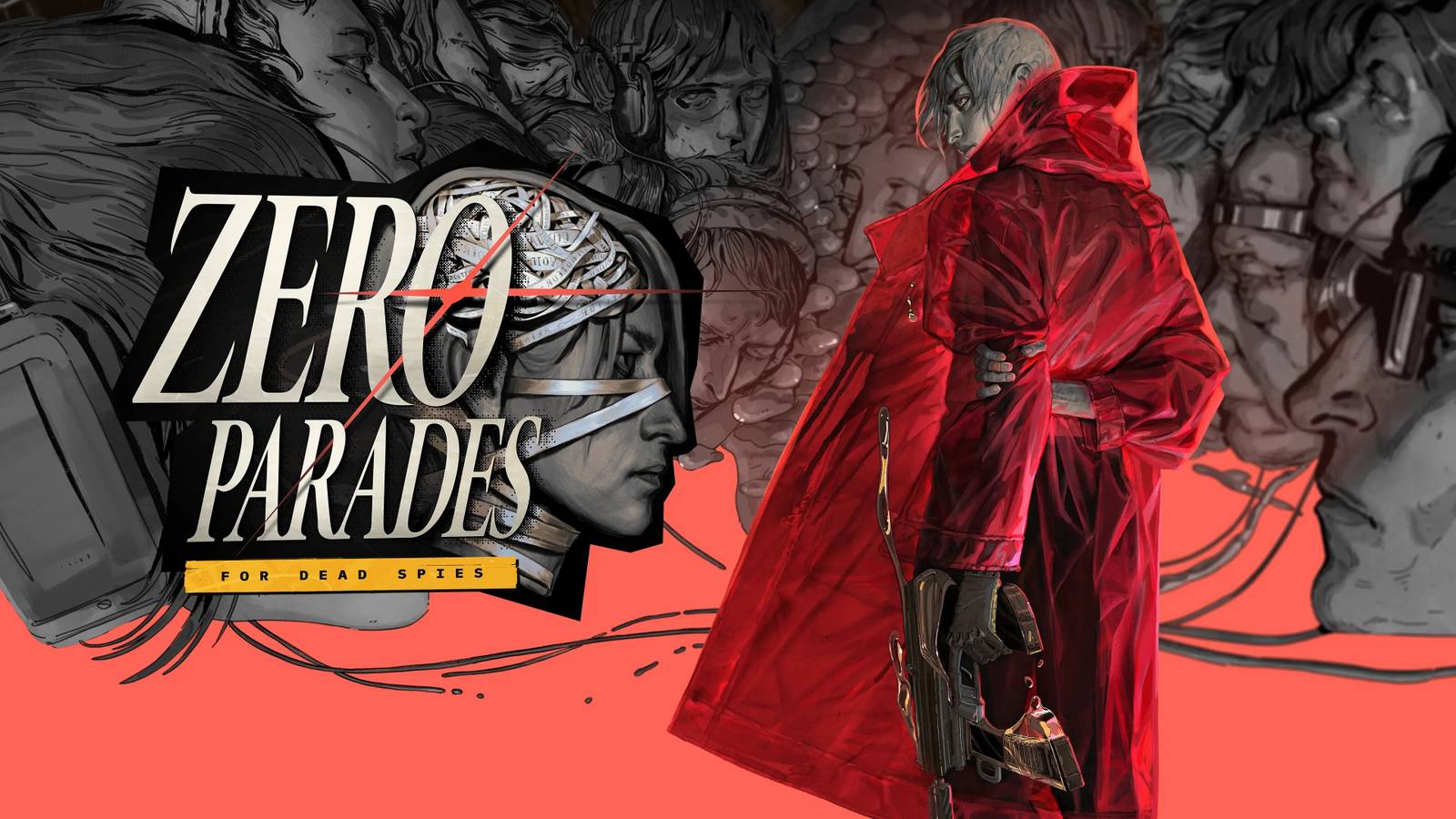
While the new title retains the deep narrative DNA that put ZA/UM on the map, it trades the introspective, existential detective work of its predecessor for a cold, calculated exploration of political power, surveillance, and the erosion of the self. As players step into the shoes of CASCADE, the stage is set for a narrative experience that is as challenging to parse as it is to survive.
The Return of a Narrative Powerhouse
The journey to Zero Parades: For Dead Spies has been anything but straightforward. Following the release of The Final Cut, the studio faced a period of public instability, characterized by the departure of key personnel and legal disputes that left fans wondering about the future of the brand. Zero Parades serves as a definitive statement of intent; it is a title that refuses to abandon the studio’s signature "text-heavy" RPG format, opting instead to refine it through a more rigid, mechanical lens.

The premise is deceptively simple: You are CASCADE, an operative whose true identity is Hershel. Once a high-functioning asset for an organization known as "the Opera," Hershel was decommissioned, only to be dragged back into the field for a mission that immediately spirals into chaos. The setting, the Quisach district within the city of Portofiro, acts as the primary antagonist. It is a sprawling, decaying urban labyrinth that feels lived-in, hostile, and steeped in the kind of atmospheric grime that players of Disco Elysium will find familiar, yet distinct in its focus on geopolitical anxiety rather than personal trauma.
A Chronology of Conflict: The Mechanics of Espionage
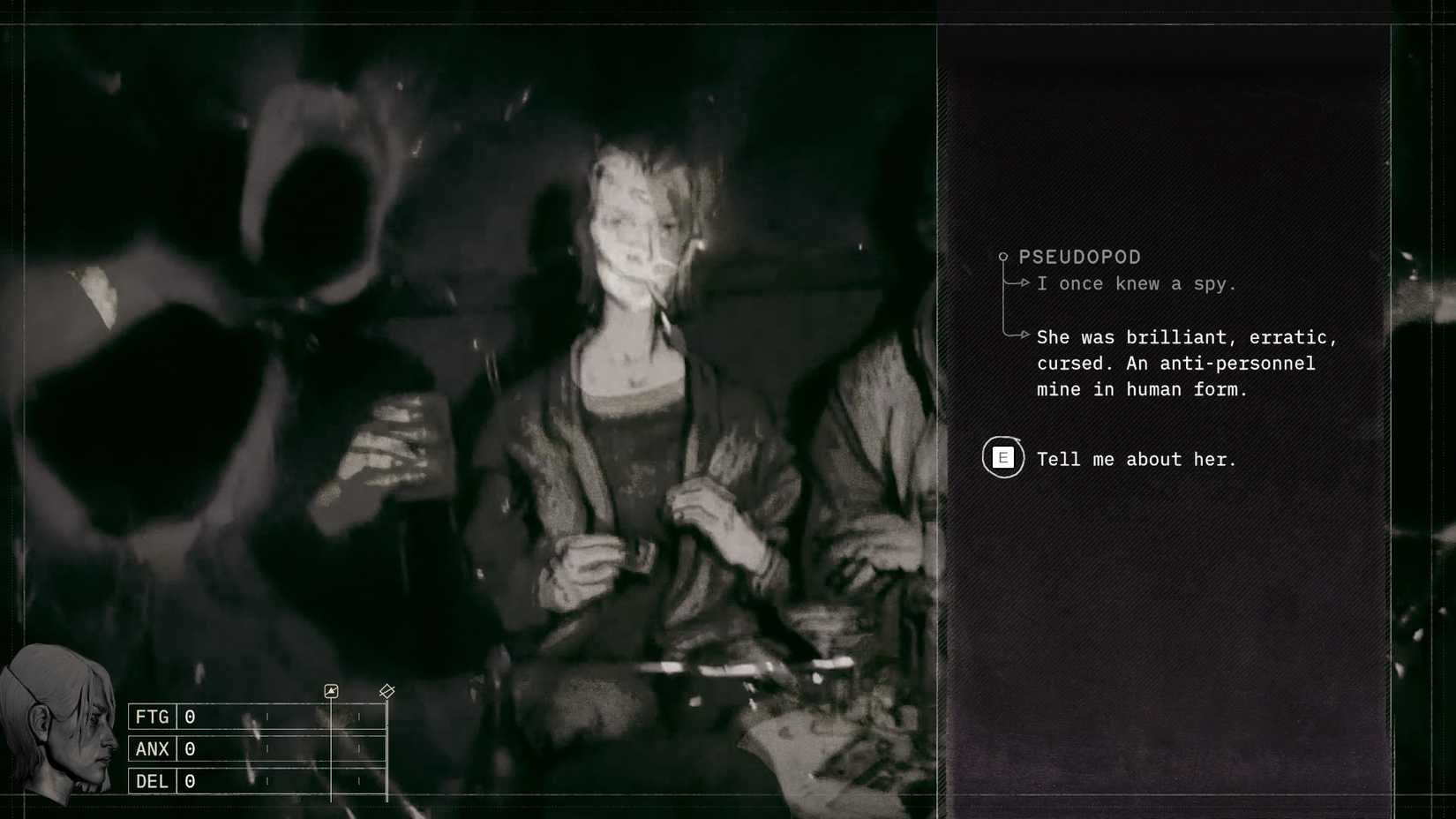
The gameplay loop of Zero Parades is an exercise in resource management and calculated risk. Unlike typical RPGs that rely on hit points or traditional mana pools, Zero Parades utilizes a tri-fold gauge system tied to the protagonist’s faculties: Action, Relation, and Intellect.
The Three Pillars of Gameplay
- Action: Governs physical capability, reflexes, and the ability to execute tactical maneuvers under pressure.
- Relation: The cornerstone of the spy experience. This faculty manages interpersonal dynamics, social manipulation, and the ability to extract truth from lies.
- Intellect: The cerebral core of the game. It allows players to decode complex environmental clues and historical data that would otherwise remain opaque.
The game utilizes a tabletop-inspired dice-rolling system for skill checks. While base stats dictate the likelihood of success, the player is granted the option to "exert" themselves—effectively burning through their sanity-adjacent gauges to add an extra die to the roll. This introduces a persistent tension: how much of your own psyche are you willing to sacrifice to force an outcome? If a gauge hits its threshold, the result is not mere "death," but a permanent, debilitating loss of a skill level, forcing the player to adapt their playstyle mid-campaign.
The Conditioning System: A New Frontier
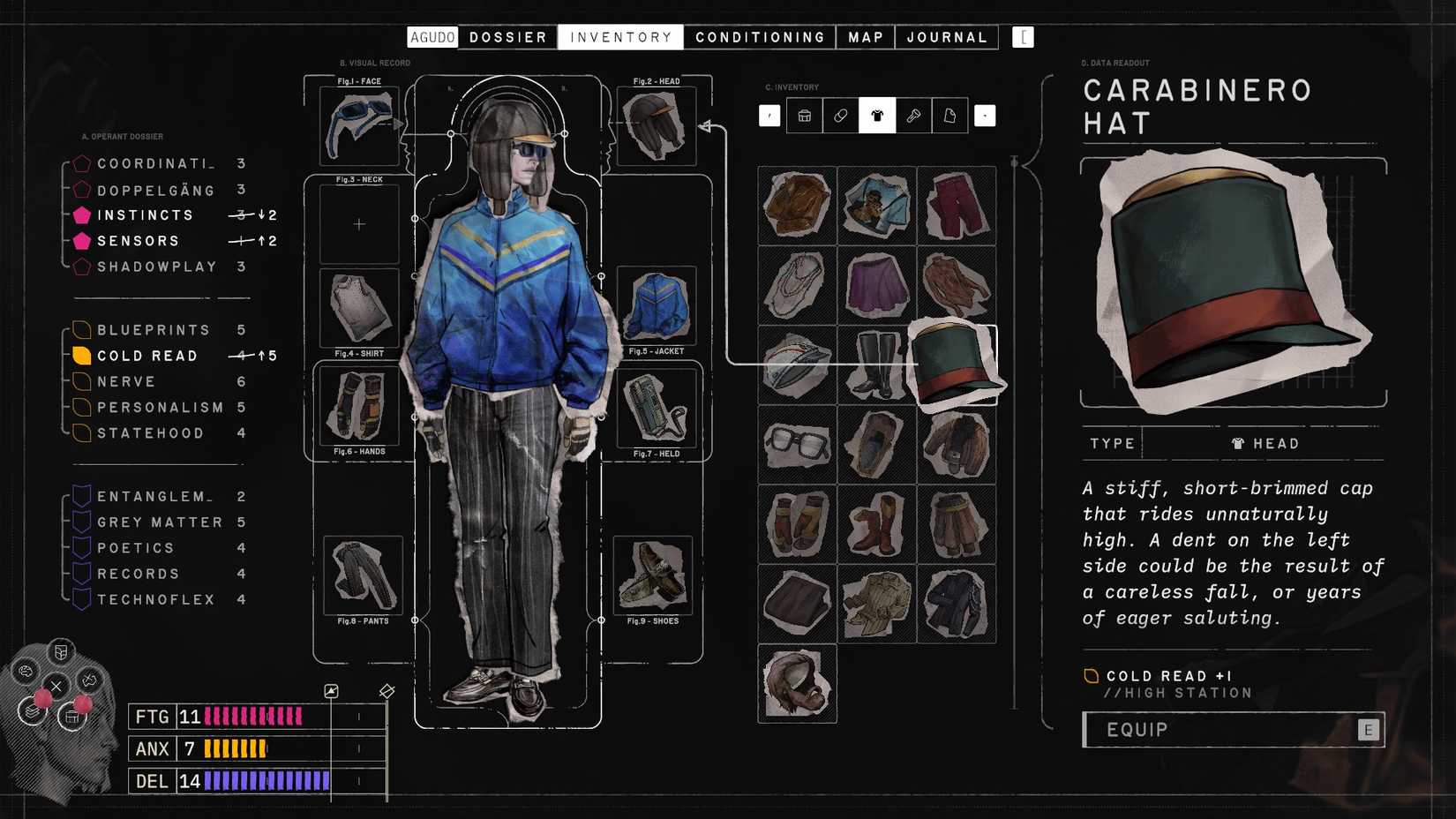
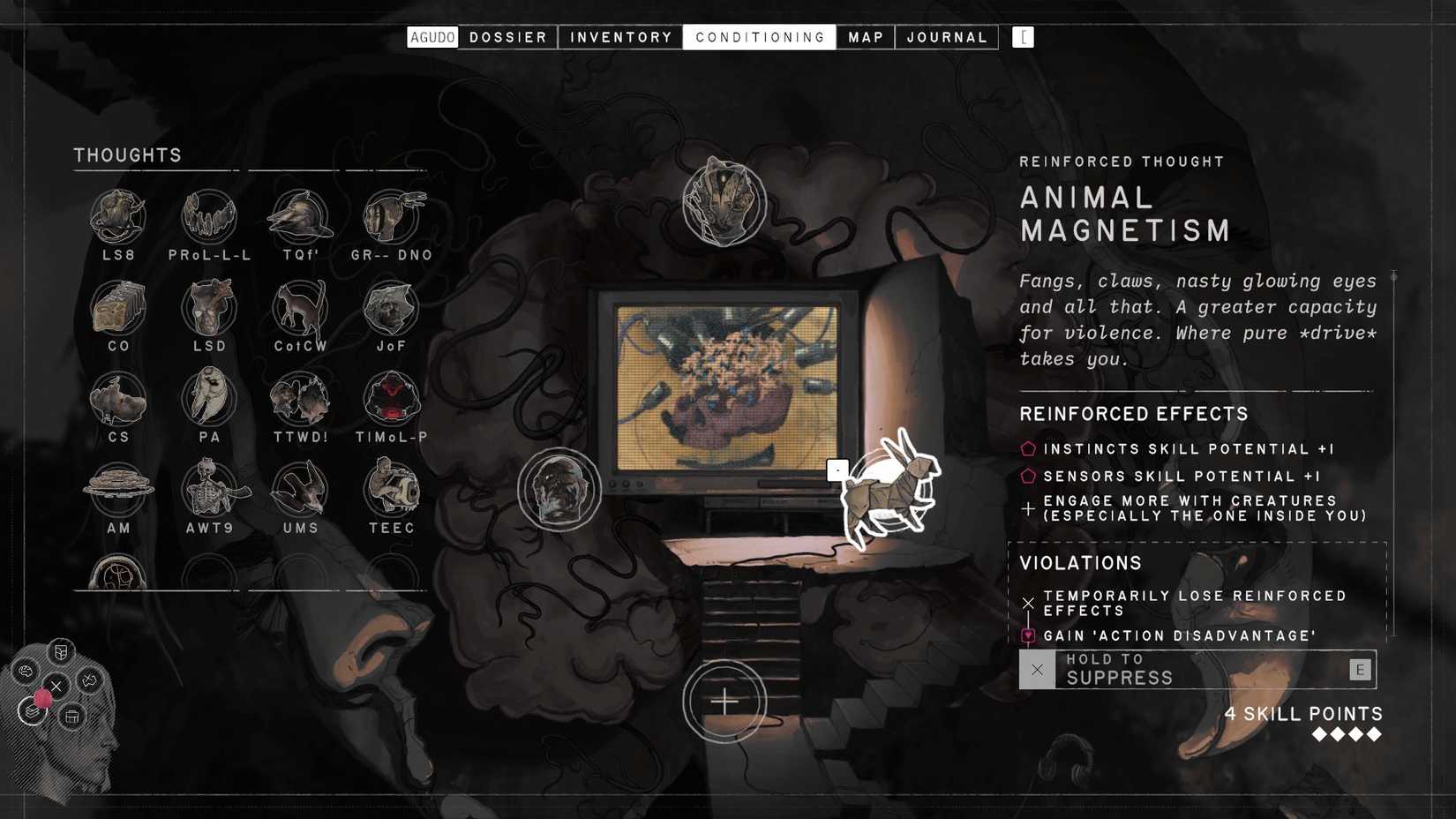
Perhaps the most innovative addition to the ZA/UM formula is the "Conditioning" system. Drawing on the dark reality of state-sponsored psychological training, the game allows players to equip "Propaganda" as passive bonuses. These aren’t just stat buffs; they are ideological frameworks that the player adopts to survive in Quisach.
However, this comes at a cost. The "Violation" system ensures that every choice has a consequence. If you act in a way that contradicts your equipped Conditioning, you lose those benefits entirely. Players must carefully curate their internal biases, swapping them out in 12-hour intervals to manage the shifting political climate of the district. It is a high-maintenance system that reinforces the game’s core theme: in a world of spies, you are never truly your own person.
Supporting Data and The Atmosphere of Decay
The world-building in Zero Parades is conveyed through a massive volume of dialogue. Much like the Metal Gear series’ iconic CODEC conversations, the exchanges in Zero Parades are dense with technical jargon, conspiracy theories, and, frequently, the prejudices of a society on the brink of collapse.
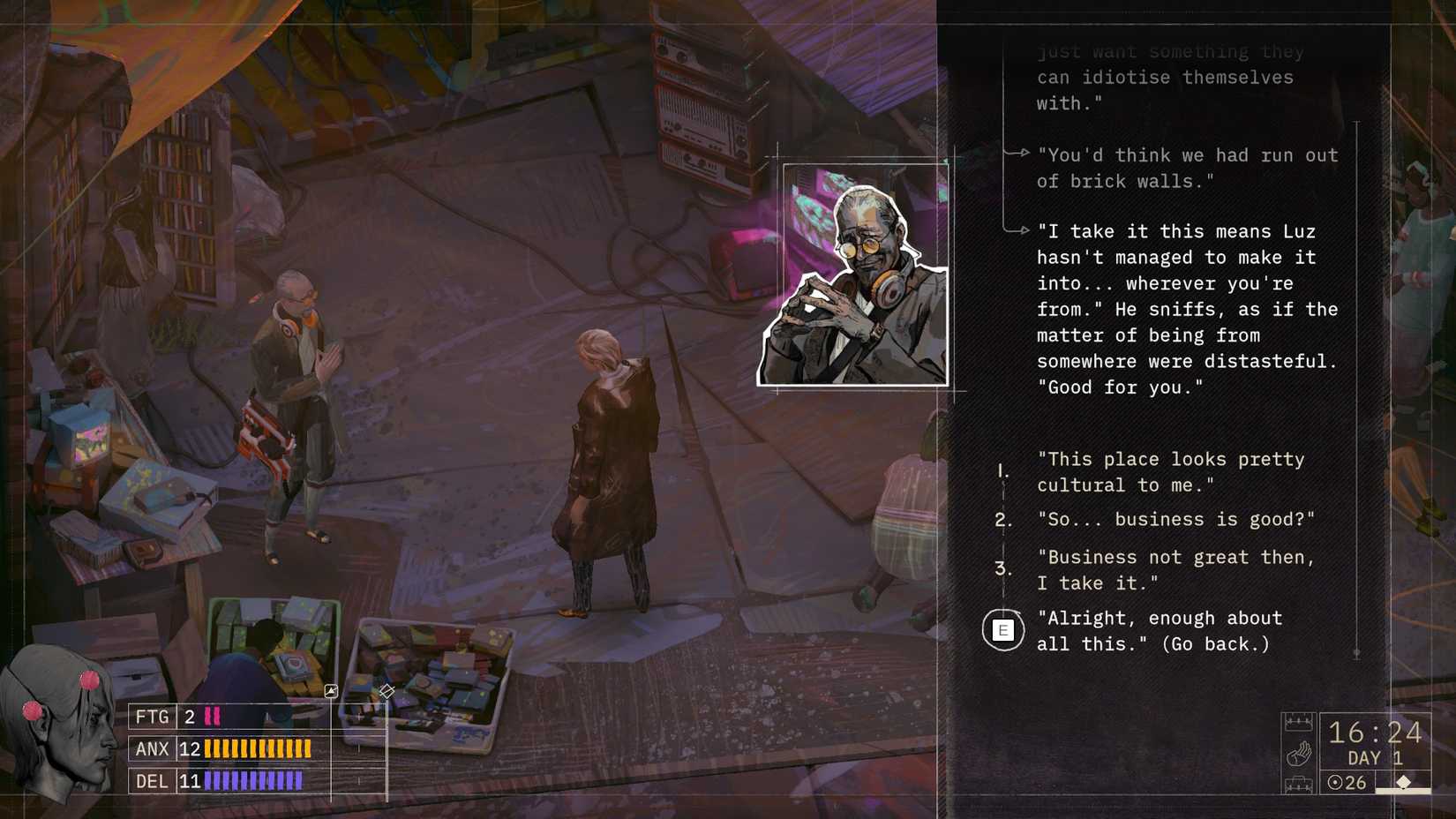
The environment itself mirrors this narrative degradation. The developers have leaned into an aesthetic of "eroded splendor." Every corner of the Quisach district tells a story of neglect. The environmental storytelling is top-tier, with the physical state of the buildings and the attire of the NPCs providing a visual language for the economic and political rot that the player is tasked to navigate.
Official Perspectives and Studio Strategy
In the lead-up to the launch, ZA/UM has maintained that Zero Parades is intended to be a "more punishing, yet more rewarding" experience than their previous work. By removing the hand-holding often found in mainstream RPGs, the studio is betting on the intelligence of its audience.
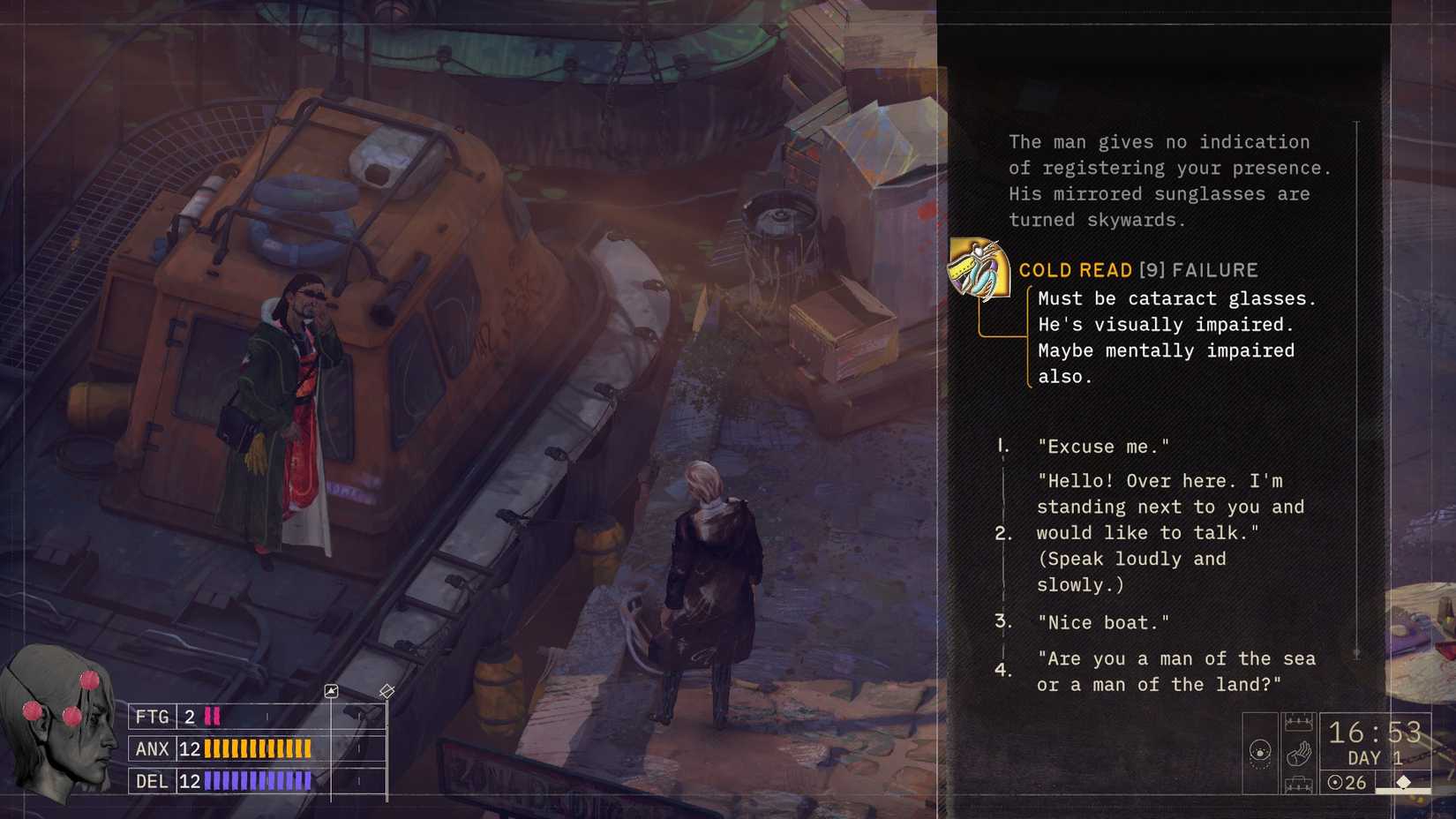
However, the game is not without its friction. Early reports indicate that the onboarding process is intentionally obtuse. The game provides little guidance on how to manage the interplay between skill checks, equipment, and the Conditioning system. For players unaccustomed to the nuances of hardcore CRPGs, this barrier to entry may be frustrating. Additionally, there are minor technical issues with dialogue reactivity, where certain character responses feel disconnected from the player’s specific actions—a symptom of the game’s sheer, sprawling complexity.
Implications for the CRPG Genre
The implications of Zero Parades: For Dead Spies are significant. It confirms that the "narrative RPG" is not a fleeting trend, but a robust sub-genre that continues to evolve. By shifting the focus from the internal detective story to the external spy thriller, ZA/UM has proven that their engine and design philosophy can handle different tonal shifts while maintaining the same level of emotional depth.
The game acts as a litmus test for the studio. It is a dense, uncompromising work that demands patience. It requires the player to think like an operative: observe, categorize, manipulate, and endure. While the technical bugs in the branching dialogue systems are a point of concern, they are minor blemishes on a work of otherwise high ambition.
Conclusion: A Must-Play for the Discerning RPG Fan
Zero Parades: For Dead Spies is, at its heart, a study of the cost of survival. It takes the player out of the comfort zone of traditional heroics and places them into the cold, calculated role of a ghost in a machine. While the difficulty curve is steep and the game occasionally stumbles under the weight of its own systems, the payoff is a rich, atmospheric, and intellectually demanding journey.
For fans of the genre who felt that the post-Disco Elysium landscape left a void, Zero Parades is the answer. It is a dark, winding, and ultimately fascinating look into a world where the only truth is the one you are paid to believe. Whether you are a veteran of the tabletop, a fan of the studio’s previous work, or a newcomer looking for a challenge, Quisach awaits—provided you can handle the weight of the secrets you’re about to carry.
Quick Reference
- Developer/Publisher: ZA/UM
- Platforms: PC, PlayStation 5
- Genre: Narrative CRPG
- Key Features: Dice-roll skill checks, Conditioning (Propaganda) system, non-linear political narrative.
- Difficulty: High (Steep learning curve)


 Asro
Asro
 Muslim