Ali Ikhwan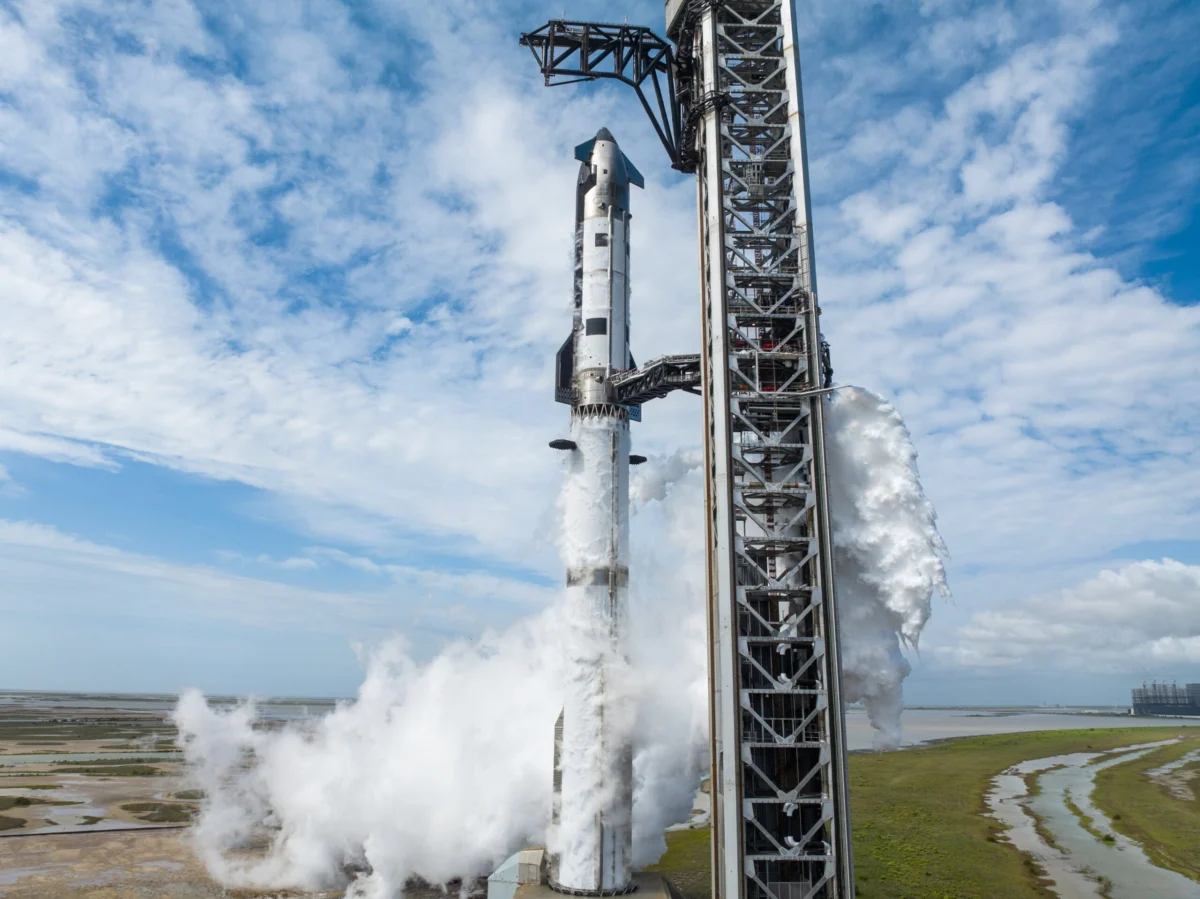
These days, one would be forgiven for forgetting that SpaceX is, at its core, a rocket company. To the casual observer, the enterprise has morphed into a sprawling conglomerate of telecommunications, artificial intelligence, and manufacturing prowess. Yet, beneath the layers of multi-trillion-dollar IPO projections and the frenetic energy of the Silicon Valley boardroom, the reality remains: the future of Elon Musk’s empire is tethered to a massive, stainless-steel silhouette standing on a launch pad in South Texas.
After a seven-month hiatus from the skies, the Starship program is preparing for a critical test flight. It is a moment of reckoning. For all the "financial frisson" surrounding SpaceX’s recent $17 billion spectrum acquisition from EchoStar, its massive push into orbital data centers, and its integration with xAI, the foundation upon which this entire edifice is built—the Starship launch vehicle—remains a work in progress with a decidedly mixed record of success.
A Chronology of Ambition and Agony
The journey of Starship has been anything but linear. Since its inception, the program has been defined by the mantra: "Test like you fly." This philosophy has fueled a relentless, iterative development cycle that prioritizes rapid prototyping over conventional, risk-averse aerospace standards.
The Early Years and the V2 Era
The program’s first test flight in April 2023 served as a wake-up call for the industry. While the vehicle failed to reach orbit, it provided invaluable telemetry. Throughout 2023 and 2024, SpaceX ramped up its flight cadence. By November 2024, the company had achieved significant milestones, including the spectacular "catch" of the Super Heavy booster and a successful, controlled re-entry of the Starship upper stage. At that time, leadership, including former Starbase general manager Kathy Lueders, spoke optimistically of a 25-mission-per-year cadence for 2025.
The Nadir of 2025
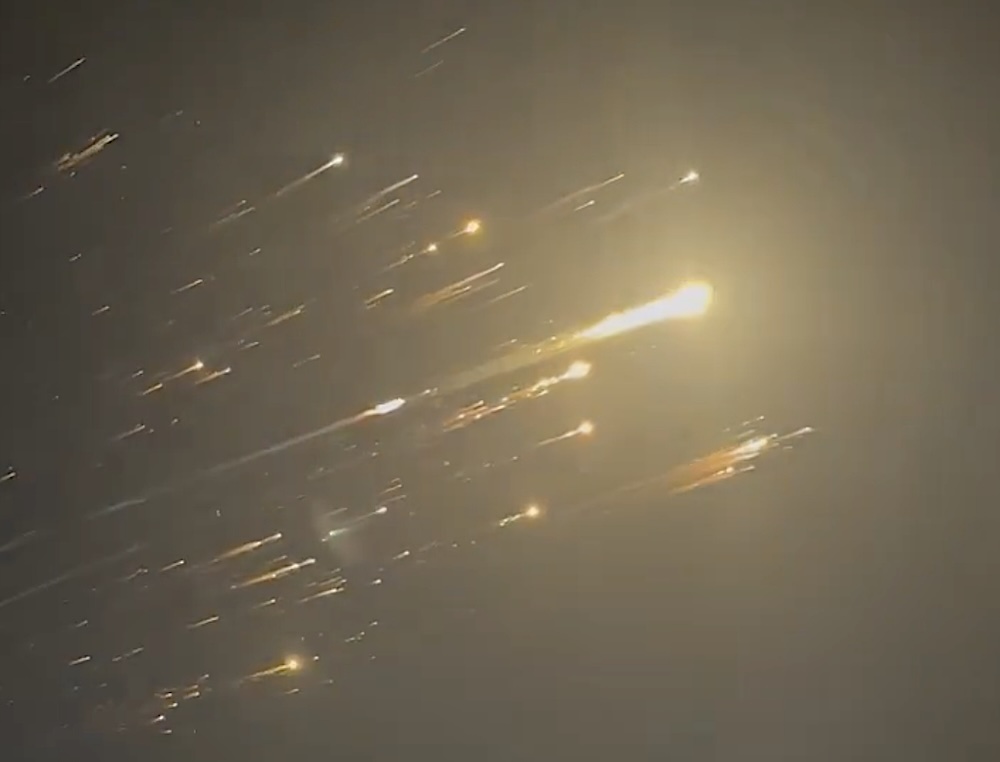
The optimism of late 2024 met a harsh reality in early 2025. The first half of that year proved to be a disaster for the program. Three consecutive flights resulted in a loss of vehicle control during ascent, creating harrowing imagery of debris raining down over the Atlantic. The May 27, 2025, flight was particularly damaging, as both the upper stage and the Super Heavy booster failed to return safely.
The year was further marred by a November incident, where a V3 booster—the latest iteration of the vehicle—unexpectedly exploded during a ground pressure test. It was a sobering reminder that even as production scaled, the physics of such a colossal vehicle remained unforgiving.
The Path to V3
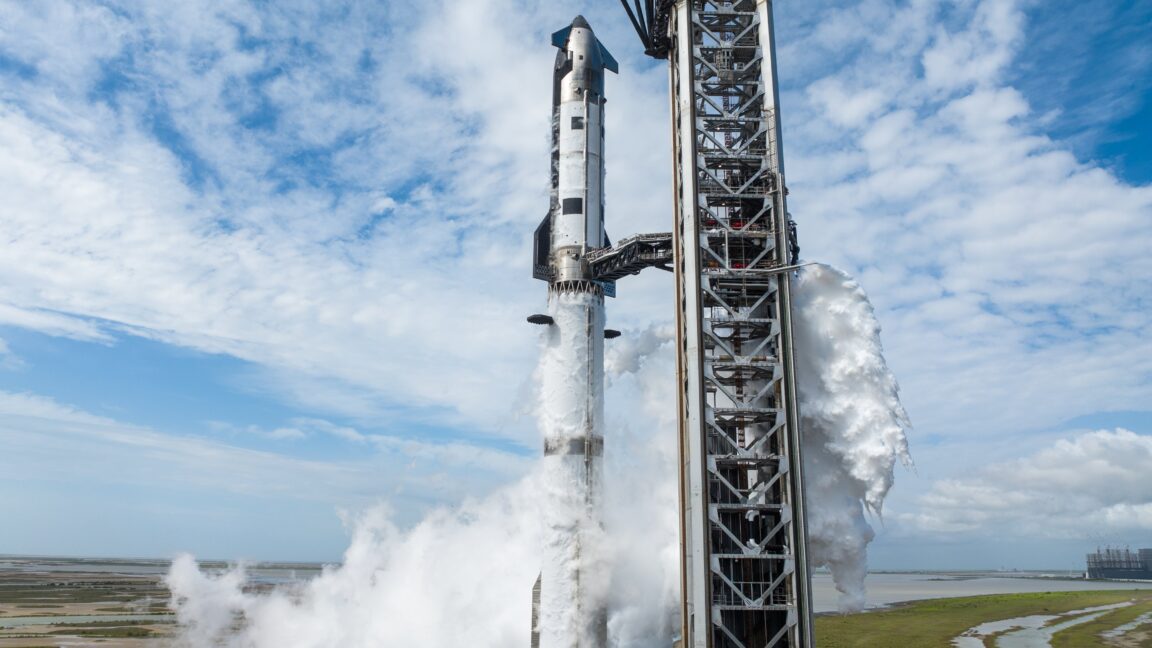
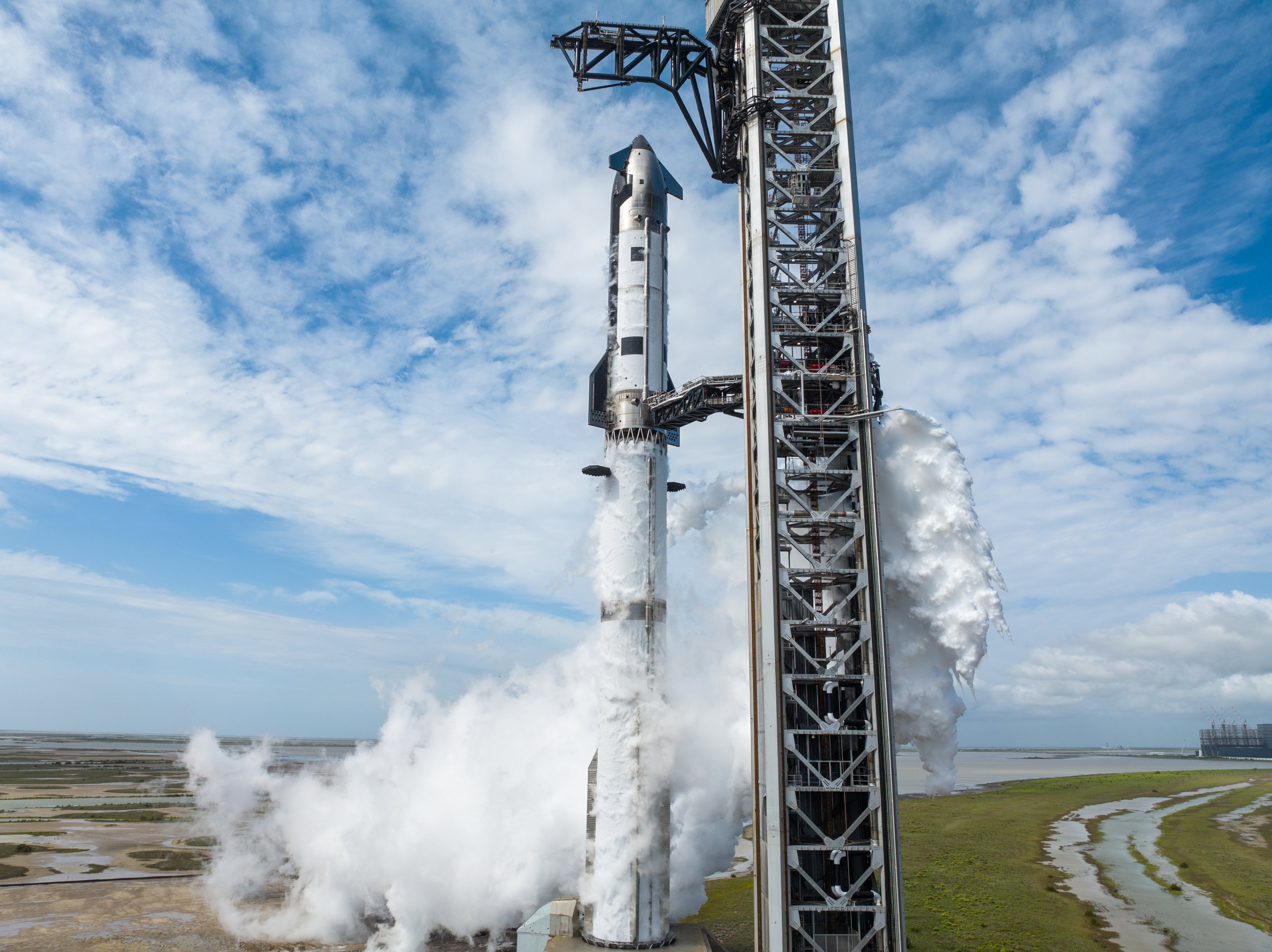
Since the October 2025 flight, SpaceX has been in a period of intense, quiet preparation. The team has focused on upgrading ground systems, including the construction of a second, more rugged launch tower at Starbase. The transition to the V3 vehicle has been marked by a series of agonizingly close calls. In February, a static fire test resulted in a hard shutdown that damaged half of the Raptor engines. In April, a sensor-related abort cut another test short after just 1.88 seconds. Finally, in early May, a successful full-duration static fire provided the green light the company desperately needed.
The Technical Evolution: What Makes V3 Different?
The V3 Starship is not merely an incremental update; it is a fundamental redesign. SpaceX engineers have sought to improve reliability, robustness, and performance by addressing the "lows" experienced during the V2 flight series.
Engine and Propulsion Overhaul
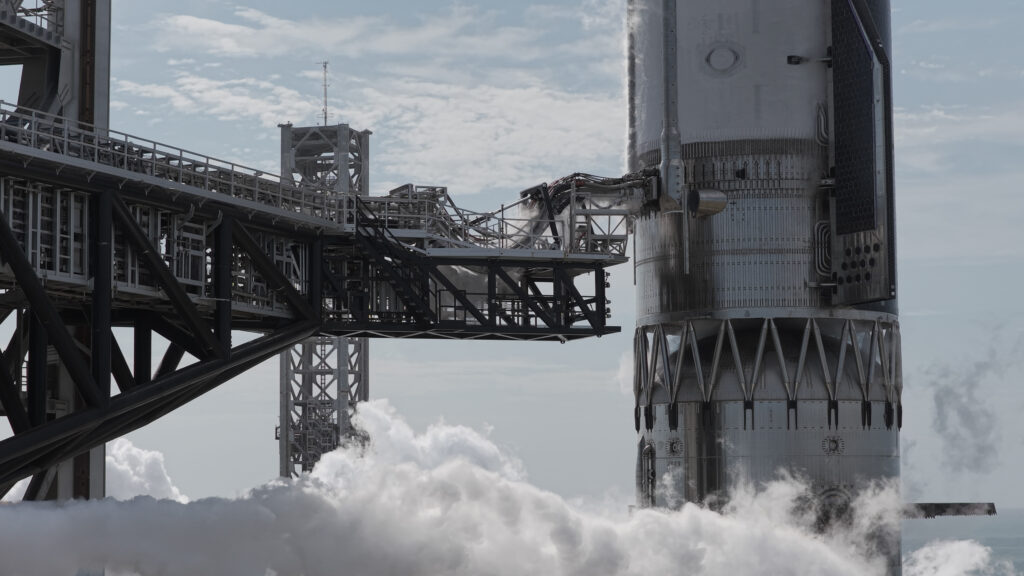
At the heart of the changes is the third iteration of the Raptor engine. By simplifying the engine architecture and the associated vehicle-side commodities, SpaceX has achieved a mass reduction of roughly 105 kg per engine. Across the entire vehicle, this contributes to a total mass savings of nearly one ton per engine, significantly improving payload capacity. The fuel transfer systems have been entirely rebuilt to facilitate a more reliable, simultaneous startup of all 33 Raptor engines on the Super Heavy booster.
Structural and Aerodynamic Refinements
The booster itself has seen a dramatic shift. The grid fin configuration has been reduced from four to three and relocated to improve performance during "hot staging"—the high-risk maneuver where the upper stage ignites while still attached to the booster. Furthermore, the hot-staging ring is now integrated into the booster, rendering it fully reusable and reducing the cost-per-flight significantly.
For the upper stage, the "clean sheet" redesign of the propulsion system addresses the specific, persistent failures seen in the V2 era. The new reaction control system (RCS) promises more precise steering, while changes to the aft end of the vehicle mitigate the risk of propellant leakage—a common cause of previous setbacks.
Supporting Data: The Market Reality
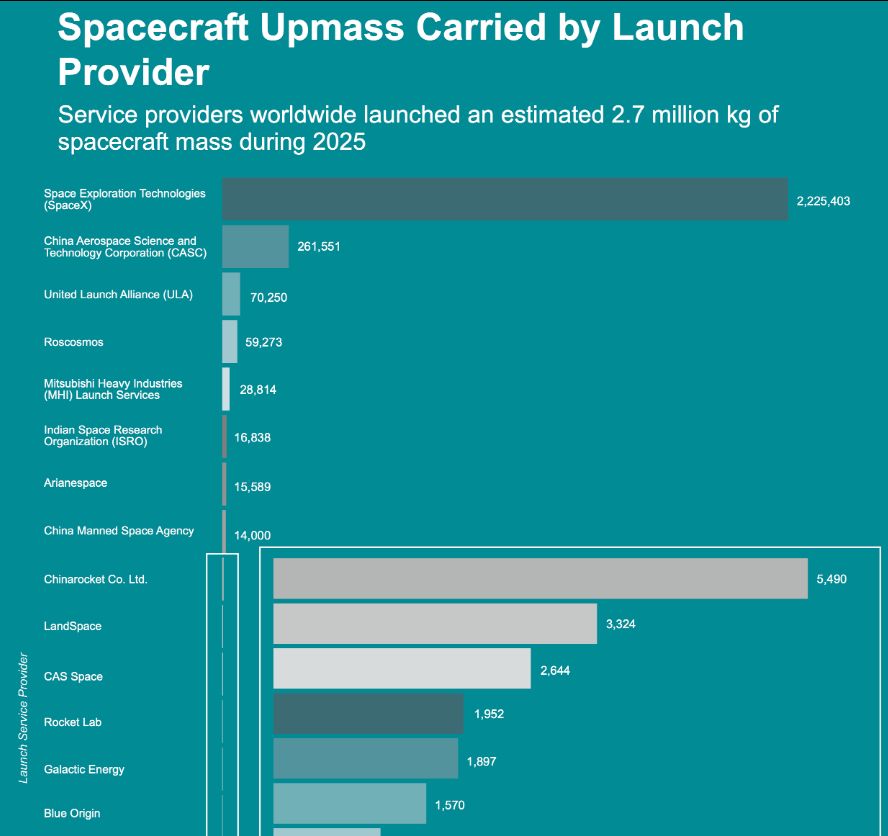
While Starship is the future, Falcon 9 remains the present. In 2025, SpaceX launched 82 percent of all mass into orbit, cementing its status as the world’s most successful launch provider. However, this dominance is a double-edged sword.
SpaceX is consciously pivoting away from its "workhorse" rocket. The company has retired a Florida-based landing platform to repurpose it as a transport vessel for Starship hardware, and it has begun shifting launch activity away from the historic Launch Complex-39A to accommodate Starship operations.
The economic pressure is immense. Falcon 9 launch costs have been pared down to approximately $15 million internally, creating an insurmountable competitive advantage. Yet, with Falcon 9 manifests filled for the next two years and competitors like ULA’s Vulcan and Blue Origin’s New Glenn struggling with their own scaling issues, the global launch market is currently in a state of "capacity starvation." The industry is effectively waiting for Starship to bridge the gap between today’s limited access to space and a future where the cost-per-kilogram is measured in the low hundreds of dollars.
Implications for NASA and the Artemis Program
The stakes for the upcoming V3 test are not limited to SpaceX’s balance sheet. NASA’s Artemis program, the agency’s grand vision for returning humans to the Moon, is inextricably linked to Starship.
The roadmap for 2027 and 2028 demands dozens of missions, including orbital refueling tests—a technology that has never been performed at this scale. SpaceX has signaled to NASA that it will prioritize these government-mandated flights. Consequently, commercial customers—those looking to launch massive orbital data centers or next-generation satellite constellations—may find themselves sidelined until 2028 or 2029.
If the V3 test flight falters, the ripple effects will be catastrophic for the US commercial space industry. Delays in Starship’s operational timeline will force NASA to re-evaluate its lunar timeline, potentially leaving the door open for China’s own space exploration program to gain an insurmountable lead in the race to the lunar south pole.
The Final Verdict: A Wild Ride
As Jenna Lowe, senior manager of Starship operations, aptly put it, "This is such a wild ride. The highs are high. The lows are low."
The upcoming launch of the V3 Starship is the ultimate test of SpaceX’s iterative engineering model. If the flight succeeds, it will validate the years of investment, the billions of dollars spent on Starbase, and the immense pressure placed on the engineering teams. It will signal that the era of rapid, low-cost access to space is finally within reach.
However, if the test fails, it will serve as a stark reminder that some challenges cannot be solved through brute force or speed alone. It would force a difficult conversation about whether the most ambitious rocket program in human history has pushed too far, too fast.
Ultimately, the IPO, the valuation, the Mars city, and the dream of being a multi-planetary species are all just talking points until the next flight. The rocket must not only fly; it must prove that it can handle the rigors of spaceflight with the consistency of a clock, not the volatility of a firework. The world—and the future of the American space enterprise—is watching.

 Muslim
 Suro Senen