Iffa Jayyana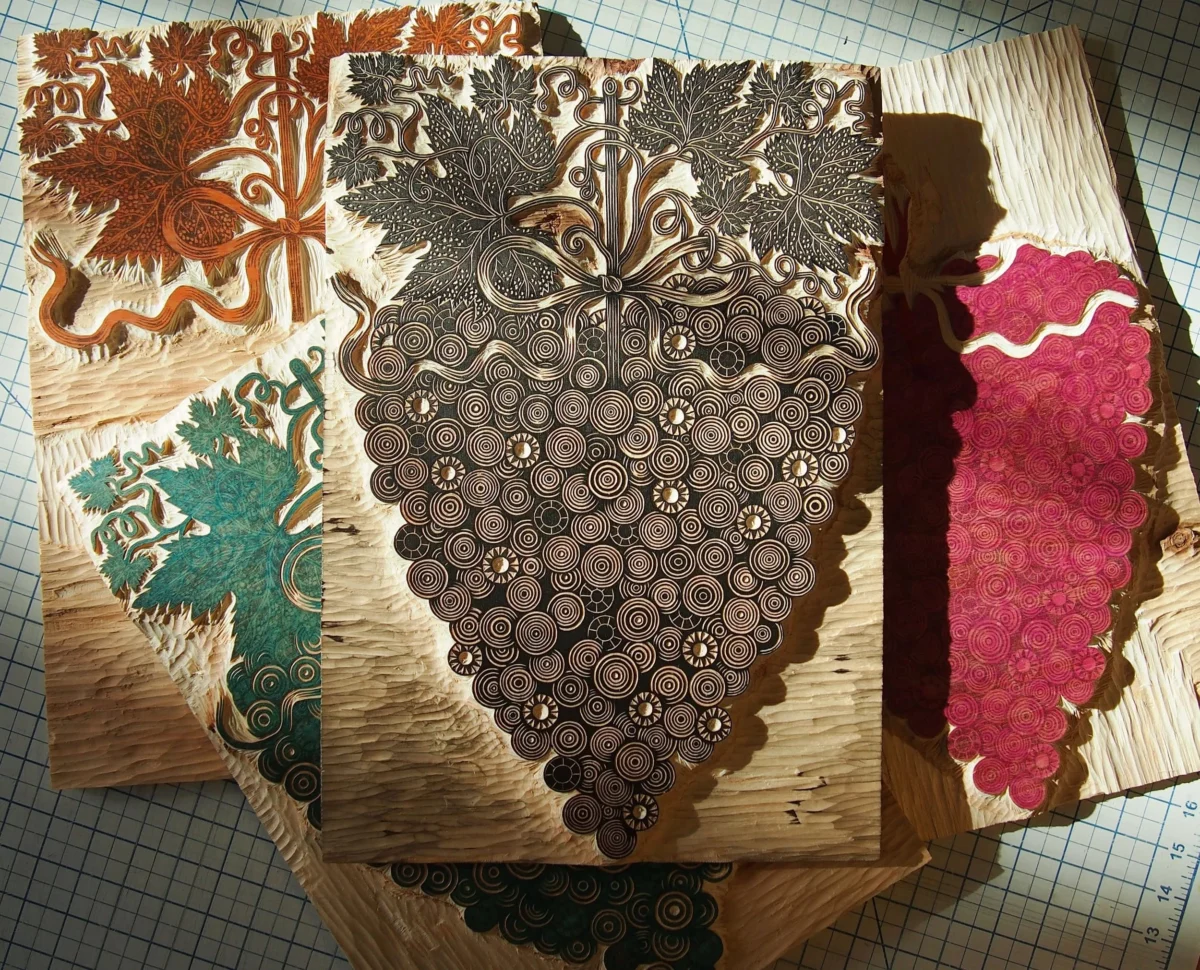
In the quiet, methodical world of traditional printmaking, few studios command the reverence and technical precision of Tugboat Printshop. Founded by Valerie Lueth, the studio has spent the last twenty years elevating the woodblock print from a utilitarian craft to a sophisticated, multi-layered fine art form. As the studio commemorates its 20th anniversary, it serves as a testament to the endurance of analog techniques in an increasingly digital landscape.
The Architecture of an Image: The Multi-Block Methodology
To understand the complexity of a Tugboat Printshop creation, one must look beyond the final, crisp image to the exhaustive process that precedes it. For Lueth, a single woodblock is rarely sufficient to capture the nuance, depth, and color palette required for her intricate visions. Instead, she frequently employs a rigorous multi-block system, utilizing up to five distinctly carved pieces of wood for a single edition.

This process is a masterclass in spatial planning and color theory. Each block is meticulously hand-carved, with specific details assigned to individual sections. When these blocks are inked and pressed—often in a specific, layered sequence—the final image emerges as a cohesive, vibrant whole.
"The process is as much about engineering as it is about aesthetics," notes the studio’s documentation of its workflow. For instance, in pieces featuring flora and fauna, Lueth often begins by laying down the vibrant, foundational colorful shapes. Only after these layers have been precisely registered does she apply the defining black outlines, which provide the structural integrity and graphic punch characteristic of her work. This layering requires an incredible degree of precision; the slightest misalignment during the printing of the second or third block could render the entire piece a failure.

A Two-Decade Chronology: From Concept to Cultural Staple
Tugboat Printshop’s trajectory over the past twenty years reflects a broader resurgence in appreciation for handmade, tactile art.
The Formative Years (2006–2011)
When the studio was established in 2006, the landscape of contemporary art was shifting rapidly toward digital media. Lueth chose a different path, anchoring her practice in the age-old tradition of woodcut printmaking. Her early work focused on refining the "registration" process—the technical term for aligning the paper with the woodblock to ensure the colors land exactly where intended. By 2011, the studio had garnered a reputation for its technical rigor, transitioning from smaller, experimental pieces to the large-scale, limited-edition works that would eventually define its brand.

The Era of Scale and Detail (2012–2019)
During this period, Tugboat Printshop began to push the boundaries of what woodcut prints could convey. The studio experimented with larger paper formats and increasingly complex color palettes. It was during this time that the "edition of 100" became a standard benchmark, creating a sense of scarcity that collectors found deeply appealing. By sharing the "making-of" journey on platforms like Flickr, Lueth demystified the process, turning the labor-intensive act of carving into a form of performance art that captivated an online audience.
The Milestone Anniversary (2020–Present)
As the studio celebrates its 20th anniversary in 2026, it remains a pillar of the printmaking community. Recent works such as Glowing Rose (2024), Dangling Grapes (2025), and Steadfast Turtle (2025) demonstrate that while the techniques are traditional, the artistic vision is perpetually evolving. These pieces, printed on high-quality BFK tan paper, showcase the studio’s mastery over both texture and light, proving that even after two decades, Lueth continues to find new ways to manipulate wood, ink, and paper.

Supporting Data: The Anatomy of a Print
The technical requirements for producing a high-end woodblock print are significant, and Tugboat Printshop’s data—shared through its exhibition logs—provides insight into the sheer volume of labor involved in a single series.
| Title | Year | Number of Blocks | Paper Type | Edition Size |
|---|---|---|---|---|
| Glowing Rose | 2024 | 5 | BFK Tan | 100 |
| Dangling Grapes | 2025 | 4 | BFK Tan | 100 |
| Steadfast Turtle | 2025 | 4 | BFK Tan | 100 |
The consistency of the "edition of 100" is a strategic choice. It ensures that the prints remain exclusive enough to maintain their value for collectors, while still being accessible enough to sustain the studio’s operations. The choice of BFK tan paper is equally intentional; its weight and texture provide the perfect absorbency for the layered inks, allowing the colors to "sit" on the page with a matte, velvety finish that modern digital printing cannot replicate.

Official Perspectives and Studio Philosophy
The survival of a boutique print shop over two decades is no small feat in a global economy that prizes speed and automation. When asked about the longevity of the studio, the emphasis is always placed on the connection to the medium.
"There is a dialogue between the artist and the wood," says the studio in its recent anniversary statements. "You cannot force the material to do what it does not want to do. You have to work with the grain, with the density of the wood, and with the way the ink reacts to the fiber of the paper."

This philosophy of collaboration—between human, tool, and material—is what resonates with their community. The studio’s decision to maintain an active presence on Instagram and Flickr is not merely for marketing; it is an educational endeavor. By showing the blocks themselves—often weathered, stained with ink, and carved with thousands of tiny, precise cuts—the studio invites the viewer into the process. This transparency has fostered a loyal following that views each print not just as a decoration, but as a piece of history.
The Broader Implications for the Art Market
The success of Tugboat Printshop carries significant implications for the contemporary art market.

The "Slow Art" Movement
Tugboat is a prominent figure in the "slow art" movement, a cultural shift that prioritizes the time, effort, and skill involved in creation. In an era of AI-generated imagery and instant digital consumption, the demand for works that require weeks of physical labor has increased. Collectors are increasingly seeking out objects that bear the mark of the human hand, viewing them as an antidote to the ephemeral nature of the digital world.
The Persistence of Traditional Media
There is a prevailing myth that traditional media like woodblock printing are destined to be replaced by high-resolution digital prints. Tugboat Printshop serves as a counter-narrative. By utilizing modern logistics (e-commerce, global shipping, and social media marketing) while maintaining ancient production techniques, the studio proves that tradition and innovation are not mutually exclusive.

Implications for Future Artisans
For aspiring printmakers, the studio provides a blueprint for professional success. The combination of limited editions, high-quality material selection, and behind-the-scenes storytelling has created a sustainable business model. The studio’s anniversary serves as an invitation for a new generation of artists to explore the woodblock, not as a historical artifact, but as a living, breathing medium for contemporary expression.
Looking Forward: The Next Twenty Years
As Tugboat Printshop enters its third decade, the studio remains committed to the craft that built it. While the specific themes of future prints remain a mystery, the commitment to technical excellence is a constant. For those looking to secure a piece of this legacy, the studio is currently offering anniversary discounts on original works, encouraging collectors to explore the archives of the shop.

The story of Tugboat Printshop is a reminder that excellence takes time. Whether it is the soft, ethereal glow captured in a floral print or the geometric precision of a botanical study, each impression pulled from a block is a victory of patience over pace. As Lueth continues to carve her way through wood and history, the art world watches, eager to see what forms will emerge from the ink and the grain in the years to come.

 Lina Hope
 Rifan Muazin