


By Ian Dean, Editor of Digital Arts & 3D
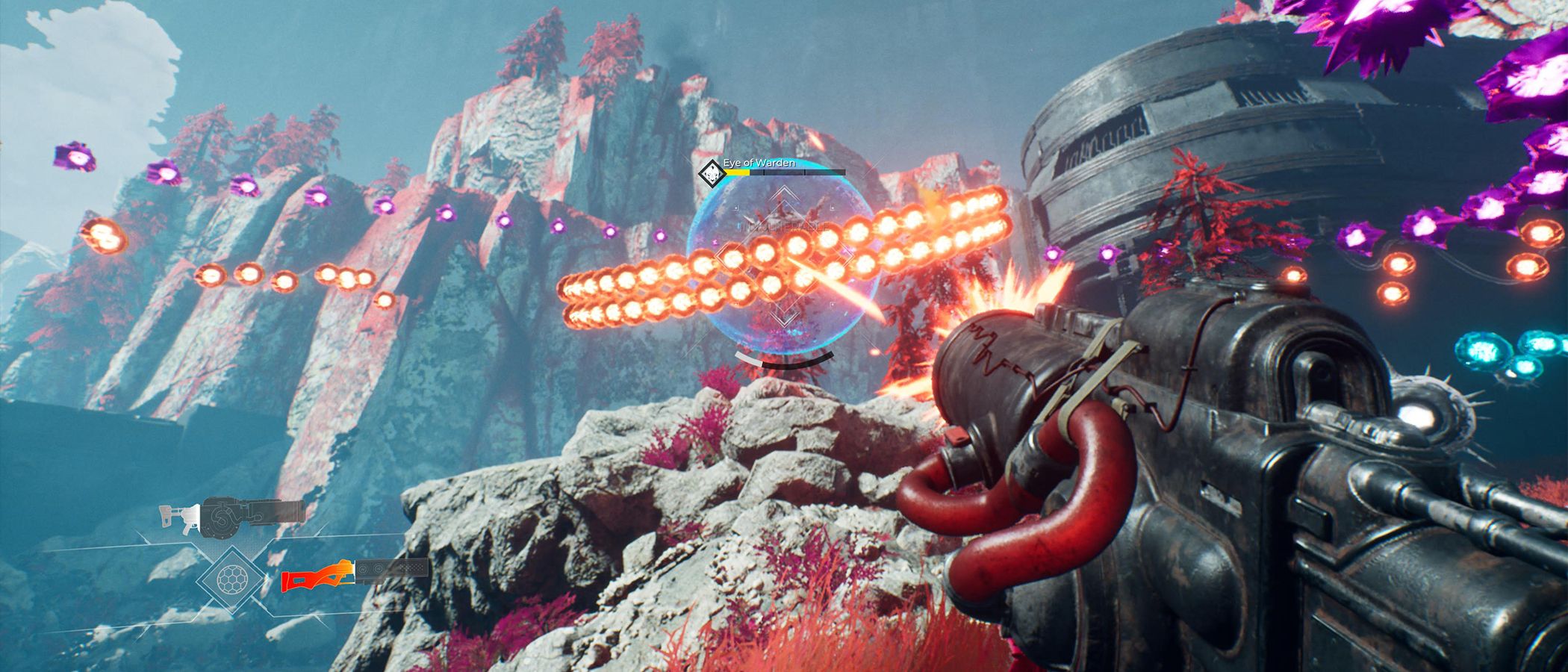
In the crowded landscape of contemporary first-person shooters, it is rare to find a title that dares to cross-pollinate genres with such reckless abandon. Luna Abyss, the latest release from Bonsai Collective Limited and Kwalee, is exactly that: a bold, high-octane experiment that attempts to marry the frantic, twitch-reflex demands of a Japanese-style "bullet hell" with the atmospheric, narrative-driven exploration of a dark sci-fi epic.
While the game is undeniably held back by the rough edges and resource constraints typical of an ambitious indie production, its core loop offers a rhythm of destruction that is as addictive as it is punishing. It is a game of high highs and frustrating lows, where the player’s survival is dictated as much by their ability to decode visual chaos as it is by their aim.
Main Facts: The Mechanics of the Abyss
At its heart, Luna Abyss is a first-person shooter that refuses to be just a shooter. The game places players in the role of Fawkes, a prisoner sentenced to 9,000 days within a "mimic moon"—a colossal, mysterious megastructure known as Luna. To earn their freedom, Fawkes must project their consciousness into a series of android bodies, descending deep into the decaying, subterranean ruins of the Greymont colony to recover lost technology.
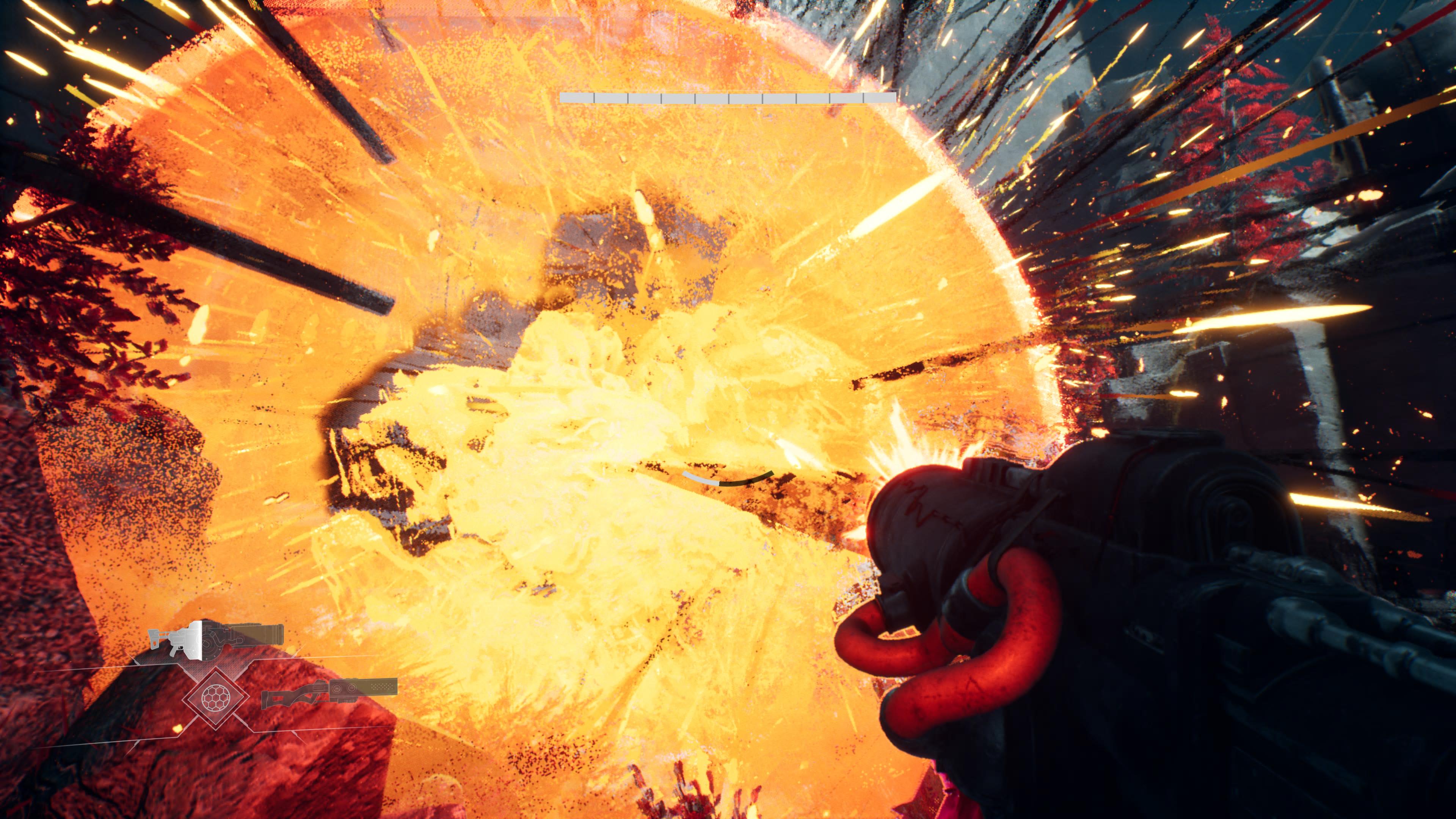
The combat system is remarkably lean, favoring depth over breadth. Players have access to only four primary weapons, each serving a specific tactical purpose. The automatic laser rifle handles standard chip damage, while the shield-breaker shotgun and the long-range sniper rifle are essential for managing the defensive barriers of the "Drifted"—the remnants of human consciousness trapped in robotic shells. A late-game multi-shot cannon serves as a room-clearing tool, designed to reset the pace of combat when the screen becomes saturated with enemy projectiles.
This limited arsenal forces the player to engage with the game’s hierarchy of threats. Success in Luna Abyss is not about raw firepower; it is about target prioritization, shield management, and the rhythmic, brutal execution of weakened enemies to recover energy—a mechanic that feels heavily inspired by the modern Doom lineage.
Chronology: The Descent into Greymont
The narrative progression of Luna Abyss is one of environmental storytelling rather than traditional cutscenes. As players descend into the bowels of the moon, the game adopts a structure that mirrors the descent into madness.
Early stages focus on introducing the player to the movement mechanics. The android body is capable of incredible feats of agility, including the ability to survive falls from massive heights. Players will find themselves plunging through miles of vertical piping and tangled machinery, only to emerge in vast, crumbling temples or harsh, industrial dumps.
As the story progresses, the challenge ramps up significantly. The "bullet hell" elements become more pronounced, with enemies filling the arena with glowing, rhythmic patterns of projectiles. By the mid-game, the player is expected to juggle these patterns while navigating complex, three-dimensional arenas. The climax of the experience involves piloting a gothic, spider-like mech through claustrophobic, 360-degree environments—a sequence that evokes the existential dread and mechanical weight found in classic anime like Ghost in the Shell.
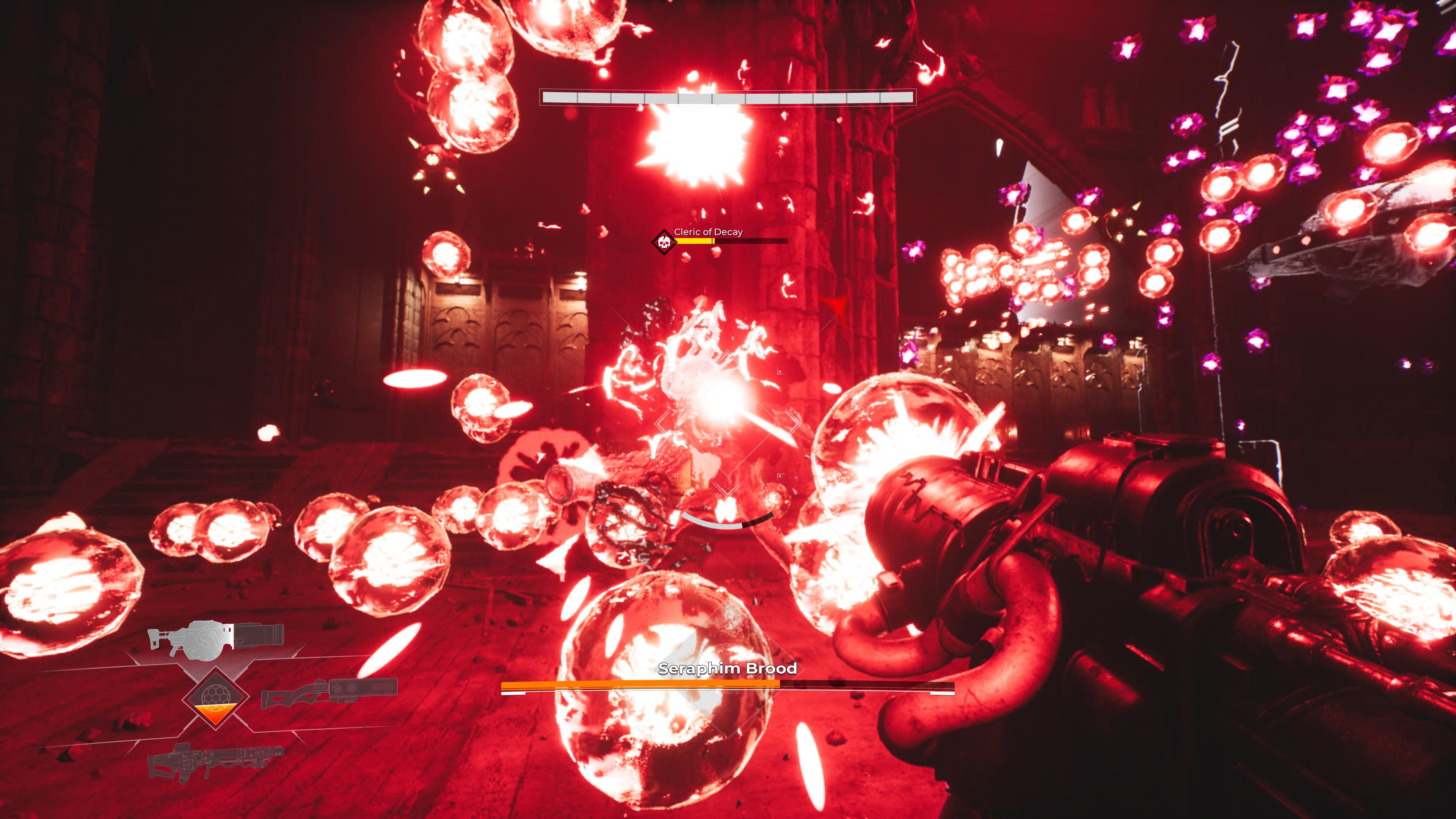
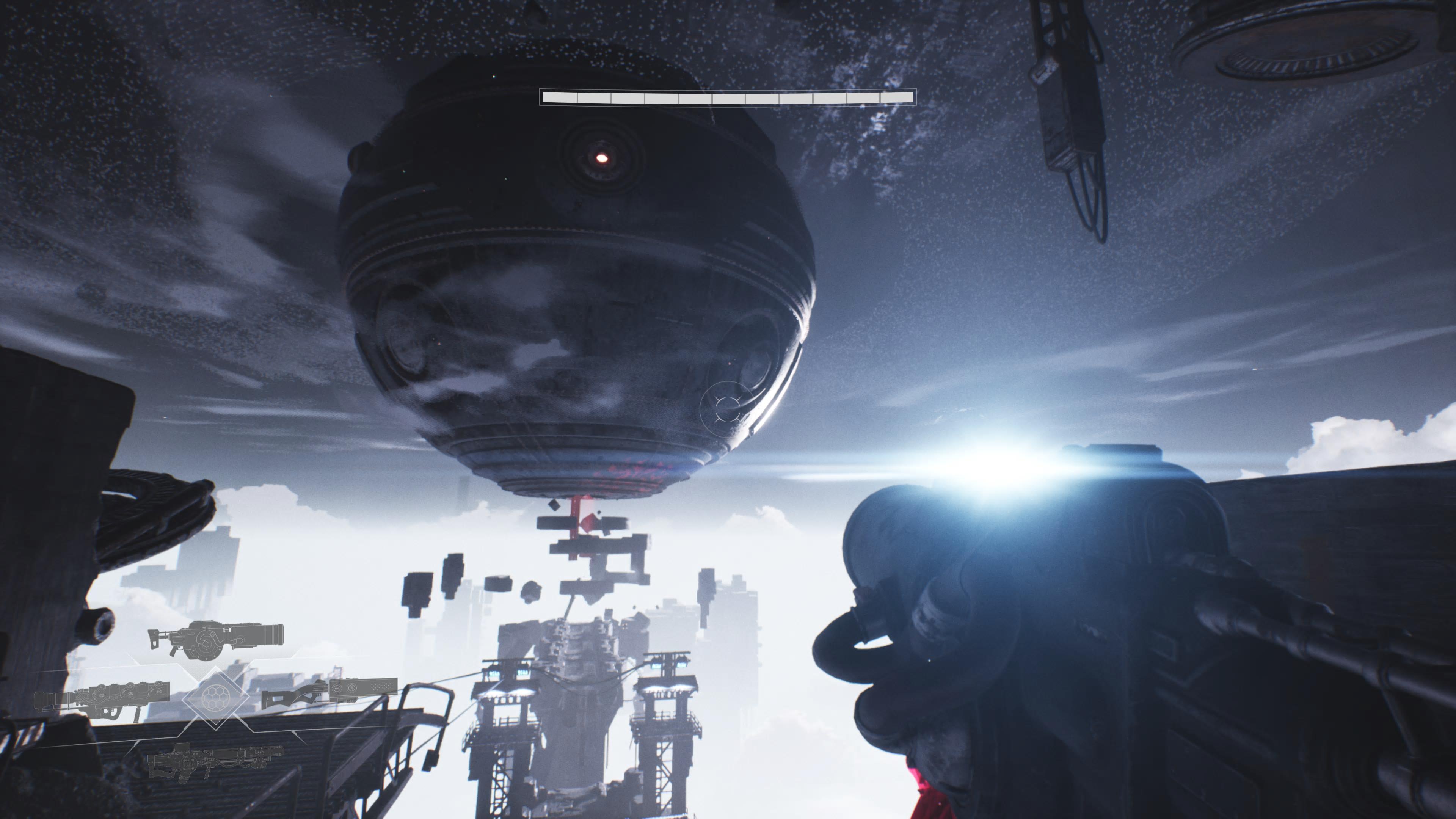
However, the late-game experience shifts from a test of skill to a test of endurance. Boss encounters, in particular, push the game’s visual design to its breaking point. In these moments, the screen often becomes a "visual soup" of grey enemies, black shadows, and neon-red projectiles, where the boundary between fair difficulty and overwhelming chaos begins to blur.
Supporting Data: Artistry Under Constraints
Luna Abyss is a masterclass in working within limited resources. The developers have leaned heavily into volumetric fog, deep shadows, and high-contrast lighting to create an atmosphere that feels expansive despite the relatively contained nature of the game’s levels.
This design choice serves two purposes: it hides the lower-fidelity environmental details that would otherwise betray the game’s indie budget, and it provides the necessary visual clarity to make the "bullet hell" patterns readable. If the environments were overly busy, tracking the trajectory of hundreds of glowing orbs would be impossible. By keeping the background architecture sparse and silhouette-heavy, the art team ensures that the player’s focus remains locked on the threats that matter.
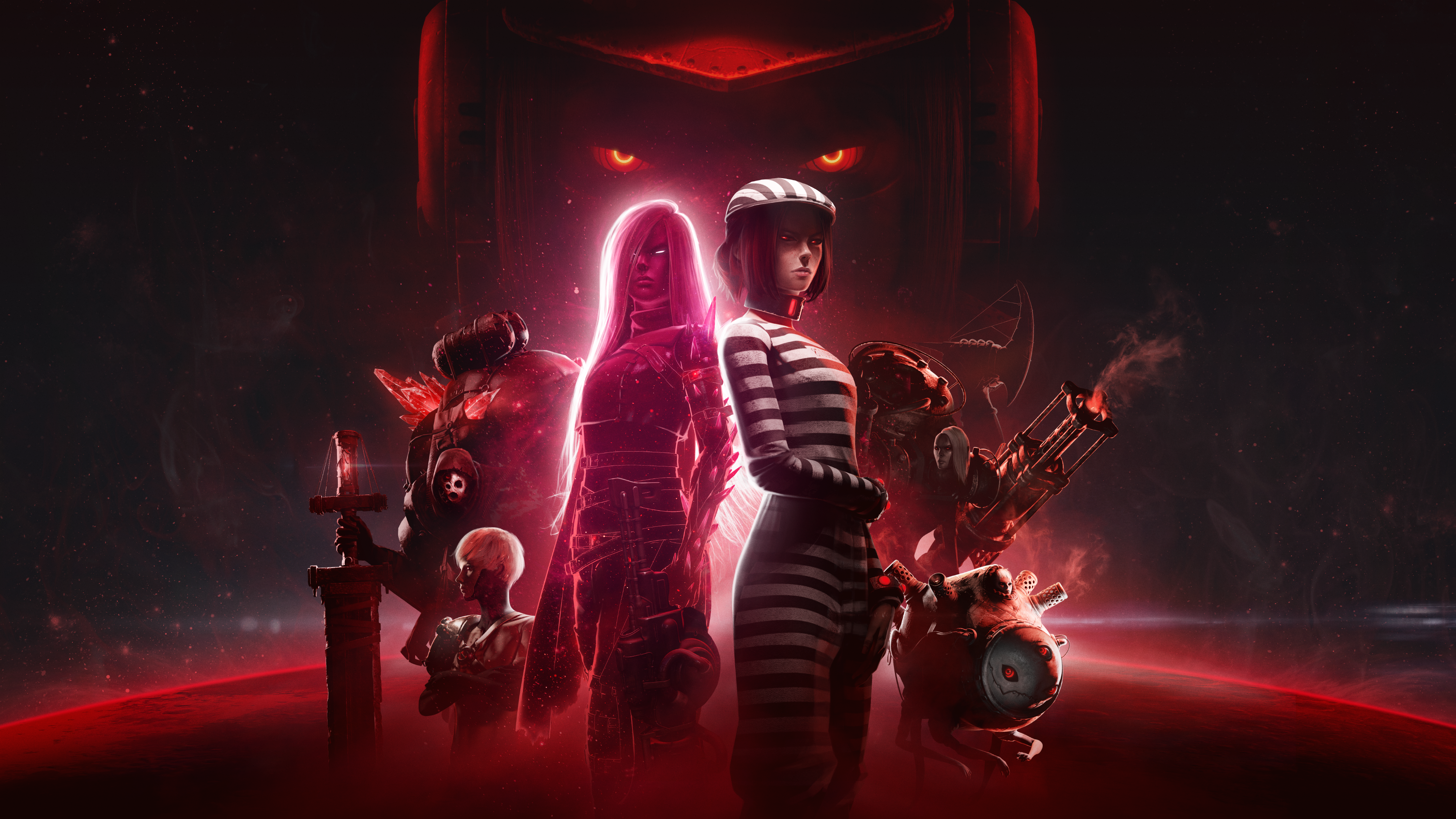
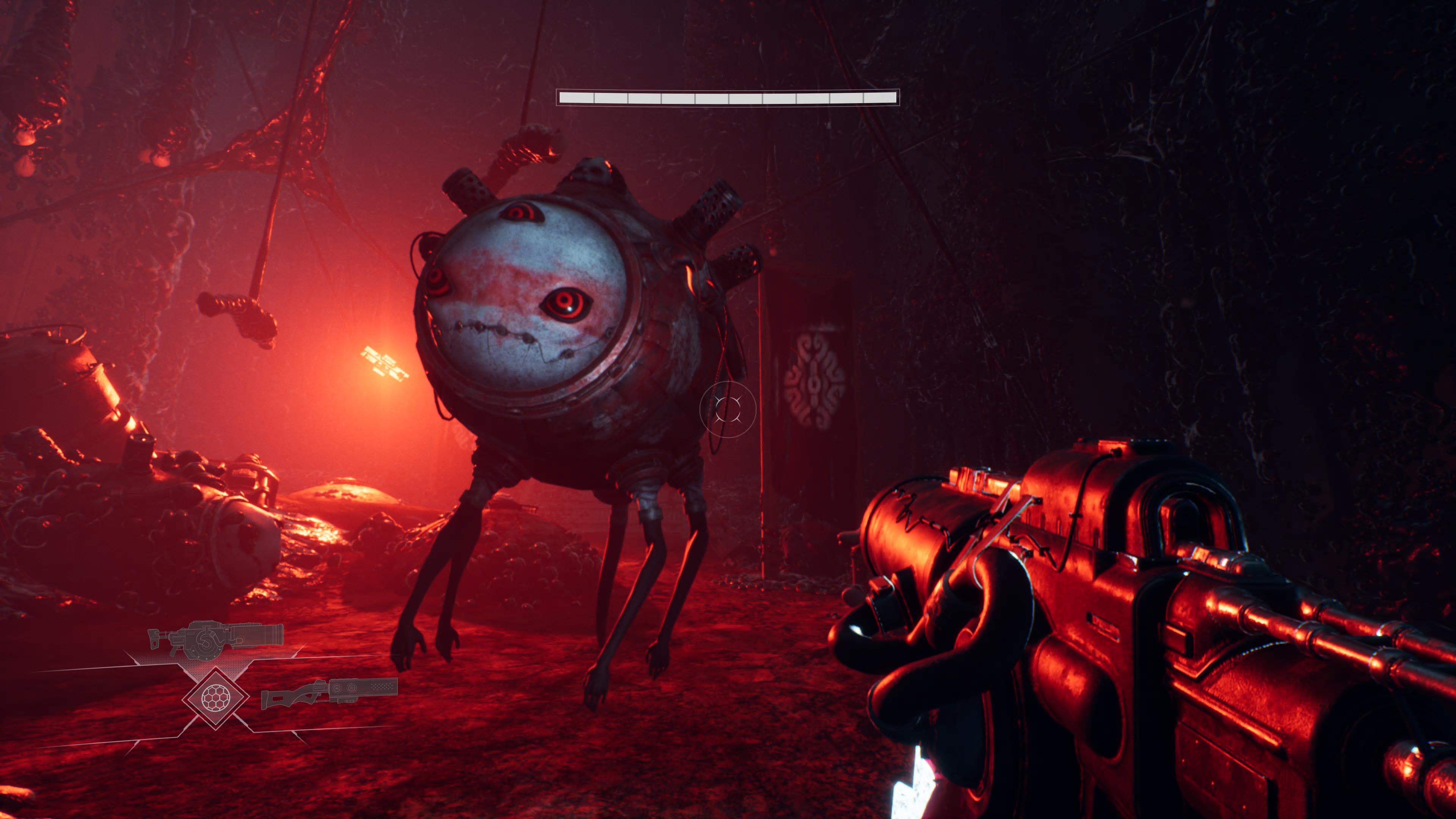
The creature design deserves special mention. The "Drifted" are haunting, blending the uncanny, doll-like aesthetic of NieR: Automata with the visceral, body-horror unease associated with the works of Junji Ito. These are not your standard space aliens; they are tragic, distorted figures that reinforce the game’s central theme of lost humanity.
Official Responses and Accessibility
Bonsai Collective Limited has clearly recognized the hurdles the game presents to the average player. Acknowledging that the combination of high-speed combat and complex platforming might prove too demanding, the developers have included a "Story Mode." This mode is a significant inclusion, as it allows players to bypass the more frustrating platforming sections entirely.
This addition is a tacit admission that the game’s platforming mechanics are, at times, its weakest link. The movement system suffers from a slight, persistent input lag, and the reliance on contextual button prompts makes precision jumping a chore rather than a thrill. When the game requires you to navigate intricate, multi-layered industrial structures, this lag can chip away at the momentum established by the excellent combat. For those who find the traversal mechanics more of an obstacle than a challenge, the Story Mode is a vital bridge to experiencing the game’s narrative and aesthetic highlights.
Implications: The Future of Indie FPS
Luna Abyss occupies a precarious space. On one hand, it is a shining example of how a small team can produce a high-concept, stylistically distinct experience that punches far above its weight class. Its ability to create a "rhythm of action" that feels genuinely unique in the FPS genre is an accomplishment that should not be overlooked.
However, the game also serves as a warning about the perils of over-ambition. The "rough edges"—the occasional visual clutter, the clunky platforming, and the reliance on static, text-heavy cutscenes—show where the budget ultimately hit a ceiling. These are not fatal flaws, but they prevent the game from reaching the polished perfection of its primary inspirations.
For the player, Luna Abyss is a compelling proposition. If you are a fan of abstract, gothic sci-fi, or if you crave the specific thrill of a bullet hell shooter, the game provides enough moments of pure, adrenaline-fueled satisfaction to make it worth the price of admission. It is a flawed gem, but one that leaves a lasting impression. It proves that even when a studio stumbles, if the vision is strong enough, the rhythm of the game remains.
As the industry continues to evolve, Luna Abyss stands as a testament to the fact that you don’t need a triple-A budget to deliver a memorable, high-energy experience. It is a bold, uncompromising, and deeply atmospheric journey—one that I, for one, found hard to walk away from.









No comments yet. Be the first to join the conversation!