

By Paulo Kawanishi
Published May 20, 2026, 2:37 PM EDT
Main Facts
The sprawling, meticulously rendered open world of Forza Horizon 6 continues to captivate players with its breathtaking landscapes and hidden wonders. Among its many detailed environments, one particular location has garnered significant attention, not just for its aesthetic appeal but for its crucial role in unlocking one of the game’s coveted classic vehicles: the golf course nestled within the Minamino region. Often overlooked due to its subtle integration into the vast Japanese map, this verdant expanse serves as more than just a scenic backdrop; it’s a key waypoint for dedicated explorers and a testament to Playground Games’ commitment to environmental depth.
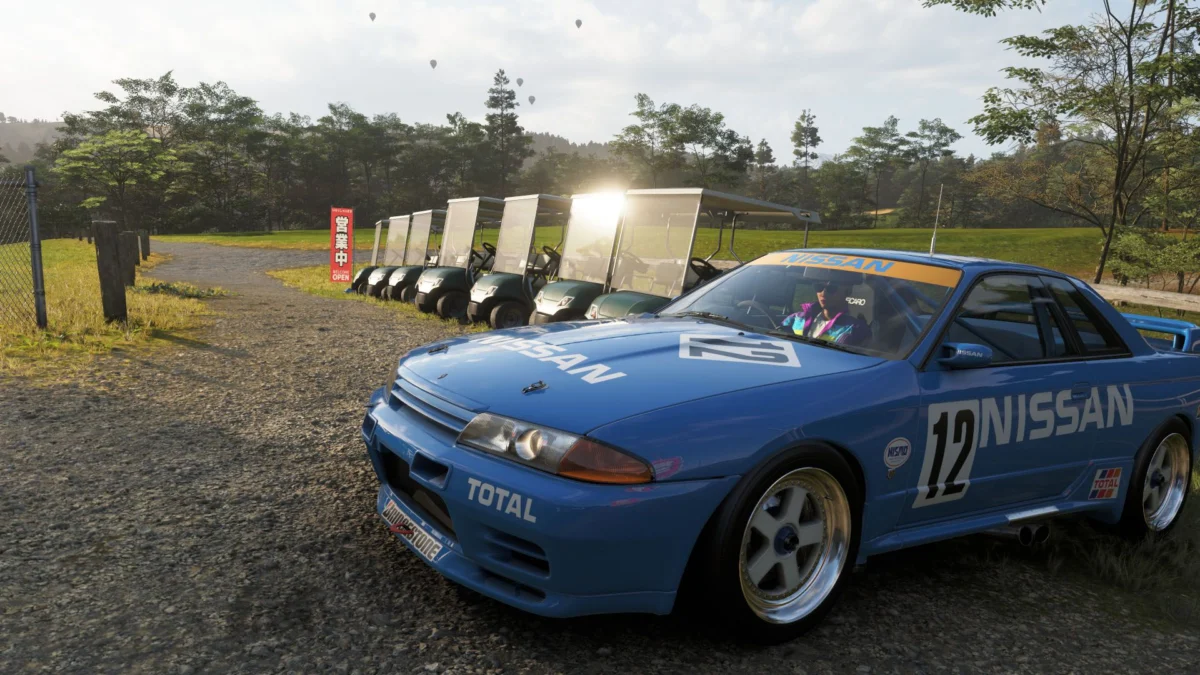
Unlike the bustling city streets or prominent festival sites, the Minamino golf course is designed to blend seamlessly into the game’s natural topography, making its discovery a rewarding challenge. Its significance was further amplified when it was revealed to be the cryptic hint for the elusive 1969 Dodge Charger R/T treasure car. This dual purpose—serving as both a piece of immersive world-building and a puzzle component—elevates the golf course from a mere landmark to a focal point of player exploration. For many, stumbling upon its pristine fairways and manicured greens is a moment of genuine discovery, reinforcing the game’s philosophy of rewarding curiosity. The location, characterized by its distinctive patches of lush grass and strategic sand traps, stands out subtly against the surrounding natural terrain, offering a momentary shift in the visual palette of Minamino. Its clubhouse, specifically, became the nexus for the treasure hunt, directing players to this otherwise tranquil corner of the digital Japan.
Chronology
The journey to uncovering the Minamino golf course’s importance began shortly after the highly anticipated launch of Forza Horizon 6. As millions of players worldwide embarked on their inaugural drives through the fictionalized Japanese archipelago, initial impressions focused on the game’s unparalleled visual fidelity, diverse biomes, and the exhilarating new roster of vehicles. However, a significant element of the Forza Horizon experience has always been the thrill of discovery, particularly through its ingenious "treasure car" system. These hidden vehicles, often tied to enigmatic clues and demanding specific feats of exploration, serve as powerful incentives for players to delve beyond the main racing circuits and truly immerse themselves in the open world.
The 1969 Dodge Charger R/T treasure car emerged as one of the early challenges, its associated clue pointing directly to a "clubhouse by the greens." This seemingly innocuous hint immediately set the community ablaze, sparking a collective effort to pinpoint the referenced location. While many players might have driven past the golf course without a second glance during their initial frenetic sprints across the map, the treasure car clue transformed it into a critical objective. Forum discussions and social media groups quickly filled with theories, screenshots, and nascent map markers as players meticulously combed through every corner of the game world.
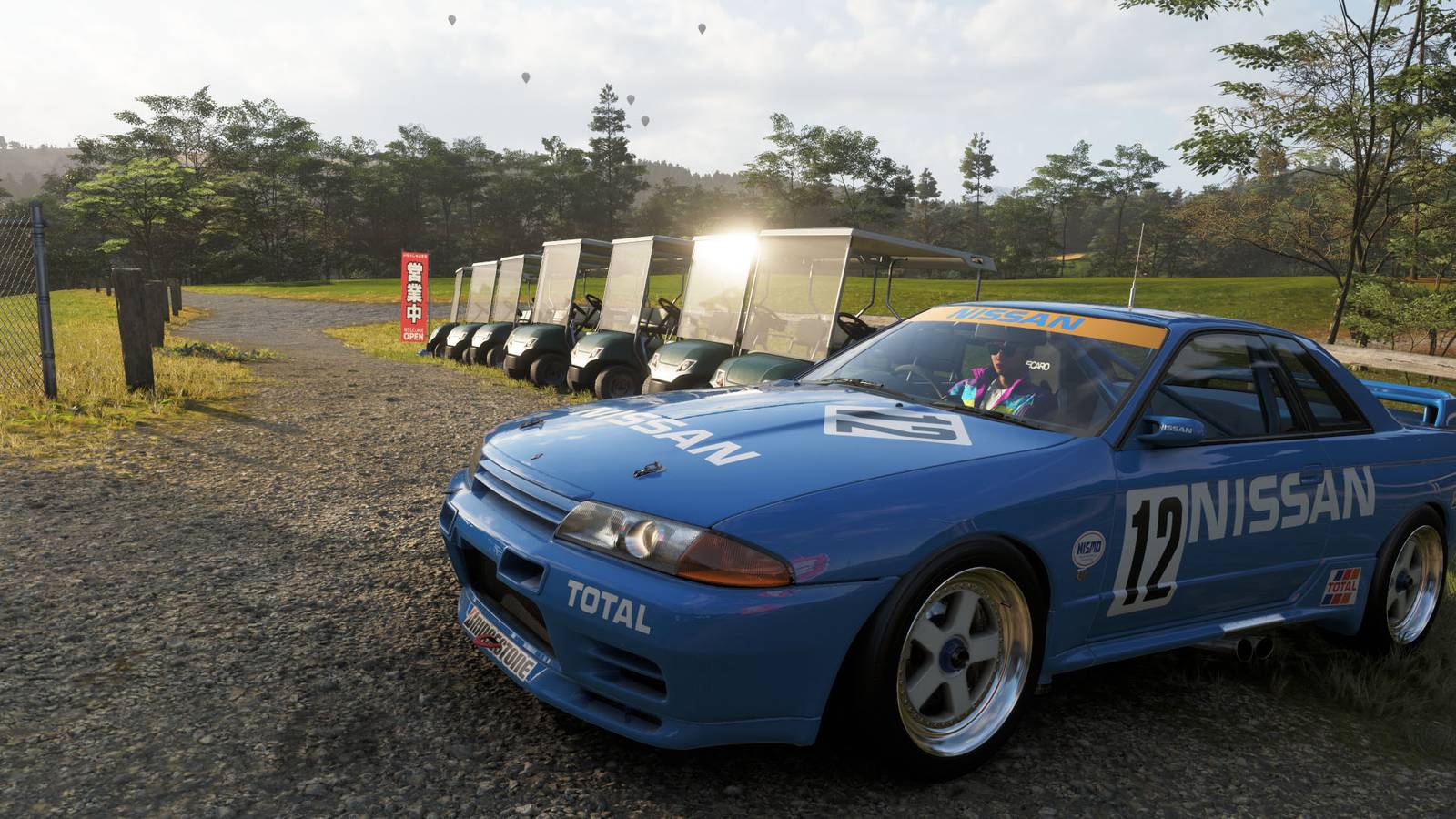
The breakthrough came as players began to systematically explore the Minamino region, known for its mix of rural charm and natural beauty. Early pioneers of exploration identified large, unnatural patches of verdant green and distinctive sandpits, signs that clearly pointed to a golf course layout. Further refinement of their search led them to the area directly south of Shirakawa-go, a prominent town in northern Minamino. It was here that the crucial landmark of a "365 convenience store" on the roadside provided the final navigational anchor. By circling the convenience store, players discovered a discreet entrance, leading directly to the previously elusive golf course and, more importantly, the clubhouse housing the prized Dodge Charger R/T. This chronological unfolding of discovery, driven by a combination of developer hints and concerted community effort, highlights the dynamic interplay between game design and player engagement that defines the Forza Horizon series. The golf course, initially a mere environmental detail, evolved into a celebrated landmark through this collective quest.
Supporting Data
Playground Games has long been lauded for its mastery in crafting open worlds that feel not just expansive, but genuinely alive and lived-in. The inclusion of a golf course in Forza Horizon 6‘s Minamino region is a prime example of this design philosophy. Rather than simply creating a racing arena, the developers aim to build a cohesive, believable world where diverse activities and landscapes coexist. The golf course, with its tranquil fairways and strategic hazards, offers a stark contrast to the high-octane racing that defines the game, providing moments of visual respite and a sense of geographical authenticity. Its presence enriches the overall tapestry of Minamino, a region that otherwise features winding mountain roads, serene farmlands, and small, traditional settlements. The deliberate placement of such a detailed, non-racing-centric area underscores the game’s commitment to environmental storytelling, suggesting a broader, more nuanced world beyond the festival boundaries.
The treasure car system itself is a cornerstone of Forza Horizon‘s longevity and replayability. Dating back to earlier iterations of the franchise, these hunts encourage players to become cartographers of the digital world, meticulously examining the map and interpreting often poetic or abstract clues. This mechanic transforms passive driving into active exploration, rewarding attentiveness and problem-solving skills. The 1969 Dodge Charger R/T, the specific vehicle linked to the golf course clubhouse, holds iconic status in automotive culture. Its muscular aesthetics and legendary performance make it a highly desirable addition to any player’s garage, adding significant weight to the quest for its location. The decision to hide such a celebrated vehicle behind a nuanced environmental clue, rather than a straightforward race or challenge, elevates the reward and imbues the act of discovery with greater satisfaction.
Visually, the golf course is distinctive. From an aerial perspective on the map, it manifests as prominent patches of bright green, interspersed with the lighter tones of sand traps and the darker outlines of forested areas. These visual cues, while subtle, become glaringly obvious once a player knows what to look for. On the ground, the course features meticulously rendered greens, fairways, and roughs, complete with dynamic lighting that changes with the time of day and weather cycles. The "orange trails" mentioned in initial descriptions likely refer to the dirt tracks or access roads that often border or cut through such rural establishments, serving as conduits for players to navigate off the main asphalt. The presence of a "365 convenience store" as a navigational marker further grounds the virtual world in recognizable, everyday elements, making the discovery process relatable and intuitive for players navigating the digital landscape. This level of detail in both design and integration ensures that the golf course is not merely a static asset but an integral part of the Forza Horizon 6 experience.
Official Responses
While Playground Games has not issued a specific press release solely dedicated to the Minamino golf course, their broader design philosophy offers ample insight into its inclusion and significance. Developers have consistently emphasized their goal of creating open worlds that encourage organic exploration and reward player curiosity. In numerous interviews and developer diaries leading up to Forza Horizon 6‘s launch, members of the design team spoke at length about their meticulous approach to world-building, drawing inspiration from real-world Japanese locales to craft an environment that feels authentic and teeming with secrets. The golf course, therefore, isn’t an accidental inclusion but a deliberate choice.

It aligns perfectly with Playground Games’ known penchant for integrating "Easter eggs" and hidden gems that add layers of depth beyond the core gameplay loop. Their official stance, often articulated through community managers on social media and forums, champions the idea that the game world is a character in itself, meant to be explored and understood. The "treasure car" system is a direct manifestation of this philosophy, designed to push players beyond the marked roads and into the less-traveled corners of the map. The golf course, as a critical component of one such hunt, exemplifies this design ethos.
Furthermore, the positive community reception to discoveries like the golf course and its associated treasure car serves as an indirect validation of Playground Games’ approach. The vibrant discussions, shared screenshots, and player-made guides that emerged around finding this location underscore the effectiveness of their design choices in fostering engagement. While there might not be a direct quote from a lead designer exclaiming, "We wanted players to find the golf course this way!", the consistent messaging from the studio about rewarding exploration and crafting rich, detailed environments serves as their unofficial response and justification for such nuanced inclusions. It’s a testament to their belief that a truly great open world is one that continuously offers new experiences and challenges, even after hundreds of hours of gameplay.
Implications
The discovery and subsequent widespread recognition of the Minamino golf course within Forza Horizon 6 carry several implications for both player engagement and the future of open-world racing games. Firstly, it profoundly impacts player engagement by fostering a sense of community and shared purpose. The collective effort to decipher the treasure car clue and pinpoint the golf course location created a vibrant ecosystem of collaboration among players. This social aspect, where individuals contribute their findings and insights, significantly enhances the overall gaming experience, transforming a solo endeavor into a communal adventure. This model of organic discovery and information sharing extends the game’s shelf life, keeping players invested long after the main story campaigns are completed.
Secondly, the meticulous detail and subtle integration of the golf course underscore a growing trend in open-world game design: moving beyond mere scale to emphasize depth and authenticity. It suggests that future titles in the genre will likely continue to prioritize intricate environmental storytelling and hidden interactive elements over simply offering larger, less populated maps. This focus on "quality over pure quantity" in world design enriches the player’s sense of immersion, making the virtual world feel more believable and dynamic. The golf course is not just a place to drive through; it’s a testament to the idea that every corner of the map can hold a secret or contribute to a larger narrative, however subtle.
Moreover, the success of the treasure car system, exemplified by the Minamino golf course hunt, reinforces its value as a core mechanic for promoting exploration and rewarding diligence. It serves as a blueprint for how developers can effectively encourage players to engage with the entirety of their painstakingly crafted worlds. By tying desirable rewards, like the iconic Dodge Charger R/T, to challenging navigational puzzles, Forza Horizon 6 ensures that players are motivated to look beyond the obvious. This approach contributes significantly to the game’s longevity, as players continue to uncover secrets and chase hidden vehicles long after the initial launch buzz subsides. It sets a high bar for future open-world racing titles, challenging them to incorporate similar levels of detail, mystery, and rewarding exploration. The Minamino golf course, therefore, is not merely a virtual landmark; it’s a microcosm of Forza Horizon 6‘s design philosophy and a symbol of the enduring appeal of discovery in the vast digital landscapes of modern gaming.











No comments yet. Be the first to join the conversation!