

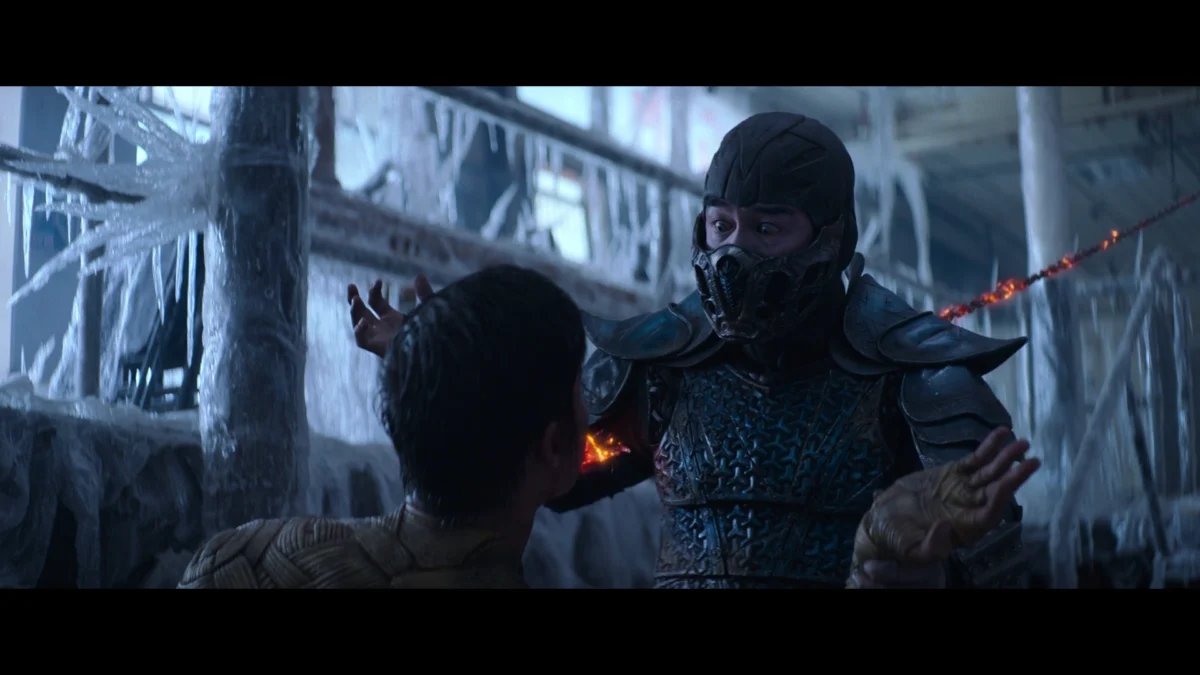
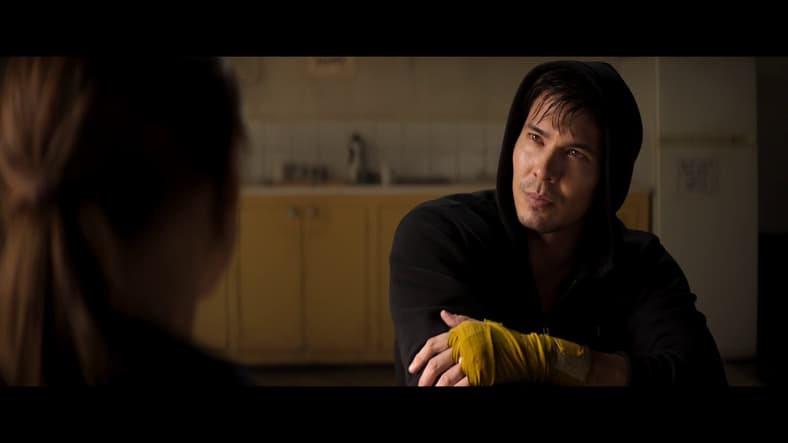
The landscape of modern franchise filmmaking is often defined by the tension between studio mandates and the expectations of a loyal, long-standing fanbase. Nowhere was this friction more evident than in the 2021 reboot of Mortal Kombat. When the production introduced Cole Young, an original character portrayed by Lewis Tan, the decision was met with immediate skepticism and, in many quarters, outright hostility. To the dedicated Mortal Kombat community, Young represented a "manufactured surrogate"—a generic MMA fighter inserted into a mythos populated by iconic legends like Scorpion, Sub-Zero, and Liu Kang.
With the release of Mortal Kombat 2, the franchise has executed a narrative pivot as brutal as the games that inspired it. By dispatching Cole Young in a visceral, high-stakes sequence, the filmmakers have effectively acknowledged the audience’s grievances, clearing the board for a more faithful adaptation of the source material.
The Genesis of the Controversy: Why Cole Young Failed to Resonate
When the 2021 film was in development, the inclusion of an original protagonist was presented by the studio as a necessary "POV character"—a human anchor for audiences unfamiliar with the complex, supernatural lore of the Mortal Kombat universe. However, the move backfired. Fans who had spent three decades investing in the established roster felt that the screen time allocated to Young—a character with "literal plot armor" and a domestic subplot that felt disconnected from the high-fantasy stakes of Outworld—was a misappropriation of valuable resources.
The character was perceived as an unwanted hitchhiker in a franchise built on a specific aesthetic: visceral combat, supernatural powers, and a sprawling, multiversal conflict. To the hardcore base, Cole Young was the cinematic equivalent of a custom character mod being forced into a canon story mode.
Chronology of a Narrative Execution
The decision to remove Cole Young was not a reactionary impulse born of a single bad review; it was a calculated long-term strategy for the sequel.
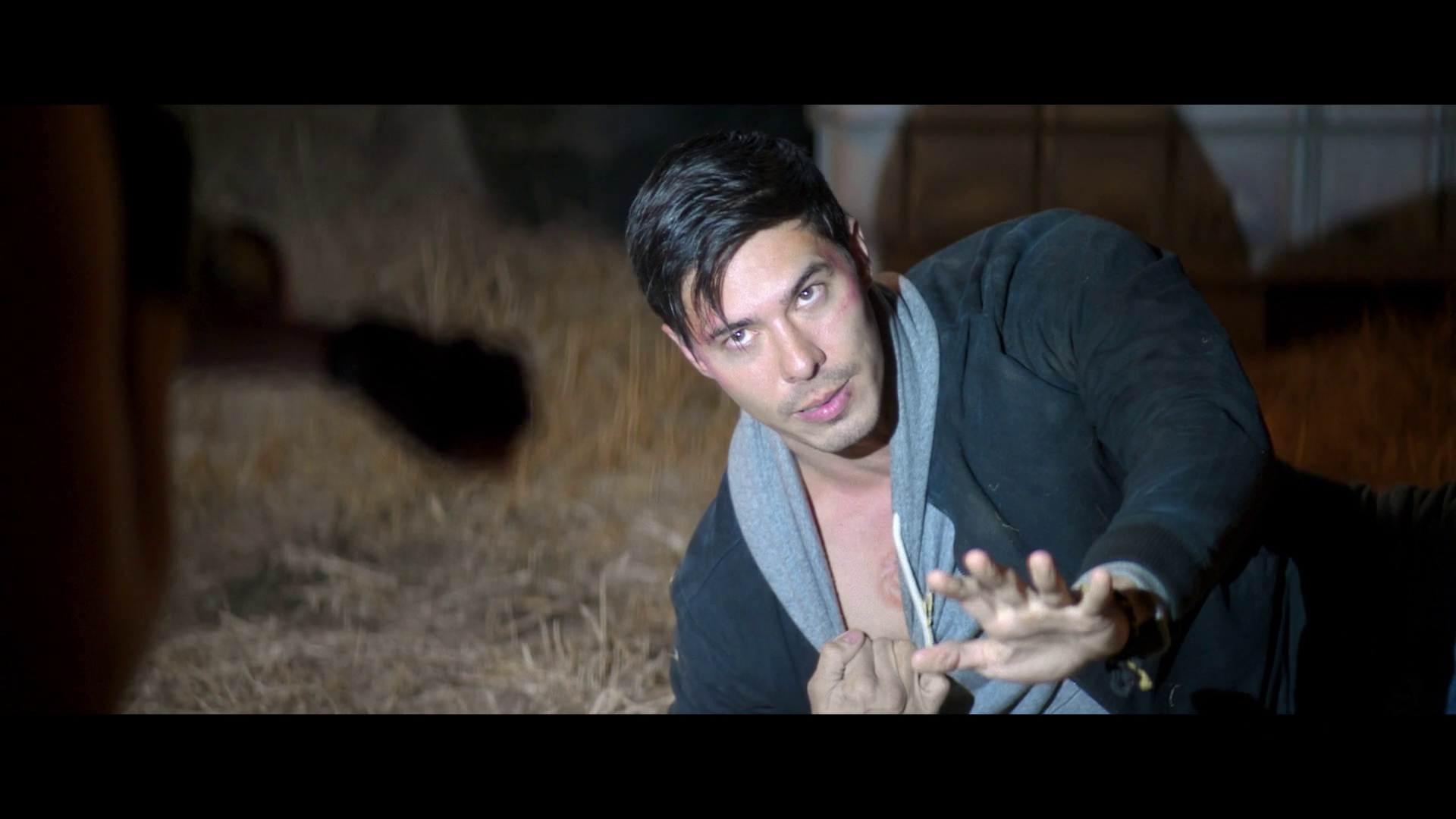
The Initial Pitch
According to screenwriter Jeremy Slater, the idea to remove Young was present even during the early stages of the sequel’s development. Slater, who was brought in to refine the vision for Mortal Kombat 2, noted that the "problem" of the character was a common topic of discussion during writers’ room roundtables. "It’s very easy when you’re just sitting there throwing out ideas to be like, ‘I would kill that guy,’" Slater revealed in a recent interview with Variety.
The Brutal Exit
In Mortal Kombat 2, the writers made the bold choice to cement the franchise’s shift in tone by killing off Young in a manner that left no room for ambiguity. During a confrontation with the forces of Outworld, Young is executed by Shao Kahn. The death is not merely a plot point; it is a symbolic gesture. The use of the iconic hammer to crush the protagonist, followed by an acid bath, serves as a "ruthless clearing of the deck." It was a message to the fans: the studio was listening, and the era of the "studio-mandated surrogate" had officially ended.
The Aftermath
Following his demise, the narrative focus shifted immediately to the core roster. The removal of the "domestic storyline" associated with Young allowed the film to lean into the tournament structure that fans have craved since the 1990s.
Supporting Data: Why "Original Characters" Struggle in Legacy Franchises
The struggle of Cole Young is a case study in the risks of adapting established video game intellectual property (IP). Analysis of fan sentiment across social platforms and aggregate review sites suggests that audiences prioritize "source accuracy" over "accessibility."
In an Avengers-style ensemble, characters occupy specific roles: the leader, the powerhouse, the tactical genius, the comic relief. When a studio inserts a character that does not possess a "legacy" status, they are effectively displacing a fan-favorite. As Slater astutely noted, "It’s like an Avengers movie where you’ve got Iron Man and Captain America, and then you have Bob over here… the fans have been waiting 30 years to spend time with these characters, and when it’s not one of those characters eating up the screen time, they get resentful."
The data from the 2021 box office and streaming numbers indicated that while the film was a commercial success, it suffered from a "fandom disconnect." The sequel’s strategy appears to be a direct response to this metric: by removing the barrier to the "deep-cut game lore," the production aims to increase fan retention and critical favorability.
Official Responses and the Professionalism of Lewis Tan
Perhaps the most compelling aspect of this transition is the grace with which Lewis Tan has handled the situation. Despite the online vitriol aimed at his character, Tan has consistently maintained a professional demeanor, recognizing the inherent difficulties of stepping into a 30-year-old franchise.
In his discussions with Vulture, Tan reflected on the first film as a "starting point" or a "prequel to getting into the tournament." By framing his character’s journey as a bridge rather than a destination, Tan has managed to pivot from the controversy. He confirmed that he knew early on that his character would face a "smashing Fatality," and he has accepted the finality of the decision.
Interestingly, Tan’s openness to returning in a future installment—perhaps as a different, established character—suggests that the relationship between the actor and the studio remains intact. This transparency has helped mitigate the potential for further backlash, allowing the fanbase to move on alongside the narrative.
Implications: A New Era for Mortal Kombat Films
The death of Cole Young signals a significant shift in how Warner Bros. approaches the Mortal Kombat license. This move carries several implications for the future of the franchise:
1. Prioritizing Lore Over Accessibility
The primary lesson learned is that audiences for niche IP are already experts in that lore. Future entries are likely to double down on the tournament mechanics, the intricate histories of characters like Raiden and Liu Kang, and the high-fantasy aesthetic of Outworld. By abandoning the "human surrogate," the films can focus on the existing, complex relationships between the combatants.
2. A Harder Edge
The brutality of Young’s death sets a precedent. It signals that no character—even one designed as a protagonist—is safe. This injects a genuine sense of stakes into the proceedings. In a franchise defined by its "Fatality" system, the audience now understands that the films are willing to lean into the consequences of the game’s lethality.
3. The "Course Correction" Trend
We are currently witnessing a broader trend in Hollywood where franchises are increasingly willing to "course correct" based on real-time feedback. Much like the pivot in other high-profile adaptations, Mortal Kombat 2 serves as a case study in listening to the core demographic. By acknowledging the "resentment" felt by fans, the production has effectively turned a liability into a marketing hook: the film is being sold as the "true" tournament movie the fans have been waiting for.
4. Future Potential for Part III
With the deck cleared, the stage is set for a more faithful adaptation of Mortal Kombat II and III game narratives. The focus can now shift to the expansion of the roster, potentially introducing fan-favorites that were omitted from the first film. Furthermore, the possibility of Lewis Tan returning in a different capacity opens up interesting meta-narrative opportunities, provided the studio handles the casting with the respect the fanbase demands.
Conclusion
The departure of Cole Young from the Mortal Kombat cinematic universe is a landmark moment in franchise management. It represents a rare instance where a studio has publicly acknowledged a creative misstep and corrected it in a way that respects the source material’s integrity.
While Cole Young was intended to serve as a gateway for the uninitiated, the reality of modern media consumption is that the "uninitiated" are often guided by the enthusiasm of the hardcore fans. By removing the character, the filmmakers have not only silenced a vocal segment of the fanbase but have also liberated the narrative to reach its full, violent potential. As the franchise looks toward its third installment, it does so with a renewed sense of purpose, a clearer focus on its legendary roster, and a promise that the tournament—and the stakes that come with it—will be the undisputed center of the action.









No comments yet. Be the first to join the conversation!