

For decades, the DIY landscape in America has been dominated by a singular, iconic destination: Harbor Freight. With its trademark red branding and ubiquitous presence in strip malls across the country, the retailer carved out an empire based on a straightforward, undeniable promise: providing decent-quality tools to mechanics, woodworkers, and home enthusiasts at prices that traditional hardware giants simply could not match.
However, the retail landscape is currently undergoing a tectonic shift. The rise of a massive global supply chain, coupled with the sheer scale of the Amazon marketplace, has fundamentally changed how consumers purchase workshop gear. Today, Harbor Freight is no longer the undisputed king of value. Instead, it finds itself in a stiff, high-stakes competition with Amazon, which is increasingly outperforming the legacy retailer in both pricing and functional innovation.
The Evolution of the Tool Market: A Chronology of Change
To understand why this shift is occurring, one must look at the historical trajectory of the hardware industry.
The Early 2000s: The Rise of the "Good Enough" Tool
At the turn of the millennium, if you were a DIYer on a budget, your options were binary: spend a premium at a professional tool supply house or accept low-grade, unreliable hardware from discount bins. Harbor Freight effectively disrupted this dichotomy by importing affordable, serviceable tools that allowed hobbyists to fill their toolboxes without breaking the bank.
The 2010s: The Digital Disruption
As e-commerce matured, the barrier to entry for tool manufacturers lowered. Small-to-medium-sized third-party manufacturers, primarily based in East Asia, began bypassing traditional retail distribution chains. By leveraging Amazon’s Fulfillment by Amazon (FBA) program, these companies could reach millions of customers without needing a physical storefront.
The 2020s: The Era of Informed Comparison
Today, the consumer has become significantly more sophisticated. Before stepping into a physical store, the average DIYer checks prices on their smartphone, reads real-time user reviews, and compares technical specifications. This "always-on" research environment has exposed the limitations of traditional, physical-only retail models like Harbor Freight, as users realize that Amazon’s marketplace can often provide higher-spec tools for a fraction of the cost.
Comparative Analysis: Where Amazon Outshines the Competition
While Harbor Freight remains a staple for many, specific product categories reveal that Amazon’s sheer volume and competitive landscape offer significant advantages.
1. Precision Measuring: The Esydon Digital Caliper
For fabrication, woodworking, and 3D printing, a digital caliper is an essential precision tool. Harbor Freight has long relied on its Pittsburgh 6-inch digital caliper, typically priced at $24.99. While this tool is a reliable "workhorse," its price point has become increasingly difficult to justify in the current market.
By contrast, the Esydon electronic digital caliper is available on Amazon for roughly $6.88. This represents a staggering 72% price reduction. Despite the lower cost, the Esydon unit features a clear LCD screen, a reliable calibration button, and the standard millimeter-to-inch conversion toggle. It performs the same depth, step, and internal/external measurements as its counterpart. When the functionality is identical but the price is four times lower, the economic argument for the traditional retailer falters.
2. Illumination: The Hykolity LED Shop Light
Workshop safety is inextricably linked to lighting. Harbor Freight’s Braun linkable diamond-plate LED hanging shop light is a popular choice, but at approximately $50 per unit, equipping a full two-car garage becomes a significant capital investment.
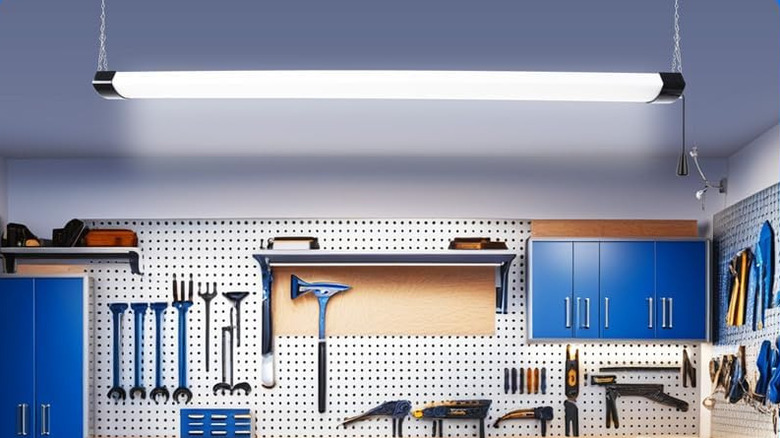
Amazon, however, offers the Hykolity linkable LED shop lights in a two-pack for a price point just marginally higher than a single unit from Harbor Freight. Beyond the cost-per-unit savings, the technical specs actually favor the Amazon option: the Hykolity lights output 13,000 lumens, eclipsing the 10,000-lumen output of the Braun model. With daisy-chain capability and built-in power sockets for additional tools, these lights illustrate how Amazon’s third-party vendors are focusing on value-added features that provide a higher "bang for the buck."
3. Automotive Diagnostics: The Veepeak OBD II Scanner
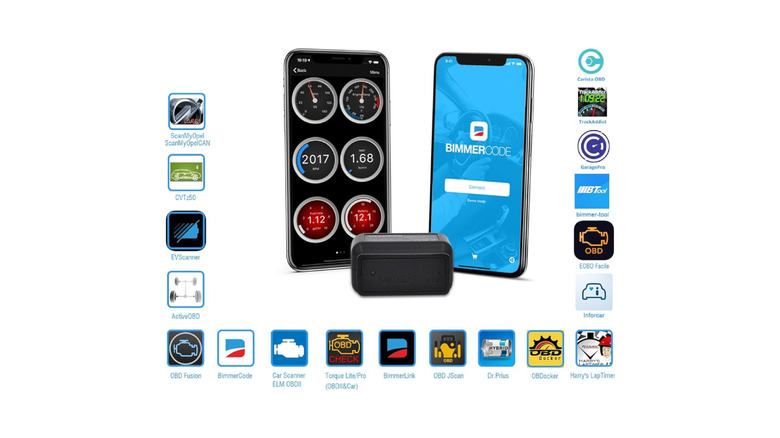
The "Check Engine" light is the bane of every vehicle owner’s existence. Harbor Freight’s solution, the Maddox MRBT OBD II code reader, offers Bluetooth connectivity for around $55. While functional, it is a significant investment for a casual user.
The Veepeak OBD II scanner, a fixture on Amazon with over 23,000 reviews, is frequently priced at nearly half the cost of the Maddox unit. With a 4.5-star rating, it has proven itself within the automotive community as a robust, reliable tool. By connecting to open-source apps like Torque or ScannerApp, users gain access to live sensor data, fuel economy tracking, and emission diagnostics that are on par with, or superior to, the proprietary software experiences offered by more expensive, closed-system alternatives.
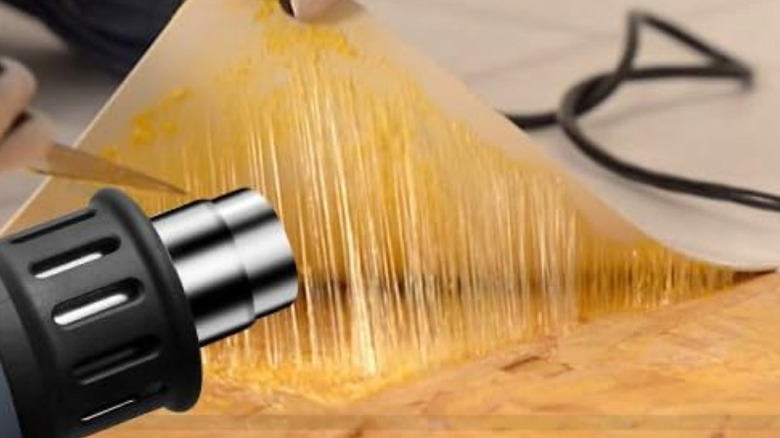
4. Industrial Versatility: The Seekone Heat Gun
The Warrior 1500-watt heat gun at Harbor Freight is a classic, priced at $19.99. However, it is limited by a fixed, two-temperature setting. This lack of nuance can be problematic for delicate tasks like heat-shrinking electronics or working with specific plastics.
The Seekone industrial heat gun on Amazon introduces variable temperature control, allowing users to dial in the exact heat required for their project. While budget-conscious users can still find ultra-cheap, two-setting guns on Amazon that undercut the Warrior price, the Seekone demonstrates a shift toward "feature-rich value." It provides overload protection and multiple nozzle attachments, offering a professional-tier experience at a DIY price point.
Supporting Data and Methodology
Our analysis of these products is based on a strict set of criteria. We focused on tools where Amazon-sourced alternatives maintained an overall rating of 4.6 or higher with a minimum of 1,000 reviews. This ensures that the lower price point is not a byproduct of poor quality or "junk" manufacturing, but rather a reflection of a more efficient, direct-to-consumer supply chain.
In instances where prices were comparable, we prioritized tools that offered "feature parity" or "value-add" components—such as higher lumen counts, more precise control dials, or additional accessories included in the box.
The Implications for Retailers and Consumers
What This Means for Harbor Freight
Harbor Freight is not unaware of this trend. Their pivot toward their "Icon" and "Hercules" professional-grade lines is a direct response to the realization that they cannot compete solely on the low-end of the market. By moving upmarket, they are attempting to build brand loyalty that Amazon’s disparate third-party marketplace struggles to replicate. However, for the average home hobbyist, the "bottom-tier" tools that once defined the Harbor Freight brand are being systematically squeezed out by the convenience and competitive pricing of Amazon.
The Consumer Advantage
For the modern DIYer, this is a golden age. The competition between traditional brick-and-mortar stores and massive e-commerce platforms has driven down the cost of entry for virtually every trade. Consumers are no longer forced to choose between "pro-grade" and "unreliable." Instead, they can now source tools that offer "pro-sumer" features at entry-level prices.
Conclusion: The New Reality of the Workshop
The reign of the physical hardware store as the sole gatekeeper of tool quality has ended. While Harbor Freight still offers the unique benefit of "buy-it-today" convenience—a factor that Amazon cannot always match—the data is clear: if you are willing to wait for two-day shipping, your wallet will thank you for shopping on the digital marketplace.
As supply chains continue to optimize and third-party manufacturing quality improves, the "Amazon vs. Harbor Freight" debate will likely intensify. For now, the takeaway for the savvy enthusiast is simple: perform your research, look beyond the brand name on the box, and recognize that in the modern market, value is no longer tied to a physical store, but to the performance-to-price ratio of the tool itself.












No comments yet. Be the first to join the conversation!