

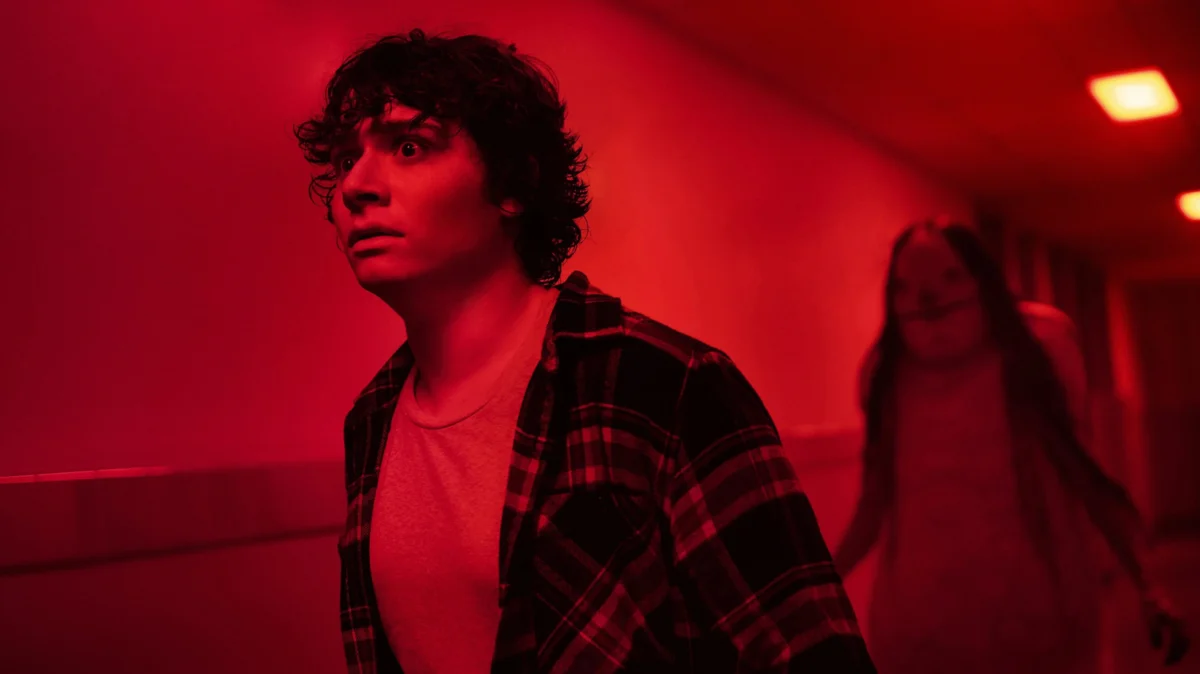
It has been seven years since the cinematic adaptation of Alvin Schwartz’s iconic, macabre anthology Scary Stories to Tell in the Dark terrified audiences and became a surprise box-office sensation. Directed by André Øvredal and shepherded by the visionary Guillermo del Toro, the 2019 film seemed to lay the groundwork for a burgeoning horror franchise. Yet, as fans await a follow-up, the project has vanished into a different kind of horror story: the labyrinthine bureaucracy of corporate mergers and intellectual property rights.
In an exclusive interview regarding his latest horror venture, Passenger—which arrives in theaters on May 22, 2026—director André Øvredal provided a sobering update on the state of the Scary Stories sequel. While the creative team remains eager to return to the world of the Pale Lady and the Jangly Man, the production is currently held hostage by a complicated web of ownership that has left the project in a state of suspended animation.
The State of the Franchise: A Story of "Yes and No"
For years, rumors have circulated regarding a potential sequel. In 2020, following the financial success of the first installment, a follow-up was officially announced with Øvredal attached to return. However, the momentum was quickly stifled by the shifting landscape of the film industry.
When asked if the sequel is still a reality or a project relegated to the "development hell" graveyard, Øvredal offered a candid, if frustrating, assessment. "I mean, yes and no," the director told /Film. "What I can say is that it’s been stuck in a bit of a copyright ownership hell with two studios that don’t exist anymore, that produced a movie together, CBS Films and EOne, and they don’t really exist anymore."
This statement highlights the often-overlooked reality of modern filmmaking: that even with a talented director, a high-profile producer like del Toro, and a proven intellectual property, the machinery of the business can stop a creative endeavor in its tracks.
Chronology of a Corporate Quagmire
To understand why the sequel has stalled, one must look at the chaotic corporate history of the companies behind the first film. The production of the 2019 original was a collaborative effort between CBS Films and Entertainment One (eOne). Since that time, the entertainment industry has undergone seismic shifts that have rendered those original partnerships obsolete.
- 2019: Scary Stories to Tell in the Dark is released, grossing $104 million globally against a $25 million budget, establishing it as a highly profitable horror entry.
- 2019: CBS Corporation merges with Viacom, and CBS Films is effectively shuttered as a standalone entity, with its operations absorbed or redistributed.
- 2019–2022: Hasbro acquires Entertainment One (eOne) in a multi-billion dollar deal, only to spend the next few years attempting to streamline its assets. By 2022, Hasbro moves to divest its film and television production assets.
- 2023–2026: The intellectual property rights for the film are left in a state of flux as the legal remnants of CBS Films and the shifting assets of the former eOne must be reconciled by new stakeholders.
This timeline creates a "legal bottleneck." As Øvredal notes, the rights have fragmented across entities that have changed hands, merged, or dissolved. The creative spark, which is ready to ignite, is currently being stifled by the administrative task of determining exactly who holds the keys to the kingdom.
Supporting Data: Why the Project Still Makes Sense
Despite the legal roadblocks, the argument for a sequel remains financially and culturally compelling. In the horror genre, low-budget, high-concept films often serve as the most reliable engines for theatrical revenue.
The original Scary Stories to Tell in the Dark proved that the source material—Schwartz’s terrifying, Stephen Gammell-illustrated tales—possesses a rare "gateway" quality. It managed to capture the teenage demographic while maintaining the aesthetic integrity that appealed to die-hard horror fans.
The Financials
The $104 million box office performance on a $25 million budget represents a nearly 4x return on production costs. In the eyes of any studio executive, these figures scream "franchise." Furthermore, the first film was released just before the COVID-19 pandemic. While the industry has since struggled to reclaim the consistent attendance figures of the late 2010s, horror remains the most resilient genre in the theatrical marketplace.
The Creative Potential
With dozens of individual stories in the original Schwartz trilogy, the potential for an anthology-style sequel is virtually limitless. The first film successfully tied several stories together with a cohesive narrative thread; a second film could easily pivot to a new town or a new generation, keeping the central "book" concept alive while introducing fresh, nightmare-inducing monsters.
The "Legal vs. Creative" Divide
Perhaps the most poignant aspect of Øvredal’s update is his clarification that the delay is not a matter of a lack of ideas or a lack of interest. It is a sterile, administrative hurdle.
"We do have conversations about it once every couple of months, and there is currently some movement, I’m gathering," Øvredal shared. "But it becomes about legal departments and not about creatives, because we have a story that I love that is just ready to go whenever somebody decides, ‘I own the movie, let’s go make it.’"
This highlights the disconnect between the artistic world and the corporate world. For the filmmakers, the sequel is an active, breathing story waiting to be told. For the legal departments involved, it is a line item in a bankruptcy filing or an asset in a merger contract. The "movement" Øvredal mentions suggests that the entities involved recognize the value of the property, but are currently engaged in a slow-motion negotiation to untangle the web of ownership.
Implications for the Future of Horror Franchises
The case of Scary Stories to Tell in the Dark serves as a cautionary tale for the modern era of intellectual property management. When films are produced through joint ventures between smaller subsidiaries of massive conglomerates, the potential for "orphaned" projects is high.
If this were a massive superhero franchise, the legal teams would have likely resolved the issue within months to protect the stock price. Because Scary Stories occupies a niche—albeit a profitable one—it risks being forgotten in the shuffle of corporate restructuring.
However, the fact that Øvredal is still discussing the project publicly is a glimmer of hope. In an era where projects are often unceremoniously cancelled for tax write-offs, the continued interest from the creative team suggests that the project is not dead, merely hibernating.
What Comes Next?
As fans look toward the premiere of Øvredal’s Passenger on May 22, the conversation surrounding his filmography will undoubtedly keep the Scary Stories question alive. If the legal dust eventually settles, the team is poised to deliver a sequel that could capitalize on the nostalgia for the first film and the enduring popularity of the source material.
For now, the monsters in the book remain silent, waiting for the legal departments to reach an accord. Until that day, the story of Scary Stories to Tell in the Dark 2 remains the most haunting mystery of all: a film that exists in the minds of its creators, but is forbidden from manifesting in the world of the living.









No comments yet. Be the first to join the conversation!