

By Craig Robinson, Senior Editor
Updated: May 13, 2026
In the sprawling, complex ecosystem of League of Legends, the difference between a master-tier laner and a casual enthusiast often comes down to the exploitation of "hidden" mechanics. While balance updates usually focus on champion win rates or item efficiency, Patch 26.10, released on May 12, 2026, has ignited a firestorm within the professional community over a seemingly innocuous adjustment to minion aggro logic.
While the change is invisible to the average player, it has effectively removed a layer of high-skill expression that had become a staple of elite top-lane play. As the competitive season enters its critical final weeks, this patch has brought into sharp relief the ongoing tension between Riot Games’ goal of game accessibility and the hardcore community’s desire to maintain a high skill ceiling.
The Core Mechanic: What Actually Changed?
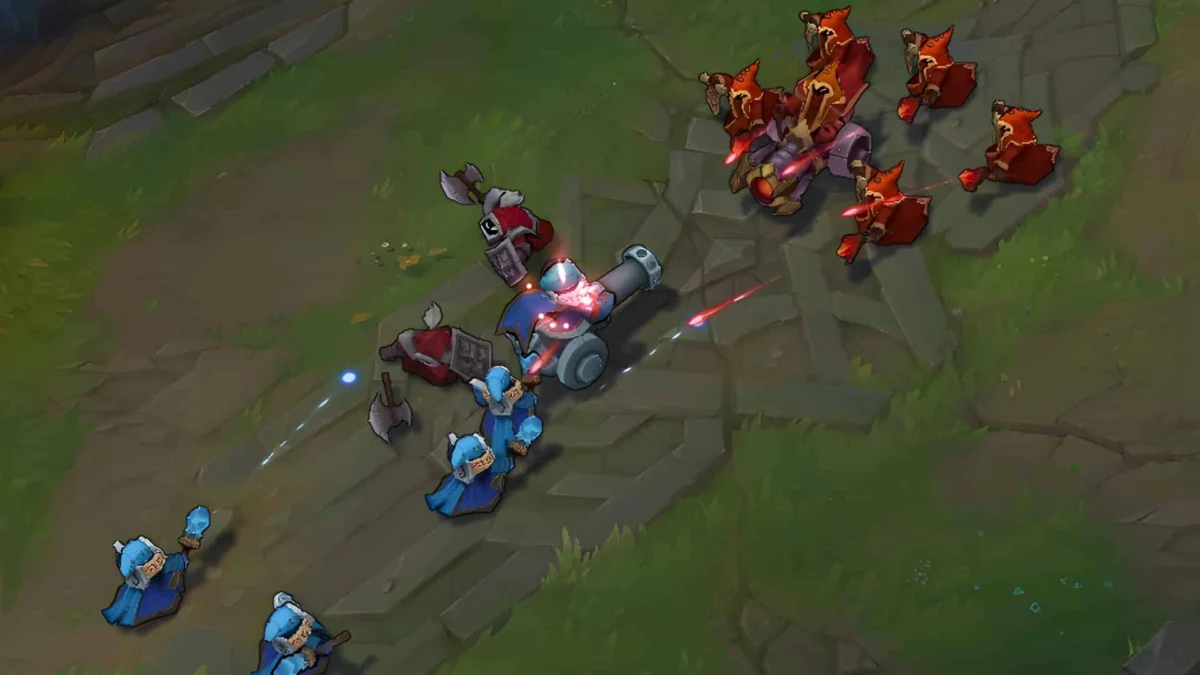
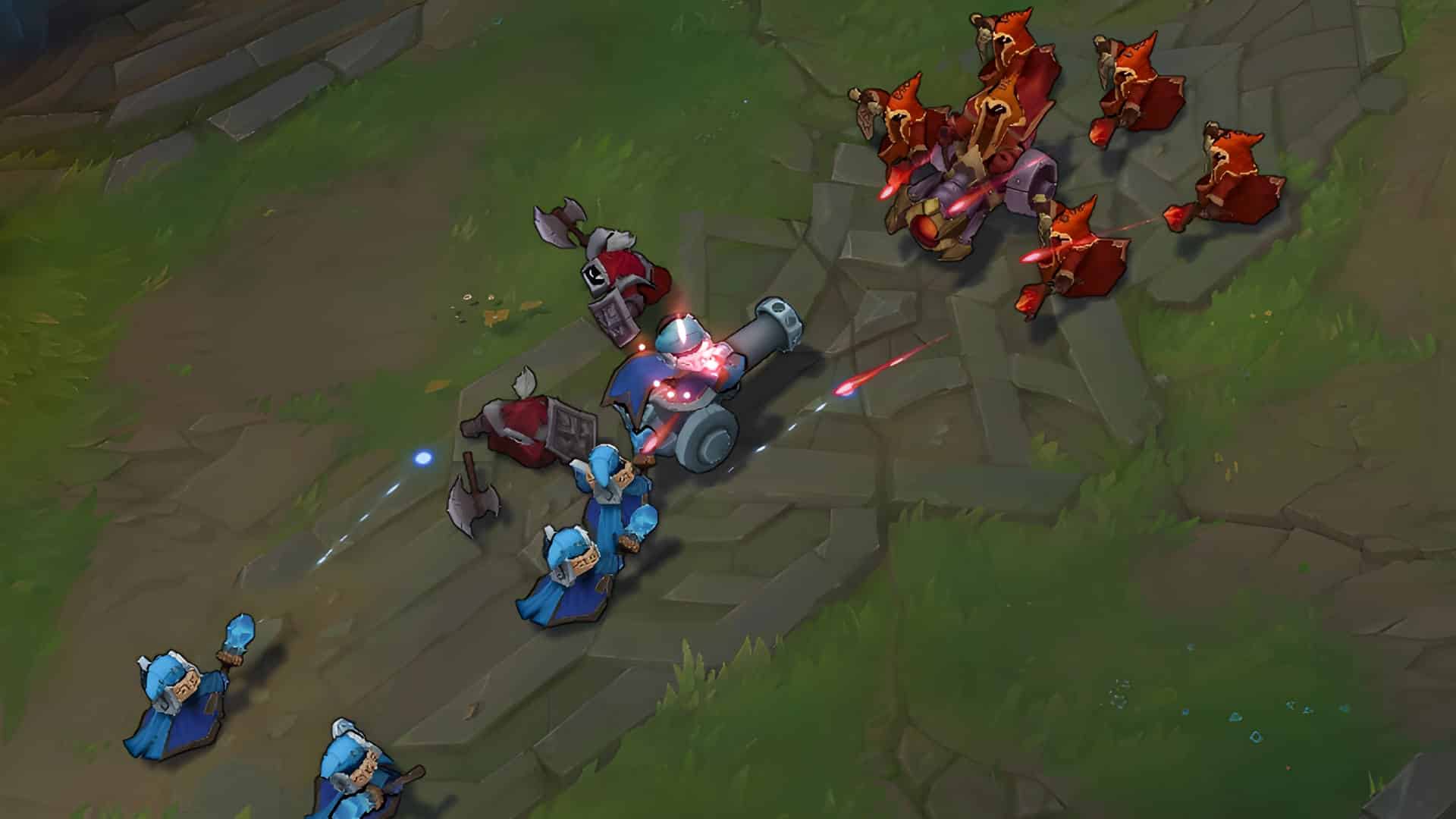
To understand the outcry, one must first understand the mechanic that was removed. In previous versions of League of Legends, savvy players could manipulate minion targeting by hitting enemy minions in a specific sequence. By drawing the aggro of middle-lane minions and "dragging" them, a player could force the entire wave to collide at a single, precise point.
This is not to be confused with the standard, well-known interaction where attacking an enemy champion causes nearby minions to switch targets to the player. That fundamental rule remains intact. Instead, the removed mechanic involved the manipulation of minion-on-minion targeting. By forcing a wave to move or cluster, a player could dictate exactly where a minion wave would die, creating optimal "freeze" points or, conversely, crash a wave into a tower with surgical precision.
This was not a glitch, but rather a granular interaction with the game’s pathing and targeting logic. It was a tool of extreme utility, particularly in the top lane, where wave management is often the deciding factor in who gains a gold lead or avoids a jungle gank.
Chronology of a Controversy
The discovery of this change was not initially highlighted in the flashy patch notes, but it was quickly flagged by high-elo players who rely on these micro-interactions.
- May 12, 2026: Patch 26.10 is deployed. Shortly thereafter, data miners and high-level top laners notice that minion AI is no longer responding to traditional "aggro-dragging" techniques.
- May 12, 2026 (Evening): Social media platforms, particularly X (formerly Twitter), begin to buzz. Professional players express confusion as to why such a niche, high-skill mechanic was removed without a more robust explanation.
- May 13, 2026 (Morning): The debate shifts from "how it works" to "who it hurts." With the professional season in the midst of its most important phase—Weeks 8 and 9—teams realize they have to recalibrate their laning strategies just days before critical playoff-seeding matches.
- May 13, 2026 (Afternoon): Public discourse reaches a fever pitch as prominent figures, including Gen.G CEO Arnold, criticize the timing and the necessity of the change, while Riot developers defend the move as a step toward reducing "esoteric" barriers to entry.
Why Top Laners Are in Upheaval
The impact of this change is felt most acutely in the top lane, a position famously referred to as "the island." In the top lane, the ability to manipulate the minion wave is the primary method of controlling the lane state.
Ranged top laners—often the subject of community frustration—were the primary beneficiaries of this mechanic. By using these targeting interactions, they could pull minions back, creating a "kill box" that allowed them to harass their opponent while remaining safely within range of their own tower. This effectively created a win-win scenario: the ranged player could pressure the enemy out of lane while simultaneously maintaining a safety net that prevented aggressive junglers from punishing their positioning.
Furthermore, champions like Rengar, who thrive on high-mobility, short-range trades, relied on these aggro shifts to maximize their effectiveness. By hopping between bushes and manipulating minion targeting, these players could ensure they were never in a position where the minions could retaliate, effectively "mitigating" damage through superior knowledge of the game’s code.
The Professional Perspective: A Question of Timing
The most stinging criticism leveled at Riot Games is not necessarily that the mechanic was removed, but when it was removed.
Arnold, CEO of Gen.G, was among the most vocal critics. In a statement posted to social media, he highlighted the absurdity of implementing such a fundamental change to lane dynamics in the middle of a competitive split. "Not a single pro team or player thinks having this change in the middle of the season is a good idea," Arnold wrote. "It’s not like this was even that big of a pain point for most players who can’t even last hit."
The sentiment among the professional community is that Riot Games has effectively changed the rules of the sport mid-game. For teams fighting for playoff spots, every minion wave matters. Forcing them to relearn the fundamental physics of the laning phase during the most high-pressure portion of the season could, in theory, alter the trajectory of the entire league.
The Developer Response: Accessibility vs. Depth
Riot Games’ stance, as voiced by game designer Drew Levin, is one of unwavering pragmatism. Levin’s response to the outcry was blunt, pointing out the irony of a player base that simultaneously demands a more approachable game and then lashes out when "esoteric" rules are removed.
"Players: ‘Riot should really care about making the game more approachable.’ Those same players: ‘Riot is killing their game by removing an esoteric minion targeting rule that 10,000 people worldwide understand,’" Levin tweeted on May 12.
This highlights the central tension in League of Legends development. On one hand, the game needs to be understandable for the millions of players who log on for a few casual games a week. On the other hand, the game’s longevity is fueled by its massive, highly competitive esports scene, where players dedicate thousands of hours to mastering these very "esoteric" interactions.
Supporting Data: Is it Really "Esoteric"?
Critics of the change argue that removing high-level techniques lowers the skill floor, making the game less rewarding for those who invest the time to master it. However, proponents of the change argue that if a mechanic is so complex that only a tiny percentage of the player base knows it exists, it is functionally a "hidden rule" rather than a skill-based mechanic.
Anecdotal evidence from various high-elo streamers suggests that even within the top 0.1% of players, knowledge of this specific minion-aggro interaction was far from universal. Many highly ranked players admitted on social media that they were unaware of the specific mechanics at play until they were removed. This suggests that the impact of the removal might be limited to a very small subset of professional and elite-level players, rather than the general population.
The Road Ahead: What This Means for the Meta
As we move into the final weeks of the season, the meta is likely to undergo a subtle but noticeable shift. Without the ability to manipulate waves with such precision, we may see:
- A Shift in Top Lane Dominance: Champions who relied on specific wave-control tricks to survive against stronger early-game opponents may find themselves forced into a more reactive playstyle.
- Increased Jungle Pressure: With the loss of certain defensive wave-management techniques, junglers may find it easier to gank top lane, potentially leading to a more aggressive, kill-heavy meta.
- Standardized Laning: If the "hidden" ways to manipulate waves are gone, the laning phase may become more predictable, potentially favoring champions with raw power over those who rely on mechanical finesse.
Ultimately, the removal of this minion-aggro rule serves as a microcosm of the larger debate surrounding League of Legends. Is the game’s depth defined by its quirks and secret interactions, or by its core strategic components?
While the professional community continues to protest, it is unlikely that Riot Games will walk back this decision. The developer’s commitment to "comprehensibility" appears to be the driving force behind this change. For the casual player, the game is now slightly more transparent. For the professional, the game has just become a little bit smaller.
Whether this change will ultimately benefit the long-term health of the game or alienate its most dedicated competitors remains to be seen. As the professional leagues continue through Week 8 and 9, all eyes will be on the top lane to see how these adjustments manifest in the most competitive environments on Earth.
If you are a player looking to adapt to these changes, or simply wish to see the full context of the adjustments, the complete patch notes for 26.10 remain available on the official League of Legends website. In the meantime, the community will continue to debate, adapt, and refine their strategies, as they have done since the game’s inception. Whether this is a "death of skill" or a "necessary simplification," one thing is certain: the lane state will never be the same.











No comments yet. Be the first to join the conversation!