


By [Your Name/Journalist Desk]
In a landmark legal standoff that could reshape the landscape of digital monetization, gaming giant Valve Corporation has mounted a vigorous defense against the New York Attorney General’s office. At the heart of the dispute is the controversial "loot box" system within Counter-Strike 2 (CS2), a feature that has generated billions in revenue for the company while simultaneously attracting the ire of consumer protection advocates and state regulators.
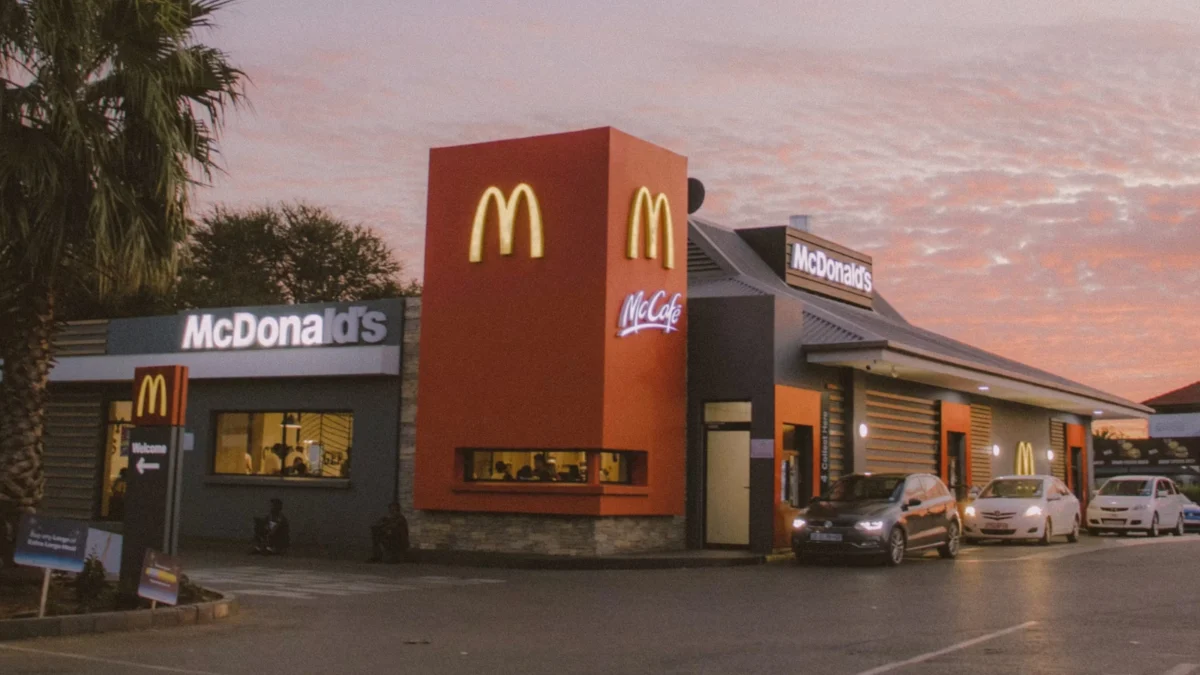
In a recent 42-page filing submitted to a New York court, Valve—the powerhouse behind the Steam platform—offered a provocative argument: if the court classifies their virtual weapon cases as illegal gambling, it must also move to ban iconic staples of American childhood, including McDonald’s Happy Meal toys, baseball card packs, and comic book store grab bags.
The Genesis of the Conflict: A State vs. A Titan
The legal pressure on Valve began in earnest earlier this year when New York Attorney General Letitia James initiated a lawsuit against the Bellevue-based developer. The core of the state’s argument is that Valve has been operating a sophisticated, unregulated gambling enterprise under the guise of video game cosmetics.
Attorney General James contends that the process of purchasing a digital key to unlock a Counter-Strike 2 weapon case is functionally identical to operating a slot machine. Players pay a set fee for a randomized digital reward, with the potential to receive items of varying rarity and market value. Because these items can be traded—and in many cases, sold on secondary markets—the state argues that Valve is facilitating gambling, specifically targeting a demographic that includes minors.
The Attorney General is seeking a significant judgment: the disgorgement of three times the profits Valve has generated from these loot boxes in New York, alongside a permanent injunction that would effectively ban the sale of these mystery cases within the state’s borders.
Chronology of the Escalating Legal Pressure
The 2026 lawsuit is not an isolated incident but rather the culmination of years of mounting scrutiny regarding the "skin economy."
- Pre-2024: The "skins" economy grows into a multi-billion-dollar industry, with third-party gambling sites frequently utilizing Steam API to facilitate betting on matches and outcomes using virtual items.
- January 2026: A separate legal blow lands as a £900 million ($1.1 billion USD) lawsuit regarding Valve’s Steam pricing policies clears a UK tribunal and is greenlit for a full trial.
- March 2026: A new lawsuit is filed against Valve, demanding the company return "billions" in revenue allegedly derived from predatory loot box practices.
- May 2026: Valve files its motion to dismiss the New York Attorney General’s suit, marking a shift toward an aggressive public defense that draws comparisons to common consumer goods.
Valve’s Defense: The "No Risk, No Gamble" Doctrine
In its recent motion to dismiss, Valve’s legal team meticulously dismantled the definition of "gambling" as it pertains to New York state law. Their defense rests on three pillars: the nature of the transaction, the definition of value, and the intent of the legislature.
1. The "Certainty of Return" Argument
Valve argues that in a traditional gambling scenario, a participant risks losing their stake entirely. In Counter-Strike 2, however, a player who purchases a case is guaranteed to receive a digital item. According to Valve, because every transaction results in a guaranteed delivery of goods, no money is "staked or risked" in the legal sense.
2. The Definition of "Value"
Valve insists that weapon skins are not "something of value" under gambling statutes. Crucially, the company notes that Valve does not officially convert these items into cash. While an active secondary market exists, Valve emphasizes that its own platform, the Steam Community Market, serves only to facilitate trades for other digital assets within the ecosystem, not to provide a cash-out mechanism. By separating the skin from fiat currency within their own infrastructure, they argue the "gambling" element is absent.
3. The "Happy Meal" Analogy
Perhaps the most striking element of the filing is the list of items Valve claims would be caught in the regulatory net if the AG’s logic were applied broadly. Valve rhetorically asked the court: "Can a child reach into a cereal box and grab a surprise toy?" By framing loot boxes alongside baseball cards, Labubu blind boxes, and McDonald’s Happy Meal toys, Valve is attempting to demonstrate that "randomized outcomes" are a standard, accepted feature of retail commerce, not a criminal act.

The Implications for the Gaming Industry
The outcome of this case carries massive implications for the future of digital monetization. If the court agrees with the Attorney General, the precedent could force a seismic shift in how games are developed and funded.
The "Freemium" Model at Risk
For over a decade, the "Games as a Service" (GaaS) model has relied heavily on randomized rewards to drive engagement and revenue. If loot boxes are classified as gambling, the entire industry could face strict age-gating, a requirement to display "odds" (which some games already do), or a complete pivot toward direct-purchase models, which are often less profitable.
Legislative Inaction as Consent?
A key part of Valve’s filing is the assertion that the legislature has had ample opportunity to regulate mystery boxes and has repeatedly chosen not to. Valve argues that it has acted in good faith, following the laws as written, and that it should not be held liable for an interpretation of the law that has not been explicitly codified by elected representatives. They suggest that if the public desires a ban on loot boxes, it should be the work of the legislature, not the judiciary.
Expert Analysis: Is there a distinction?
Legal scholars are divided on whether the court will accept the "Happy Meal" defense. Critics of Valve point out that while a Happy Meal toy is a static, low-value plastic trinket, Counter-Strike skins can—and often do—fetch thousands of dollars on the open market.
"The distinction lies in liquidity," notes one industry analyst. "A child cannot sell a plastic toy for $5,000 on a secondary platform. Counter-Strike skins possess a market value that is widely recognized and traded. Valve’s argument ignores the reality of the ecosystem they created, even if they aren’t the ones facilitating the cash-out."
Conversely, supporters of the company argue that punishing Valve for the actions of third-party secondary markets is a dangerous overreach. "If the court decides that any randomized item with potential market value is ‘gambling,’ the implications for everything from Magic: The Gathering cards to digital collectibles will be chaotic," the analyst added.
What Happens Next?
As the case moves forward, the court must decide whether the unique digital nature of Counter-Strike skins justifies a different legal standard than physical, randomized retail products.
The New York Attorney General’s office is expected to file a rebuttal to Valve’s motion in the coming weeks. For Valve, the stakes could not be higher. Beyond the potential for massive financial penalties and the loss of revenue from one of its most popular titles, a loss in this case would set a legal precedent that could embolden regulators in other states and countries, potentially leading to a global crackdown on the loot box economy.
For now, the digital halls of Counter-Strike 2 remain open, and the cases continue to drop. But as the legal system grinds toward a decision, the billion-dollar question remains: are these digital treasures merely harmless surprises, or are they the foundation of the world’s most accessible, unregulated casino?
The court’s eventual ruling will likely serve as the definitive answer, one that will echo through the boardrooms of every major gaming studio in the world. Until then, the "Happy Meal" defense stands as a testament to how far a tech giant is willing to go to defend a business model that has, for better or worse, defined the modern era of PC gaming.










No comments yet. Be the first to join the conversation!