Jia Lissa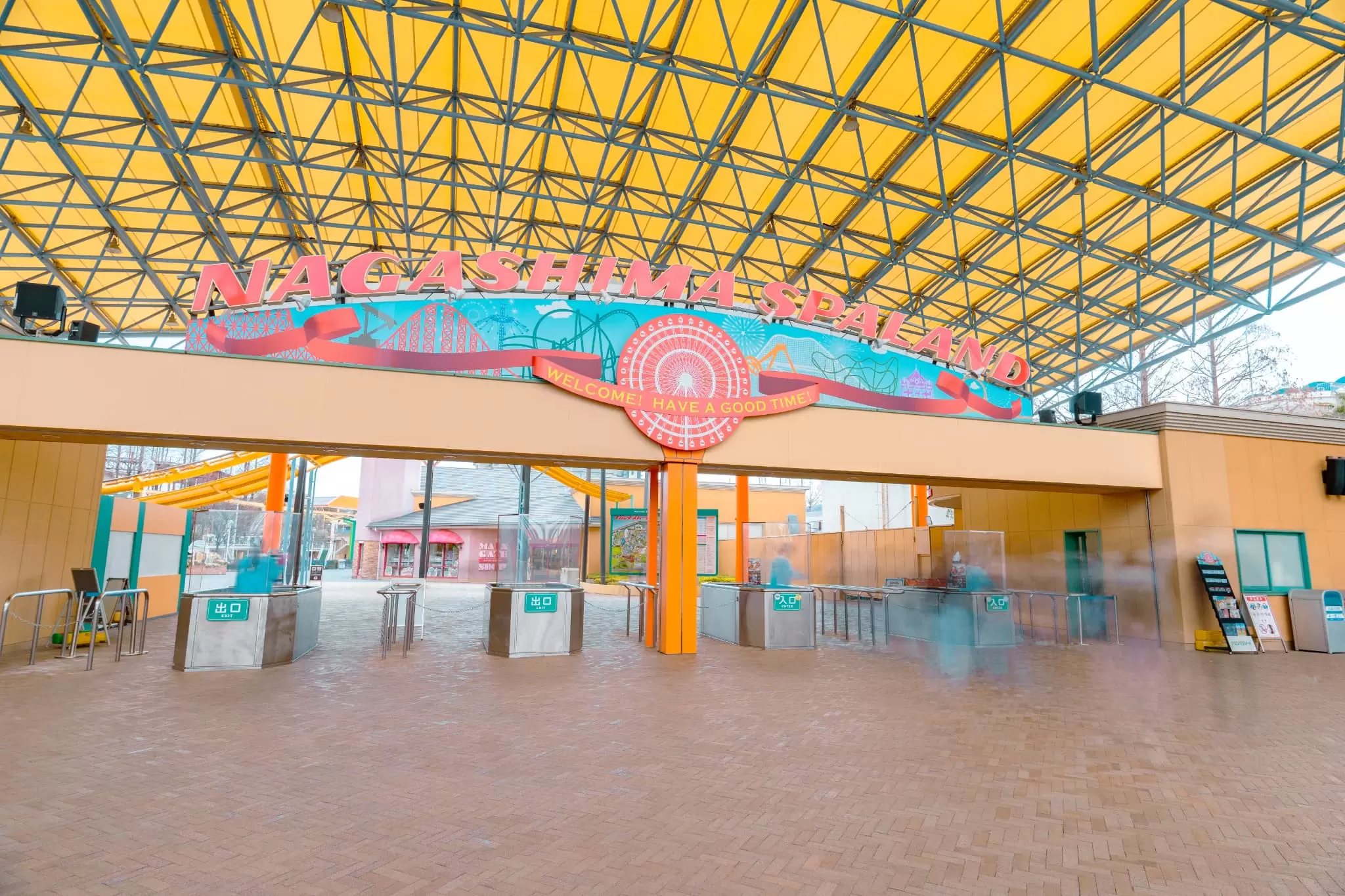
Nagashima Spa Land stands as a crown jewel of the Tokai region, a sprawling entertainment complex that seamlessly blends adrenaline-pumping thrills, high-end retail therapy, and the restorative tradition of Japanese onsen culture. Located just outside the city of Nagoya, this destination serves as a magnet for both domestic and international tourists. However, for those planning their 2026 itinerary, the most crucial decision is not what to do at the park, but how to get there. While train and car options exist, the direct highway bus from Nagoya Station remains the undisputed champion of efficiency.
The Geography of Leisure: Understanding the Nagashima Destination
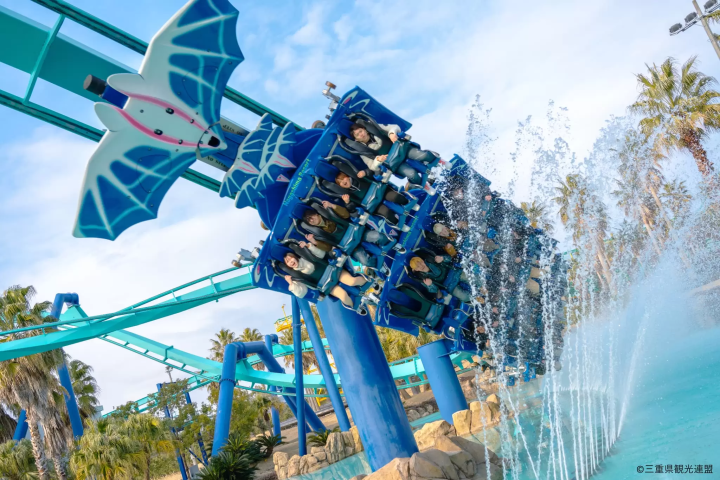
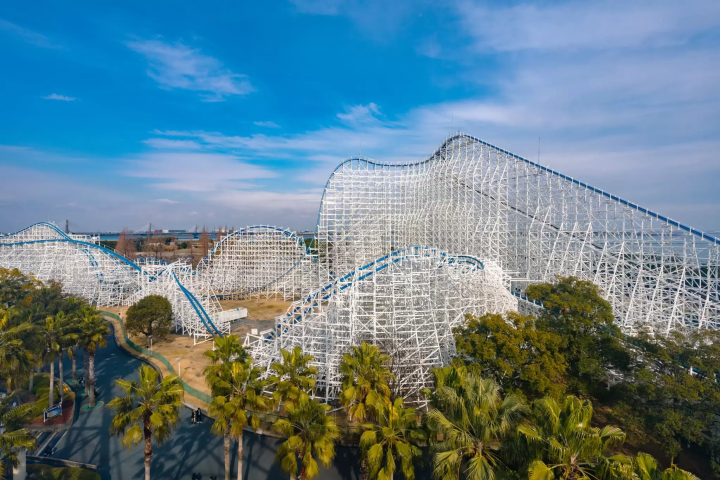
Nagashima Spa Land is more than just an amusement park. It is a comprehensive resort situated roughly 60 minutes from the heart of Nagoya. The complex is geographically diverse, housing world-class roller coasters—some of which hold international speed and height records—alongside the tranquil Yuami no Shima, one of the largest natural hot spring facilities in Japan.
Adjacent to the thrills and chills, visitors find the Mitsui Outlet Park Jazz Dream Nagashima, a massive open-air shopping mall that features an expansive array of luxury brands and domestic fashion labels. Given the sheer size of the area, the transition from Nagoya’s urban bustle to this leisure paradise is a vital part of the visitor experience.
Transportation Comparison: Why the Direct Bus Prevails
Travelers weighing their options often look at the convenience of the train versus the flexibility of a private vehicle. However, when analyzed against the logistical realities of the journey, the direct highway bus emerges as the most sophisticated solution.
The Train/Local Bus Paradox
While Kintetsu and JR lines offer reliable transit to the vicinity, they lack the seamless integration of a direct service. To reach the park via train, one must arrive at Kuwana Station and subsequently navigate a transfer to a local bus. For solo travelers with light backpacks, this might be manageable. However, for families, groups, or those carrying luggage, the "transfer hurdle" is a significant inconvenience that can mar the start of a vacation day.
The Myth of Driving Flexibility
The autonomy of a private car is often touted as an advantage, yet it ignores the reality of the Nagashima resort area’s traffic patterns. Weekends and national holidays in Japan see heavy congestion on the expressways leading to the park. Furthermore, the cost of parking and the stress of navigating complex, unfamiliar road systems can quickly negate the perceived freedom of driving.
The Direct Bus Advantage
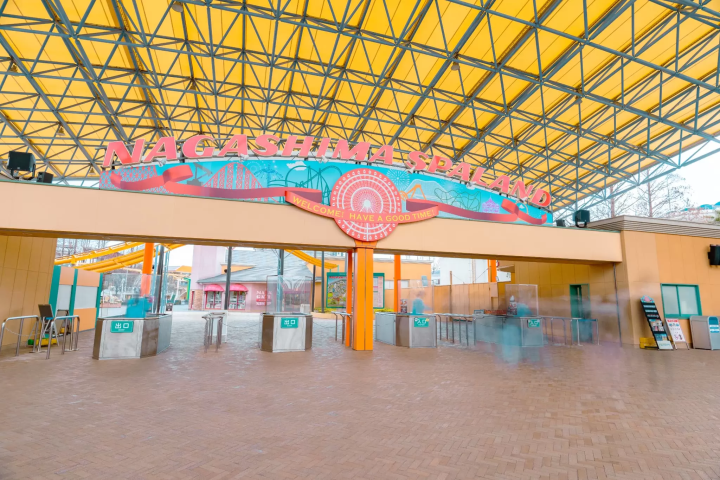
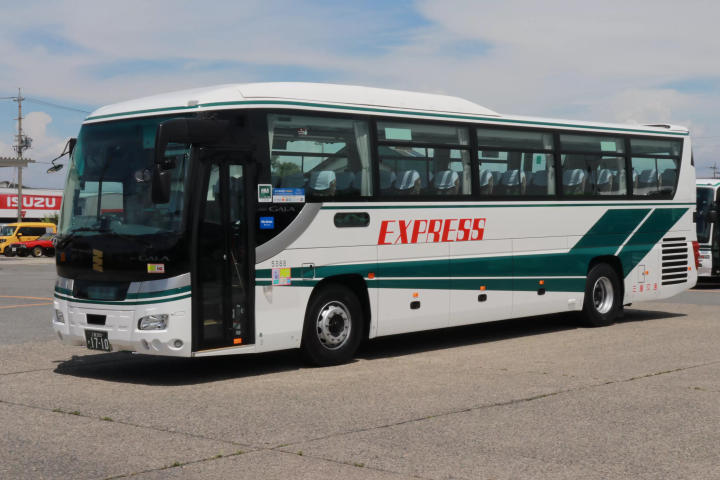
The express bus service from the Meitetsu Bus Center eliminates every pain point mentioned above. With a 50-minute travel time, no transfers, and a drop-off point located a mere three-minute walk from the park entrance, the bus service is optimized for the modern traveler.
A Chronological Guide to Your Journey
Planning your departure requires minimal effort, but understanding the timeline is key to a smooth experience.
- Arrival at Meitetsu Bus Center: Located directly connected to Nagoya Station, this transit hub is accessible via JR, Meitetsu, Kintetsu, and Subway lines. Visitors should aim to arrive at the station at least 20 minutes before their desired departure time.
- Locating the Gate: Once inside the terminal, head to the 4th floor. Your departure point is exclusively Bus Stop 22.
- Boarding Procedures: The service operates on a first-come, first-served basis. No advance reservations are required, which provides flexibility for travelers who prefer a spontaneous itinerary. Upon the bus’s arrival, queue in an orderly fashion following the guidance of terminal staff.
- The Transit Phase: The 50-minute journey is designed for comfort. Unlike regional trains that may become crowded during peak hours, the highway bus offers guaranteed seating. Should a bus reach capacity, the frequency of the service ensures that wait times for the next departure remain minimal.
- Arrival and Entry: Upon alighting at the Nagashima terminal, the park entrance is a short, flat, three-minute walk. This proximity is particularly beneficial for those returning to the bus after a long day of walking inside the park.
Supporting Data and Logistical Specifications
For the 2026 travel season, the transit infrastructure has been streamlined to accommodate international tourists.
Payment Flexibility
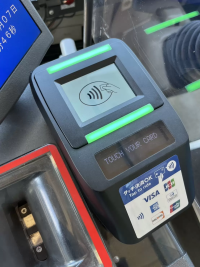
The service is fully modernized, accepting a variety of payment methods to cater to global travelers:
- Cash: Standard currency acceptance.
- IC Cards: Compatible with major Japanese transportation cards such as Suica, Pasmo, and ICOCA.
- Contactless Credit Cards: The bus is equipped with card readers at both the boarding and alighting doors. Notably, foreign-issued credit cards are supported, ensuring that visitors do not need to hunt for currency exchanges before boarding.
Luggage and Comfort
The buses are equipped with under-floor trunk compartments. This allows passengers to store large suitcases, ensuring that the seating area remains clear and comfortable.
Note: While storage is provided, passengers should be aware that excessive or oversized luggage may be subject to driver discretion. Packing light remains the recommended strategy.
Official Insights: The Resort Experience
According to representatives from the Mie Prefecture Tourism Federation, the resort is designed to be an "all-in-one" destination. The synergy between the three core attractions—the amusement park, the outlet mall, and the hot springs—is meant to provide a full-day experience.
The inclusion of the hot spring facility, Yuami no Shima, is a strategic feature that allows guests to end their day by soaking away the fatigue of travel and physical activity. By utilizing the direct bus, travelers avoid the exhaustion of public transit transfers, allowing them to remain energized for their evening plans.
Strategic Implications: Expanding Your Itinerary
The accessibility of the direct bus also opens up opportunities for secondary travel. Approximately 15 minutes away by bus or car lies Nabana no Sato, a park renowned for its seasonal floral displays.
During the winter months, Nabana no Sato hosts one of Japan’s most spectacular illumination displays. Travelers can easily integrate this into their Nagashima visit by alighting at the Nabana no Sato bus stop on the return journey (or the outbound, depending on the schedule). This makes the direct bus not just a transit solution, but a strategic tool for maximizing one’s time in the Mie Prefecture region.
Conclusion: A Stress-Free 2026 Strategy
The decision to travel from Nagoya to Nagashima Spa Land is a choice between complexity and convenience. By opting for the express bus from the Meitetsu Bus Center, travelers prioritize their time and comfort. The elimination of transfers, the ease of payment for international guests, and the proximity of the arrival point to the resort gates make this the gold standard for travel in 2026.
As you plan your next Japanese adventure, remember that the quality of your trip begins with the logistics. By choosing the most efficient route, you ensure that your energy is reserved for what truly matters: the thrill of the rides, the joy of the shopping, and the restorative peace of the hot springs. Whether you are a first-time visitor to the Tokai region or a seasoned traveler, the direct bus to Nagashima Spa Land remains your most reliable, stress-free path to one of Japan’s most exciting destinations.


 Neng Nana
 Asro
Asro