Reynand Wu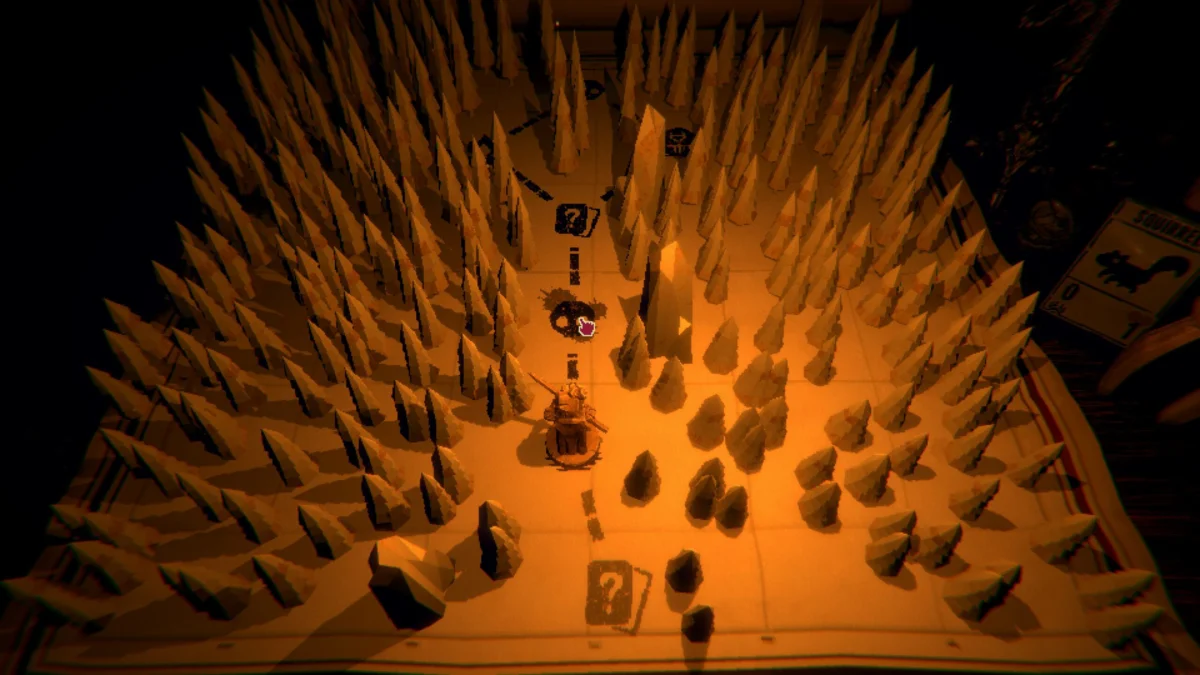
Developer: Daniel Mullins Games
Publisher: Devolver Digital
Platform: PC
Price: £16.79
It is an exceedingly rare phenomenon for a video game to seize a player’s attention before the main menu even fully loads. Inscryption, the latest mind-bending title from Daniel Mullins Games, does not merely capture your attention; it kidnaps it, traps it in a dimly lit, claustrophobic cabin, and forces it to play a game of life and death. Published by the genre-defying experts at Devolver Digital, Inscryption is a dark, atmospheric descent into a rabbit hole that blurs the lines between a traditional deck-builder and a piece of interactive, psychological horror.
Main Facts: A Game of Ritual and Risk
At its core, Inscryption presents itself as a roguelike deck-building card game. However, to categorize it simply as such is to ignore the sinister, meta-textual architecture that supports it. From the moment you launch the application, the game denies you the standard "New Game" option. You are already entrenched in the narrative; you are already a participant in a ritualistic contest of blood, bone, and sacrifice.
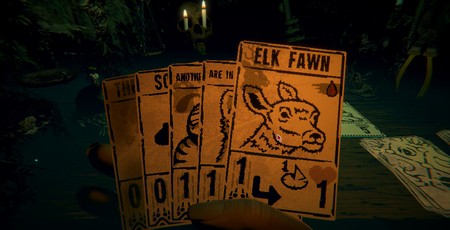
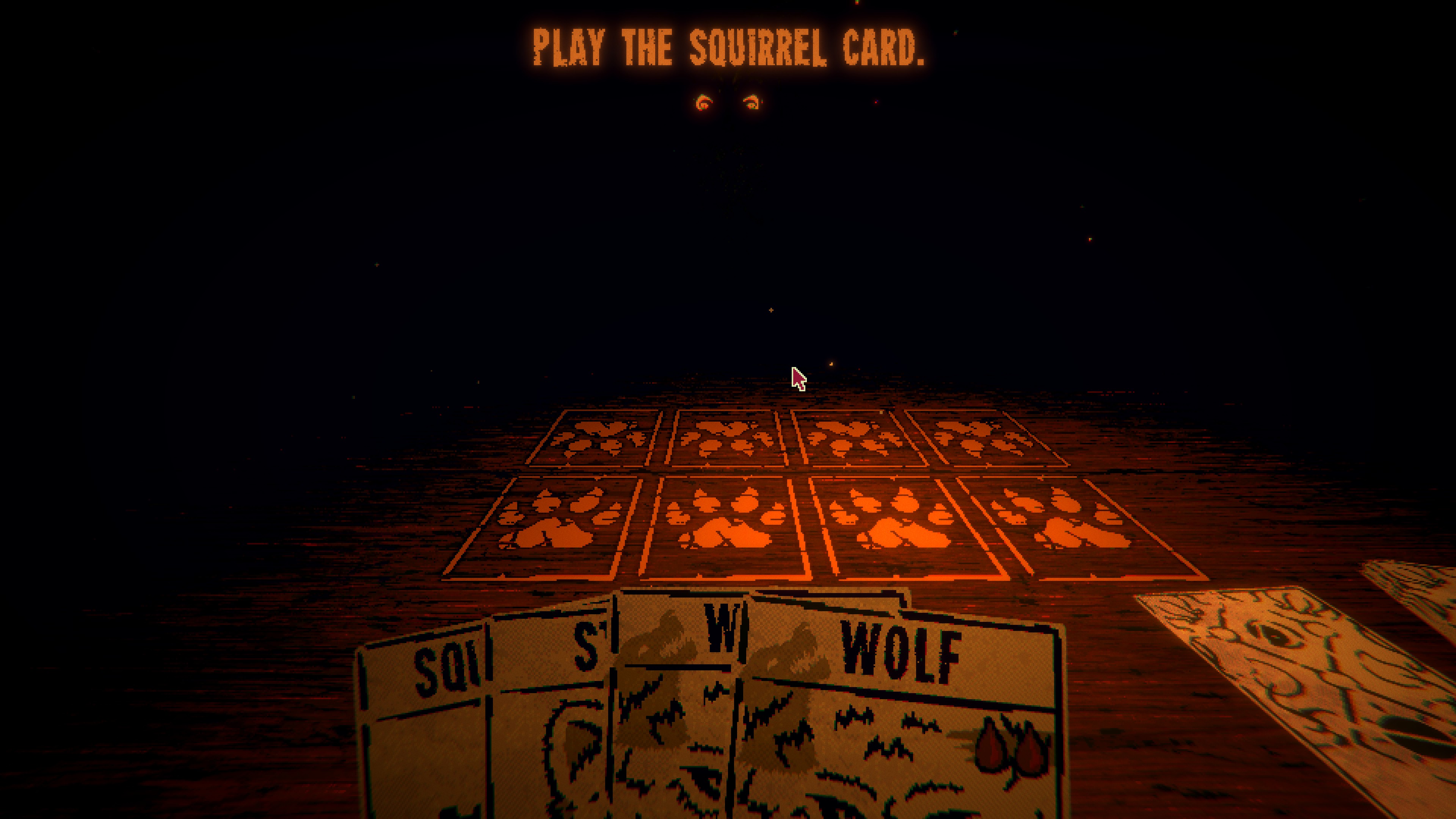
The premise is deceptively simple: you are seated across from a shadowy, malevolent figure whose voice resonates with a disturbing, mechanical buzz. Between you lies a game board. Your hand is filled with cards depicting woodland creatures—squirrels, stoats, wolves, and more—each possessing specific abilities. The objective is to tip the scales of fate in your favor. By sacrificing weaker cards (the humble squirrel) to summon more powerful ones (the wolf), you deal damage to your opponent. The damage is physically measured on a set of rusted scales; to win is to tip those scales beyond the threshold of your opponent’s endurance.
Chronology: The Descent into the Cabin
The gameplay loop of Inscryption is a slow, methodical tightening of a noose.
The Initial Encounter: Players begin their journey in a cramped, rustic shack. You are immediately confronted by the "Stoat," a card that, against all logic, speaks to you. It serves as your guide, mentor, and perhaps your only ally in this desolate space. The early rounds are instructional, teaching the player the weight of sacrifice. You learn that in this world, nothing is free. The blood required to play your stronger cards must be paid for with the lives of the creatures you summon.
Exploration and Environmental Puzzles: Unlike standard card games that confine you to a static menu or a flat board, Inscryption allows you to stand up. When not in the heat of a match, you are encouraged to explore the cabin. The environment is rendered in evocative, "crunchy" pixels that drip with atmosphere. You can fiddle with a locked safe, manipulate the hands of an ominous cuckoo clock, or consult a dusty rulebook that contains cryptic hints about your escape. These environmental puzzles are inextricably linked to the card game; discoveries made in the room often provide advantages on the board, and vice versa.
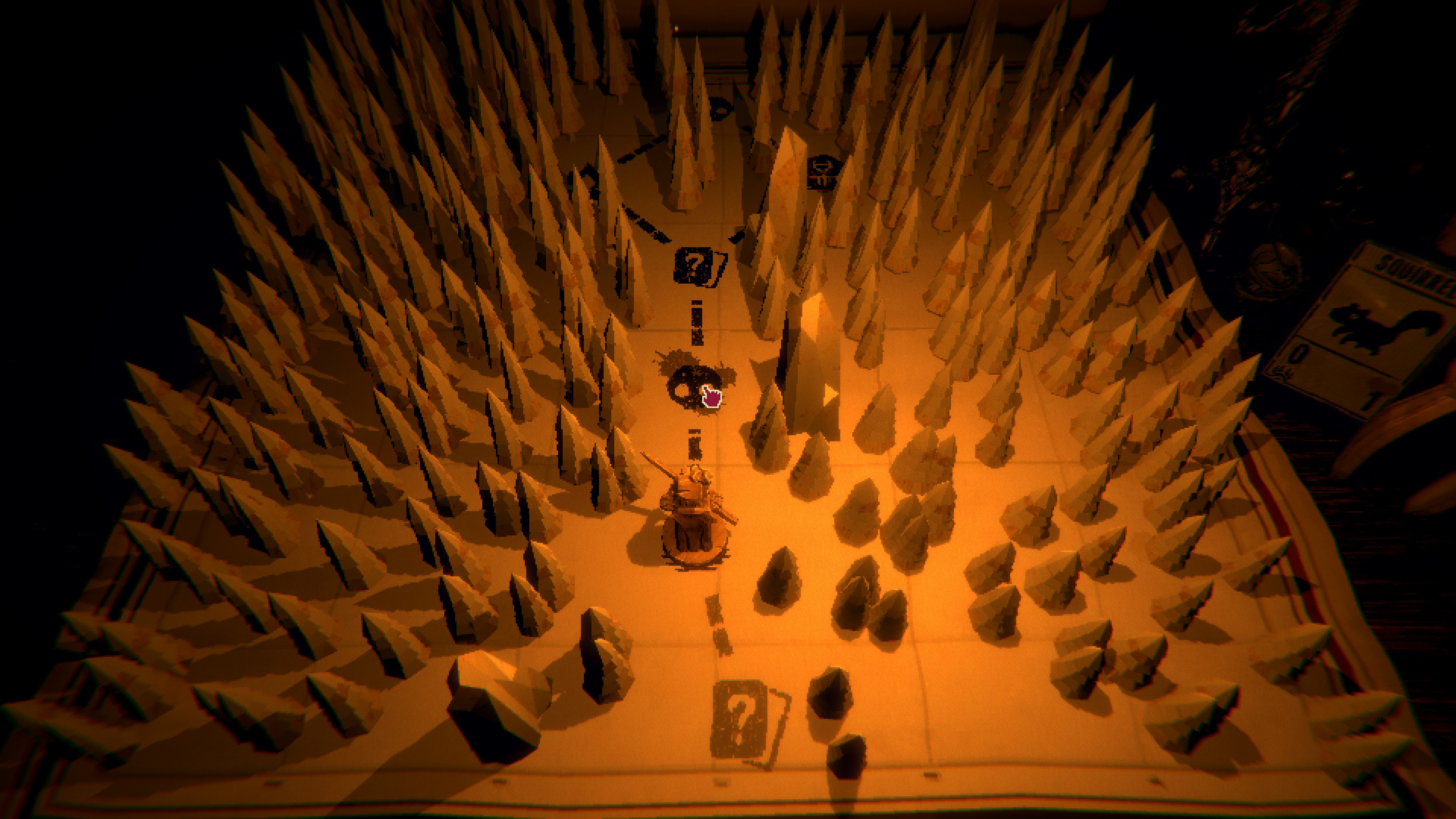
Progression and Escalation: As you navigate the branching paths of the game map, you encounter various "bosses"—entities with distinct, terrifying personalities, such as the Prospector, who can transmute your hard-earned deck into worthless gold. Each victory acts as a gateway to deeper, more complex mechanics. You will experiment with bone-based resources, navigate stone altars that permit you to merge the traits of two different animals, and interact with the mysterious Trader who deals in the skins of the creatures you have used.
Supporting Data: The Mechanics of Dread
The brilliance of Inscryption lies in its ability to scale in complexity without ever losing its oppressive tone. The mechanics are built on a system of synergy that feels almost dangerous to manipulate.
- The Sacrifice Mechanic: This is the heart of the game. It forces the player to view their deck not as a collection of heroes, but as a pool of disposable assets.
- The Environmental Synergy: The connection between the "in-game" card battles and the "out-of-game" cabin exploration creates a layer of immersion rarely seen in the genre. Players are not just playing cards; they are solving the mystery of their own imprisonment.
- Dynamic Deck Building: Whether utilizing the "Ant" cards—which gain power through numerical strength—or the "Adder"—which wields a venomous, one-hit-kill bite—the game rewards tactical experimentation. However, this power comes at a cost, often leading the player to realize that they are becoming just as ruthless as the entity sitting across from them.
Official Responses and Developer Intent
Daniel Mullins, the mastermind behind the project, has remained characteristically enigmatic regarding the game’s deeper lore. Devolver Digital has positioned Inscryption as a flagship title for their "indie-horror" portfolio, noting that the game was designed specifically to subvert player expectations.
In promotional materials, the developers have emphasized that Inscryption is a "love letter to the genre of horror-card games." While they have not provided a roadmap for the game’s meta-narrative, they have confirmed that the "glitches" and "anomalies" players encounter are intentional design choices. The goal, according to studio communications, was to create a game that felt like a "cursed artifact"—something that felt dangerous to keep installed on your machine.
Implications: A Shift in the Deck-Builder Genre
Inscryption represents a significant shift in how developers are approaching the roguelike deck-builder. By injecting a high-stakes, narrative-driven horror experience into a genre traditionally dominated by dry, mathematical optimization, Mullins has created a new benchmark.
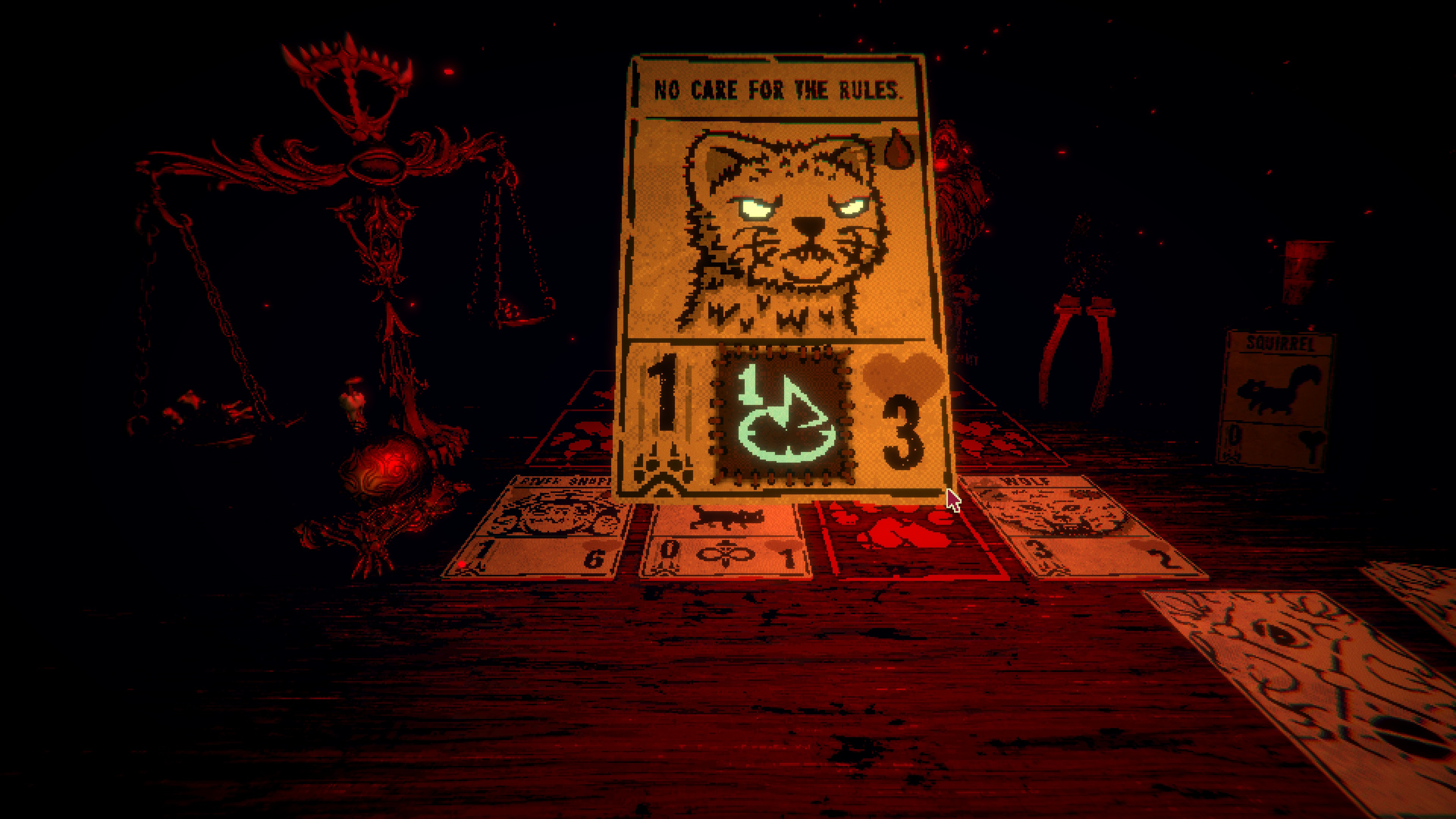
The "Meta" Factor: The game implies that the player is not just playing a game, but uncovering a haunted piece of software. This adds a layer of psychological tension that turns a standard gaming session into a performance. Players report a sense of genuine unease, often feeling as though the cards are watching them back.
The Danger of Over-Powering: One of the most interesting implications is the design of player agency. As the player uncovers more secrets and gains access to more powerful card combinations, they effectively become the most dangerous thing in the room. There is a point in the game where the player can create "broken" combos that trivialize the challenge. However, rather than viewing this as a balancing error, it serves the narrative; the game encourages you to become as monstrous as your captor.
Conclusion: Why You Should Sit Down
There is an addictive, almost hypnotic quality to Inscryption. It is a game that demands your full presence. You will find yourself returning to the table not just to win, but to satisfy a morbid curiosity. You will want to see what happens when you lose, and more importantly, you will want to see what happens when you win.
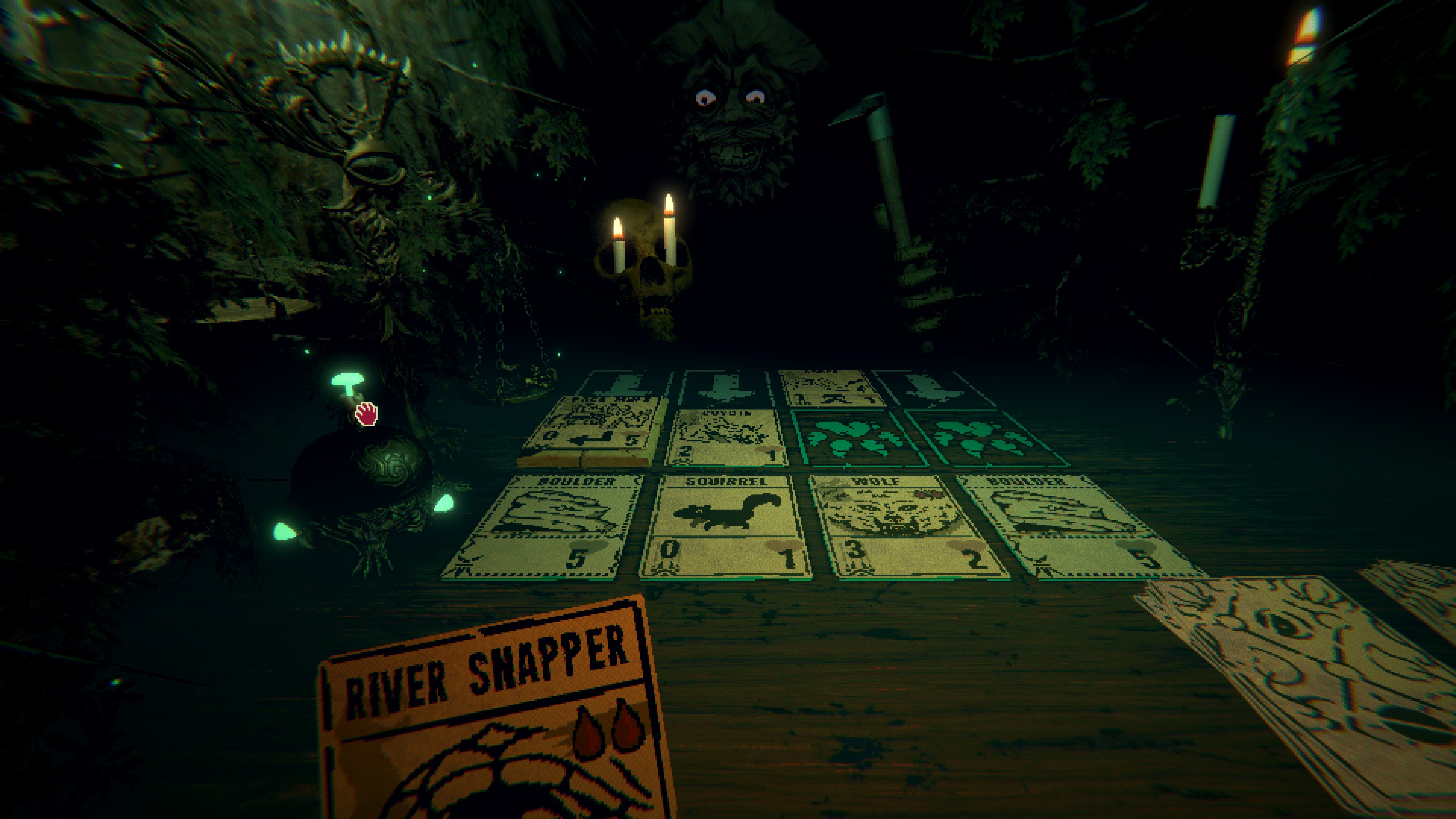
The atmosphere of the cabin, the tactile sensation of the cards, and the unsettling, buzzing voice of your opponent create a cohesive experience that is entirely unique in the current market. Whether you are a fan of traditional card games or a devotee of psychological horror, Inscryption offers something that most titles fail to deliver: a genuine sense of the unknown.
So, take your seat. Lean into the candlelight. The cards are already dealt, and the Stoat is waiting. There is no "New Game," and there is no escape—only the continued, rhythmic ticking of the cuckoo clock and the cold, dark thrill of the next hand. In the vast landscape of modern indie gaming, Inscryption stands as a rare, haunting monument to the power of immersive design. You will find nothing else quite like it, and perhaps, that is the most terrifying thing of all.

 Laily UPN
 Nana Muazin