

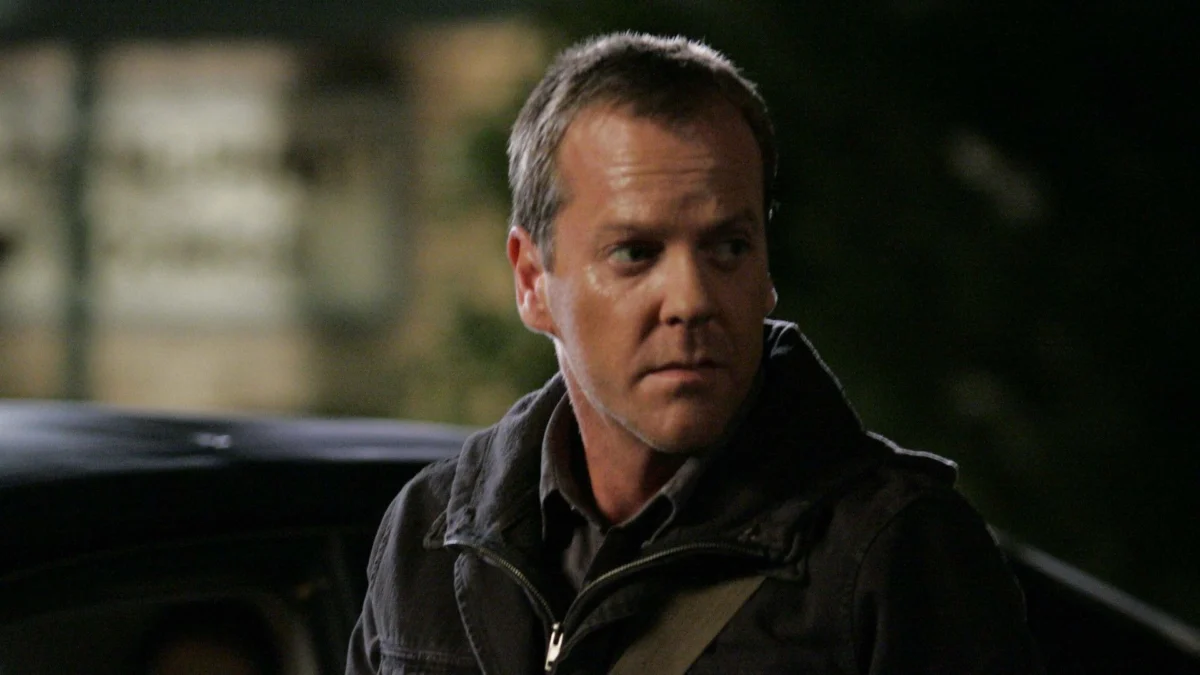
Few actors have defined an era of television quite like Kiefer Sutherland. Before his career-defining turn as Jack Bauer, Sutherland had already solidified his status as a Hollywood A-lister through iconic roles in films such as Stand by Me, The Lost Boys, A Few Good Men, and A Time to Kill. However, it was his transition to the small screen in 2001 that fundamentally altered the landscape of episodic storytelling. For nine grueling seasons and a subsequent television movie, audiences were held captive by Sutherland’s Emmy-winning portrayal of a man defined by relentless sacrifice, enduring blood, sweat, and tears to thwart a never-ending cycle of global terrorism.
While the entire run of 24 is often credited with ushering in the age of "binge-watching," there is one specific hour of television that stands above the rest. Airing on May 22, 2006, the season five finale—covering the early morning hours of 6:00 to 7:00 AM—remains a watershed moment in narrative television. Even two decades later, it is hailed as a masterclass in tension, subversion, and emotional devastation.
The Anatomy of a Perfect Finale: The Calm Before the Storm
Season five of 24 was, by all accounts, the show’s creative zenith. It was a season defined by the shocking deaths of beloved characters, including the assassination of David Palmer and the tragic passing of Michelle Dessler. The narrative was a relentless gauntlet that saw CTU (Counter Terrorist Unit) decimated by Sentox nerve gas, the apparent death of fan-favorite Tony Almeida at the hands of the duplicitous Christopher Henderson, and the gut-wrenching revelation that the President of the United States, Charles Logan, was the architect behind the season’s harrowing conspiracy.
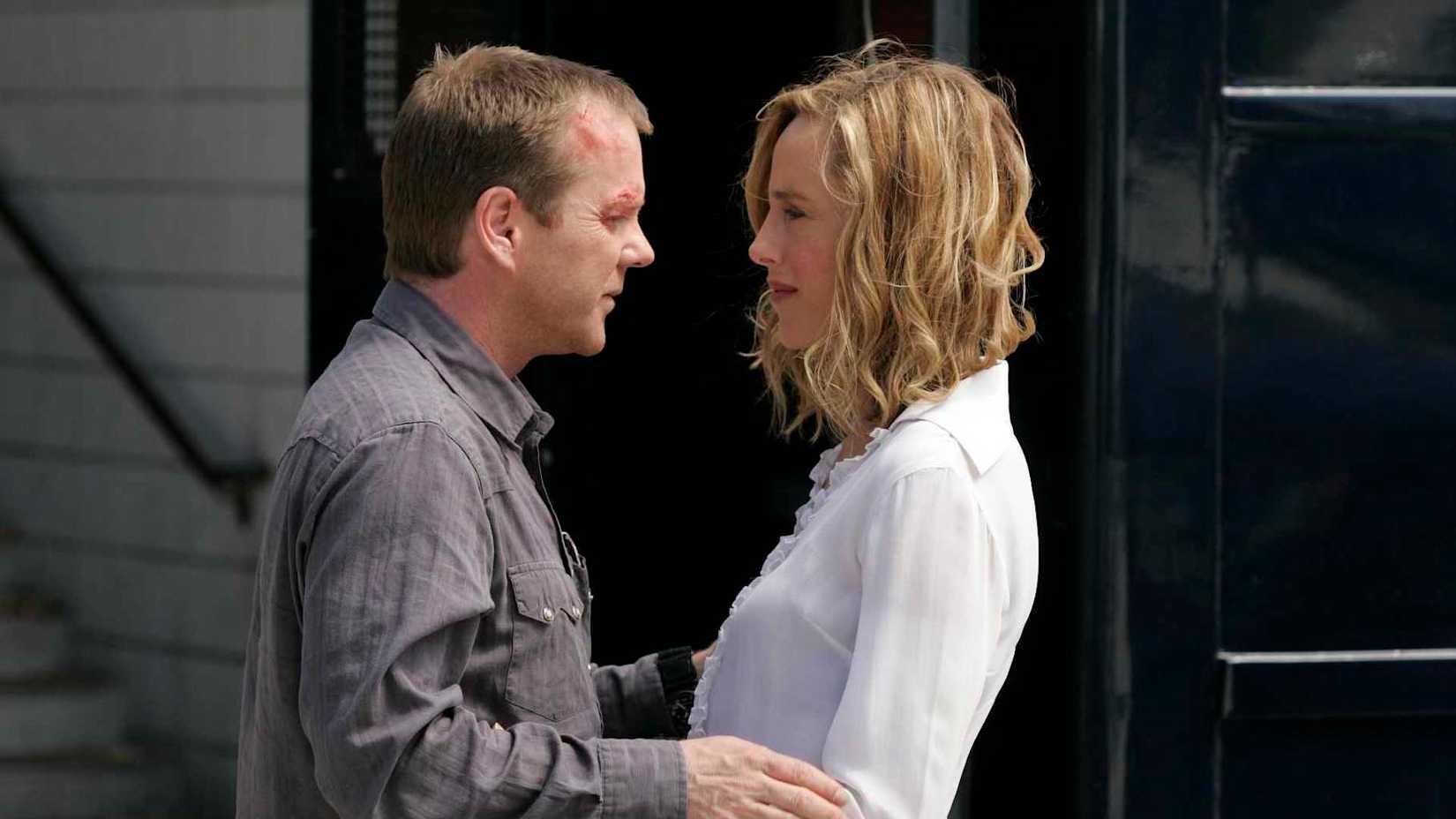
As the final minutes of the season approached, the audience was primed for a sense of catharsis. The conspirators had been brought to justice, and the immediate threat to national security had been neutralized. For a character as tortured as Jack Bauer, a man who had lost his wife, his sense of normalcy, and his peace of mind, the prospect of a quiet moment with Audrey Raines felt like a deserved reward. For a brief, shining moment, the "happy ending" seemed tangible.
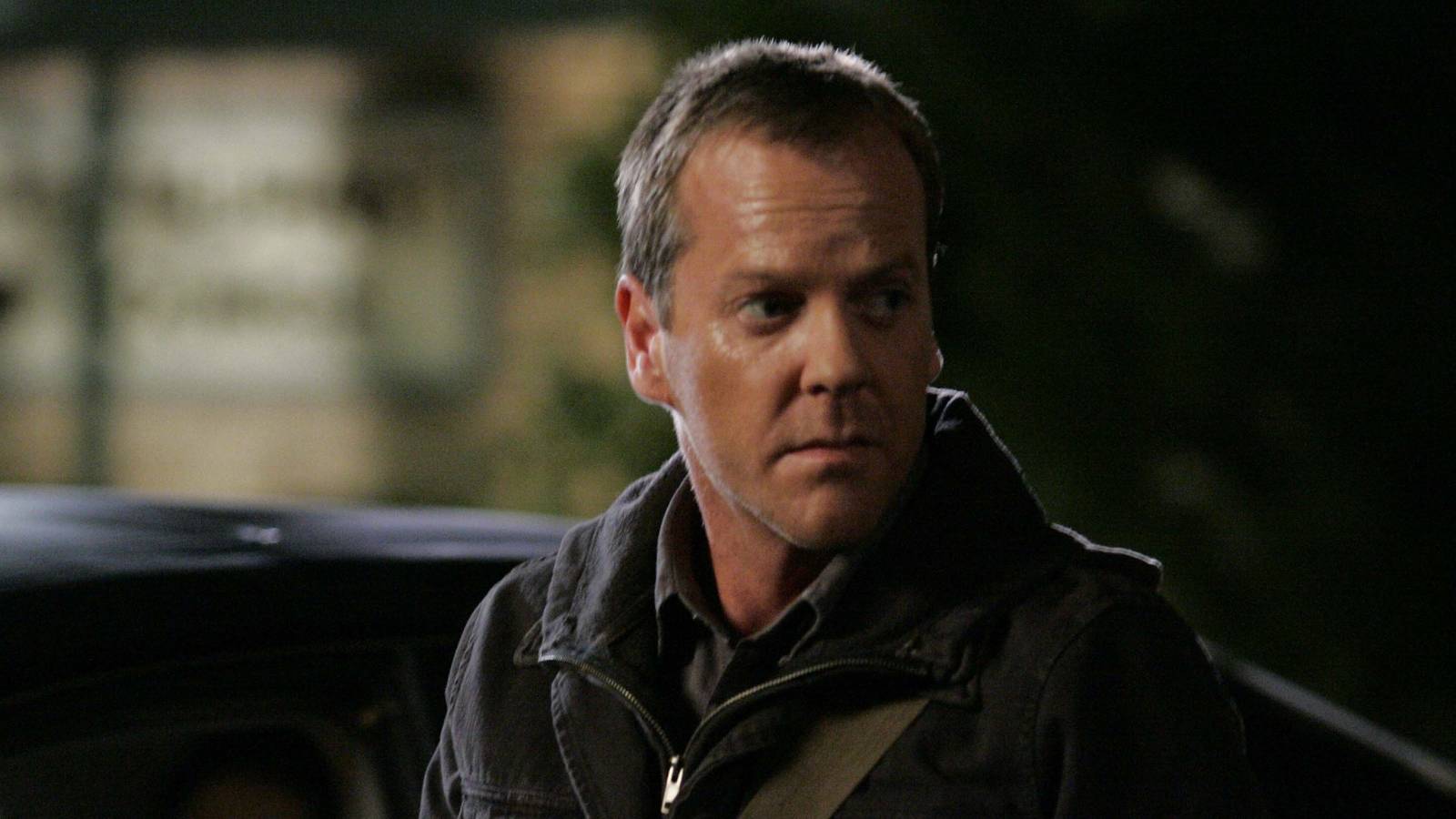
However, 24 was never a show about happy endings; it was a show about the high cost of heroism. The finale flipped the script in the final minutes, proving that for Jack Bauer, the mission is never truly over.
Chronology of a Crisis: The Betrayal
The brilliance of the season five finale lies in its pacing. It lures the viewer into a false sense of security before pulling the rug out from under them with surgical precision. After the dust settled on the political conspiracy, Jack received a phone call—purportedly from his daughter, Kim—only to be ambushed by Chinese operatives.
The reveal was swift and devastating: the Chinese government, having learned that Jack had faked his own death at the end of the previous season, had dispatched Cheng Zhi to apprehend him. The mission was not to kill him, but to take him to China to answer for his role in the accidental death of the Chinese consul during a high-stakes operation in season four. The transition from the high of victory to the low of abduction was instantaneous, leaving viewers with one of the most haunting final images in television history: Jack, beaten and bound, being dragged onto a ship headed for an uncertain, likely fatal, future.
Supporting Data: A Ripple Effect Through the Series
The kidnapping of Jack Bauer was not merely a shock tactic; it was a narrative engine that fueled the show’s trajectory for years to come. Unlike many cliffhangers that are resolved in the first ten minutes of the following season, the consequences of Jack’s abduction were profound and lasting.
The 20-Month Ordeal
When the series picked up in season six, the audience learned that Jack had endured 20 months of brutal torture at the hands of his Chinese captors. He never broke; he never betrayed his country. His eventual release was only secured through a cynical geopolitical trade, with the U.S. government handing him over to the terrorist Abu Fayed. This established a new, darker baseline for the character—a man who had been pushed to the absolute brink of human endurance.
The Collateral Damage of Audrey Raines
The repercussions were not limited to Jack. Audrey Raines, his romantic anchor, was arguably the biggest victim of the fallout. Her attempt to locate Jack in China resulted in her own capture and torture, an act intended to break Jack’s resolve. When she returned in season six, she was catatonic—a shell of the woman she had once been. The tragedy of their relationship, hindered by the interference of her father, James Heller, became the emotional core of the show’s later years.
The Return of the Antagonist
The shadow of the season five finale stretched all the way to 24: Live Another Day (2014). The return of both Cheng Zhi and Audrey Raines served as a thematic bookend to the series. When Cheng orchestrated Audrey’s death as part of his final revenge mission against Jack, it forced a confrontation that culminated in one of the most brutal and cathartic moments of the entire series: Jack beheading his lifelong nemesis. This act of vengeance was the direct result of the seeds planted during that fateful hour in 2006.
Official Responses and Critical Legacy
At the time of its airing, the finale was met with near-universal critical acclaim. Reviewers lauded the writing team, led by showrunner Robert Cochran and creator Joel Surnow, for their ability to maintain the show’s signature intensity while delivering a character-focused emotional punch.

The industry recognized the show’s impact, with 24 consistently winning and being nominated for major awards throughout its tenure. The "silent clock" that followed the deaths of characters like Edgar Stiles became a cultural touchstone, but the "silent clock" at the end of season five was different—it was a somber realization that the hero of the story had finally lost the battle against the forces he had spent his life fighting.
In retrospective analysis, media critics often cite this finale as the moment 24 transitioned from a standard action-thriller to a modern Greek tragedy. It solidified the idea that Jack Bauer was a Sisyphus-like figure, perpetually rolling the boulder of global stability up a mountain only to have it crushed by the weight of international politics and personal vengeance.
Implications for Modern Television
The impact of the 24 season five finale on the television landscape cannot be overstated. It set a precedent for the "event finale," proving that a serialized drama could use its final episode to fundamentally shift the status quo rather than just tying up loose ends.
Today, streaming services like Hulu host the entire series, allowing new generations of viewers to experience the relentless tension of the "real-time" format. The fact that the series still holds up nearly 24 years after its inception is a testament to the quality of its writing, the commitment of its production team, and the raw, visceral power of Sutherland’s performance.
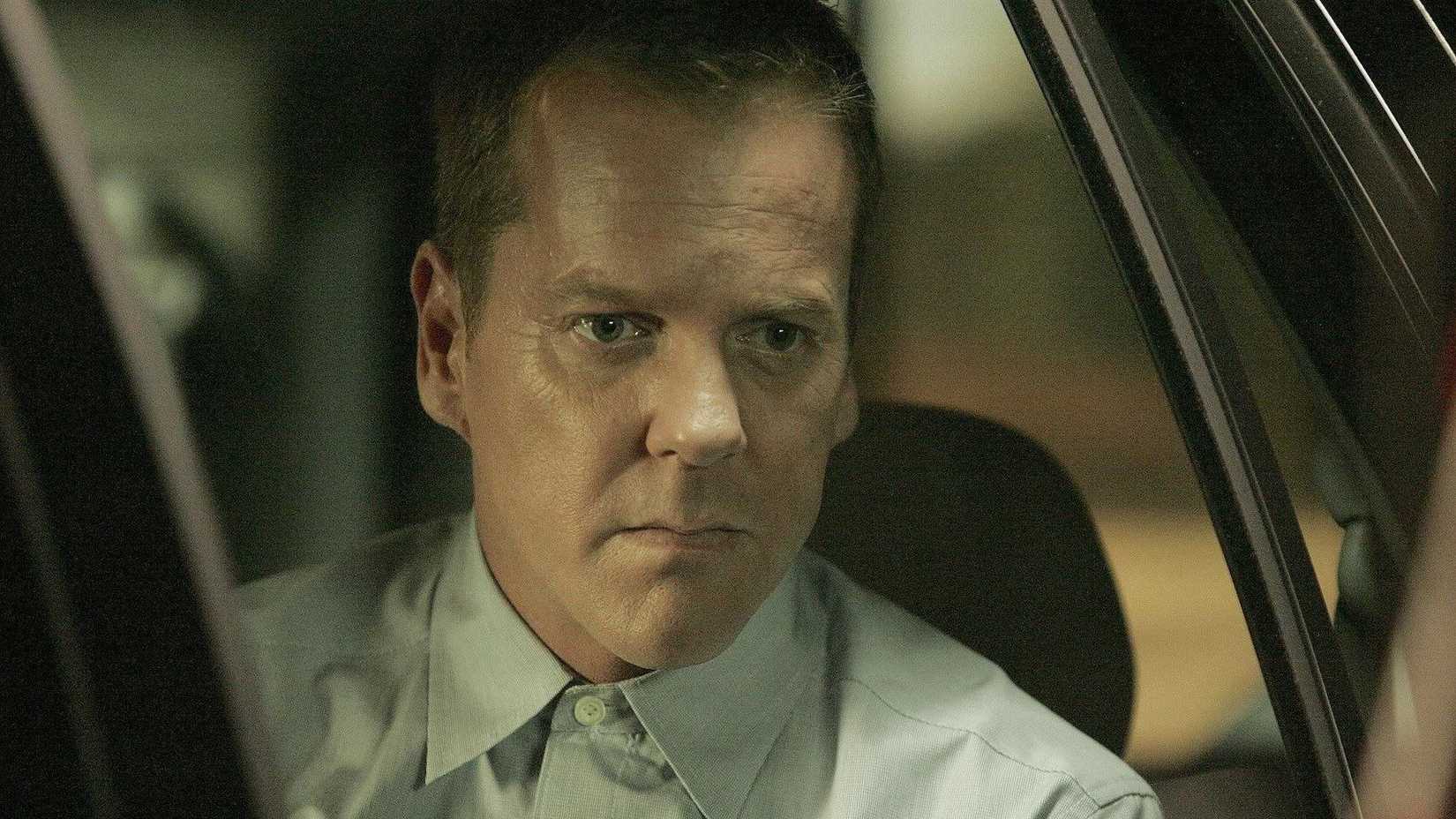
When we look back at the history of prestige television, the season five finale of 24 stands as a pillar of the medium. It serves as a reminder that the most compelling stories are not those that end in comfort, but those that challenge our expectations of the hero’s journey. By refusing to give Jack Bauer a peaceful conclusion, the writers ensured that his struggle would remain etched in the cultural consciousness, a permanent mark of excellence in the history of the small screen.
As we continue to consume television in an era of rapid-fire releases and short-lived trends, the enduring legacy of 24 reminds us of the power of a well-told story, the importance of character stakes, and the timeless appeal of a hero who, even when all hope is lost, never stops fighting.











No comments yet. Be the first to join the conversation!