Lina Hope
The Xbox 360 is widely remembered as a titan of the seventh console generation. It revolutionized online multiplayer via Xbox Live, defined the modern first-person shooter with Halo and Gears of War, and served as the primary battleground for the Western gaming renaissance. However, for fans of the Japanese Role-Playing Game (JRPG), the console’s legacy is significantly more complicated. While Microsoft made a concerted, multi-million dollar effort to court Japanese developers in a bid to capture the Eastern market, the resulting library became a collection of ambitious experiments, technical oddities, and—occasionally—some of the most polarizing experiences in the genre’s history.
For many, the 360 was not a "JRPG machine" in the way the PlayStation 2 or even the PlayStation 4 were. It was a frontier where developers were forced to adapt to hardware constraints and a Western-leaning audience, often with results that were as fascinating as they were flawed.
The Chronology of an Ambitions Expansion
When the Xbox 360 launched in 2005, Microsoft knew that to truly compete globally, they needed to bridge the gap between their Western-centric brand and the JRPG-loving Japanese audience. Throughout 2006 to 2009, Microsoft funded a flurry of exclusives, partnering with industry legends like Hironobu Sakaguchi (the creator of Final Fantasy) and studios like Mistwalker and Tri-Ace.
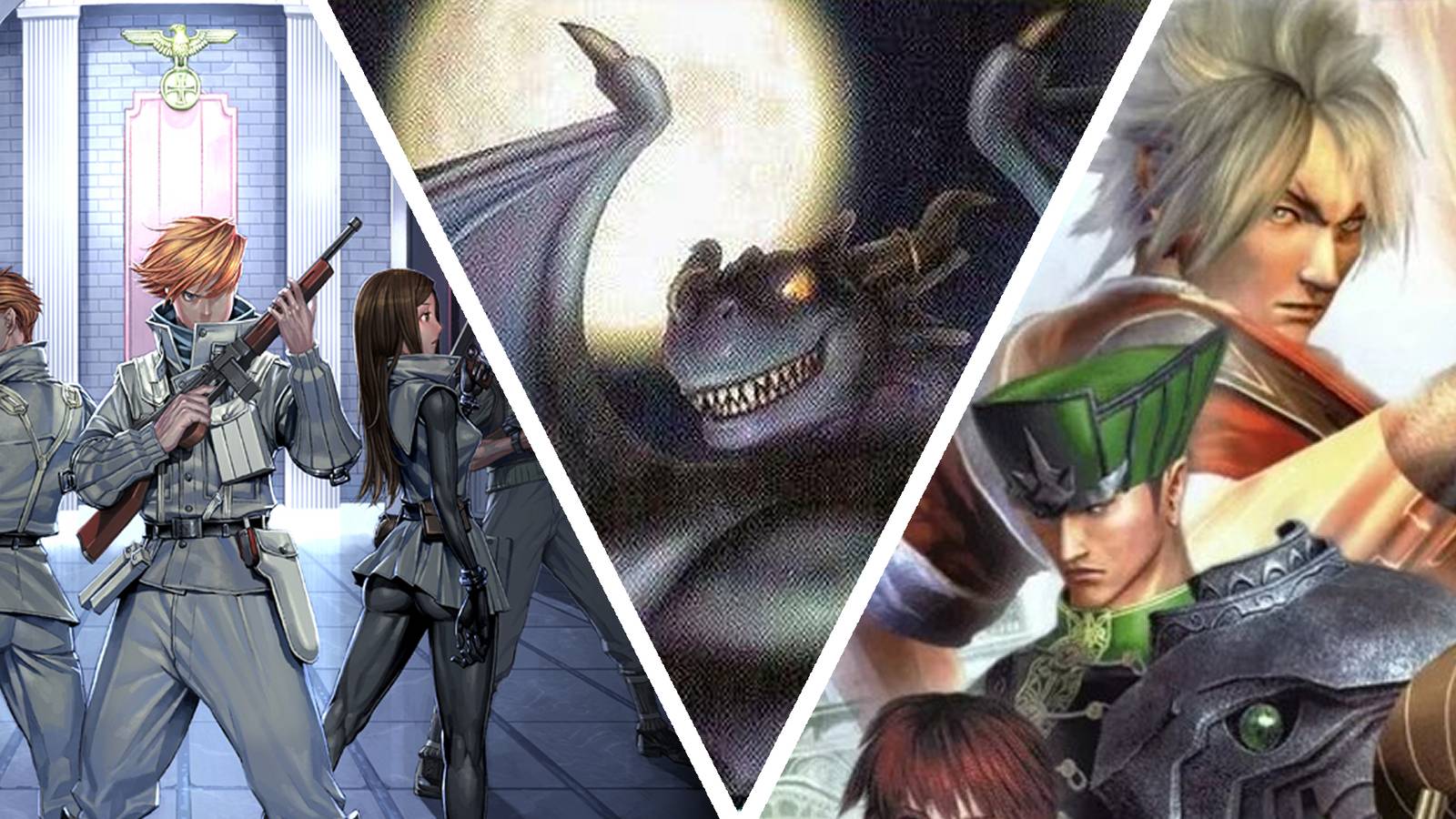
The era began with high hopes—titles like Blue Dragon and Lost Odyssey were meant to be the console’s answer to Final Fantasy. Yet, as the years progressed, the output shifted toward smaller, niche experiments like Operation Darkness and Spectral Force 3. By 2010, the "JRPG push" had largely sputtered, leaving behind a legacy of titles that are now viewed as cult classics at best, or historical cautionary tales at worst.
The Seven Faces of the 360’s JRPG Experiment
To understand the era, we must look at the specific titles that defined this period. Each serves as a case study in the struggle to balance high-concept design with the technical limitations of the mid-2000s.
7. Spectral Force 3: Innocent Rage
Released in 2008, Spectral Force 3 is a time capsule of an era when anime aesthetics were still finding their footing in Western console markets. Developed by Idea Factory, the game attempted to bring a strategy-heavy JRPG experience to the 360.

The Verdict: It is a game that thrives on its own absurdity. With ham-fisted voice acting and an over-the-top narrative, it functions as a "so bad it’s good" experience. While the strategic combat holds some merit for the patient, it lacks the polish required to transcend its niche origins. It serves as a reminder that not every "Fire Emblem-adjacent" experiment hit the mark.
6. Infinite Undiscovery
Tri-Ace, a studio renowned for their work on Star Ocean, brought Infinite Undiscovery to the 360 as a major exclusive. The game was built on a bold premise: real-time, permanent environmental changes and high-stakes decision-making.
The Verdict: The game is remembered more for its technical friction than its innovation. The crafting systems are notoriously punishing, and the game’s pacing is frequently interrupted by grinding. While it remains a cult favorite for those who appreciate its ambition, the execution was, quite literally, "undiscovered" by the broader market due to its inconsistent design.
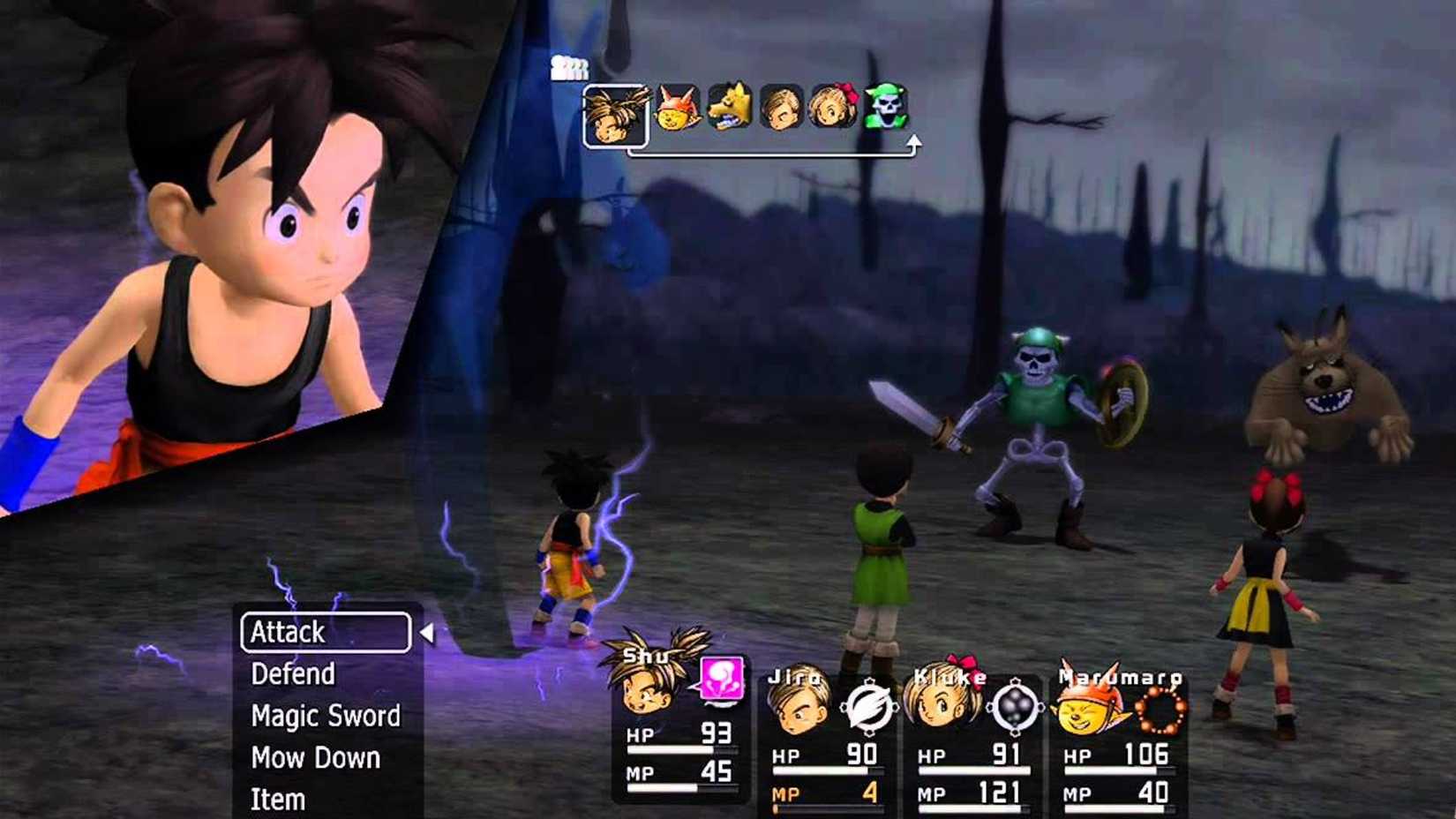
5. Blue Dragon
Blue Dragon remains one of the most confusing exclusives in the console’s history. Featuring art by the legendary Akira Toriyama, the game had the pedigree of a masterpiece.
The Verdict: Despite the visual charm, the game suffered from a thin narrative that failed to justify its three-disc structure. Furthermore, the performance issues on the 360 hardware were inexcusable, often leading to a stuttering experience that dampened the joy of its turn-based combat. Many players recall the game for a different reason entirely: technical instability, including rampant save-data corruption and the dreaded Red Ring of Death (RROD) occurrences that seemed to follow its players.
4. Operation Darkness
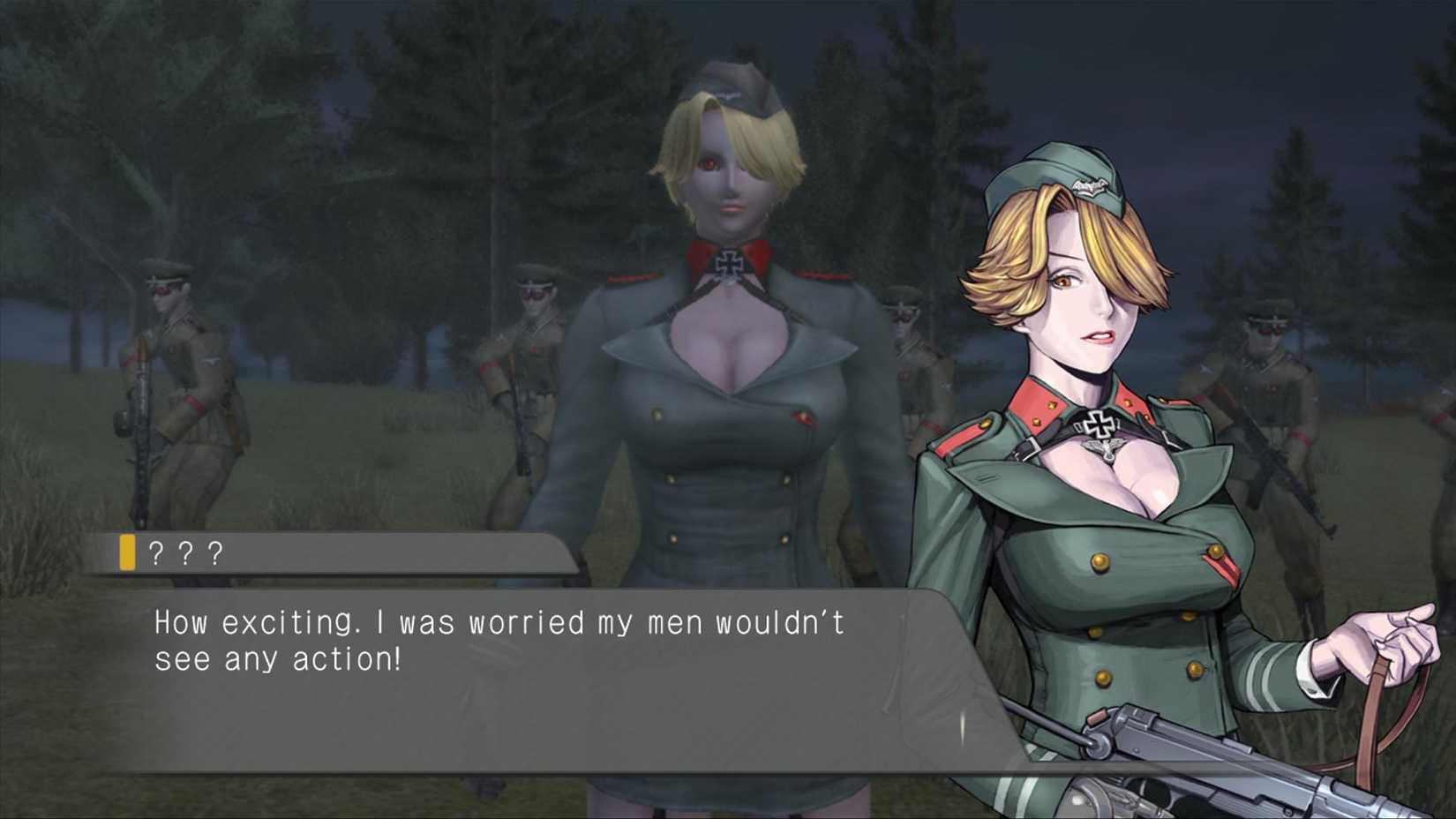
If you were to ask a designer to combine a tactical JRPG with the grit of World War II, the result would likely be Operation Darkness.
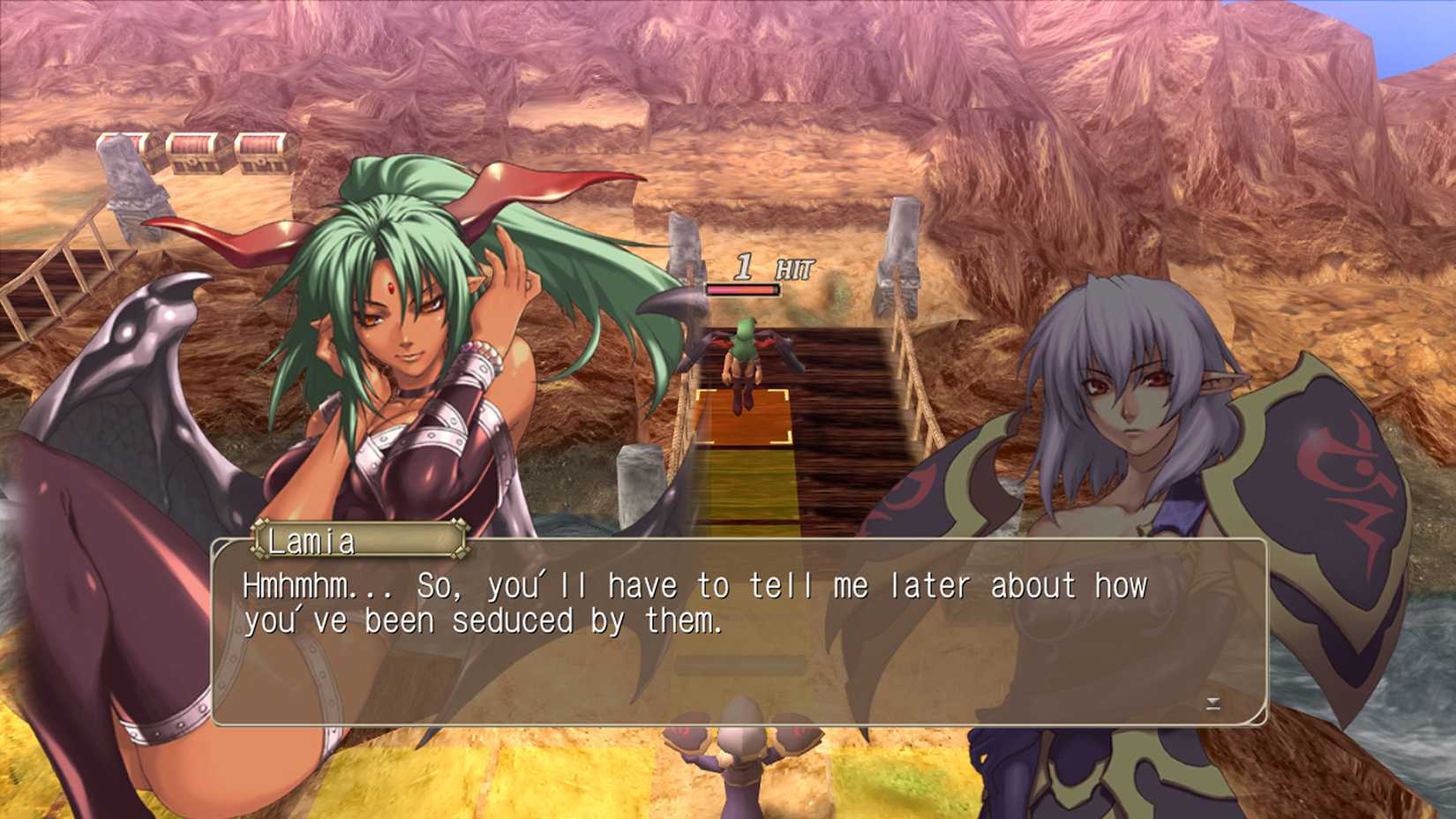
The Verdict: The concept—Nazis utilizing vampires and werewolves—is undeniably cool. However, the game is hampered by a camera that feels actively hostile to the player. It is a title that demands extreme forgiveness, as it obscures vital mechanics like permadeath and relies on a difficulty curve that can only be described as a brick wall. It is a game that only truly opens up after hours of frustration, a barrier to entry that few players in 2007 were willing to pay.
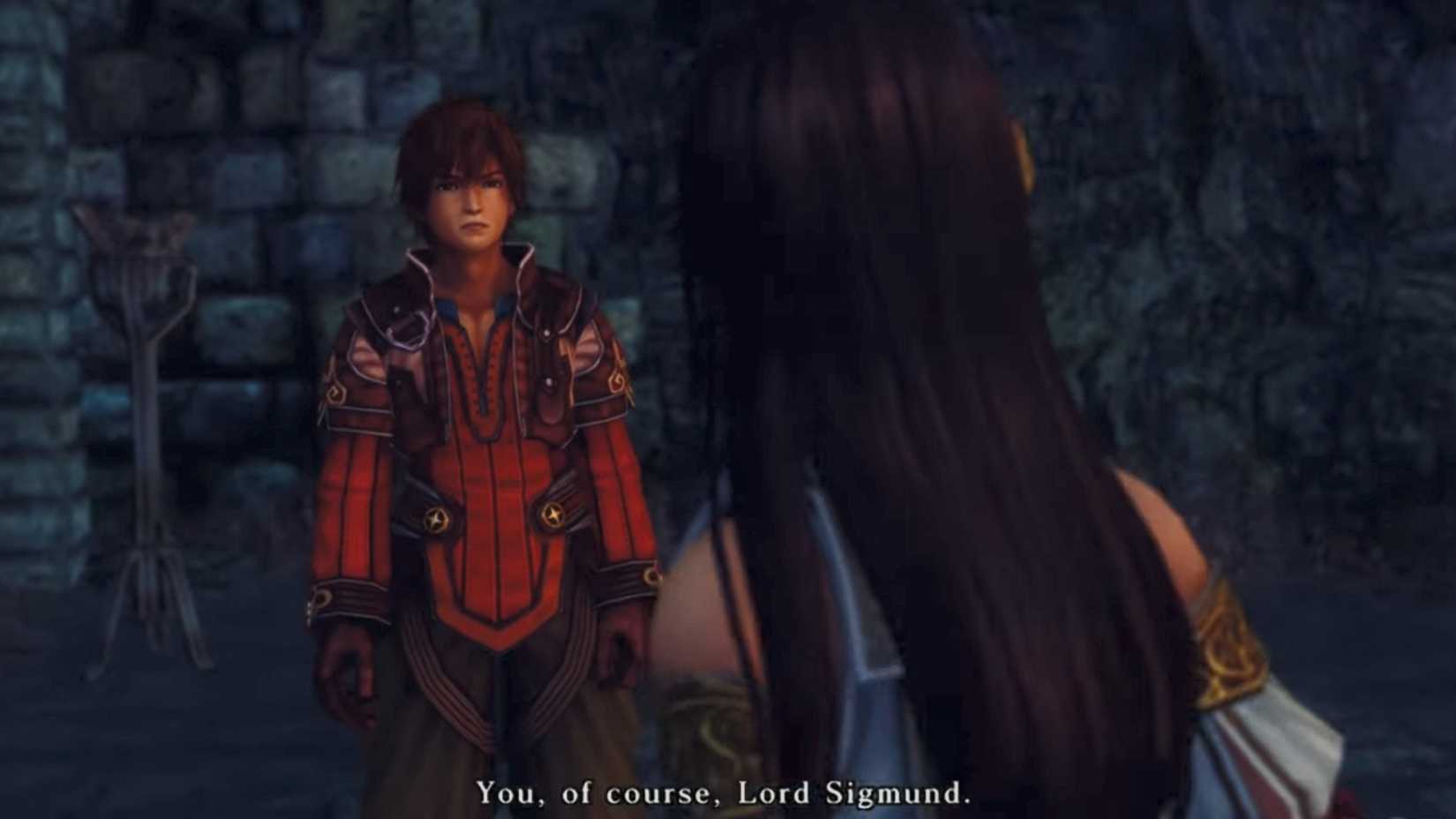
3. MagnaCarta 2
MagnaCarta 2 stands as a testament to the "standalone sequel" phenomenon of the era. You didn’t need to know the lore of the previous titles, which was a mercy.
The Verdict: The game suffers from a severe identity crisis. It attempts to subvert the classic "boy with amnesia" trope but ultimately falls back on every cliché it claims to mock. While it is a competent enough game, it fails to offer anything that isn’t done better by dozens of other titles on the market. It remains a "if you’ve played everything else" recommendation.
2. Culdcept Saga
A blend of Monopoly and Magic: The Gathering, Culdcept Saga is the definition of a niche title.
The Verdict: The game is a visual treat, thanks to the sheer variety of artists involved in the card designs. However, the gameplay loop is notoriously long. A single match can span over four hours. Unless you have the patience to treat a digital board game as a multi-hour commitment, this is a title that will likely gather dust on your shelf. It is a fascinating design achievement, but a grueling experience for the casual player.
1. Enchanted Arms
If MagnaCarta 2 is mediocre, Enchanted Arms is the cautionary tale of the 360 library.
The Verdict: With a protagonist stuck in a tired "revolt of the golems" plot and a soundtrack that has become a punchline in the JRPG community, Enchanted Arms is the epitome of a game to avoid. Its stereotypical characterizations and aging mechanics make it nearly unplayable by modern standards. When a game makes you wish you were playing Final Fantasy XIII instead, you know you have reached the bottom of the barrel.
Implications of the "Console War" JRPG Strategy
The primary implication of this era was the realization that "exclusivity" is not a substitute for quality. Microsoft’s aggressive push into the Japanese market demonstrated that money alone cannot force a cultural shift. The JRPG developers of the time were working with a Western-focused architecture that didn’t always play nicely with their design philosophies.
This led to a "ghettoization" of the genre on the 360. While these games were technically "exclusive," they were often excluded from the broader critical conversation. The success of the 360 in the West eventually overshadowed these titles, leaving them to live on as curiosities rather than essential components of the console’s identity.

Supporting Data: The Cost of Ambition
Looking back, the data is clear: the average review scores for these titles hover in the "average to poor" range. The development cycles were often plagued by the attempt to move from the PS2’s simple architecture to the 360’s complex multi-core processing. Many developers simply didn’t have the time or the resources to optimize their engines, leading to the performance issues that defined many of the games listed above.
Furthermore, the "disc-swapping" necessity of the era—where large, sprawling JRPGs had to be split across multiple discs—created a physical barrier to entry that felt archaic even in 2008. When compared to the convenience of modern digital delivery, these titles represent a bygone era of gaming that was defined by physical, technical, and design-related constraints.
Official Responses and Historical Context
At the time, Microsoft representatives and developers often cited the "cross-pollination" of gaming cultures as the primary goal. They believed that by bringing Japanese-developed stories to a Western-built box, they could unify the global gaming community. While the experiment didn’t produce a new generation of Final Fantasy contenders, it did provide a platform for smaller studios to try things they otherwise wouldn’t have been able to fund.
In hindsight, the "Xbox 360 JRPG" is a fascinating, if flawed, relic. It represents a period of extreme risk-taking by one of the largest tech companies in the world. While the games themselves may not stand the test of time, the era itself remains a critical chapter in the history of gaming—a time when the industry tried, failed, and learned that in the world of Role-Playing Games, soul and polish will always matter more than hardware power or marketing budgets.


 Asro
Asro
 Muslim