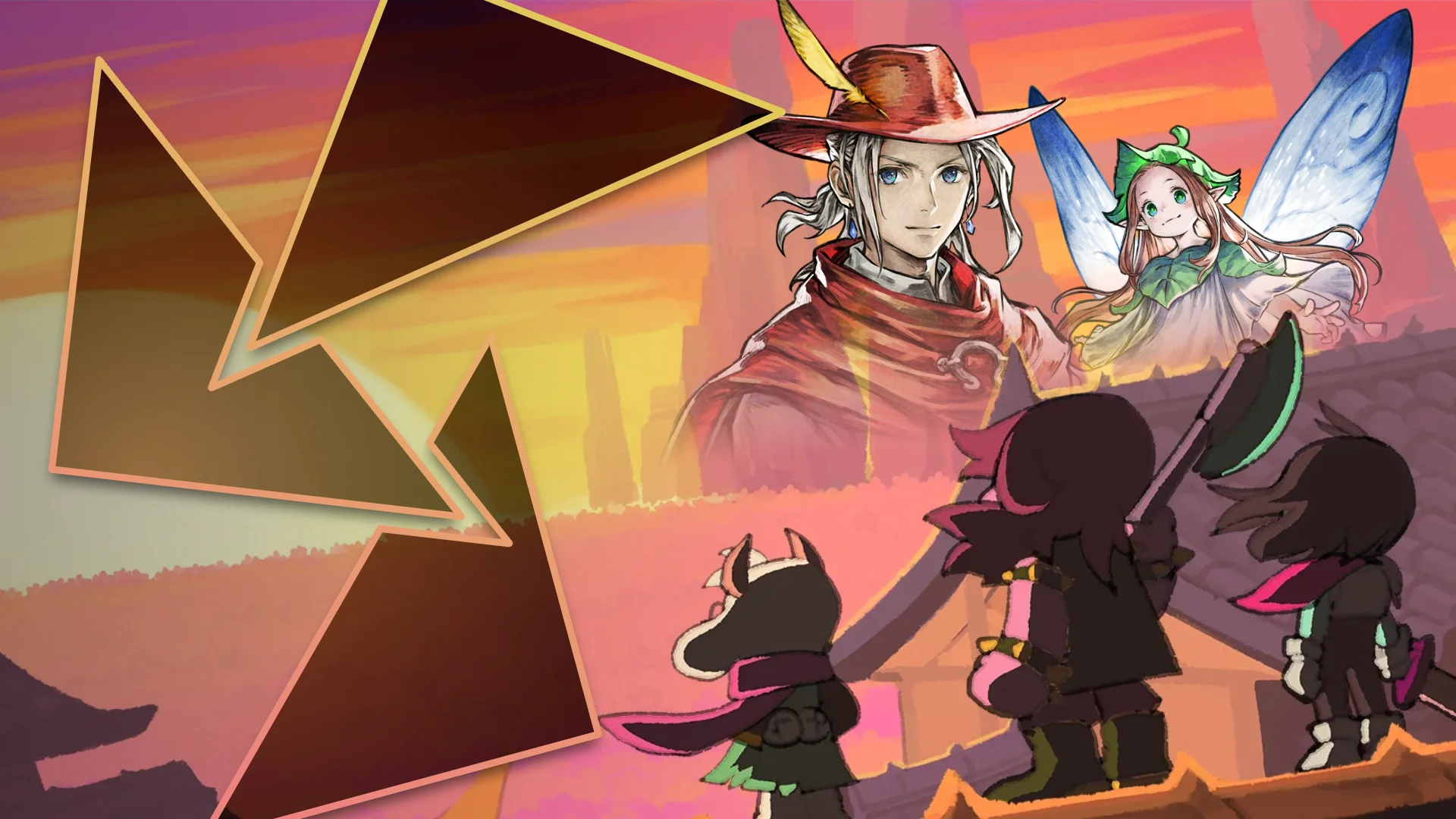
The latest installment of Random Encounter, the premier podcast for RPG enthusiasts, has arrived, bringing with it a deep dive into two of the most significant releases in the genre’s recent history. Episode 350 marks a milestone for the show, featuring a comprehensive breakdown of the long-awaited Deltarune Chapter 5 and the debut of Square Enix’s latest HD-2D venture, The Adventures of Elliot: The Millennium Tales.
Hosted by Jono Logan, with contributions from Aleks Franiczek and Paul Skevington, this episode dissects the evolving landscape of indie and big-budget RPG design. From Toby Fox’s mastery of genre-bending mechanics to Team Asano’s attempt to carve out a new action-RPG niche, the episode provides a roadmap for what fans can expect in the coming years of the medium.
The Main Facts: Genre-Bending and New Foundations
The core of this week’s discussion centers on the creative risks taken by developers in the current market. Deltarune Chapter 5 has finally reached the hands of players, continuing the meta-narrative saga that began with the underground hit Undertale. With reports indicating that the total project will span seven chapters, the community is now officially in the "home stretch" of Toby Fox’s sprawling vision.
Simultaneously, the spotlight falls on The Adventures of Elliot: The Millennium Tales. This title represents a significant pivot for Team Asano, the studio renowned for their signature HD-2D visual style. Unlike their previous turn-based tactical hits like Octopath Traveler or Triangle Strategy, Elliot marks the team’s first foray into pure action-RPG gameplay. The game has immediately drawn comparisons to the early entries of The Legend of Zelda due to its vibrant aesthetic and the dynamic between its primary-colored protagonist and his fairy companion.
A Chronological Perspective: From Undertale to Elliot
To understand the weight of these releases, one must look at the timeline of their development.
The Evolution of Deltarune
Toby Fox’s Deltarune has been released in staggered segments since its surprise debut in 2018. The episodic nature of the project has allowed for a unique feedback loop where each chapter serves as a distinct mechanical experiment.
- Chapters 1 & 2: Established the world of Ralsei, Kris, and Susie.
- Chapters 3 & 4: Expanded the lore and deepened the psychological stakes.
- Chapter 5: Represents a pivotal shift, introducing a fully realized side-scrolling action RPG sequence that subverts the traditional top-down exploration fans have come to expect.
The Rise of Team Asano
Team Asano has spent the last decade perfecting the "HD-2D" aesthetic—a blend of pixel art and modern lighting effects. Their trajectory has been steady:
- The Turn-Based Era: Dominated by the Bravely series and Octopath Traveler.
- The Tactical Pivot: Established via Triangle Strategy and the Live A Live remake.
- The Action-RPG Shift: The Adventures of Elliot marks the first time the studio has moved away from menu-driven combat, opting for real-time engagement while retaining the high-fidelity art style that has become their trademark.
Supporting Data: Why Genre Subversion Matters
The success of these titles rests on their ability to defy categorization. In Deltarune Chapter 5, Toby Fox demonstrates a calculated disregard for genre consistency. By injecting a side-scrolling action-RPG sequence into a game ostensibly defined by bullet-hell mechanics and turn-based combat, Fox is not merely adding variety—he is commenting on the fluidity of game design itself.
Conversely, The Adventures of Elliot faces a different challenge. By entering the action-RPG space, the game invites direct comparison to titans like The Legend of Zelda. While the podcast hosts humorously noted the irony of praising the game’s "time travel" mechanics in the shadow of iconic Zelda titles like Ocarina of Time and Oracle of Ages, the core data points suggest that Elliot brings a level of mechanical polish and artistic cohesion that distinguishes it from a mere tribute act. The "Millennium Tales" subtitle hints at a broader narrative scope that may distinguish it from the standalone nature of many classic adventure games.
Official Responses and Industry Reception
While official PR statements from Toby Fox remain characteristically cryptic, the industry sentiment surrounding these releases is overwhelmingly positive.
Regarding Deltarune, critics are observing a tightening of the narrative. The move into Chapter 5 has signaled to the player base that the overarching plot is no longer a collection of isolated incidents but a cohesive machine driving toward a singular, likely cataclysmic, conclusion. The "home stretch" realization has shifted the fan discourse from casual speculation to rigorous theory-crafting.
On the side of The Adventures of Elliot, Square Enix has positioned the title as a bridge for a new generation of players. By retaining the high-end production values of the HD-2D style while simplifying the barrier to entry through action-oriented combat, the studio is clearly aiming for a broader demographic than the niche tactical-RPG market. Early reports indicate that the "hero and fairy" dynamic is resonating with audiences who have long been starved for a high-budget, classic-feeling action-adventure title.
Implications: The Future of the RPG Landscape
What does this mean for the future of the industry?
1. The Death of the "Pure" RPG
The successful integration of side-scrolling mechanics into Deltarune suggests that the "RPG" label is becoming increasingly fluid. Developers are no longer beholden to strict adherence to genre tropes. If a game is a "Role Playing Game," it is increasingly defined by the narrative weight and character growth rather than the specific way combat is rendered on screen.
2. The Asano Formula
Team Asano’s success with Elliot could signal a new "House Style" for Square Enix. If a developer can maintain a consistent visual identity (HD-2D) while pivoting between tactical, turn-based, and action-oriented combat systems, they create a brand identity that is as recognizable as any major franchise. This provides a safety net for developers to experiment with gameplay mechanics without losing their core audience.
3. Episodic Engagement
The sustained interest in Deltarune over several years proves that the episodic model, when managed with high quality and consistent world-building, can maintain more cultural relevance than a single, massive "one-and-done" release. It keeps the community active, creates a shared sense of mystery, and allows for iterative design based on real-time player reception.
Conclusion: Looking Ahead
As Random Encounter episode 350 draws to a close, the hosts reflect on the unique position we find ourselves in as gamers. We are witnessing the maturation of the indie-to-mainstream pipeline. Toby Fox continues to show that one person with a vision can redefine expectations, while studios like Team Asano prove that even the most established companies are willing to reinvent their own foundational rules.
Whether you are deep in the trenches of the Deltarune lore or preparing to embark on the time-bending journey of The Adventures of Elliot, it is clear that the RPG genre is in a period of unprecedented vitality. As we look toward the final chapters of Deltarune and the potential for a new franchise in Elliot, the only certainty is that the landscape will look vastly different in a few years than it does today.
For those eager to dive deeper, the full conversation—featuring insights from Jono Logan, Aleks Franiczek, and Paul Skevington—is available now on all major podcast platforms. Listeners are encouraged to rate the episode and reach out via email to share their own theories on these groundbreaking releases. The journey is far from over, and if this episode is any indication, the best is yet to come.
For more information on the topics discussed in this article, please visit the official RPGFan website. You can find the podcast on Overcast, Pocket Casts, Castro, Podbean, Podcast Addict, and Player FM.