

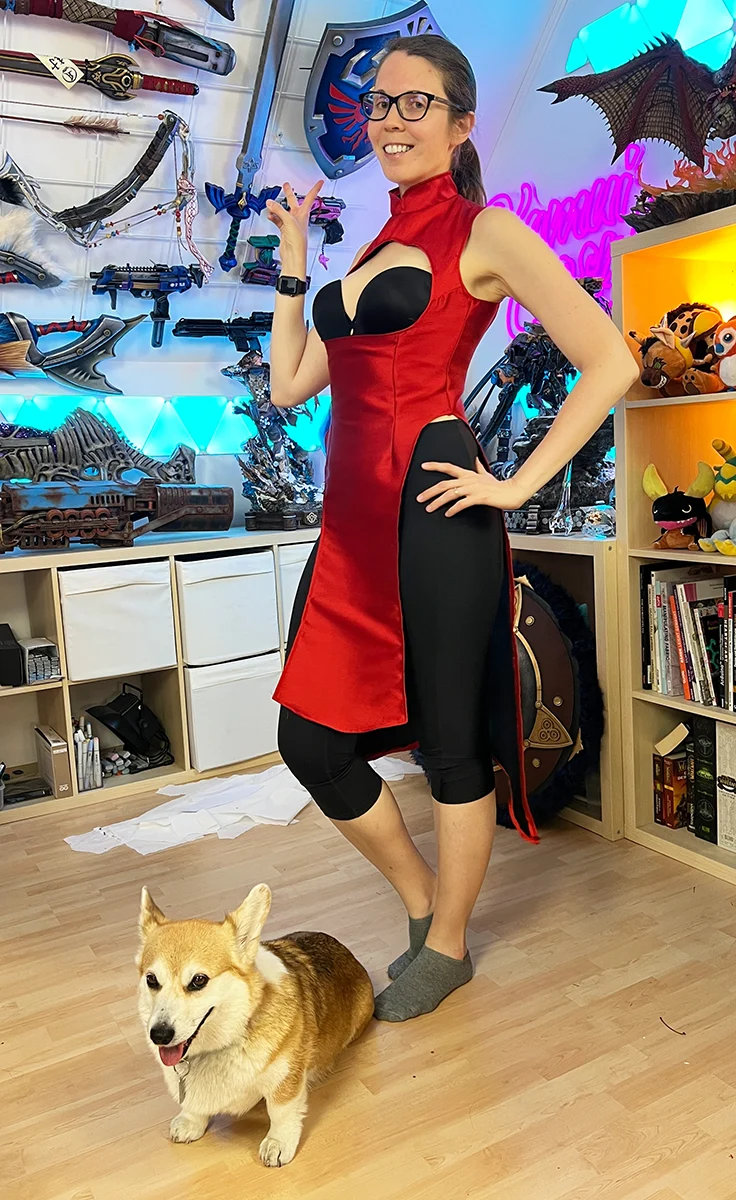
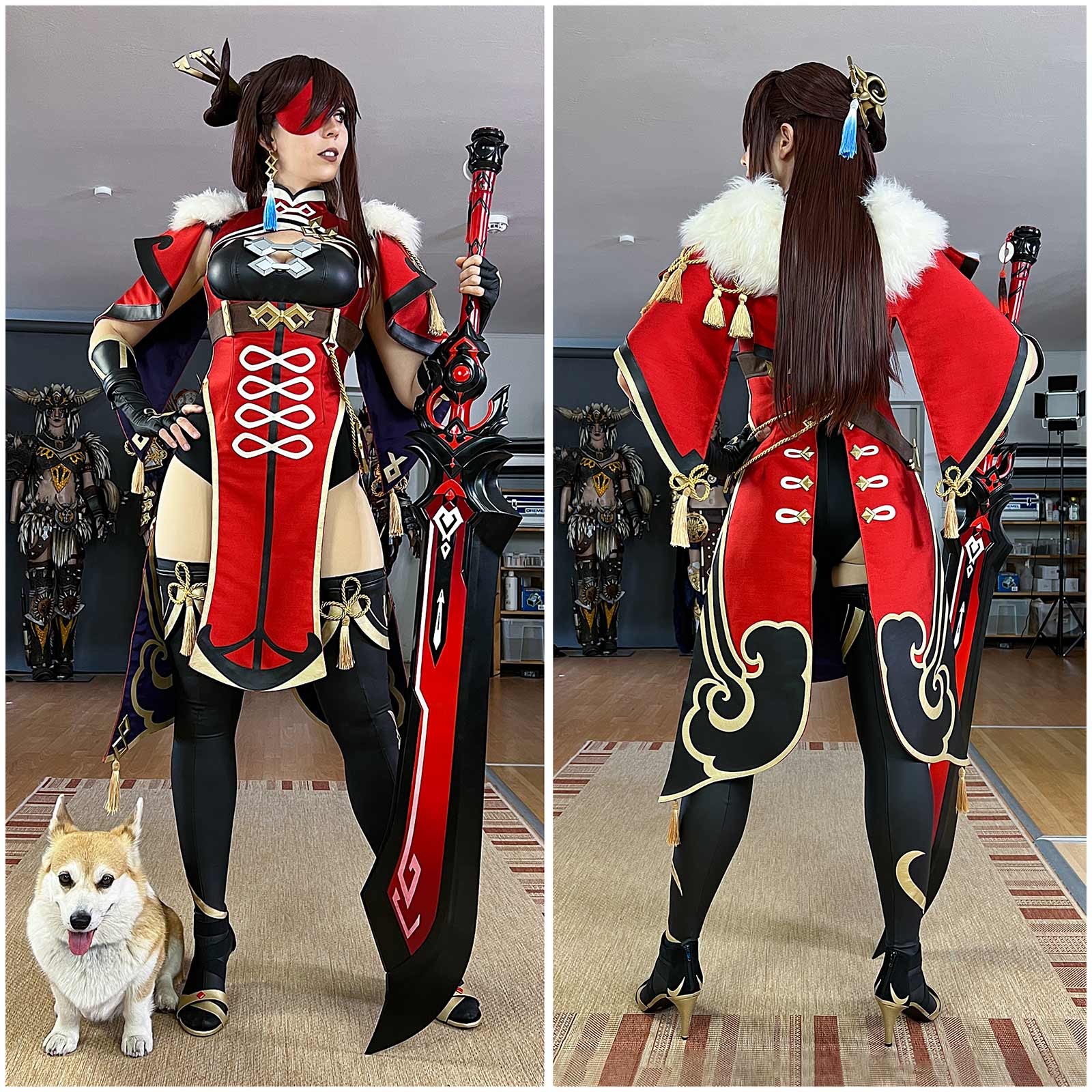
Since its explosive debut in 2020, Genshin Impact has become a global cultural phenomenon, not just for its open-world exploration and addictive combat, but for its intricate character designs. Among the most iconic figures in the game is Beidou, the formidable Captain of the Crux fleet. For world-renowned cosplayer Kamui Cosplay, bringing this Liyue warrior to life was a passion project eight weeks in the making—a testament to the intersection of traditional craftsmanship and modern digital fabrication.

The Genesis of an Icon: Project Scope
The journey began with a direct invitation from HoYoverse, the developers behind Genshin Impact, tasking Kamui with embodying the Uncrowned Lord of the Ocean. Having been an active player since 2021, Kamui shared a personal connection with the character, noting her affinity for the powerful synergy between Beidou and Diluc in-game.
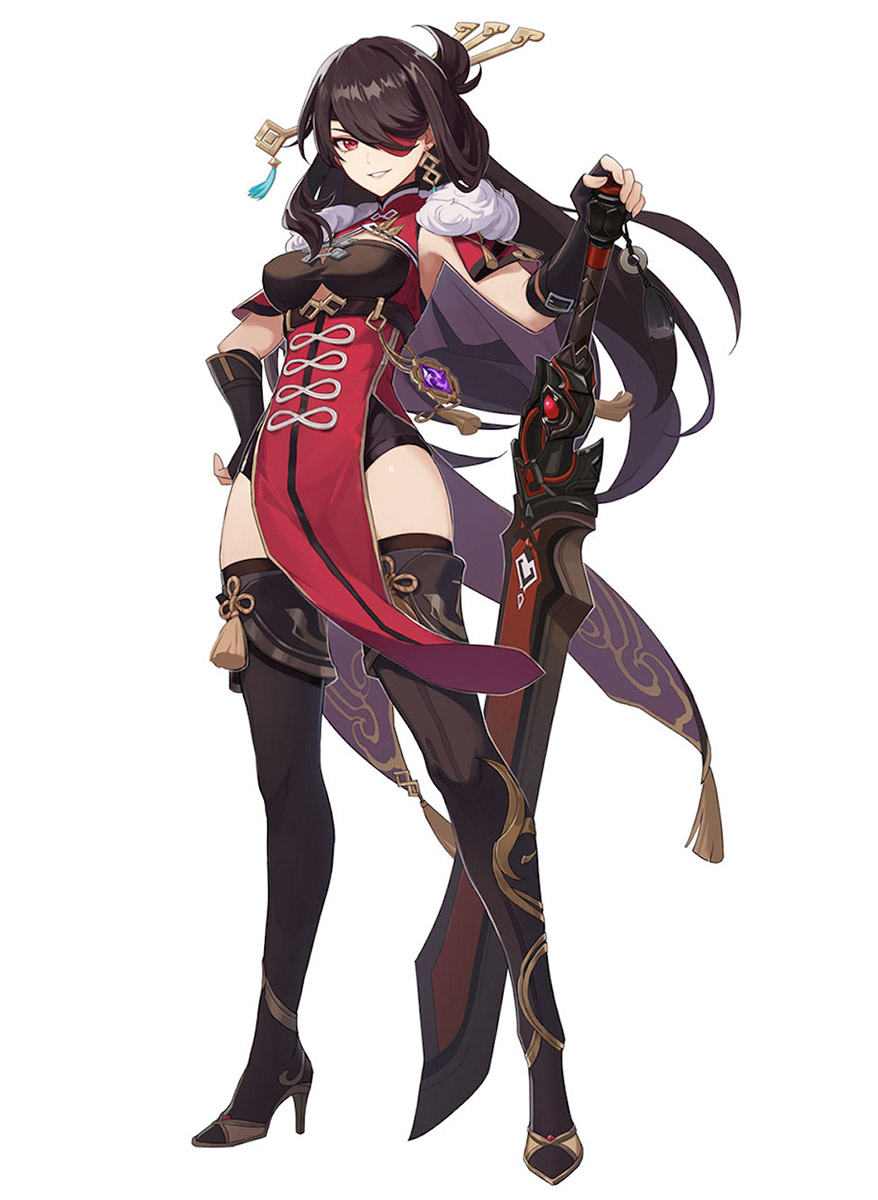
"Creating a Genshin Impact costume from scratch is a deceptive task," Kamui notes. While mass-produced versions flood the market at low price points, the structural integrity and detail required for a high-end, convention-ready build necessitate a deep dive into 3D modeling and bespoke tailoring. To ensure anatomical accuracy, Kamui utilized the Games Fashion Archive—an essential resource for cosplayers that hosts 3D models of game characters, allowing for a 360-degree study of fabric textures, layering, and hardware placements.
Chronology of Construction: A Two-Month Marathon
The project was a synchronized effort between Kamui and her partner, Benni. The development can be broken down into four distinct phases:
Phase I: Tailoring and Structural Foundation
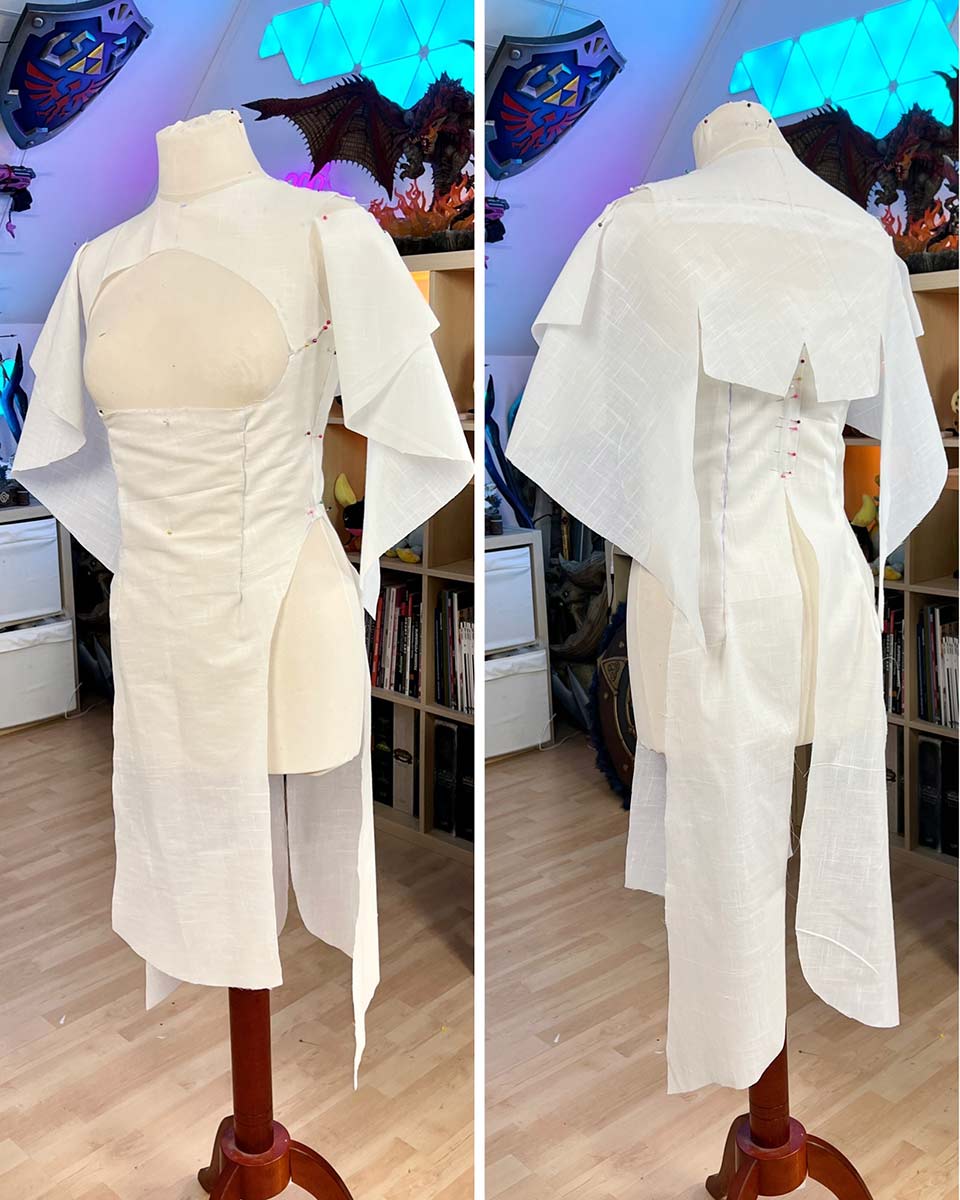
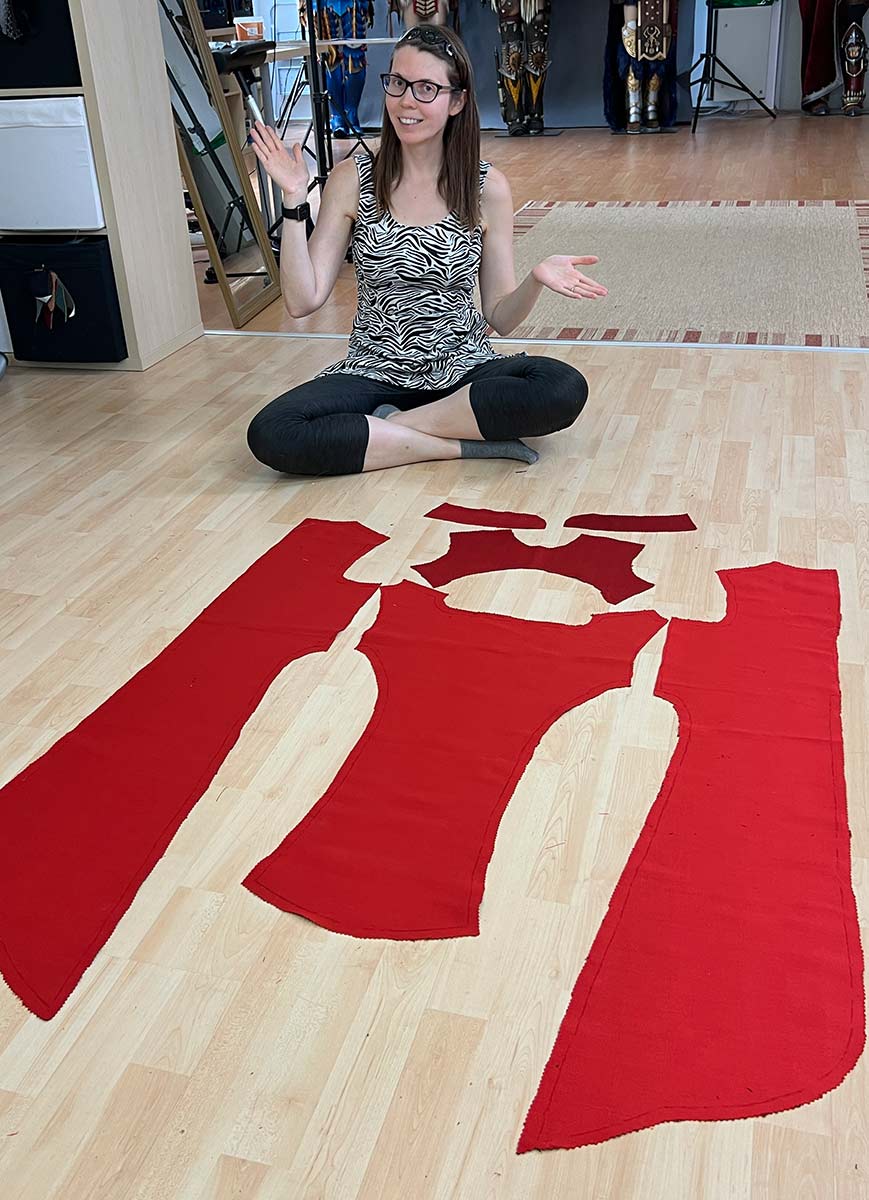
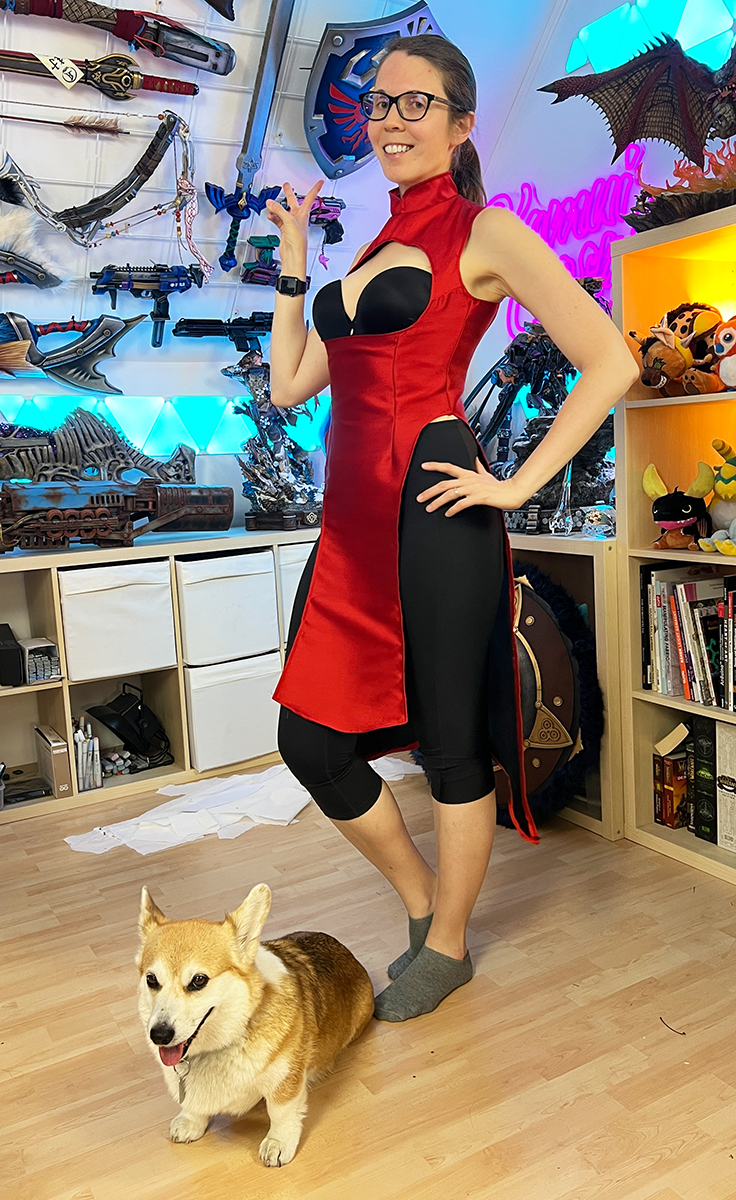
The dress construction relied on the "duct tape pattern" technique. Benni wrapped Kamui in tape, drawing precise seam lines directly onto her body to ensure a custom fit. These templates were then transferred to linen fabric for a prototype test. For the final garment, Kamui opted for a high-quality, heavy shimmering silk sourced from a local boutique in Düsseldorf, favoring the tactile experience of a physical shop over online catalogs. The garment was finished with hand-stitched purple lining, a choice made to maintain the integrity of invisible seams.
Phase II: Digital Fabrication and Laser Precision
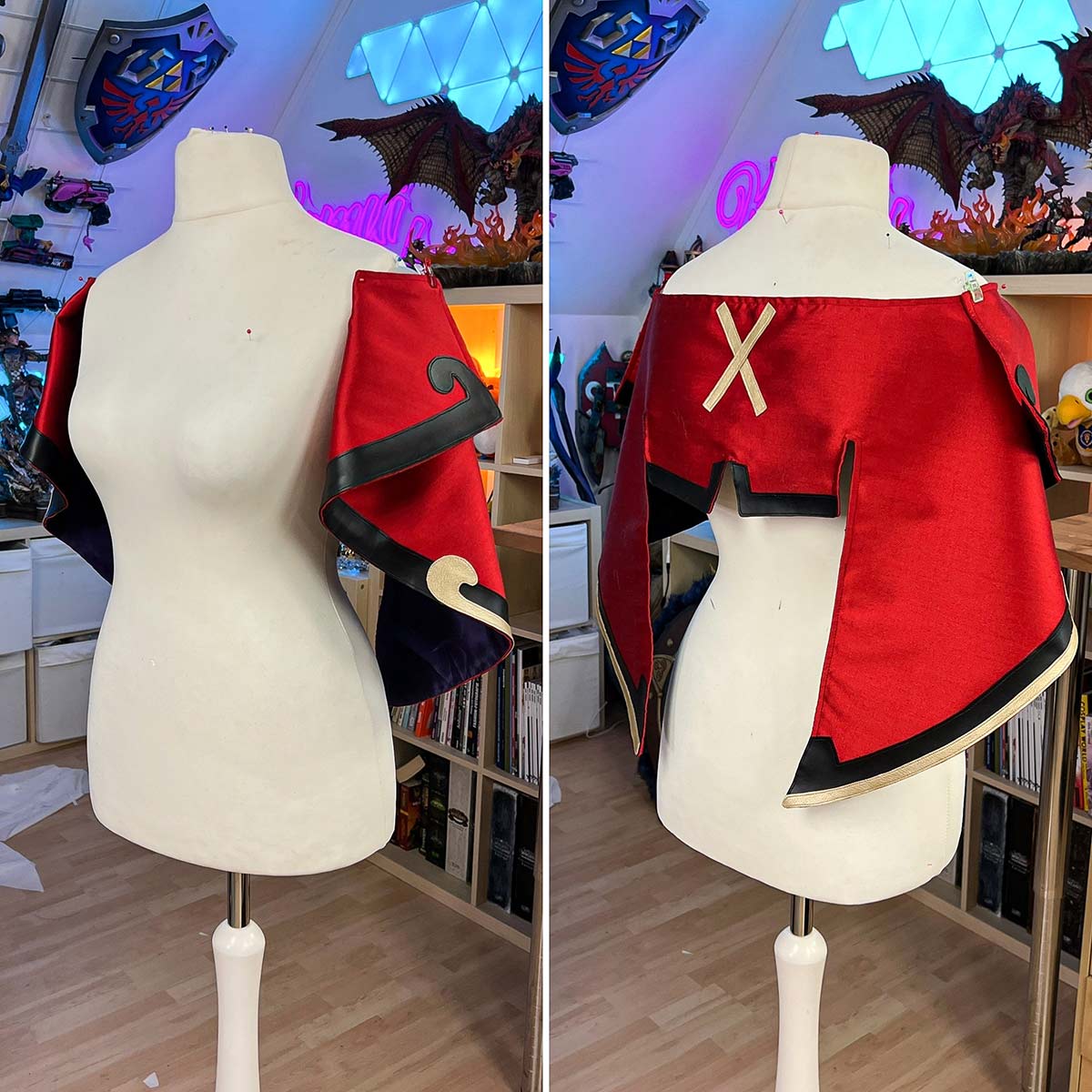
To handle the intricate gold and black vinyl detailing, the team leveraged a Flux laser cutter. By generating vector files, they were able to mass-produce the ornate patterns that adorn Beidou’s outfit with geometric perfection. This allowed Kamui to focus on the assembly while the hardware was manufactured in parallel.
Phase III: The Blackcliff Slasher
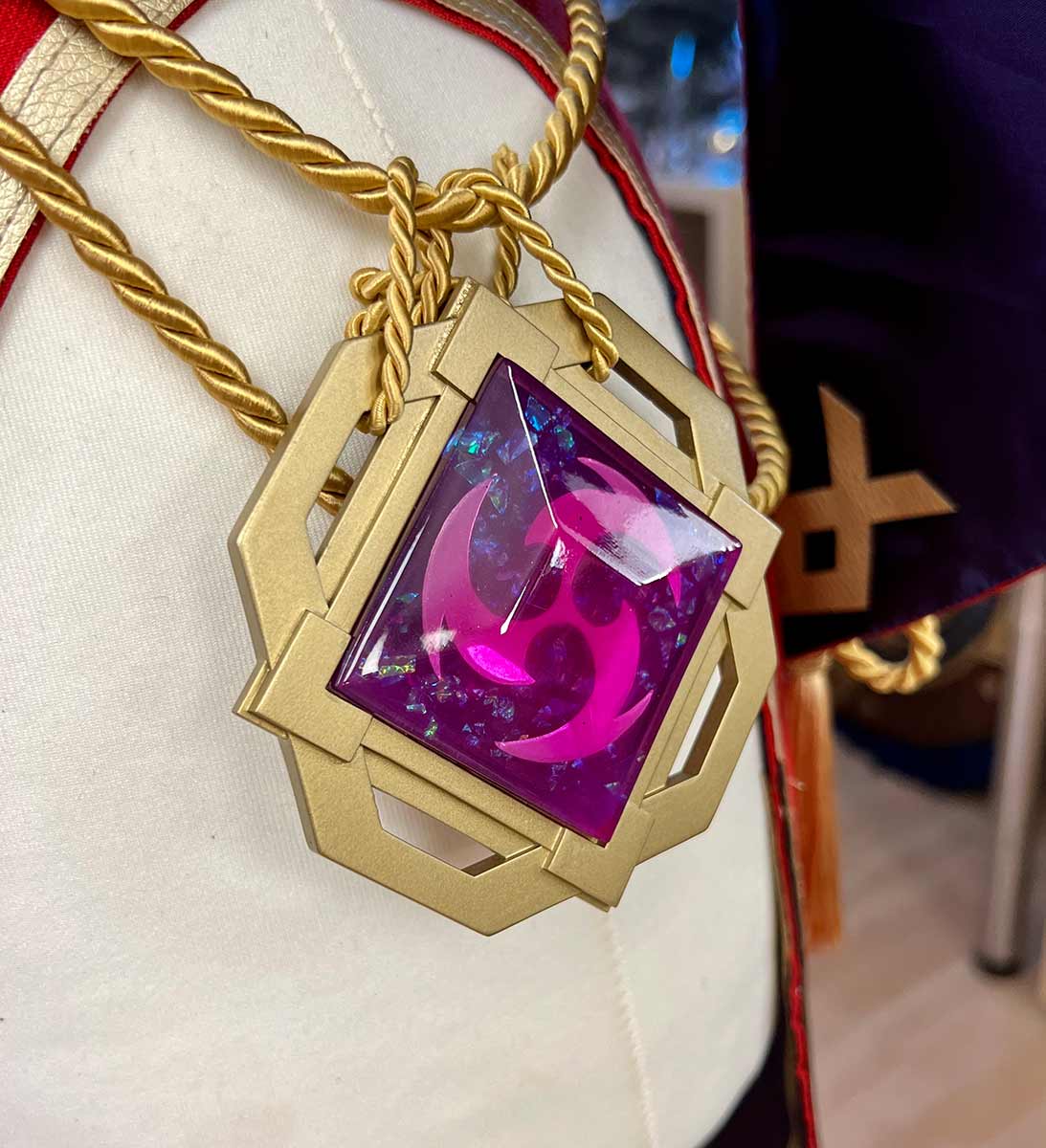
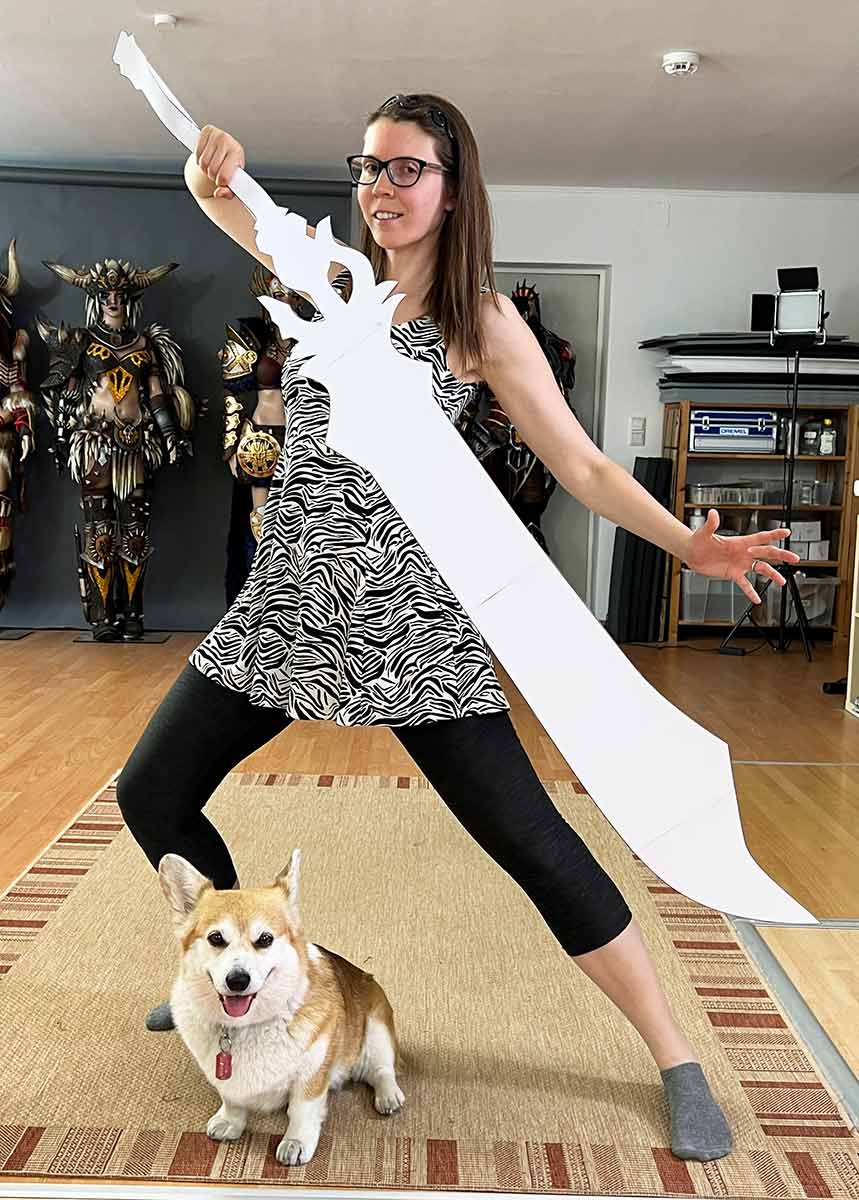
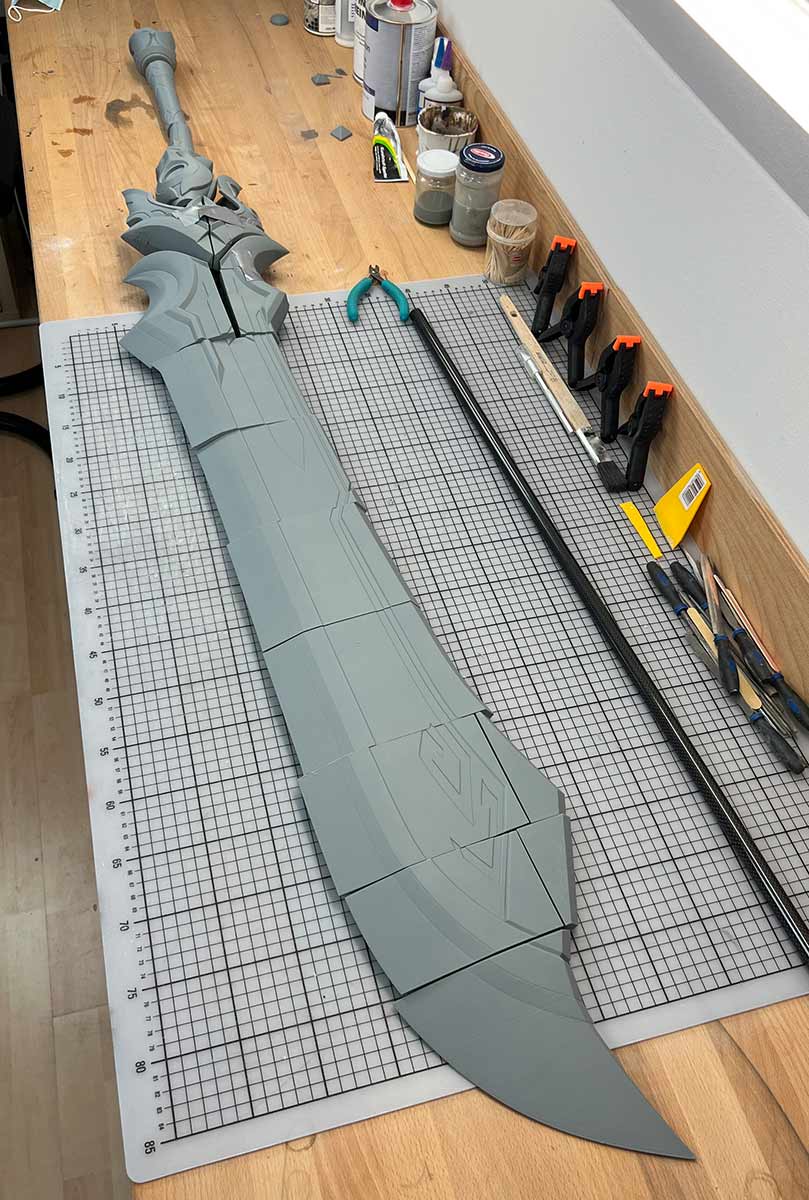
The centerpiece of the build was undoubtedly the "Blackcliff Slasher" claymore. The team sourced a 3D model by creator Bruneng, which was then printed over a grueling two-week period using Zortrax M200 printers. Benni dedicated three weeks to the post-processing phase—sanding, priming, and airbrushing—to achieve the weathered, metallic aesthetic essential for a weapon of such legendary status.
Phase IV: The Final Assembly
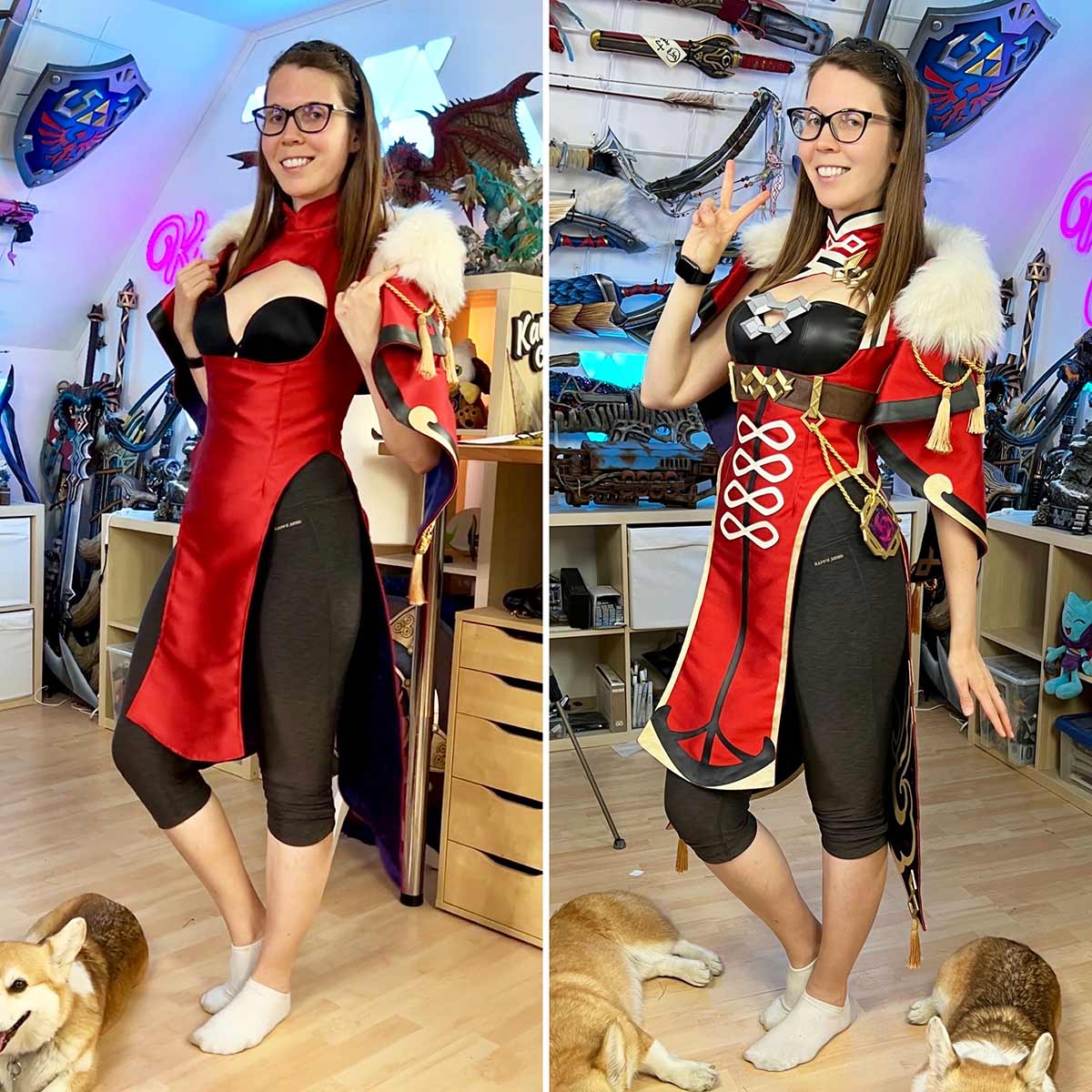
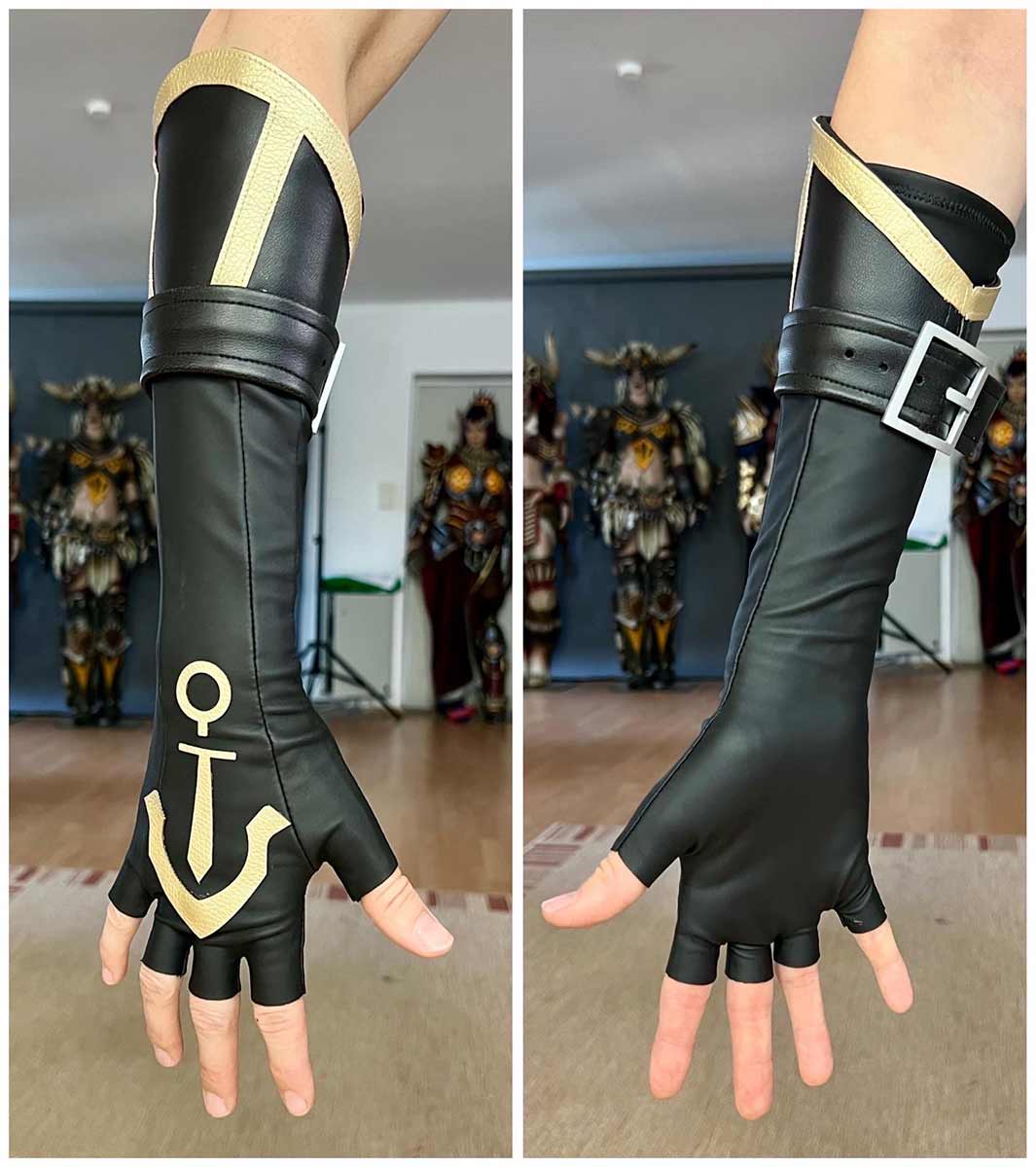
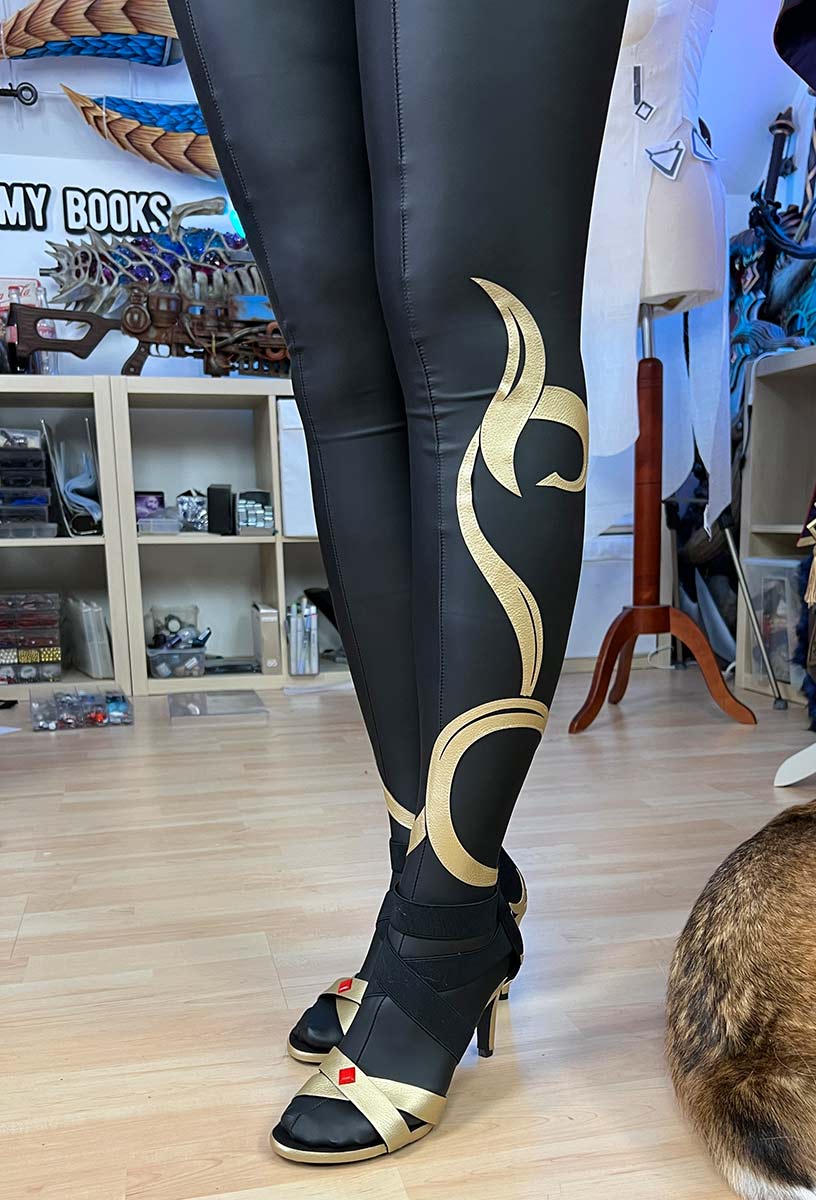
The project concluded with the integration of specialized materials. For the gloves and tights, Kamui utilized "Ultrapreme," a rare stretch-pleather that resists tearing. The stockings were integrated into shaped leggings to ensure a seamless look that wouldn’t slide down during long convention days.
Supporting Data and Technical Insights
The success of this project relied heavily on the strategic use of both traditional and modern tools. Kamui highlights several "pro-tips" for aspiring builders:
- Adhesives: For over a decade, Kamui has sworn by Guetermann HT2 fabric glue, noting that it is the "gold standard" for bonding fabric to foam and pleather.
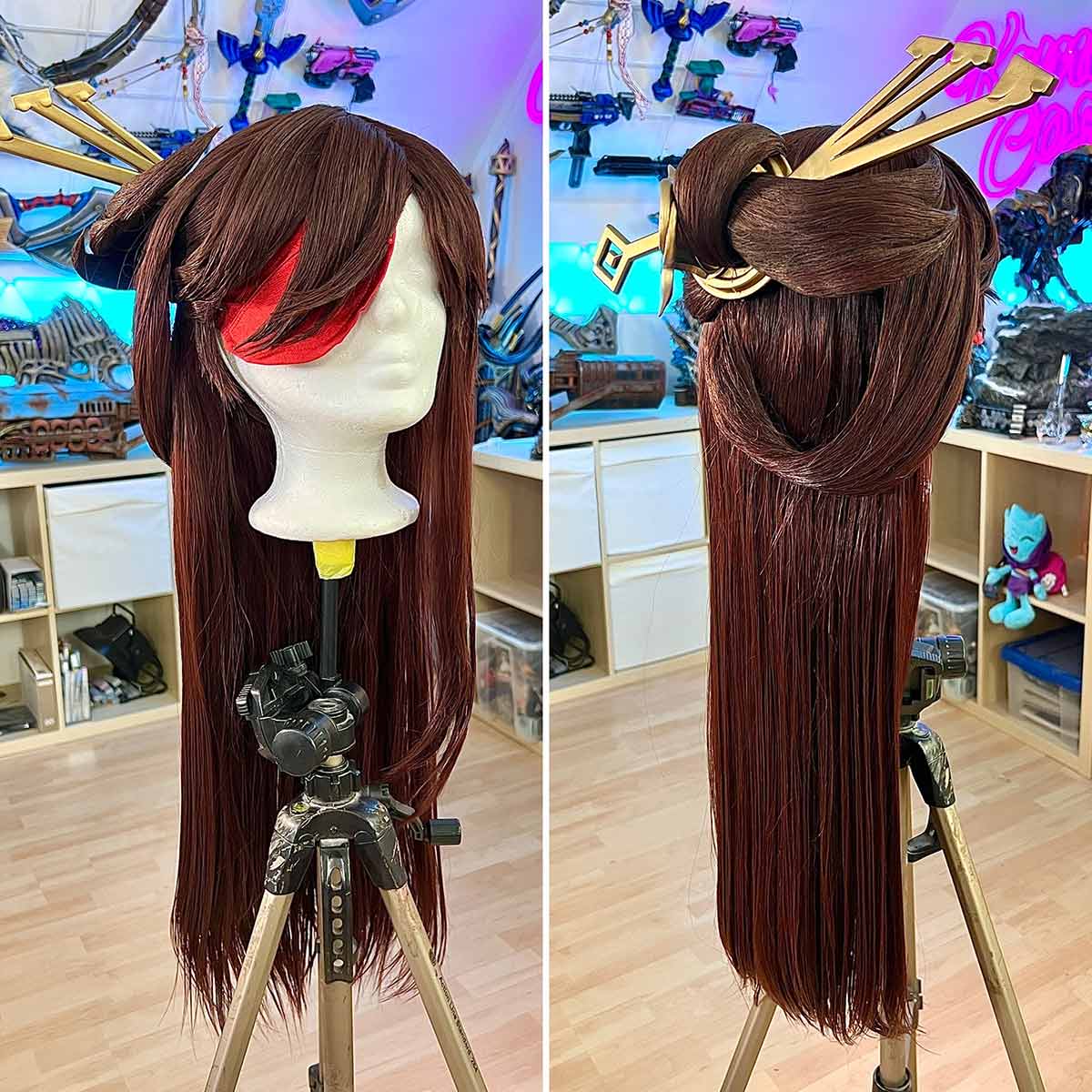
- Wig Styling: In a rare collaborative move, Kamui brought in professional wig stylist Florence of Bakka Cosplay. Because Kamui suffers from limited vision in her right eye, the decision was made to "mirror" the entire character design. This involved flipping the wig, the eyepatch, and the accessories so that the eyepatch covered her "good" eye, allowing her to navigate the convention floor safely.
- 3D Printing Evolution: While the team used older Zortrax models, Kamui emphasizes that the barrier to entry for 3D printing has lowered significantly. She points to the Elegoo Saturn 2 (FDM) and the Anycubic Photon Mono M5s (Resin) as accessible, industry-standard starting points for modern cosplayers.
Official Responses and Collaborative Synergy
HoYoverse’s involvement extended beyond a simple request for content. The company provided the necessary flexibility for the "mirrored" design, showing an understanding of the accessibility needs of professional cosplayers. This collaboration underscores a shifting industry trend: game developers are increasingly viewing high-end cosplay as a vital marketing and community engagement tool, often providing assets or permissions that allow creators to elevate their work to near-official levels of quality.
Implications for the Future of Cosplay
The "Beidou" project serves as a case study for the evolution of the craft. By integrating Unreal Engine backgrounds with green-screen photography, the team proved that the future of cosplay photography lies in virtual production. Rather than relying on weather-dependent location shoots, Kamui and Benni created a digital Liyue in-engine, compositing the final images in Photoshop to create a cinematic, game-accurate result.
Is the "From Scratch" Approach Still Relevant?
Kamui poses a provocative question to her audience: Is it worth the 8-week investment to build from scratch when high-quality pre-made costumes are available for a fraction of the cost?
The answer, based on the results of this project, lies in the process. The pride of craftsmanship—the ability to tailor a costume to one’s specific physical needs, the durability of custom-made props, and the intellectual satisfaction of solving complex structural problems—remains the hallmark of professional cosplay.
Conclusion
Kamui Cosplay’s Captain Beidou is more than just a costume; it is a synthesis of engineering, fine art, and digital technology. As the Genshin Impact community continues to grow, so too does the standard for fan-made representations. Whether through 3D printing, laser cutting, or the humble art of the needle and thread, the pursuit of perfection remains the driving force for the world’s elite crafters.
For those inspired by this build, the lesson is clear: while tools like laser cutters and 3D printers accelerate the workflow, the foundation of a great cosplay remains the same—a deep understanding of the character, a refusal to compromise on comfort, and the willingness to learn from every seam, sand, and stitch.










No comments yet. Be the first to join the conversation!