

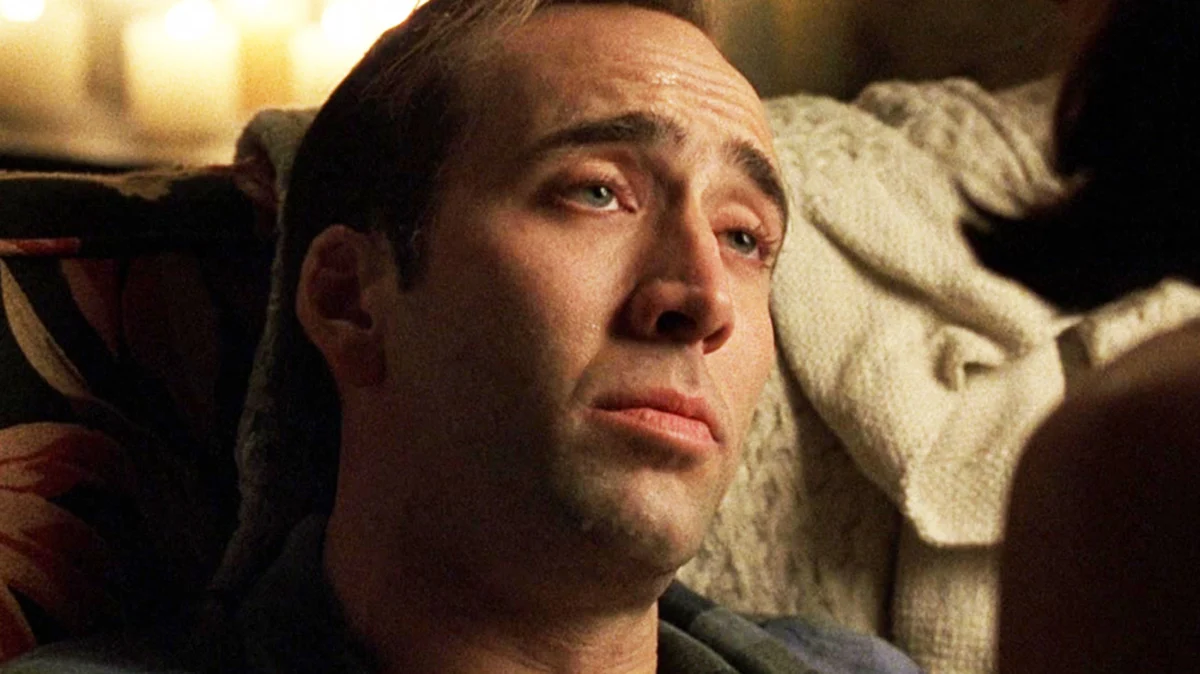
In the digital age, where streaming platforms boast high-definition libraries and 4K restoration, the presentation of classic cinema should theoretically be a seamless experience. However, a recent controversy surrounding the 1996 Michael Bay blockbuster The Rock on HBO Max has proven that even major streaming services are susceptible to outdated technical pitfalls. Users have taken to social media in droves to voice their frustration, noting that the version of the film currently available on the platform is presented in a cropped, 4:3 "pan and scan" format rather than its original, intended widescreen aspect ratio.
This incident has reignited a long-standing debate regarding the preservation of theatrical intent in the age of streaming, highlighting the friction between legacy licensing deals and the expectations of a modern, tech-savvy audience.
The Core Conflict: What is Pan and Scan?
To understand the intensity of the viewer backlash, one must first understand the technical disparity between the two formats. The Rock, a quintessential 1990s action spectacle, was shot for the wide cinematic canvas. This widescreen format allows directors like Michael Bay to utilize the full scope of the frame, capturing expansive action sequences and nuanced character interactions that occur simultaneously across the screen.
"Pan and scan" is a relic of the analog television era. Before the ubiquity of 16:9 widescreen televisions, broadcast networks faced the challenge of fitting cinematic images into the nearly square 4:3 format of standard CRT televisions. To achieve this, editors would essentially "crop" the sides of the film and physically pan the camera across the original image to keep the focal point in view. This process often resulted in the loss of vital visual information and disrupted the original cinematography.
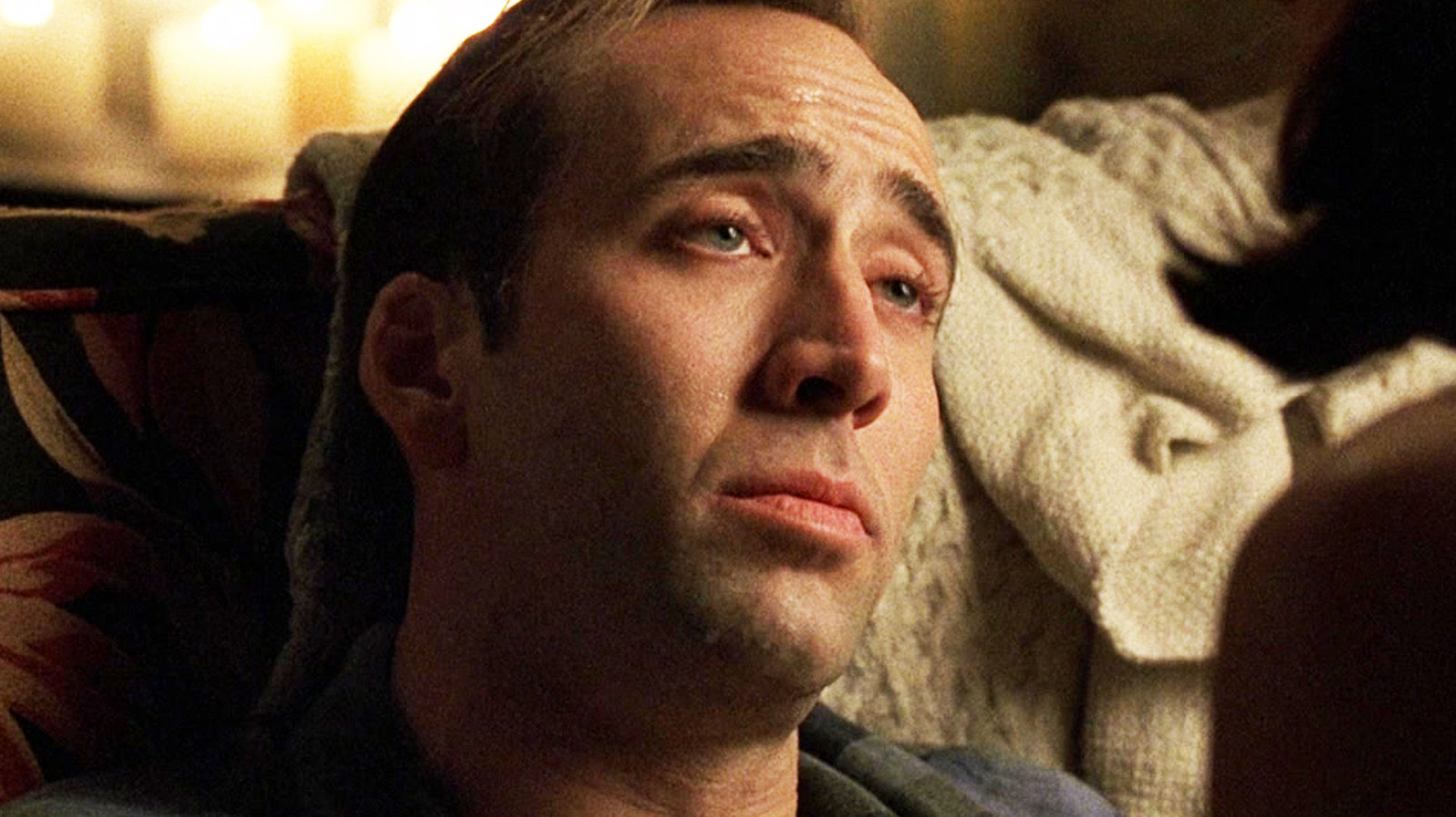
In 2026, the inclusion of a pan and scan version on a premium streaming service is widely viewed by cinephiles as an unacceptable regression. The visual impact of The Rock—which stars Nicolas Cage and Sean Connery in a high-stakes thriller set on Alcatraz—is fundamentally diminished when the viewer is looking at a truncated, boxy image that fails to convey the scale of the production.
A Chronology of the Debacle
The outcry began in early June 2026, when subscribers attempting to revisit the action classic noticed the jarring aspect ratio.
- Initial Discovery: Within days of the film’s arrival on the platform, threads began appearing on social media platforms, most notably the r/movies subreddit. Users were quick to post screenshots comparing the HBO Max stream to the original theatrical framing, confirming that significant portions of the image were being excised.
- The Digital Outcry: As the news spread, the frustration shifted from casual observation to widespread condemnation. Subscribers questioned the quality control processes at HBO Max, pointing out that this was not a simple technical glitch but a distribution choice that ignored modern viewing standards.
- The Comparison Factor: Many users cited the infamous Disney+ Simpsons controversy as a cautionary tale. When Disney+ launched with early seasons of The Simpsons cropped to 16:9—thereby cutting off visual gags—the backlash was so severe that the company was eventually forced to offer the original 4:3 versions as an option. HBO Max users are now demanding similar accountability.
The Anatomy of the Error: Licensing and Technical Hurdles
Why would a platform like HBO Max, which commands a massive budget and a sprawling library, opt for an inferior version of a film? The consensus among industry observers and Reddit users points to the labyrinthine nature of media licensing.
As one detailed analysis noted, HBO Max is no longer a monolith of HBO-produced content; it is a conglomerate of assets from Warner Bros., Discovery, TBS, TNT, and other subsidiary networks. It is highly probable that the master file currently being served to subscribers is a legacy television broadcast master—a file that was originally created for syndication on a network like TNT or TBS decades ago.
When a streaming service secures rights to a film, they are often purchasing access to a pre-existing "package" provided by the rights holder. If that package includes only the 4:3 broadcast master, the platform may lack the immediate legal authorization or the technical bandwidth to swap it for a high-definition, widescreen digital cinema print. While this explains the "why," it does little to appease the consumer who expects a premium experience in exchange for a monthly subscription fee.
Implications: The Fragility of Digital Libraries
The The Rock incident is symptomatic of a larger issue regarding the ephemeral nature of digital media. Unlike physical media—such as Blu-rays or 4K Ultra HD discs, which remain static and under the user’s control—streaming libraries are fluid. Films can be swapped, edited, or removed entirely at the discretion of the service provider or the licensing entity.
The Case for Physical Media
The backlash serves as a potent reminder of why physical media enthusiasts continue to advocate for their collections. When a platform alters or degrades a film, the user has no recourse other than to complain or unsubscribe. With a physical copy, the viewer is guaranteed the intended aspect ratio, original sound mix, and artistic integrity, regardless of what is currently trending on a streaming service’s front page.
The Erosion of Artistic Intent
Beyond the technical annoyance, there is an artistic concern. Directors like Michael Bay craft their films with specific visual compositions in mind. To force an audience to watch an action sequence through a narrow, shifting window is to deny them the ability to see the film as the filmmaker intended. It reduces a grand cinematic experience to the limitations of a television broadcast format that has been obsolete for years.
Industry Response and Future Outlook
As of mid-June 2026, Warner Bros. Discovery has remained largely silent on the specific issue of The Rock. Such silence is typical for large media conglomerates, which often view these complaints as minor technical inconveniences rather than PR crises.
However, the pressure continues to mount. Consumer advocacy in the digital space is at an all-time high, and as platforms continue to raise subscription prices, the expectation for quality control increases in tandem. If HBO Max hopes to retain its status as a top-tier destination for film buffs, it must address the "master file" problem.
The industry at large is facing a reckoning. As more "legacy" content is brought into the fold of modern streaming, service providers must audit their catalogs to ensure that the versions provided are not just "available," but technically accurate. Providing a 4:3 pan and scan version of a widescreen action film in 2026 is, at best, a sign of administrative neglect and, at worst, a disregard for the history of the medium.
Ultimately, the lesson here is one of consumer transparency. If a platform is forced to stream a lower-quality master due to licensing constraints, that limitation should be clearly communicated to the viewer. Until that becomes industry standard, the fans will continue to act as the primary auditors of these platforms, ensuring that the classics they love are treated with the respect they deserve.











No comments yet. Be the first to join the conversation!