

While the well-trodden "Golden Route" between Tokyo, Kyoto, and Osaka dominates the itineraries of most international travelers to Japan, a more authentic, sensory experience lies waiting in the inland hills and coastal plains of Mie Prefecture. Often overlooked in favor of the neon lights of the big cities, Mie offers an agricultural calendar that is as vibrant as it is seasonal.
For those willing to venture off the main rail lines, Mie’s orchard belt provides a unique opportunity to participate in kajitsu-gari (fruit picking)—a quintessentially Japanese activity that transforms the act of harvesting into a low-key, indulgent dining experience. Unlike the large-scale, industrialized fruit regions of Yamanashi or Fukushima, Mie’s approach is intimate, community-focused, and refreshingly affordable.
Main Facts: The "All-You-Can-Eat" Agricultural Model
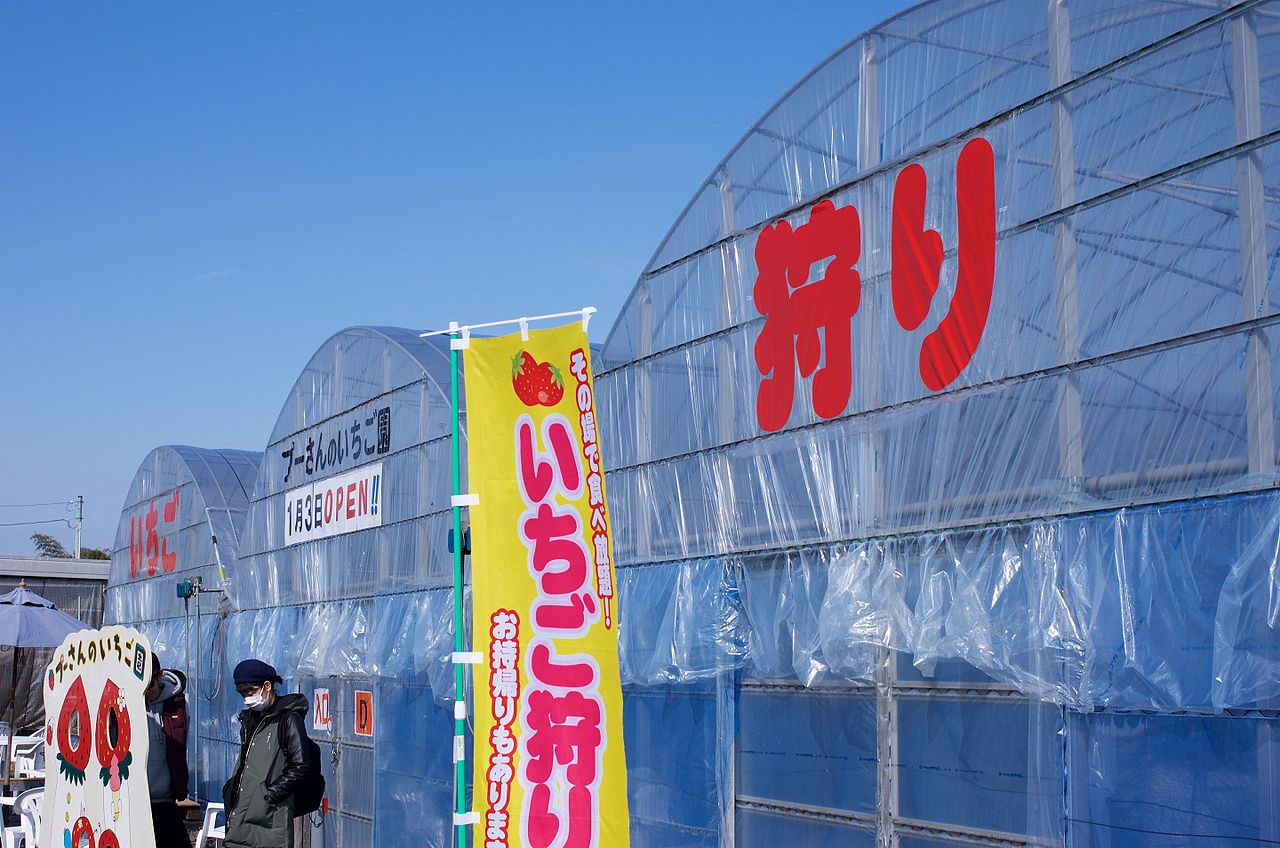
In Japan, fruit picking is rarely about the weight of the harvest you take home; rather, it is about the experience of eating at the source. The kajitsu-gari model is governed by a strict, time-allotted, all-you-can-eat format. Visitors pay a flat entry fee—typically ranging from ¥1,500 to ¥3,500—and are granted access to a greenhouse or orchard for a set period, usually 30 to 60 minutes.
This model is a cultural staple, often treated as a casual weekend excursion for local families. In Mie, the appeal is twofold: the farms are largely family-operated, offering a personal touch missing from major tourist traps, and the pricing is exceptionally competitive, often 40% to 50% lower than what a tourist might pay in central Tokyo.
Quick Facts at a Glance:
- Primary Seasons: Strawberries (January–May), Peaches/Plums (June–July), Grapes (August–October), Citrus (December–February).
- The Format: All-you-can-eat inside the designated zone. Removal of fruit without weighing is generally prohibited.
- Average Consumption: A typical visitor can comfortably consume 30–50 strawberries or 1–2 large bunches of grapes in a standard 30-minute window.
- Accessibility: A rental car is essential for the majority of these locations, as public transport links to the rural orchard hubs are infrequent.
A Chronology of the Harvest: The Three-Season Calendar
Mie’s agricultural rhythm is dictated by the peninsula’s diverse geography, which allows for a surprising variety of crops.
The Strawberry Season (January–May)
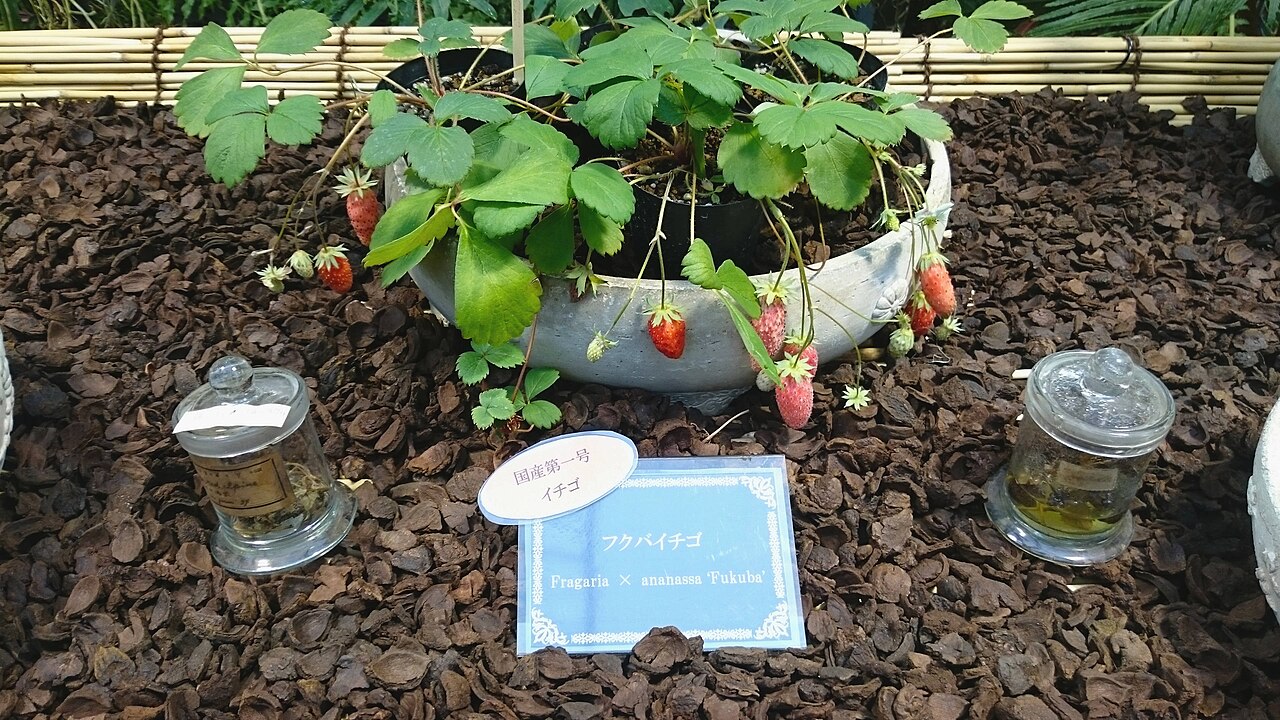
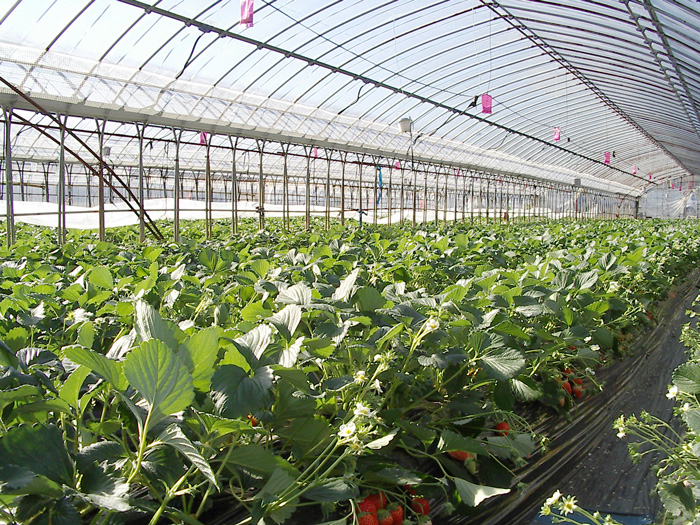
The Ichigo-gari season is perhaps the most accessible and popular entry point for travelers. The industry utilizes advanced hydroponic, waist-height raised-bed greenhouses. This design choice is not merely for aesthetics; it provides an ergonomic picking experience that eliminates the need for constant bending or kneeling, making it highly inclusive for all ages.
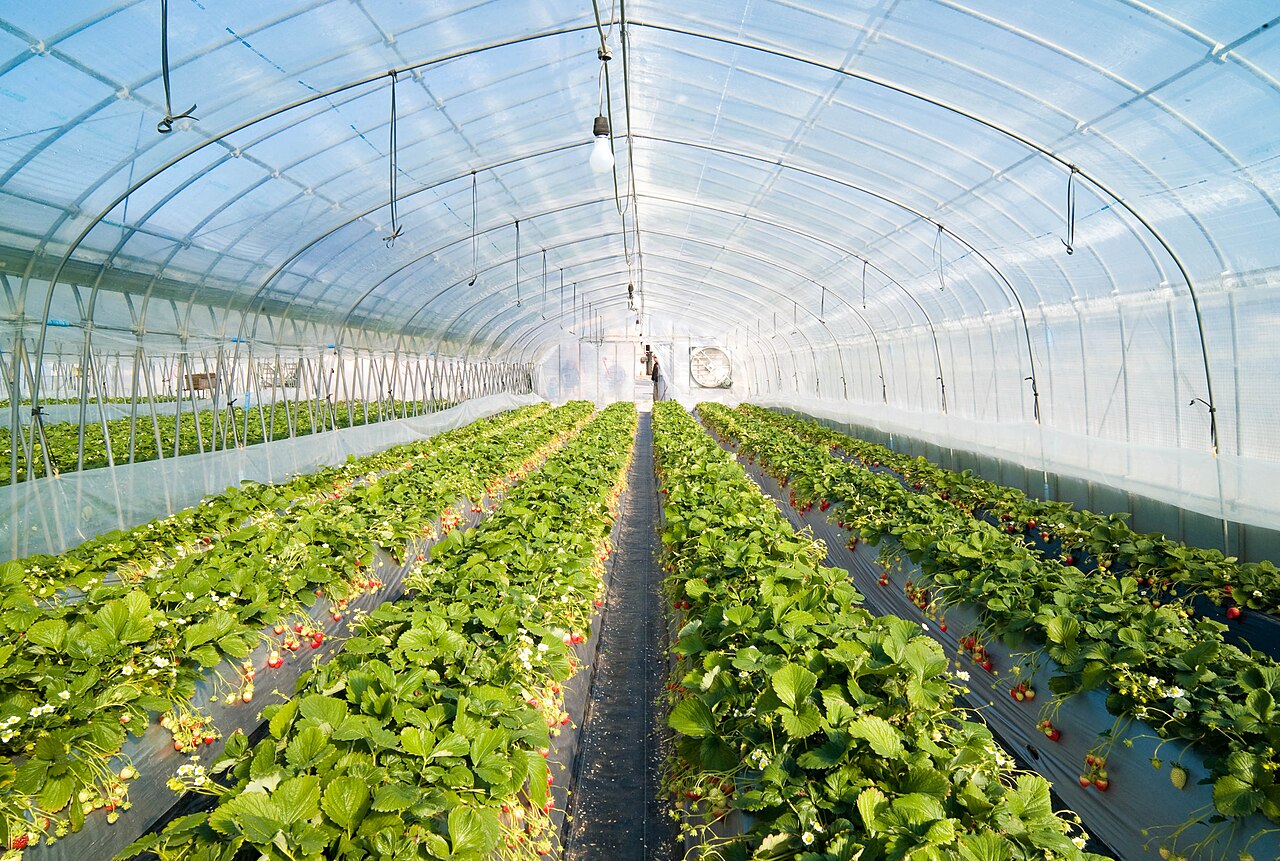
From the sweet, large Amaou varieties to the classic Tochigiotome and the occasional, rare white Hakuou strawberry, the greenhouse environment allows for a consistent output long after the outdoor frost would have killed traditional crops.
The Peak of Summer: Peaches and Plums (June–July)
As the heat rises, the focus shifts to stone fruits. While Mie’s peach industry is smaller in volume compared to the mountainous giants of central Japan, the quality remains high. Plums (ume) are also harvested in June, though this is largely a domestic activity for those interested in home-pickling.
The Autumn Bounty: Grapes (August–October)
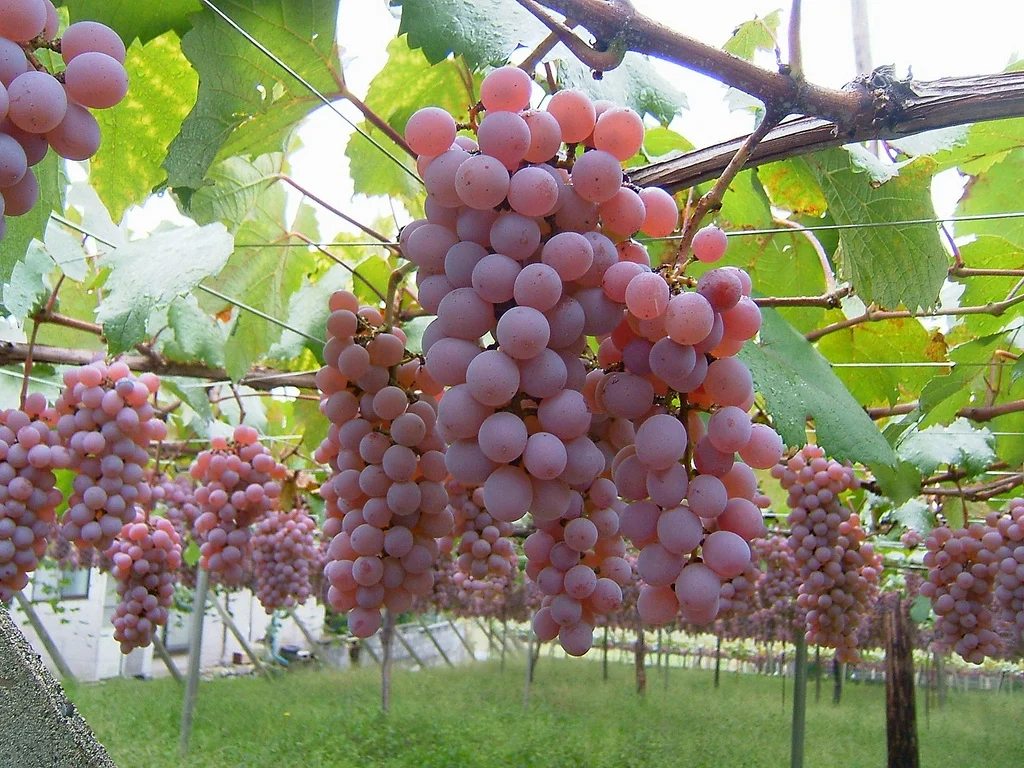
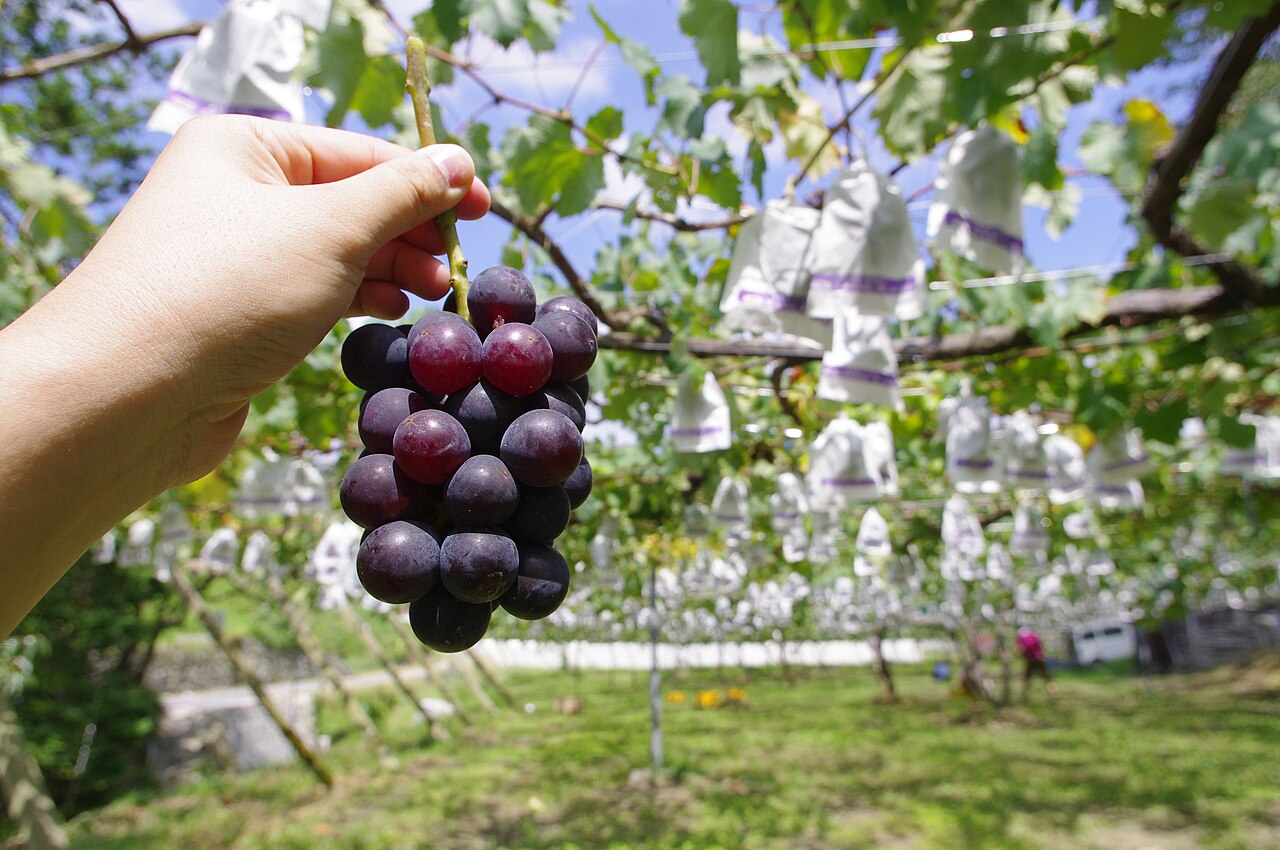
As autumn approaches, the inland regions of Nabari and Iga transform. Using the traditional Japanese overhead trellis system, these farms create shaded, park-like environments where heavy bunches of Kyoho and Shine Muscat grapes hang at eye level. This season represents the "second act" of Mie’s fruit tourism, drawing crowds who seek the perfect balance of sugar and acidity that only vine-ripened fruit can provide.
Supporting Data: Why Mie is an Agricultural Outlier
The strength of Mie’s agricultural sector is rooted in research and development. The presence of institutions like the Mie University agricultural research station has fostered a culture of innovation, leading to the development of regional cultivars that are tailored to the local climate.
Data suggests that while Mie is not the largest producer of any single fruit in Japan, it excels in "experience-based" agricultural output. For instance, the Nabari Shorenji area maintains a cluster of four to five small-scale farms that operate almost entirely on a walk-in basis. This efficiency provides a stark contrast to the heavily congested, reservation-only farms near Tokyo.
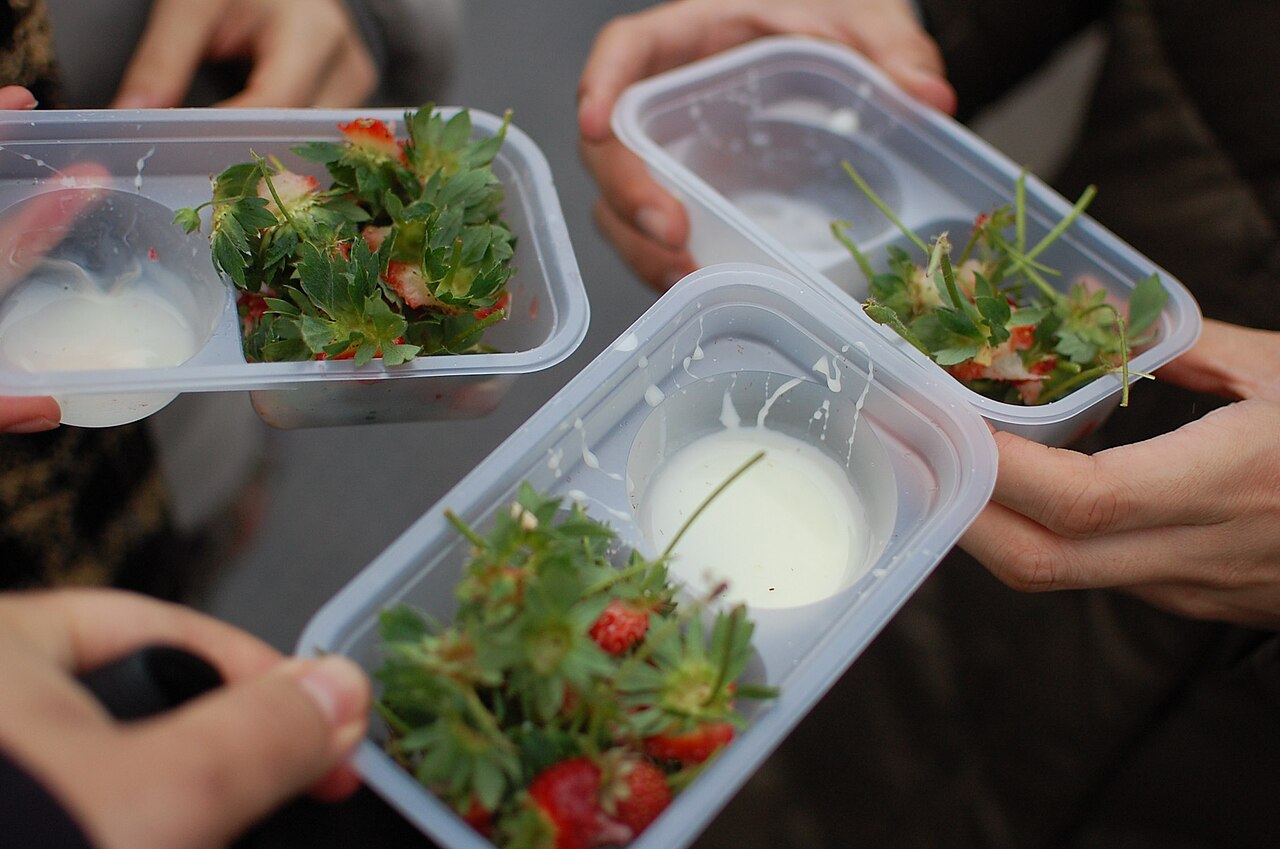
Furthermore, the price-to-value ratio in Mie is superior for the international traveler. While a premium orchard in Tochigi or Yamanashi might command high prices due to proximity to the capital, Mie’s rural farms maintain local pricing structures. A 30-minute session in Mie is not just a snack; it is a full-scale culinary event, often including a cup of condensed milk—the standard accompaniment to Japanese strawberries—at no extra cost.
Official Perspectives and Industry Standards
According to local agricultural cooperatives in the Iga and Ise-Shima regions, the rise in fruit-picking tourism has been a vital tool for rural revitalization. By opening their doors to the public, farmers have been able to diversify their income streams while preserving land that might otherwise fall into disuse.
Industry experts emphasize that the "all-you-can-eat" model is not merely a gimmick; it is a testament to the high quality of the produce. Because the fruit is designed to be eaten at the peak of ripeness—often too fragile for long-distance transport—the only way to truly taste these specific cultivars is to visit the farm itself. This has led to a growing niche in "agri-tourism," where municipalities now provide maps and shuttle services during peak harvest months to assist the influx of visitors from Osaka and Nagoya.
Implications for the Modern Traveler
For the international visitor, incorporating a fruit-picking session into a broader itinerary requires logistical planning, yet the implications for the quality of the trip are profound.
Integrating with Existing Itineraries
- The Cultural/Spiritual Route: For those visiting the Ise Grand Shrine, a morning strawberry-picking session in Ise City provides a light, refreshing contrast to the solemnity of the shrines.
- The Family Adventure: Combining a morning at a Nabari grape farm with an afternoon at Nagashima Spa Land allows families to balance high-octane theme park thrills with a grounding, nature-based activity.
- The Gastronomic Tour: A morning of harvest followed by a lunch featuring Matsusaka beef—one of the most prestigious wagyu brands in the world—creates a high-low dining contrast that defines the quintessential Japanese food experience.
Logistical Realities
The primary barrier to entry remains the "car-first" nature of these farms. While the Shinkansen and Kintetsu rail lines bring travelers to the hubs of Nagoya, Tsu, and Nabari, the "last mile" requires a rental vehicle. For those hesitant to drive, there are a growing number of pre-booked coach tours operating out of Osaka and Nagoya. These tours, priced between ¥8,000 and ¥12,000, bundle the travel, entry fees, and supplemental stops at local landmarks, removing the friction of navigating rural roads.
Is it Worth the Journey?
The consensus among seasoned travelers is that fruit picking as a standalone reason to travel from Tokyo is inefficient. The 3-4 hour travel time outweighs the 60-minute picking session. However, as an anchor point in a two-to-three-day exploration of the Kii Peninsula, it is invaluable.
The experience offers a window into the Japanese relationship with food: a reverence for the season, a respect for the labor involved in cultivation, and the joy of consuming produce at the exact moment of its peak. By choosing to visit the smaller, less-marketed farms of Mie, the traveler is not just eating fruit; they are supporting a sustainable, local agricultural ecosystem that remains largely untouched by the standard global tourism machine.
Conclusion: A Sensory Investment
Ultimately, Mie’s fruit-picking scene is a reminder that the best travel experiences are often found in the quiet corners of a country. Whether you are kneeling in a greenhouse in January to pluck a sun-warmed strawberry or reaching up in a shaded trellis in October to cut a cluster of Shine Muscat, the activity offers a momentary pause in a frantic travel schedule. It is an opportunity to slow down, to engage with the land, and to taste a side of Japan that is as sweet as the harvest itself. For the traveler willing to trade the convenience of the city for the serenity of the rural orchard, Mie provides a lasting, delicious memory.












No comments yet. Be the first to join the conversation!