

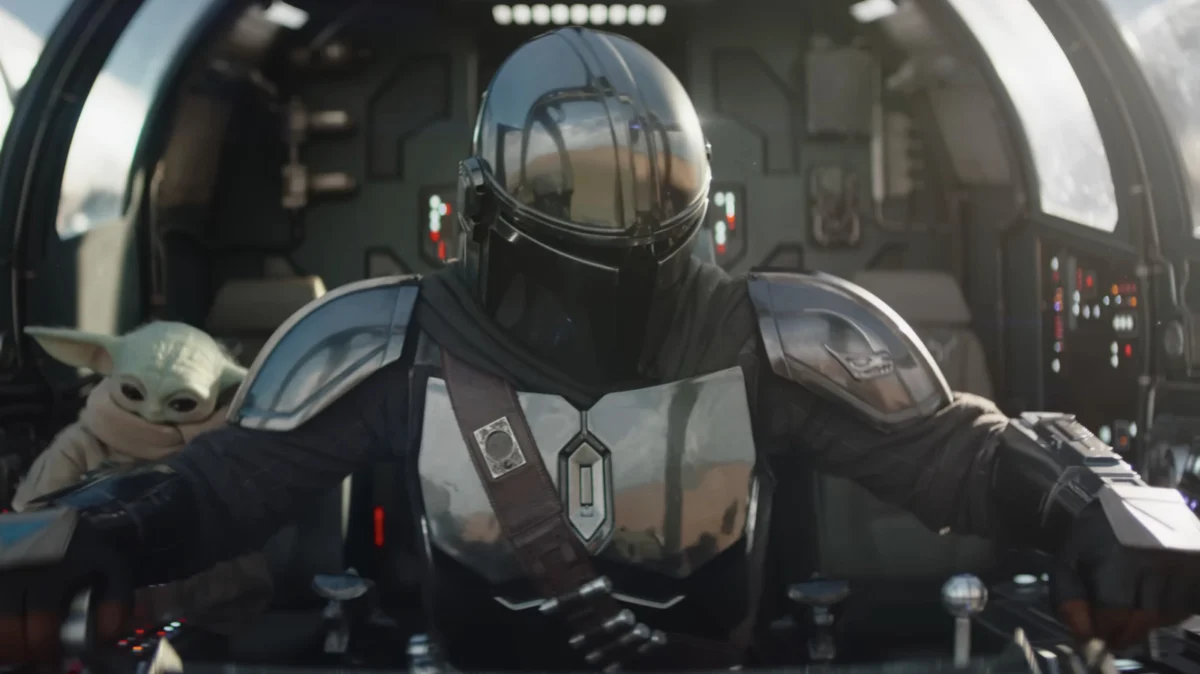
The release of The Mandalorian & Grogu marks a significant milestone for Lucasfilm: the return of the Star Wars franchise to the silver screen after a seven-year hiatus. Yet, for many long-time fans and critics, the film’s arrival has been met with a lukewarm reception. While the franchise has seen a massive expansion across streaming platforms, the transition of its flagship television series to a theatrical format has sparked a contentious debate. Central to this discourse is a stylistic choice that feels deceptively minor but carries the weight of nearly 50 years of cinematic history: the inclusion of an opening credits sequence.
By eschewing the traditional "cold open" style that defined the George Lucas era, The Mandalorian & Grogu has reignited discussions regarding the identity of Star Wars in the modern age. Does this creative decision represent a bold evolution of the space opera, or is it a symptom of a franchise struggling to distinguish its television roots from its cinematic aspirations?
A Departure from the Lucas Doctrine
When George Lucas debuted Star Wars in 1977, he did more than introduce the world to the Force; he fundamentally altered the grammar of cinema. One of his most vital, albeit subtle, decisions was to remove opening credits. Instead of listing cast and crew over a black screen or an opening montage, Lucas opted for the iconic, blue-text "A long time ago in a galaxy far, far away…" followed by the legendary yellow crawl.
This was not merely an aesthetic preference; it was a psychological tool designed to foster total immersion. By bypassing the traditional parade of names, Lucas dropped the audience directly into the heart of the action. It preserved the illusion that the viewer was not watching a Hollywood production, but witnessing a historical chronicle from another dimension.
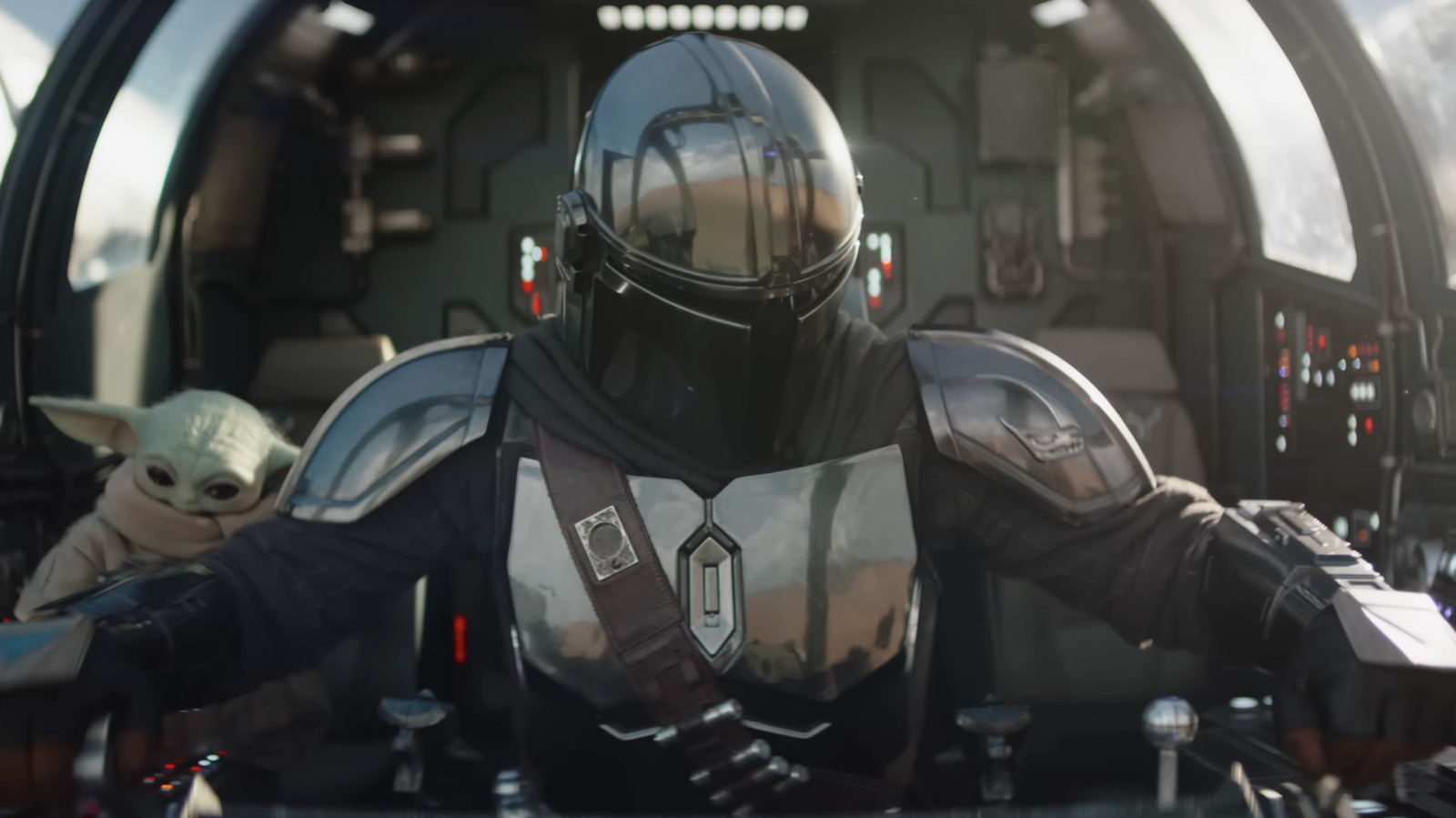
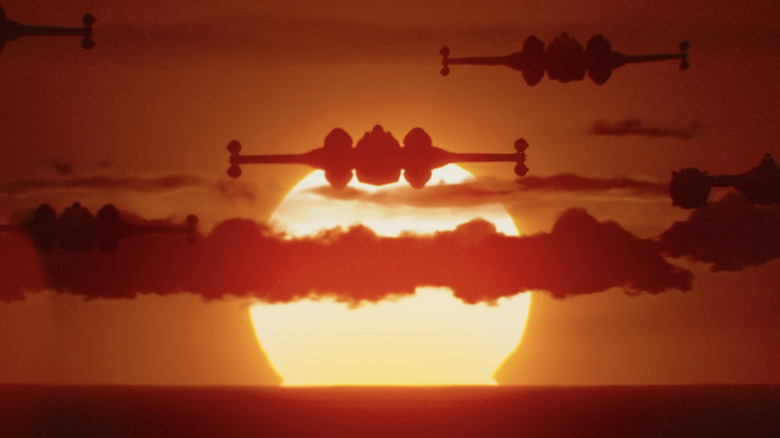
In The Mandalorian & Grogu, this tradition is shattered. The film begins with a teaser act that feels undeniably like a television pilot—an intense sequence featuring Din Djarin and his ward navigating a high-stakes conflict involving AT-ATs. Once the tension subsides and the title drops, the audience is greeted with a traditional opening credit sequence playing over a montage of starships arriving at a rebel base. For purists, this is a jarring violation of the Star Wars "sanctity," serving as a constant, rhythmic reminder that what is onscreen is a product of human labor, not a window into another galaxy.
Historical Context: The Cost of Creative Control
The friction between Lucas and the industry regarding credits is well-documented. The most famous incident occurred with The Empire Strikes Back, where the lack of a traditional director’s credit—placing the name at the end rather than the beginning—infuriated the Directors Guild of America (DGA).
Lucas, steadfast in his vision, chose to resign from the DGA rather than adhere to their rigid formatting requirements. This "scorched earth" approach highlighted a central truth about the franchise: for Lucas, the cinematic experience was a singular, cohesive vision that could not be diluted by industry norms. He was willing to jeopardize his standing with major institutions to protect the integrity of his story’s immersion.
When The Mandalorian & Grogu opts for a television-style credit sequence, it implicitly rejects the "auteurist" resistance that defined the original trilogy. While it might be interpreted as a nod to classic spaghetti westerns—a genre that heavily influenced the show’s aesthetic—or even a homage to the structure of shows like MASH, the result remains the same: a dilution of the "mythic" quality that Star Wars* has cultivated for decades.
The "TV-ness" Problem: A Matter of Scale
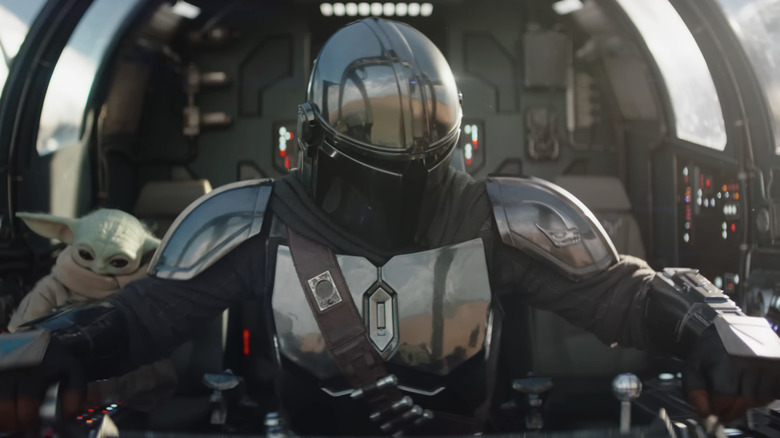
The fundamental issue raised by critics is not the existence of credits themselves, but what they represent in the context of this specific film. The Mandalorian & Grogu has been widely criticized for feeling like several television episodes stitched together, rather than a singular, grand narrative designed for the scale of a cinema screen.
The presence of opening credits acts as a structural anchor to the television medium. In a theater, the audience expects a certain level of narrative momentum. When a film stops to display a list of producers, actors, and department heads after a 15-minute prologue, the momentum stalls. It transforms the cinematic event into a "premiere night" for a streaming season, reinforcing the perception that the lines between Disney’s television output and their theatrical endeavors have become dangerously blurred.
Experimentation vs. Standardization
It is important to acknowledge that Star Wars has always relied on a degree of experimentation to survive. The franchise’s longevity is due in no small part to its ability to pivot. Titles like Andor have garnered critical acclaim for their grit and political complexity, while The Mandalorian itself was a revolutionary experiment in "Volume" technology and episodic storytelling.
However, there is a distinct difference between tonal experimentation—changing the genre or the pacing of the story—and structural homogenization. When Rogue One omitted the opening crawl, it was hailed as a daring choice because it acknowledged the film’s nature as a war movie, yet it still avoided the "TV-style" credits. It maintained the immersion while playing with the format.
Conversely, The Mandalorian & Grogu’s decision to adopt television credits feels like an admission of defeat. It suggests a lack of confidence in the film’s ability to stand apart from its small-screen origins. By leaning into the aesthetic of a television show, the film fails to justify its existence as a theatrical spectacle, leaving fans to wonder if the "Star Wars" brand is losing its ability to distinguish between its different delivery platforms.
The Implications for Future Films
Looking forward, Lucasfilm faces a critical challenge. With a slate of upcoming films in development, the company must decide whether it wants to maintain the "cinematic myth" established in 1977 or pivot toward a "content-first" model that treats all Star Wars projects as interconnected, standardized media.
If the Mandalorian film is a litmus test for how theatrical Star Wars will be handled moving forward, the industry is seeing a shift toward a more utilitarian approach to storytelling. While this may satisfy shareholders and the production teams looking for efficiency, it risks alienating a fanbase that views Star Wars as a singular cinematic event.
Ultimately, the power of Star Wars lies in its ability to transport the viewer. The removal of opening credits was a masterstroke of psychological world-building. By reintroducing them, The Mandalorian & Grogu has not just broken a rule; it has broken a spell. Whether or not this becomes the new standard for the franchise remains to be seen, but for now, it stands as a stark reminder of the tension between the artistic legacy of George Lucas and the evolving, corporatized landscape of modern Hollywood. If Star Wars is to remain a cultural touchstone, it must ensure that in its rush to expand, it does not lose the very elements that made it "a long time ago" feel so timeless.











No comments yet. Be the first to join the conversation!