


In a landscape dominated by Chromium-based browsers, Mozilla is preparing to reclaim its identity. With the announcement of "Project Nova," the organization behind Firefox is embarking on its most significant visual and functional overhaul in years. Set for a phased rollout throughout 2026, Project Nova aims to bridge the gap between modern aesthetic expectations and the browser’s long-standing pillars: openness, privacy, and user sovereignty.
The Genesis of Project Nova: A Strategic Pivot
Mozilla has long positioned Firefox as the "independent" alternative to the Google-dominated web. However, as UI trends have shifted toward minimalism, fluid animations, and heavy integration of AI-driven workflows, Firefox has faced criticism for feeling stagnant. Project Nova is not merely a coat of paint; it is a structural repositioning of the browser as a versatile, high-performance workspace.
The core mission of the project is threefold: to modernize the interface to meet contemporary design standards, to simplify the navigation architecture to reduce cognitive load, and to double down on transparency regarding emerging technologies like Artificial Intelligence. By 2026, users can expect a browser that feels distinctly "Firefox" but operates with the seamless fluidity of a modern productivity tool.
Chronology of the Redesign
The evolution of Firefox has been a series of iterative steps, each responding to the needs of the time:
- The Photon Era (2017): Focused on performance and the shift to the Quantum engine, setting the foundation for modern web rendering.
- The Proton Era (2021): Introduced a major UI refresh that polarized the community, particularly due to the reduction of information density and the removal of certain compact interface options.
- Project Nova (2026): Representing a "lessons learned" phase, this project aims to harmonize the sleekness of Proton with the power-user functionality requested by the community over the last five years.
The development roadmap is phased, beginning with internal testing and community feedback loops, followed by a canary release in early 2026, and culminating in a full stable release across desktop and mobile platforms by the end of that year.
Design Philosophy: Runder, Weicher, Einheitlicher
The visual language of Project Nova is defined by a shift toward "softer" geometry. Mozilla’s design team is prioritizing a more organic aesthetic, featuring rounded elements, refined iconography, and a cohesive color palette that aligns with the classic Firefox brand identity.

The "Bubble" Tab Revolution
Perhaps the most striking visual change is the introduction of "bubble-like" tabs. By softening the edges and creating a more distinct separation between active and background tabs, Mozilla aims to make the browsing experience feel less clinical and more approachable. This shift is intended to improve spatial awareness within the browser, helping users keep track of multiple active tasks without the visual clutter of traditional rigid tabs.
Consistent Light and Dark Modes
A frequent pain point in previous iterations was the lack of visual parity between themes. Project Nova promises a unified experience where both light and dark modes are treated with equal importance. By ensuring that typography, contrast ratios, and iconography are optimized for both, Mozilla hopes to deliver a premium, high-fidelity experience regardless of the user’s preference.
Empowering the User: Transparency and AI Control
In an era where browser vendors are rushing to integrate generative AI, Mozilla is taking a characteristically cautious approach. A core tenet of Project Nova is that the user must remain the ultimate authority over what the browser does—or does not—do.
The New Settings Architecture
Mozilla is redesigning the entire Settings menu. The current configuration, often criticized for burying critical privacy and security toggles in deep sub-menus, will be overhauled. The new structure will feature a flatter hierarchy, ensuring that privacy-conscious users can find, audit, and modify their data settings with minimal friction.
AI Governance
Regarding AI, Mozilla’s stance is one of "opt-in by default." The browser will not bundle large language models or predictive engines into the core binary. Instead, AI features will be modular. If a user chooses to utilize an AI-powered summary tool or content assistant, the necessary models will be downloaded on-demand. This approach mitigates bloat and ensures that users who prefer a "clean" browser are not burdened by features they never asked for.
The Browser as a Productivity Powerhouse
Recognizing that the modern user spends the majority of their digital life within the browser, Project Nova introduces tools designed for complex workflows.
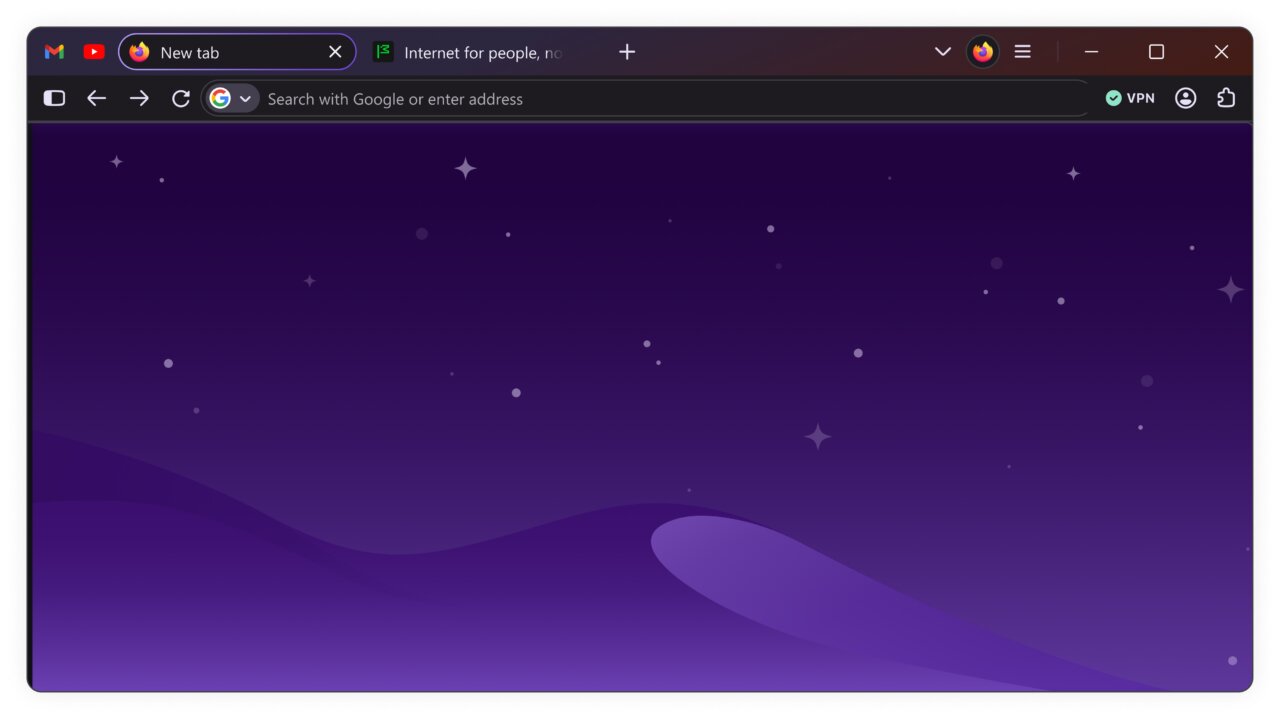
- Tab Management: Advanced grouping, vertical tab support, and improved "split-view" functionality are being baked into the core interface. These features are designed to help researchers, students, and professionals manage high-volume tab sessions without losing focus.
- The Return of Compact Mode: Perhaps the most significant "fan-service" update is the return of a true Compact Mode. After the outcry following the Proton update in 2021, where space-saving options were stripped away, Mozilla is re-introducing a configuration that maximizes viewport real estate. This is a clear signal that the organization is listening to its power-user base, prioritizing utility alongside aesthetics.
Official Perspectives
Mozilla’s leadership has framed Project Nova as a necessary evolution. In official blog communications, the team emphasized that "modernizing the browser does not mean stripping it of its identity." By focusing on customization—allowing users to choose their own themes, tab shapes, and layouts—Mozilla is betting that Firefox can offer a more personal experience than the "one-size-fits-all" approach of competitors like Chrome or Edge.
"We want Firefox to be a reflection of the person using it," a lead designer noted. "If you want a minimal, sleek interface, you get that. If you want a dense, information-rich dashboard for work, you get that too. The browser should adapt to the user, not the other way around."
Implications for the Web Ecosystem
The implications of Project Nova extend beyond mere cosmetics. In a market where Chromium engines effectively dictate how the web is rendered, Firefox remains the last major stronghold of the Gecko engine. By making Firefox more attractive and productive, Mozilla hopes to stem the tide of users migrating to Chromium browsers.
Competitive Positioning
If successful, Project Nova could revitalize Firefox’s market share among younger users who prioritize aesthetics, while simultaneously retaining the professional demographic that relies on its deep customizability. The move also serves as a defensive measure: as browsers become "operating systems for the web," the company that provides the most stable, privacy-respecting, and aesthetically pleasing environment wins.
A Test of Independence
Ultimately, Project Nova is a test of whether a non-profit-driven, independent browser can still compete in a "feature war" against multi-billion dollar tech giants. By choosing to focus on user agency—specifically regarding AI and interface density—Mozilla is leaning into the one thing its competitors often neglect: the idea that the user, not the provider, is the primary stakeholder of the browsing experience.
As 2026 approaches, the tech world will be watching closely. If Mozilla can deliver a product that balances the cutting-edge look of the modern web with the robust, ethical foundation that Firefox is known for, Project Nova may prove to be the most important chapter in the browser’s twenty-year history.












No comments yet. Be the first to join the conversation!