Nana
Nana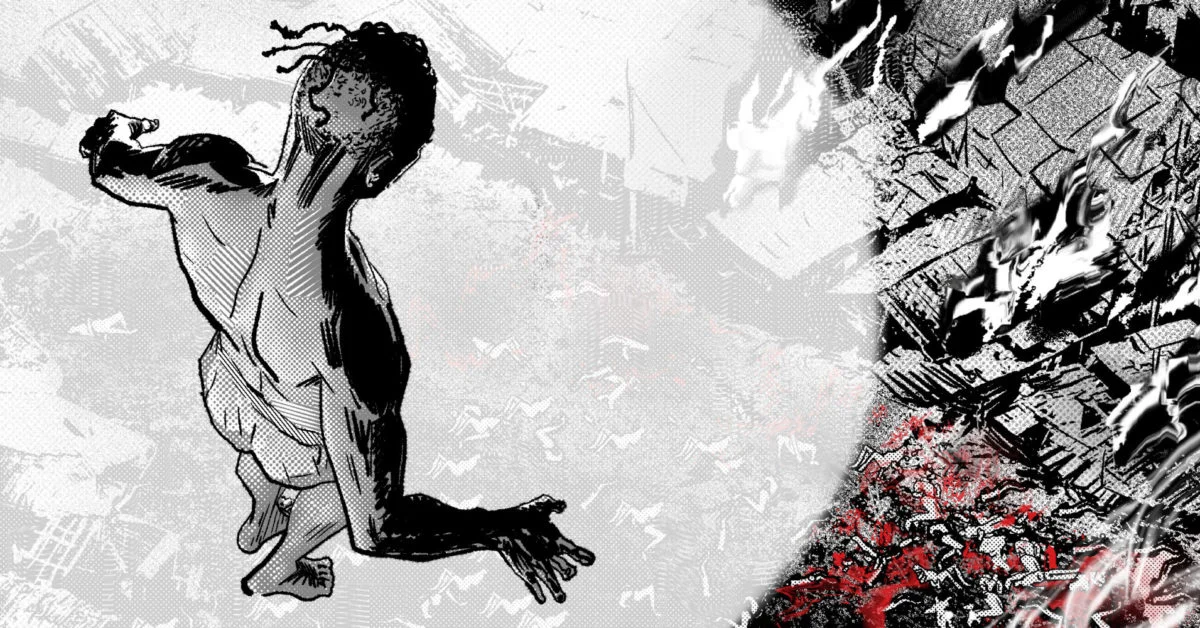
In the landscape of modern comics, few titles have captured the zeitgeist as effectively—and perhaps as hauntingly—as J. Michael Straczynski’s The Resistance. Originally debuting to critical acclaim, the series presented a world shattered by a global pandemic, only to find the survivors emerging with inexplicable, god-like abilities. Now, AWA Studios and its UPSHOT imprint are pulling back the veil on that chaotic era with a new digital mini-series, The Resistance: Reborns, set to launch on June 17th.
The Core Narrative: Origins Amidst the Great Death
The Resistance: Reborns serves as a narrative expansion, specifically designed to flesh out the backstories of the "newly superpowered" humans who emerged during the cataclysmic event known as the "Great Death." While the flagship title focused on the macro-political and social ramifications of these individuals, Reborns pivots to the intimate, often harrowing origins of the survivors themselves.
The series is a collaborative effort between industry titan J. Michael Straczynski—famed for his work on Sense8 and Superman: Earth One—and artist C.P. Smith, whose previous work on Archangel 8 demonstrated a penchant for the gritty, visceral aesthetic required for such a grounded, yet fantastic, premise.
A Chronology of the Crisis
To understand the significance of The Resistance: Reborns, one must look at the timeline established by the parent series:
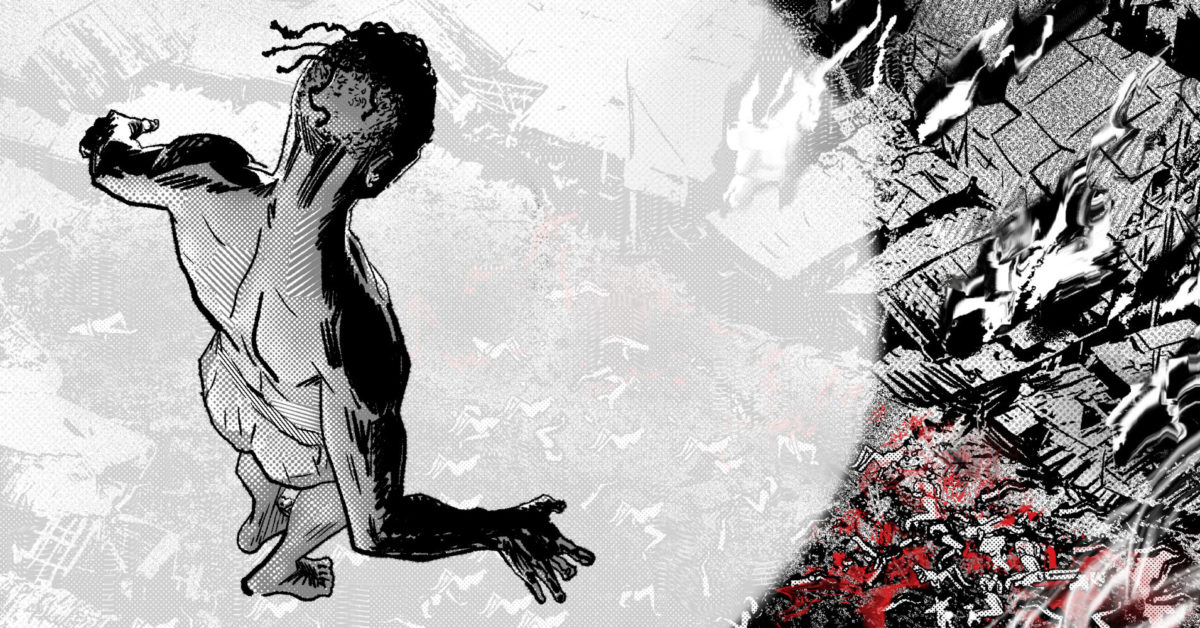
- The Onset of the Great Death: A mysterious, rapidly mutating virus sweeps across the globe, resulting in the loss of hundreds of millions of lives. The scale of the tragedy is unprecedented, effectively bringing modern civilization to a standstill.
- The Spark of Mutation: As the world mourns, a small percentage of survivors—only a few thousand globally—begin to manifest superhuman abilities. This transition from "normal human" to "superpowered entity" occurs in the immediate aftermath of the loss of their loved ones.
- The Montage of Potential: In the second issue of the flagship The Resistance series, a brief montage showcased several characters who were, at the time, little more than background figures. These figures represented the potential for future storytelling, and it is these specific characters that Straczynski has chosen to highlight in Reborns.
- The Launch of ‘Reborns’: On June 17th, AWA Studios releases the digital mini-series, providing the missing context for these five distinct archetypes of survivors.
Supporting Data: The Five Archetypes
The structure of The Resistance: Reborns is unique, opting for a vignettes-based format. According to AWA Studios, the series explores five distinct categories of the "reborn." Each category reflects a different psychological or physical response to the trauma of the pandemic:
- The Mad: Individuals whose minds could not process the trauma, leading to powers that manifest through a fractured reality.
- The Lost: Those who were adrift before the pandemic and find themselves even further alienated by their newfound abilities.
- The Dangerous: The survivors whose powers are inherently destructive or volatile, posing a threat to both themselves and those around them.
- The Hidden: Characters who choose to suppress their abilities, attempting to return to a life of normalcy in a world that is no longer normal.
- The Transcendent: Those who believe their powers represent the next step in human evolution, potentially leading to a god-complex or messianic mission.
Official Perspectives and Creative Intent
The creation of The Resistance: Reborns was not merely an afterthought; it was a deliberate exercise in world-building, fueled by the creative freedom offered by the AWA Studios model.
J. Michael Straczynski on World-Building
For Straczynski, the expansion was an opportunity to delve into the minutiae of his fictional universe. "The great thing about having the privilege of writing The Resistance is that I get to go way deep into the characters, the history of all this, the politics, how the powers work," Straczynski remarked. He described the process of writing Reborns as akin to crafting "comic book haiku"—short, evocative, and poignant snapshots of a world in transition.
Regarding the characters seen in the second issue’s montage, Straczynski noted: "When [Editor-in-Chief] Axel Alonso asked if I had stories for all the characters we saw for only one panel each… I said ‘Of course.’ The result: five vignettes, some origin stories, others a bit atilt and off-center, strange and sad and demented and scary."
Axel Alonso’s Reflections on Reality
AWA Editor-in-Chief Axel Alonso emphasized the eerie synchronization between the fictional premise and the actual state of the world during the series’ development. "When The Resistance #1 hit stores in March, who could have predicted that the story it told would mirror reality so starkly? Who could have guessed that a global pandemic would grip the world by its throat?"
Alonso believes this resonance is exactly why The Resistance has found such a dedicated audience. By grounding the fantastical elements of superpowers in the very real, very human experience of global disaster, the series transcends the typical superhero genre to become a piece of socio-political commentary.
Implications for the Future of AWA Studios
The release of The Resistance: Reborns signifies several key shifts in the comic book industry and the specific strategy of AWA Studios:
1. The Digital-First Approach
By launching the series on their own portal, AWAStudios.net, as well as on major webcomic platforms like Webtoons and Tapas, the studio is signaling a shift toward accessibility. By removing the barrier of traditional physical distribution, AWA is positioning itself to capture a younger, digitally native demographic that consumes content on mobile devices.
2. The Expansion of the "Upshot" Universe
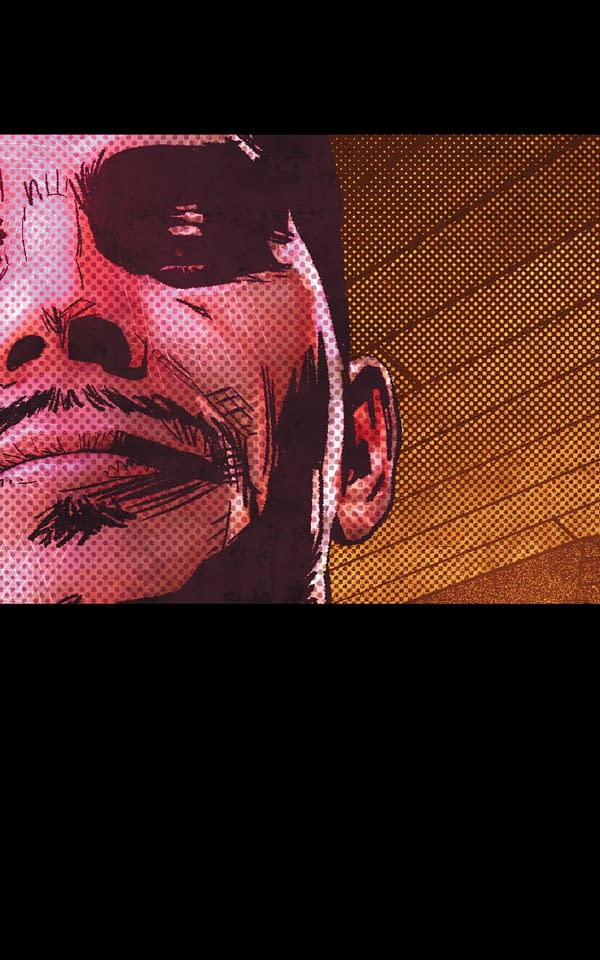
The branding of The Resistance under the "Upshot" banner suggests that AWA is looking to build a cohesive, interconnected universe similar to the major publishers, but with the flexibility of a modern studio model. The hint from Straczynski that "we may be seeing some of them again rather soon" implies that these vignettes are not one-offs, but seeds for future, larger story arcs.
3. Tone and Maturity
The focus on "demented," "scary," and "sad" stories reaffirms AWA’s commitment to mature storytelling. Unlike the traditional "good vs. evil" dichotomy often found in superhero comics, The Resistance universe appears to prioritize the "how" and "why" of human struggle. It explores how trauma manifests in a world that offers no clear answers, making it a poignant reflection on the human condition.
Conclusion: Why ‘Reborns’ Matters
The Resistance: Reborns is more than just a spinoff; it is a critical piece of the puzzle for fans of J. Michael Straczynski’s work. By providing the origin stories for characters who were previously mere silhouettes in a montage, the series invites readers to empathize with the victims of the "Great Death."
As the world continues to grapple with its own real-world challenges, the themes explored in The Resistance—fear, adaptation, loss, and the sudden acquisition of power—remain intensely relevant. With the combined creative prowess of Straczynski and Smith, The Resistance: Reborns promises to be a haunting, necessary look at what happens when the end of the world is just the beginning of something else entirely.
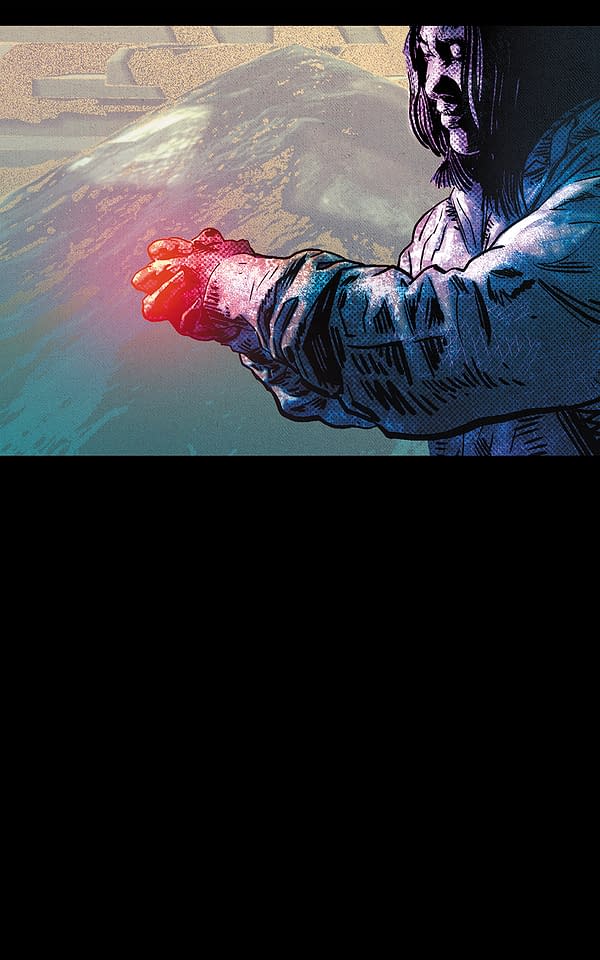
Readers looking to experience this expansion can visit AWAStudios.net or their preferred webcomic platform on June 17th to begin the journey into the origins of the new world.


 Asep Darmawan
 Dwi Wanna