

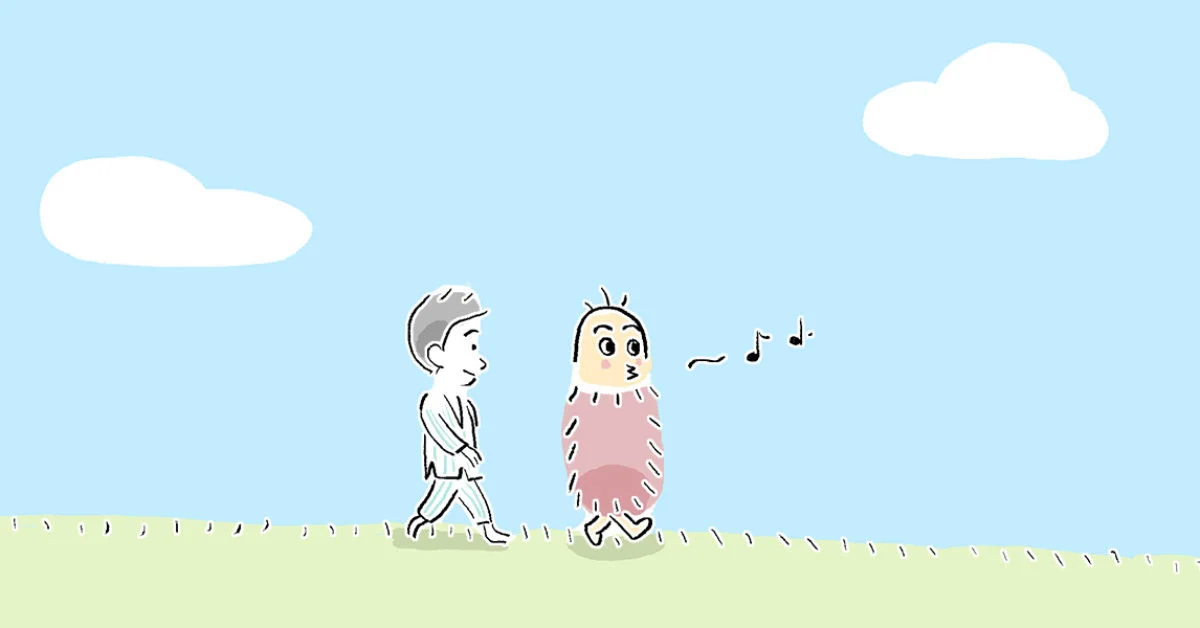
The landscape of global entertainment is undergoing a seismic shift, driven by the meteoric rise of the South Korean "webtoon" format. These vertical-scrolling, mobile-first digital comics have captured the imaginations of tens of millions of readers worldwide, creating a vibrant intellectual property pipeline for film and television studios. At the forefront of this movement is Lezhin Entertainment, which recently announced that one of its most acclaimed titles, Big See, is set for a high-profile digital adaptation.
In a collaboration that highlights the growing synergy between digital publishing and streaming media, Lezhin Entertainment has partnered with the media giant Kakao M to transform the poignant narrative of Big See into a groundbreaking ten-episode digital drama. This adaptation is not merely a translation from page to screen; it is a stylistic experiment that seeks to merge live-action cinematography with innovative animation, blurring the boundaries between reality and the dreamlike states of its protagonist.
The Narrative Foundation: A Tale of Terminal Reality
Big See, written by the visionary creator Kim Botong, occupies a unique space in the pantheon of contemporary webtoons. As the inaugural recipient of South Korea’s prestigious "Manhwa of the Day" award, the series garnered widespread critical acclaim for its raw, unflinching look at the human condition.
The story follows a young man grappling with a terminal cancer diagnosis as he navigates the final, harrowing stages of his illness. Rather than opting for pure melodrama, the series utilizes a blend of grounded, visceral storytelling and surreal, imaginative sequences to represent the protagonist’s internal experience. With over 20 million views globally, the webcomic has proven that audiences are hungry for stories that tackle existential themes through the lens of digital-first artistry.
The success of Big See underscores a broader trend: the transition of webtoons from niche internet hobbies to mainstream cultural pillars. By utilizing the vertical scrolling dynamic—a format optimized for the ubiquitous smartphone—creators like Kim Botong have successfully democratized storytelling, reaching a global audience that spans continents and demographics.
Chronology: Building the Pipeline
The journey of Big See from a static digital comic to a multi-platform media event did not happen in a vacuum. It is the latest move in a long-term strategy by Lezhin Entertainment to leverage its vast library of intellectual property.
- 2018: Lezhin Entertainment acquires the film production company Lezhin Studio. This strategic move was designed to consolidate control over the adaptation process, ensuring that the visual and narrative integrity of their webtoons remains intact when transitioning to screen.
- August 4, 2020: Lezhin Entertainment officially announces the partnership with Kakao M to produce the digital drama adaptation of Big See.
- Pre-Production Phase: Throughout late 2020, the project assembled a powerhouse creative team, including director Kim Dong-ha for the live-action segments and renowned animator Han Ji-won for the stylized sequences.
- Release Window: The series was slated for release in the latter half of 2020, optimized specifically for the KakaoTalk video platform, marking a concerted effort to capture the mobile-first generation.
This development follows the successful momentum established by Kim Botong’s previous work, D.P Dog’s Day, which was picked up for a Netflix adaptation. The success of these projects confirms that Lezhin is effectively positioning itself as a primary source of high-quality, high-drama content for the streaming era.
Supporting Data: The Rise of the Webtoon Economy
The digital comics industry is no longer a peripheral player in the global media economy; it is a driving force. The success of Big See is backed by substantial metrics that illustrate the reach and engagement levels of the webtoon format.
- Mobile Optimization: Unlike traditional print media, webtoons are designed with a mobile-first philosophy. The vertical scrolling interface creates an intuitive, immersive reading experience that mimics the pace of video content, making the transition to episodic television a natural progression.
- Global Reach: Big See’s 20 million views demonstrate that language barriers are increasingly irrelevant in the face of strong, visually driven storytelling. By leveraging digital platforms, creators can distribute their work to a global audience instantaneously.
- Cross-Media Synergy: The Lezhin Studio model—an integrated production house under a publishing umbrella—reduces the friction typically associated with optioning intellectual property. By internalizing production, Lezhin ensures that the core themes of the original webtoon are preserved while being amplified by top-tier acting and animation talent.
Official Perspectives: Bridging the Horizon
The production team behind the Big See adaptation has been vocal about their creative vision, specifically regarding the unique visual language of the show. A representative from Lezhin Studio characterized the project as a "new reality," one that intentionally plays with the juxtaposition of mediums.

"We are incredibly excited to see the performances of Lee Seol and Ji Soo combined with the fantastic atmospheres and environments that only animation can provide," the representative stated. "Our goal is to create a new reality that dives deep into the horizon between the real world and the world of dreams."
This statement highlights the aesthetic philosophy of the series. By utilizing live-action for the protagonist’s waking life and animation for the internal, dreamlike, or terminal progression of his condition, the show aims to capture the psychological depth of the original source material in a way that live-action alone could not.
The casting of Ji Soo, known for his work in My First First Love, alongside Lee Seol, provides the project with the star power necessary to attract a mainstream audience. Their involvement signifies the maturation of the digital drama format—moving away from low-budget experiments toward high-quality, prestige storytelling.

Implications: The Future of Digital Dramas
The adaptation of Big See serves as a case study for the future of entertainment. As traditional television networks struggle to capture younger, mobile-first audiences, the integration of webtoons into the streaming ecosystem provides a blueprint for success.
1. The Death of the "Niche"
Webtoons have effectively killed the idea of "niche" content. When a story about a terminal patient can draw 20 million views, it proves that universal human emotions—grief, hope, identity—resonate globally regardless of the medium of origin.
2. The Rise of Hybrid Media
Big See is leading a trend toward hybridity. The marriage of live-action and animation is becoming a preferred stylistic choice for directors looking to visualize complex psychological states. By moving beyond the limitations of purely live-action sets, creators can now bring the vivid, imaginative panels of webtoons to life without sacrificing the gravitas of a dramatic performance.

3. Vertical Integration as a Necessity
Lezhin Studio’s business model—where a publishing company owns its own production house—is likely to become the industry standard. As streaming services fight for content, the ability to fast-track proven, fan-favorite stories from a company’s own catalog provides a significant competitive advantage.
4. Impact on Mobile Platforms
With the series being optimized for the KakaoTalk platform and limited to 15-minute episodes, the project is a direct challenge to traditional broadcast structures. It acknowledges that viewers have shorter attention spans and are increasingly watching content on the go. This shift forces producers to focus on pacing, ensuring that every minute of the ten-episode arc serves the narrative purpose.
Conclusion: A New Frontier
As the industry watches the evolution of Big See, it is clear that we are witnessing the solidification of a new creative pipeline. The collaboration between Lezhin Entertainment and Kakao M is more than just a project; it is a testament to how digital technology is reshaping the narrative arts.

By honoring the source material while embracing the limitless possibilities of animation, the creative team behind Big See is setting a high bar for future adaptations. Whether this specific project reaches the heights of global phenomenon status or remains a cult classic, it has already achieved something more important: it has successfully bridged the gap between the digital scroll and the television screen, proving that the stories of the future are being written, one vertical panel at a time.









No comments yet. Be the first to join the conversation!